Last Updated on August 8, 2026
Are you curious about whether your cat can safely eat raw meat? You might have heard that raw food is more natural for cats, but is it really good for their health?
Feeding your furry friend raw meat could seem like a simple way to give them a tasty treat, but there are important things you need to know first. Keep reading to discover the truth about raw meat and your cat’s diet—so you can make the best choice for your pet’s well-being.
Nutritional Needs Of Cats
Cats have special nutritional needs. Their bodies work differently than humans or dogs. They need certain nutrients to stay healthy and active. Raw meat can meet some of these needs. Understanding these nutrients helps decide if raw meat is good for cats.
Each nutrient plays a key role in their health. Missing any can cause problems. Let’s look at the main nutrients cats need.
Protein And Amino Acids
Cats need a lot of protein in their diet. Protein builds muscles and repairs tissues. It also helps make enzymes and hormones. Cats require certain amino acids that come from protein. Taurine is one important amino acid. Without enough taurine, cats can get heart and eye problems. Raw meat usually has high protein and taurine. This makes it a good source for these nutrients.
Essential Vitamins And Minerals
Cats need vitamins like A, D, and B-complex. These keep their skin, eyes, and immune system healthy. Minerals like calcium, phosphorus, and zinc are also vital. They help build strong bones and teeth. Raw meat contains many of these vitamins and minerals naturally. But some nutrients might need to be added to balance the diet fully.
Raw Meat And Cat Diets
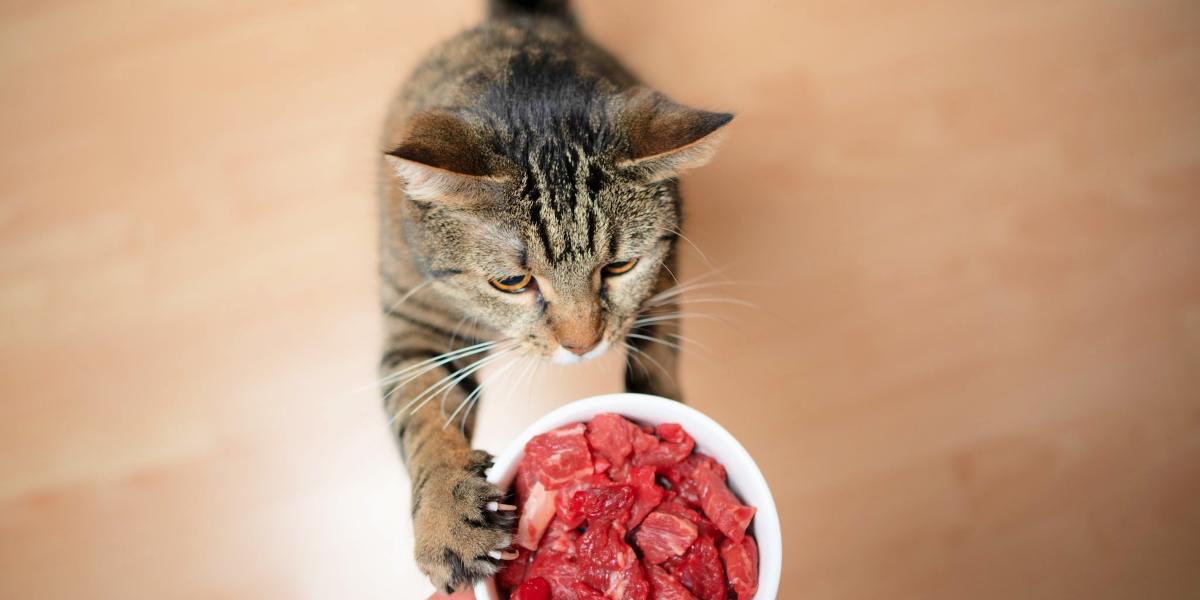
Cats are natural hunters. Their bodies are designed to eat meat. Raw meat can be part of a cat’s diet. Many cat owners wonder if raw meat is safe and healthy for their pets.
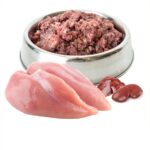
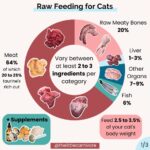
Feeding raw meat means providing uncooked animal protein. This diet mimics what cats eat in the wild. It may include muscle meat, organs, and bones. Understanding the types of raw meat suitable for cats is important.
Types Of Raw Meat Suitable For Cats
Muscle meat is the main part of a cat’s meal. Chicken, turkey, and rabbit are common choices. Beef and lamb can also work but less often.
Organs like liver, heart, and kidney are rich in nutrients. They add vitamins and minerals that cats need. Only small amounts are necessary to avoid problems.
Raw bones offer calcium and help keep teeth clean. Use soft bones like chicken necks or wings. Avoid cooked bones as they can splinter and harm cats.
Benefits Of Feeding Raw Meat
Raw meat provides high protein and essential nutrients. It supports strong muscles and healthy organs. Cats may have better energy and shiny coats.
Some cats have fewer allergies and digestive issues. Raw diets can reduce hairballs and improve stool quality. Natural chewing on raw bones helps dental health.
Feeding raw meat can match a cat’s natural diet. It may lead to better overall health and vitality.
Risks Of Raw Meat For Cats
Feeding cats raw meat carries several risks. Owners must understand these dangers before offering raw food. Raw meat can cause health problems for cats. These problems come from bacteria, parasites, and nutritional issues. Knowing these risks helps protect your pet’s health.
Bacterial Infections
Raw meat often contains harmful bacteria like Salmonella and E. coli. These bacteria can cause vomiting, diarrhea, and fever in cats. Cats with weak immune systems are at higher risk. Bacteria can also spread to humans handling raw meat. Proper hygiene is crucial to prevent infections.
Parasites And Contamination
Raw meat may carry parasites such as Toxoplasma gondii. Parasites can cause serious illness in cats. Contaminated meat can also contain harmful chemicals or toxins. These can harm your cat’s organs and overall health. Freezing meat can reduce parasite risk but not eliminate it.
Nutritional Imbalances
Raw meat alone does not provide complete nutrition. Cats need a balanced diet with vitamins and minerals. Feeding only raw meat can cause nutrient deficiencies or excesses. This can lead to bone problems, skin issues, and poor growth. A vet-approved diet plan is essential for safety.
Safe Practices For Feeding Raw Meat
Feeding raw meat to cats requires careful attention to safety. Cats can get sick from bad bacteria or parasites in raw meat. Following safe practices helps protect your cat’s health. It also keeps your home clean and your cat happy. Here are some simple steps to do it right.
Choosing Quality Meat
Select fresh meat from trusted sources. Look for meat labeled safe for human consumption. Avoid meat with added spices, preservatives, or sauces. Choose cuts that are fresh, firm, and smell normal. Avoid any meat that looks slimy or smells bad. Fresh meat lowers the risk of harmful bacteria.
Proper Storage And Handling
Keep raw meat cold until feeding time. Store it in the refrigerator or freezer immediately. Use clean containers to avoid cross-contamination. Wash your hands and surfaces after handling raw meat. Thaw frozen meat in the fridge, not on the counter. Proper storage helps prevent bacteria growth and keeps meat safe.
Introducing Raw Meat Gradually
Start by mixing small amounts of raw meat into your cat’s regular food. Watch for any signs of stomach upset or allergies. Increase the amount slowly over several days. This helps your cat’s digestive system adjust. Sudden changes can cause vomiting or diarrhea. Patience is key for a smooth transition.
Alternatives To Raw Meat Diets
Cats need protein to stay healthy and strong. Raw meat diets can be risky due to bacteria and parasites. Many cat owners want safe and healthy options for their pets. Alternatives to raw meat diets offer balanced nutrition without the dangers. These options support your cat’s health and make feeding easier.
Commercial Raw Diets
Commercial raw diets are made in controlled environments. These products are tested for safety and nutrients. They often include supplements to balance vitamins and minerals. Many brands freeze or freeze-dry the meat to kill germs. This option provides the raw meat benefits with less risk.
Cooked Meat Options
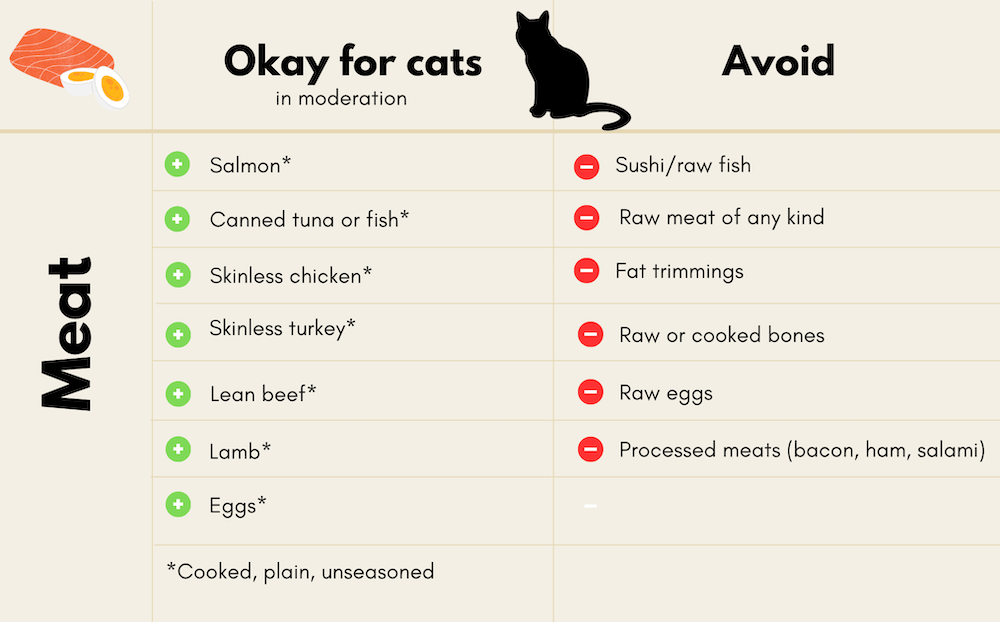
Cooked meat is a safer choice for cats. Cooking kills harmful bacteria and parasites. Use plain chicken, turkey, or beef without spices. Avoid onions, garlic, and seasoning that harm cats. Cooking keeps protein intact and easy to digest. This method reduces health risks of feeding raw meat.
Balanced Commercial Cat Foods
Commercial cat foods are made to meet all nutritional needs. Dry kibble and canned foods contain proteins, fats, and vitamins. These foods are tested for quality and safety. They provide convenience and consistent nutrition for your cat. Choosing balanced cat food helps maintain your cat’s health daily.
Credit: www.whisker.com
Signs Of Problems From Raw Meat
Feeding raw meat to cats can sometimes lead to health problems. Cats may show signs that something is wrong after eating raw meat. Knowing these signs helps keep your pet safe and healthy.
Digestive Issues
Digestive problems are common signs of raw meat issues. Your cat might vomit or have diarrhea. Stomach pain can make your cat avoid eating. Watch for bloating or gas as well. These symptoms suggest the meat may not agree with your cat’s stomach.
Behavioral Changes
Behavior can change when cats feel unwell. A cat may become less active or hide more. Aggression or irritability can also appear. Loss of appetite is a clear warning sign. These changes often mean your cat is in discomfort.
When To See A Veterinarian
Visit a veterinarian if your cat shows severe symptoms. Continuous vomiting or diarrhea needs immediate care. If your cat is weak or very quiet, get help fast. Persistent behavioral changes also require professional advice. Early treatment can prevent serious health problems.
Consulting Your Veterinarian
Consulting your veterinarian is key before feeding your cat raw meat. Each cat has unique health needs and risks. Your vet can guide you on safe feeding practices. This ensures your cat stays healthy and happy.
Personalized Diet Recommendations
Your veterinarian can create a diet plan based on your cat’s health. They consider age, weight, and medical history. Raw meat may suit some cats, but not all. A vet’s advice helps avoid nutrient imbalances or health issues.
Health Monitoring Tips
Vets suggest ways to watch your cat’s health during a raw diet. They check for signs of digestive problems or infections. Regular vet visits help catch issues early. Follow their advice to keep your cat safe and well.

Credit: www.youtube.com
Credit: cats.com
Frequently Asked Questions
Can Cats Safely Eat Raw Meat?
Cats can eat raw meat, but it carries risks like bacteria and parasites. Always consult a vet before feeding raw meat to your cat to ensure safety.
What Are The Risks Of Feeding Cats Raw Meat?
Raw meat may contain harmful bacteria and parasites. It can cause food poisoning or infections in cats, especially if the meat is not fresh or properly handled.
How To Prepare Raw Meat Safely For Cats?
Use fresh, high-quality meat and freeze it to kill parasites. Clean all surfaces and utensils thoroughly to avoid cross-contamination before feeding your cat.
Is Raw Meat A Complete Diet For Cats?
Raw meat alone lacks essential nutrients. A balanced raw diet should include organs, bones, and supplements to meet a cat’s nutritional needs.
Conclusion
Cats can eat raw meat, but it needs care and caution. Raw meat may carry germs that can harm your cat. Always choose fresh, high-quality meat from trusted sources. Consult your vet before changing your cat’s diet. Watch your cat closely for any signs of illness.
A balanced diet keeps your cat happy and healthy. Feeding raw meat is not for every cat. Think about your cat’s age, health, and needs. Safe feeding helps your cat enjoy the best nutrition.