Last Updated on August 6, 2026
Have you ever wondered why animals can eat raw meat without getting sick, while it might make you feel uneasy? Understanding this can change the way you think about nature and your own diet choices.
You’ll discover the surprising reasons behind animals’ ability to handle raw meat safely. By the end, you’ll see how their bodies work differently from yours—and why that matters. Keep reading to unlock these fascinating secrets that could even impact your health and nutrition decisions.
Animal Digestive Systems
Animals digest food differently based on their diets. Their digestive systems are built to handle specific types of food. Carnivores, herbivores, and omnivores all have unique ways to process what they eat. Understanding these differences helps explain why some animals can eat raw meat safely.
Carnivores Vs Herbivores
Carnivores eat mostly meat. Their bodies are designed to digest animal flesh quickly and efficiently. They have sharp teeth and strong jaws to tear meat apart. Herbivores eat plants. Their teeth are flat to grind leaves and stems. Their digestive tracts are longer to break down tough plant fibers.
Because of these differences, carnivores and herbivores digest food in very different ways. Carnivores have shorter intestines that process meat fast. Herbivores need more time to extract nutrients from plants.
Enzymes That Break Down Meat
Carnivores produce special enzymes to digest protein and fat in meat. Pepsin and protease break down animal proteins into smaller parts. Lipase helps digest fats. These enzymes work quickly to absorb nutrients from raw meat.
Herbivores have different enzymes. They mainly produce cellulase and amylase to break down plant fibers and starches. These enzymes do not digest meat well. This is why herbivores cannot eat raw meat easily.
Stomach Acidity Levels
Carnivores have very acidic stomachs. Their stomach acid kills many bacteria found in raw meat. This prevents infections and helps digest tough meat proteins. The low pH also speeds up digestion.
Herbivores have less acidic stomachs. Their stomachs are designed to ferment plant material, not kill bacteria in meat. This makes raw meat risky for them to eat. Their bodies are not equipped to handle the bacteria or digest meat efficiently.

Credit: www.pbs.org
Evolutionary Adaptations
Animals have evolved over millions of years to eat raw meat safely and effectively. Their bodies are designed to handle raw meat without harm. This ability comes from many changes in their biology and behavior. These adaptations help animals survive in the wild where cooked food is not an option.
Natural Diets In The Wild
Many animals eat raw meat as their main food source. Carnivores like lions, wolves, and hawks rely on fresh kills. Their diet includes muscle, organs, and bones. Eating raw meat gives them vital nutrients and energy. Their stomachs have strong acids that kill harmful bacteria found in raw meat.
Teeth And Jaw Structure
Animals that eat raw meat have sharp teeth. Their teeth are made for tearing flesh and crushing bones. Canines are long and pointed for gripping prey. Their jaws move up and down, not side to side like herbivores. This motion helps cut meat into small pieces. Strong jaw muscles add power to their bite.
Hunting And Feeding Behavior
Predators use hunting skills to catch live prey. They rely on speed, strength, and stealth. After the kill, animals eat meat quickly to avoid scavengers. Some animals share food with their pack or family. Feeding behavior ensures everyone gets enough nutrients. These instincts are part of their survival strategy.
Microbial Defenses In Animals
Animals can eat raw meat without getting sick. Their bodies have special defenses against harmful germs. These defenses work inside their stomachs and bodies. They stop dangerous bacteria from causing illness. Understanding these defenses helps explain why raw meat is safe for many animals.
Gut Microbiota Role
Animals have many good bacteria in their guts. These bacteria help break down raw meat safely. They compete with harmful germs for space and food. This competition keeps bad bacteria from growing too much. Good bacteria also make substances that kill harmful microbes.
Immune System Strength
Animals have strong immune systems that fight germs. Their bodies quickly spot and destroy harmful bacteria. The immune system uses special cells to attack invaders. This quick response stops infections before they start. It helps animals stay healthy even after eating raw meat.
Pathogen Resistance
Some animals naturally resist certain dangerous germs. Their bodies make it hard for these germs to survive. This resistance lowers the risk of illness from raw meat. It allows animals to eat meat that might be risky for humans. This natural protection is key to their survival.

Credit: in.mashable.com
Risks Of Raw Meat For Humans
Eating raw meat carries health risks for humans. Our bodies are not built to handle the bacteria and parasites that raw meat may contain. These risks can cause serious illnesses. Understanding these dangers helps people make safer food choices.
Humans need to be careful with raw meat. Cooking meat kills harmful germs and makes it safer to eat. Without cooking, those germs can stay active and cause infections.
Differences In Human Digestion
Humans have a different digestive system than carnivores. Our stomach acid is less strong than that of animals who eat raw meat. This means our bodies cannot destroy all the harmful bacteria in raw meat. Also, our intestines are longer, which can increase the chance of bacteria growing and causing illness.
Common Pathogens In Raw Meat
Raw meat can contain dangerous germs like Salmonella, E. coli, and Listeria. These bacteria can cause food poisoning. Symptoms include stomach pain, vomiting, diarrhea, and fever. Parasites like Toxoplasma gondii can also be present and cause serious health problems. These pathogens are often killed by cooking meat properly.
Food Safety Measures
To reduce risks, always handle raw meat carefully. Wash hands and surfaces after touching raw meat. Keep raw meat separate from other foods. Use a food thermometer to check the meat’s internal temperature. Cooking meat to the right temperature kills harmful germs. Avoid eating raw or undercooked meat, especially for children, pregnant women, and people with weak immune systems.
Raw Meat In Domestic Pets
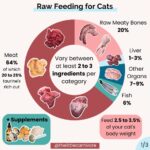
Raw meat diets for domestic pets have gained popularity in recent years. Many pet owners choose this diet to mimic the natural eating habits of wild animals. Dogs and cats can digest raw meat better than processed foods due to their digestive systems. Their stomach acid is strong enough to kill many harmful bacteria. This diet can include muscle meat, organs, and bones.
Benefits And Risks
Raw meat can provide pets with more nutrients and better digestion. It often contains fewer fillers and artificial ingredients than commercial pet food. Some pets show shinier coats and more energy on a raw diet. However, risks include bacterial infections from Salmonella or E. coli. Bones may cause choking or damage to the digestive tract. Not all pets tolerate raw diets well, especially those with weak immune systems.
Veterinary Perspectives
Many veterinarians urge caution with raw meat diets. They worry about the risk of infections for pets and humans. Some vets recommend commercial diets that are balanced and safe. Others support raw feeding but advise careful preparation. Regular check-ups are essential to monitor pet health on this diet. Vets often suggest gradual diet changes to avoid digestive upset.
Safe Handling Practices
Handling raw meat requires strict hygiene to avoid contamination. Use separate utensils and surfaces for raw pet food. Wash hands thoroughly before and after preparation. Store raw meat in sealed containers in the fridge or freezer. Avoid feeding raw meat from unknown or unreliable sources. Clean pet bowls daily with hot, soapy water. These steps help protect pets and family members from illness.

Credit: in.mashable.com
Scientific Studies And Findings
Scientific studies help explain why animals can eat raw meat safely. Researchers study animal bodies and how they digest raw food. These studies show clear differences between animals that eat raw meat and those that do not. Understanding these differences helps us learn about animal diets and health.
Research On Carnivore Digestion
Scientists found carnivores have strong stomach acids. These acids kill harmful bacteria in raw meat. Their digestive systems work fast to break down meat. This process stops bacteria from growing inside their bodies. It makes raw meat safe for them to eat.
Comparative Anatomy Insights
Animal bodies show many signs of meat eating. Carnivores have sharp teeth to tear meat easily. Their intestines are shorter than herbivores’. Short intestines mean food passes quickly. This reduces risk of infection from raw meat. Their jaws move mainly up and down for biting.
Recent Discoveries
New studies reveal gut bacteria help digest raw meat. These bacteria protect animals from foodborne diseases. Some animals have special enzymes to break down meat proteins. Research also shows that wild animals rarely get sick from raw meat. Their bodies are naturally built for this diet.
Frequently Asked Questions
Why Can Animals Eat Raw Meat Safely?
Animals have stronger stomach acids that kill harmful bacteria in raw meat. Their digestive systems are adapted to process raw proteins and fats efficiently without illness.
Do All Animals Eat Raw Meat Naturally?
No, only carnivores and some omnivores eat raw meat naturally. Herbivores rely on plants, while carnivores have evolved to digest raw animal tissue.
How Do Animals Avoid Infections From Raw Meat?
Animals have immune systems and gut bacteria that protect them from pathogens in raw meat. Their saliva and stomach acids also help neutralize harmful microbes.
Can Humans Eat Raw Meat Like Animals?
Humans can eat raw meat, but it carries health risks. Our digestive systems are less adapted, so cooking meat reduces bacteria and parasites for safety.
Conclusion
Animals can safely eat raw meat because their bodies are built for it. Their strong stomach acid kills harmful germs quickly. Sharp teeth and strong jaws help them tear and chew meat easily. Their digestive systems work fast to process raw food.
Unlike humans, they don’t need to cook meat to avoid sickness. Understanding this helps us respect animal diets better. It also shows how nature designs creatures for survival. Knowing why animals eat raw meat adds to our knowledge of wildlife.
Simple, natural, and effective.