Last Updated on September 5, 2026
Senior dogs can experience anxiety due to various factors. Their changing needs and health can lead to stress.
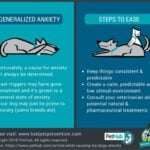
Treating anxiety in older dogs is essential for their well-being. As dogs age, they may become more sensitive to changes in their environment. This can cause them to feel anxious. Common signs include restlessness, excessive barking, and changes in behavior.
Understanding the reasons behind their anxiety is the first step in finding the right treatment. Addressing these issues can improve their quality of life. In this blog post, we will explore effective treatments for senior dog anxiety. These methods can help your furry friend feel calm and secure. So, let’s dive in and learn how to make our senior dogs happier and more comfortable.
Recognizing Anxiety In Senior Dogs
Recognizing anxiety in senior dogs can be challenging. Aging often brings behavioral changes. Understanding these changes is key to providing the best care. Senior dogs may develop anxiety for various reasons. Changes in their environment or health issues can trigger anxiety. Identifying the signs early helps in managing their anxiety effectively.
Common Symptoms
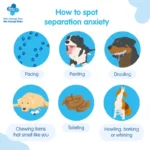
Senior dogs may show several common symptoms of anxiety. They might start trembling or shaking. Panting without any physical exertion is another sign. Excessive barking or whining is also common. Some dogs may become restless and pace around. Loss of appetite can indicate anxiety as well. Watch for these symptoms regularly.
Behavioral Changes
Behavioral changes are often the first sign of anxiety. Your dog might become more clingy. They may follow you around constantly. Some dogs might become withdrawn. They may hide or avoid interaction. Changes in sleeping patterns are also common. Your dog might sleep more or less than usual. Increased aggression can also be a sign. Pay close attention to these changes.
Causes Of Anxiety In Older Dogs
Understanding the causes of anxiety in older dogs is crucial. It helps provide effective treatment. Senior dogs, like humans, can experience anxiety due to various reasons. Knowing these reasons can help pet owners manage and alleviate their pet’s stress.
Health Issues
Health issues are a primary cause of anxiety in older dogs. Chronic pain or discomfort from arthritis can make dogs anxious. Vision or hearing loss can also lead to confusion and stress. Cognitive decline, similar to dementia in humans, can cause disorientation and anxiety.
Regular veterinary check-ups can help identify and address these health problems. Proper medical care can reduce anxiety and improve your dog’s quality of life.
Environmental Factors
Environmental factors can significantly impact an older dog’s anxiety levels. Changes in the home environment, like moving to a new place, can be stressful. New family members or pets can also disrupt their sense of stability. Loud noises or unpredictable events can trigger fear and anxiety.
Maintaining a consistent routine and providing a calm environment can help soothe your senior dog. Creating a safe, quiet space for them can reduce stress and anxiety.
Creating A Safe Space
Senior dogs can experience anxiety for various reasons. Creating a safe space can help them feel more secure. This space should provide comfort and tranquility. Here are some ways to create a safe space for your senior dog:
Comfortable Bedding
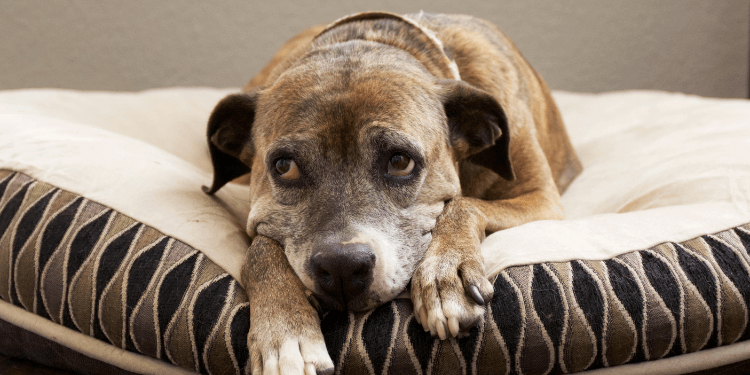
A cozy bed can make a huge difference. Choose a bed with soft, supportive materials. Orthopedic beds can be especially good for older dogs. They help relieve joint pain and provide extra comfort. Place the bed in a quiet area of your home. This will help your dog feel relaxed and safe.
Quiet Environment
A calm environment is crucial for reducing anxiety. Try to minimize loud noises in your home. Create a quiet corner where your dog can retreat. This can be a room or a secluded area. Use noise-canceling machines or soft music to mask outside sounds. A peaceful environment helps your dog stay calm and stress-free.

Credit: www.imprimedicine.com
Natural Remedies
When dealing with senior dog anxiety, many pet owners seek natural remedies. These options are often gentle, with fewer side effects. Let’s explore some effective natural remedies for easing your senior dog’s anxiety.
Herbal Supplements
Herbal supplements can be a great way to calm your anxious dog. They are natural and often have fewer side effects than medications.
- Chamomile: This herb has calming properties. It can soothe your dog’s nerves.
- Valerian Root: Known for its sedative effects, valerian root can help your dog relax.
- Passionflower: This herb can reduce stress and promote relaxation in dogs.
Essential Oils
Essential oils can also help ease your dog’s anxiety. Always dilute them properly and use them safely.
| Essential Oil | Benefits |
|---|---|
| Lavender Oil | Known for its calming effects. It can reduce stress in dogs. |
| Chamomile Oil | Helps soothe and calm anxious dogs. Good for promoting relaxation. |
| Frankincense Oil | Can provide a sense of peace and calm. It helps in reducing nervousness. |
Remember to consult with your vet before starting any new treatments. Natural remedies can be very effective but should be used properly.
Behavioral Training Techniques
Behavioral training techniques play a crucial role in addressing senior dog anxiety. These methods help create a calmer environment for your furry friend. Let’s explore some effective strategies that can make a significant difference.
Positive Reinforcement
Positive reinforcement involves rewarding your dog for calm behavior. This method encourages your dog to repeat these behaviors. Use treats, toys, or praise as rewards. Consistency is key. Regular practice helps your dog understand what behaviors are rewarded. Over time, your dog learns to associate calmness with positive outcomes.
Desensitization
Desensitization helps your dog become less sensitive to anxiety triggers. Start by exposing your dog to the trigger at a low level. Gradually increase the intensity as your dog remains calm. This technique requires patience. It’s important to move at your dog’s pace. Rushing can lead to setbacks. Monitor your dog’s reactions and adjust accordingly.
Credit: topdoghealth.com
Medications And Veterinary Support
Senior dogs often experience anxiety due to aging. Medications and veterinary support play a crucial role in managing their anxiety. Understanding the right treatments and consulting professionals ensures your pet’s well-being.
Anti-anxiety Medications
Anti-anxiety medications can help calm your senior dog. These drugs can reduce stress and improve their quality of life. Common medications include:
- Fluoxetine
- Clomipramine
- Diazepam
Fluoxetine is a selective serotonin reuptake inhibitor (SSRI). It helps increase serotonin levels in the brain. Clomipramine is a tricyclic antidepressant. It is often used for dogs with separation anxiety. Diazepam is a benzodiazepine. It provides short-term relief for anxiety attacks.
Consulting A Veterinarian
Consulting a veterinarian is essential for your senior dog’s anxiety treatment. Vets can provide accurate diagnoses and recommend the best treatment plans. They may conduct physical exams and behavioral assessments.
During the consultation, discuss your dog’s symptoms and history. The vet may suggest blood tests or other diagnostics. Key points to discuss include:
- Symptoms: Describe any changes in behavior.
- Medical history: Provide a complete medical record.
- Current medications: List all medications your dog takes.
Following the vet’s advice can greatly improve your dog’s anxiety levels. Regular check-ups and monitoring are also important.
Exercise And Mental Stimulation
Senior dogs, like humans, can experience anxiety. One effective way to manage this anxiety is through exercise and mental stimulation. Regular physical activity and engaging toys can improve your dog’s mood. It keeps their mind sharp and reduces anxiety.
Regular Walks
Taking your senior dog for regular walks is crucial. Walks provide physical exercise and mental stimulation. They allow your dog to explore new scents and environments. This can greatly reduce anxiety levels.
- Set a consistent walking schedule.
- Choose quiet and safe routes.
- Adjust the pace to your dog’s comfort.
Make each walk an adventure. Allow your dog to sniff and explore. This keeps their brain active and engaged.
Interactive Toys
Interactive toys are perfect for mental stimulation. They keep your senior dog busy and focused. This can help reduce their anxiety.
Here are some interactive toy options:
- Food-dispensing toys: These toys release treats as your dog plays.
- Puzzle toys: They challenge your dog’s problem-solving skills.
- Chew toys: These help with anxiety by providing a satisfying chewing experience.
| Type of Toy | Benefits |
|---|---|
| Food-dispensing toys | Encourage physical activity and mental engagement. |
| Puzzle toys | Boost problem-solving skills and cognitive function. |
| Chew toys | Reduce anxiety and satisfy natural chewing instincts. |
Rotate toys often to keep your dog interested. This prevents boredom and ensures they get the maximum benefit.
Credit: www.tvmf.org
Diet And Nutrition
Senior dogs often face anxiety, and diet and nutrition play a crucial role in managing it. Proper nutrition helps maintain a dog’s physical and mental health. Understanding what to feed your senior dog can make a significant difference in their anxiety levels.
Balanced Diet
A balanced diet is essential for senior dogs. Quality ingredients are vital. Protein sources like chicken and fish support muscle health. Carbohydrates from brown rice and sweet potatoes provide energy. Healthy fats from sources like fish oil are important too.
Ensure the food contains essential vitamins and minerals. These elements support overall health. Avoid artificial additives and fillers. They can harm your dog’s health and increase anxiety.
Supplements For Anxiety
Supplements can aid in reducing anxiety in senior dogs. Omega-3 fatty acids are beneficial. They support brain health and reduce inflammation. Probiotics help with digestion and improve gut health. A healthy gut can positively impact mood.
Consider supplements like L-theanine and melatonin. L-theanine promotes relaxation without sedation. Melatonin can help regulate sleep patterns. Always consult with a vet before starting any supplement.
Frequently Asked Questions
What Causes Anxiety In Senior Dogs?
Anxiety in senior dogs can be caused by changes in their environment, health issues, or cognitive decline. It’s important to consult your vet.
How Can I Calm My Anxious Senior Dog?
Calm your anxious senior dog with a consistent routine, comfortable space, and gentle exercise. Speak to your vet for advice.
Are There Medications For Senior Dog Anxiety?
Yes, there are medications for senior dog anxiety. Consult your vet to discuss suitable options and potential side effects.
Can Diet Impact My Senior Dog’s Anxiety?
Yes, diet can impact your senior dog’s anxiety. A balanced diet with necessary nutrients supports overall health and well-being.
Conclusion
Senior dog anxiety can be managed with the right approach. Consistent care helps greatly. Consult your vet for tailored advice. Use calming products designed for dogs. Regular exercise and mental stimulation also reduce anxiety. Create a peaceful, secure environment at home.
Patience and love go a long way. Stay attentive to your dog’s needs. Small changes can make a big difference. Help your senior dog live comfortably and stress-free.