Last Updated on September 5, 2026
Yes, a dog can die from anxiety. Severe anxiety can lead to serious health issues.
These issues can potentially be fatal if not addressed. Dogs, like humans, can suffer from anxiety. This anxiety can be caused by various factors, such as separation from their owners, loud noises, or changes in their environment. While mild anxiety might cause only minor discomfort, severe cases can lead to significant health problems.
These problems include heart issues, decreased immune function, and even self-harm. It’s crucial to recognize the signs of anxiety in your dog early. Understanding these signs can help prevent the situation from escalating into a life-threatening condition. In this blog post, we will explore the causes, symptoms, and treatments for anxiety in dogs to ensure their well-being.

Credit: www.dogsavvylosangeles.com
Causes Of Anxiety In Dogs
Understanding the causes of anxiety in dogs can help pet owners provide better care. Anxiety in dogs can stem from various factors, and recognizing these can prevent severe health issues. Let’s explore some common triggers and genetic factors that can cause anxiety in dogs.
Common Triggers
Many dogs experience anxiety due to loud noises. Fireworks, thunderstorms, and construction sounds can be terrifying. Separation from their owners can also be a major trigger. Dogs are social animals, and they can feel distressed when left alone for too long.
Changes in their environment can also cause anxiety. Moving to a new home or changes in their routine can make dogs feel insecure. Social interactions with unfamiliar people or animals can be stressful for some dogs.
Genetic Factors
Some dog breeds are more prone to anxiety. Genetics play a significant role in a dog’s temperament. Breeds like German Shepherds, Chihuahuas, and Border Collies often have higher anxiety levels.
Dogs with a family history of anxiety are more likely to experience it themselves. Early life experiences can also affect anxiety levels. Puppies not properly socialized may develop anxiety issues later in life.
Symptoms Of Canine Anxiety
Understanding the symptoms of canine anxiety is crucial. Recognizing the signs early can help manage your dog’s stress and prevent severe health issues. Dogs show anxiety in different ways, and these symptoms can be categorized into behavioral signs and physical indicators.
Behavioral Signs
Behavioral signs are often the first indicators of anxiety in dogs. These signs can include:
- Excessive barking or whining: Dogs may bark or whine more than usual.
- Destructive behavior: Chewing furniture, digging, or scratching walls.
- Aggression: Growling or snapping at people or other animals.
- Restlessness: Pacing or being unable to settle down.
- House soiling: Urinating or defecating indoors despite being house-trained.
These behaviors are often a dog’s way of expressing fear or discomfort. Consistent behavioral changes should not be ignored.
Physical Indicators
Physical indicators are also common signs of anxiety in dogs. These symptoms can include:
| Physical Indicator | Description |
|---|---|
| Panting | Heavy breathing even without exercise. |
| Shaking or trembling | Visible tremors, often in the legs. |
| Drooling | Excessive saliva production. |
| Loss of appetite | Refusing to eat or eating less. |
| Gastrointestinal issues | Diarrhea or vomiting. |
Physical symptoms can be alarming. They often indicate that the dog’s anxiety is severe. Immediate attention from a veterinarian is advised.
Types Of Canine Anxiety
Canine anxiety can manifest in various forms, each impacting your dog’s well-being differently. Understanding the types of anxiety can help manage their symptoms and improve their quality of life.
Separation Anxiety
Separation anxiety is common in dogs. It occurs when they are left alone. Dogs with this condition often display distress behaviors.
- Excessive barking or howling
- Destructive chewing
- Urinating indoors
- Pacing nervously
These behaviors can harm your pet. They may also damage your home.
Noise Phobia
Noise phobia is a severe fear of loud sounds. Thunderstorms, fireworks, and even household noises can trigger this anxiety.
Common signs include:
- Trembling
- Panting heavily
- Attempting to escape
- Hiding
These symptoms can be distressing. They may worsen over time without intervention.
Impact Of Anxiety On Dog’s Health
Anxiety can severely affect your dog’s health. It can lead to both short-term and long-term health issues. Understanding these impacts helps you take better care of your furry friend.
Short-term Effects
Short-term anxiety in dogs can cause immediate changes. These changes often include:
- Increased heart rate
- Rapid breathing
- Excessive drooling
- Shaking or trembling
- Destructive behavior
These symptoms can make your dog uncomfortable. They may also cause distress to you as the owner. It’s important to identify these signs early. Early detection can help manage your dog’s anxiety.
Long-term Consequences
Long-term anxiety can lead to more serious health problems. These problems often develop over time. They include:
- Chronic digestive issues
- Weakened immune system
- Increased risk of heart disease
- Weight loss or gain
- Behavioral changes
Chronic anxiety can weaken your dog’s body. This makes them more prone to illnesses. It also affects their overall quality of life. Long-term anxiety can even reduce your dog’s lifespan. Therefore, managing anxiety is crucial for their long-term health.
Can Anxiety Lead To Death?
Dog owners often worry about their pets’ mental health. Anxiety in dogs is a serious issue. Can it actually lead to death? This question deserves attention. Understanding extreme cases and underlying conditions is crucial.
Extreme Cases
In extreme cases, severe anxiety can be life-threatening. Dogs may experience panic attacks. During a panic attack, their heart rate spikes. This puts strain on their heart. Constant anxiety can lead to stress-induced illnesses. These illnesses can be serious.
Dogs with severe anxiety might hurt themselves. They may chew or scratch until they bleed. In some cases, dogs stop eating. This leads to malnutrition and weakness. These conditions can be fatal if left untreated.
Underlying Conditions
Anxiety often links to other health problems. Older dogs may have cognitive dysfunction. This condition increases anxiety. Dogs with chronic pain may also suffer from anxiety. Pain and discomfort worsen their mental state.
Some dogs have genetic predispositions. Certain breeds are more prone to anxiety. Knowing your dog’s breed-specific risks helps. Dogs with a history of trauma are at higher risk. Understanding these factors can help in managing anxiety effectively.
Here is a table summarizing the key points:
| Risk Factor | Details |
|---|---|
| Severe Anxiety | Heart strain, self-harm, malnutrition |
| Underlying Health Issues | Cognitive dysfunction, chronic pain, genetic predispositions |
Monitoring your dog’s behavior is essential. Early intervention can save lives. Always consult your vet for guidance.

Credit: www.aspca.org
Preventing Anxiety In Dogs
Preventing anxiety in dogs is vital for their overall well-being. Anxiety can lead to serious health issues, including death in extreme cases. Understanding and addressing the causes of anxiety is key.
Training Techniques
Training your dog can help reduce anxiety. Consistent routines and commands provide a sense of security. Positive reinforcement is crucial. Reward your dog with treats and praise for good behavior. Avoid punishment; it can increase anxiety. Socialization is another important technique. Introduce your dog to different environments and people. Gradual exposure helps them feel comfortable in various situations.
Environmental Adjustments
Adjusting your dog’s environment can minimize anxiety. Create a safe space for them. A quiet, comfortable area where they can retreat helps. Ensure this space has their favorite toys and bedding. Background noise like soft music can be soothing. Maintain a calm household atmosphere. Avoid sudden loud noises or chaotic activity. Regular exercise is essential. Physical activity reduces stress and promotes relaxation.
Treatment Options For Anxious Dogs
Dogs can suffer from anxiety, which may affect their health. It’s important to seek treatment options to help your furry friend. Below are some effective treatments for anxious dogs.
Behavioral Therapy
Behavioral therapy can help dogs manage their anxiety. This involves understanding the triggers and working to desensitize the dog. Here are some common behavioral therapy methods:
- Counter-Conditioning: This technique changes the dog’s response to anxiety triggers.
- Desensitization: Gradually exposing the dog to the source of anxiety in controlled settings.
- Positive Reinforcement: Rewarding calm behavior to encourage it over time.
These methods require patience and consistency. It’s often helpful to work with a professional dog trainer or behaviorist.
Medications
Sometimes, medications are necessary for dogs with severe anxiety. A veterinarian can prescribe these medications. Common types of anxiety medications for dogs include:
- SSRIs: Selective Serotonin Reuptake Inhibitors help to balance chemicals in the brain.
- Benzodiazepines: These are used for short-term relief during stressful events.
- Tricyclic Antidepressants: These help manage chronic anxiety.
Medications should be used alongside behavioral therapy. Regular check-ups with the vet are essential to monitor the dog’s response to the treatment.
Combining behavioral therapy and medications can provide the best results. Always consult with a veterinarian before starting any new treatment for your dog.
Credit: www.dogster.com
Caring For An Anxious Dog
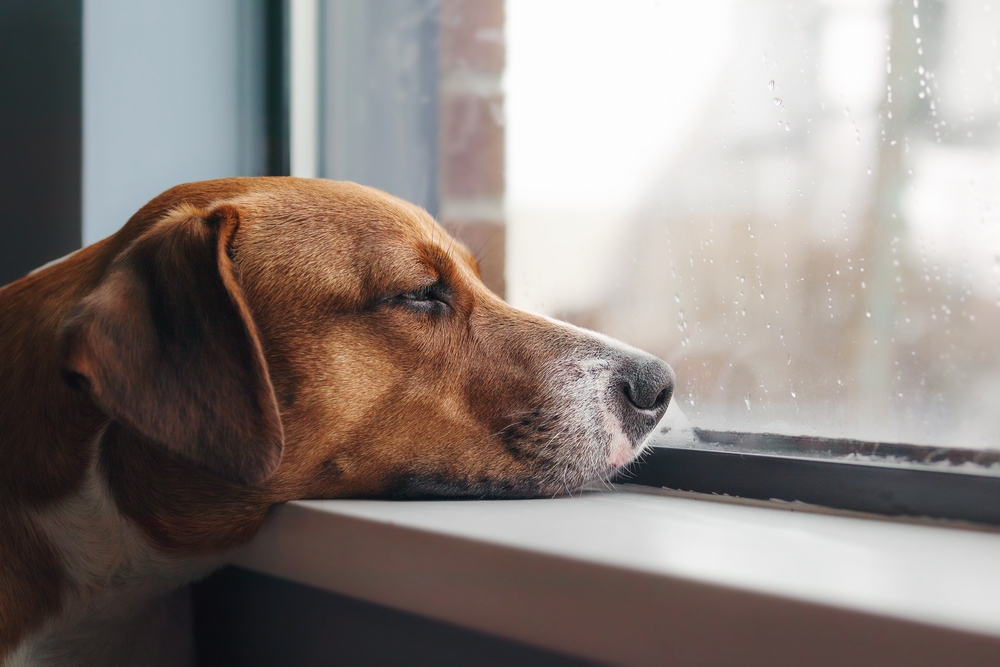
Caring for an anxious dog requires patience and understanding. Anxiety in dogs can stem from various factors such as past trauma, lack of socialization, or changes in their environment. Providing a stable and loving environment is crucial for helping your furry friend feel safe and secure. Here are some tips to help you care for an anxious dog.
Daily Routine Tips
Maintaining a consistent daily routine is essential for anxious dogs. Regular meal times, walks, and play sessions can provide a sense of predictability. This helps reduce anxiety. Ensure your dog gets enough physical exercise. This can help burn off nervous energy. Mental stimulation is also important. Use puzzle toys or training exercises to keep their mind engaged.
Building Trust
Building trust with your anxious dog is a gradual process. Spend quality time together to strengthen your bond. Use positive reinforcement techniques. Reward your dog with treats and praise for good behavior. Avoid punishment, as it can increase anxiety. Create a safe space in your home where your dog can retreat. This could be a cozy bed or a quiet corner. This gives them a place to relax.
Frequently Asked Questions
Can Anxiety Cause Serious Health Issues In Dogs?
Yes, anxiety can lead to serious health issues in dogs. Chronic anxiety may cause digestive problems, weakened immunity, and heart issues.
What Are Signs Of Anxiety In Dogs?
Common signs include excessive barking, panting, pacing, destructive behavior, and aggression. Other signs are drooling, trembling, and hiding.
How Can I Help My Dog With Anxiety?
Provide a calm environment, regular exercise, and mental stimulation. Consult a vet for possible medications or therapies.
Is It Common For Dogs To Have Anxiety?
Yes, many dogs experience anxiety. It’s a common issue that can be managed with proper care and attention.
Conclusion
Anxiety in dogs can be serious. Watch for signs and seek help. Consult a vet for proper treatment. With care, dogs can live happily. Understanding and support make a big difference. Remember, your dog’s well-being is vital. Keep them calm and loved.
Anxiety doesn’t have to be fatal. Take action early for their health. Your dog depends on you. Be proactive, and they will thrive.