Last Updated on September 7, 2026
Yes, calming treats can be safe for cats. These treats often contain natural ingredients that help reduce stress.
However, not all treats are created equal. Cats can get anxious due to various reasons, like trips to the vet or changes at home. To help, many pet owners turn to calming treats. These treats are designed to soothe your furry friend.
They usually include ingredients like chamomile, valerian root, and L-theanine. But are they really safe? It’s important to know what’s in these treats and how they affect your cat. Understanding the benefits and potential risks will help you make an informed decision. This blog will explore the safety and effectiveness of calming treats for cats.
Credit: www.undertheweatherpet.com
Introduction To Calming Treats
Cats can often experience stress and anxiety, just like humans. This is where calming treats come in handy. They are designed to help your feline friend relax. But are they safe? This blog post will explore the safety and benefits of calming treats for cats.
What Are Calming Treats?
Calming treats are special snacks for cats. They contain ingredients that help reduce stress. These treats usually come in tasty flavors that cats love. They are easy to give and can be a part of your cat’s daily routine.
Purpose Of Calming Treats
Calming treats aim to lower anxiety in cats. They can be useful during stressful events. Examples include vet visits, car rides, or changes at home. By helping cats stay calm, these treats can improve their overall well-being.
Ingredients In Calming Treats
Calming treats can help reduce stress and anxiety in cats. But what are they made of? Understanding the ingredients is key to knowing if these treats are safe. Let’s explore the common ingredients and the difference between natural and synthetic ones.
Common Ingredients
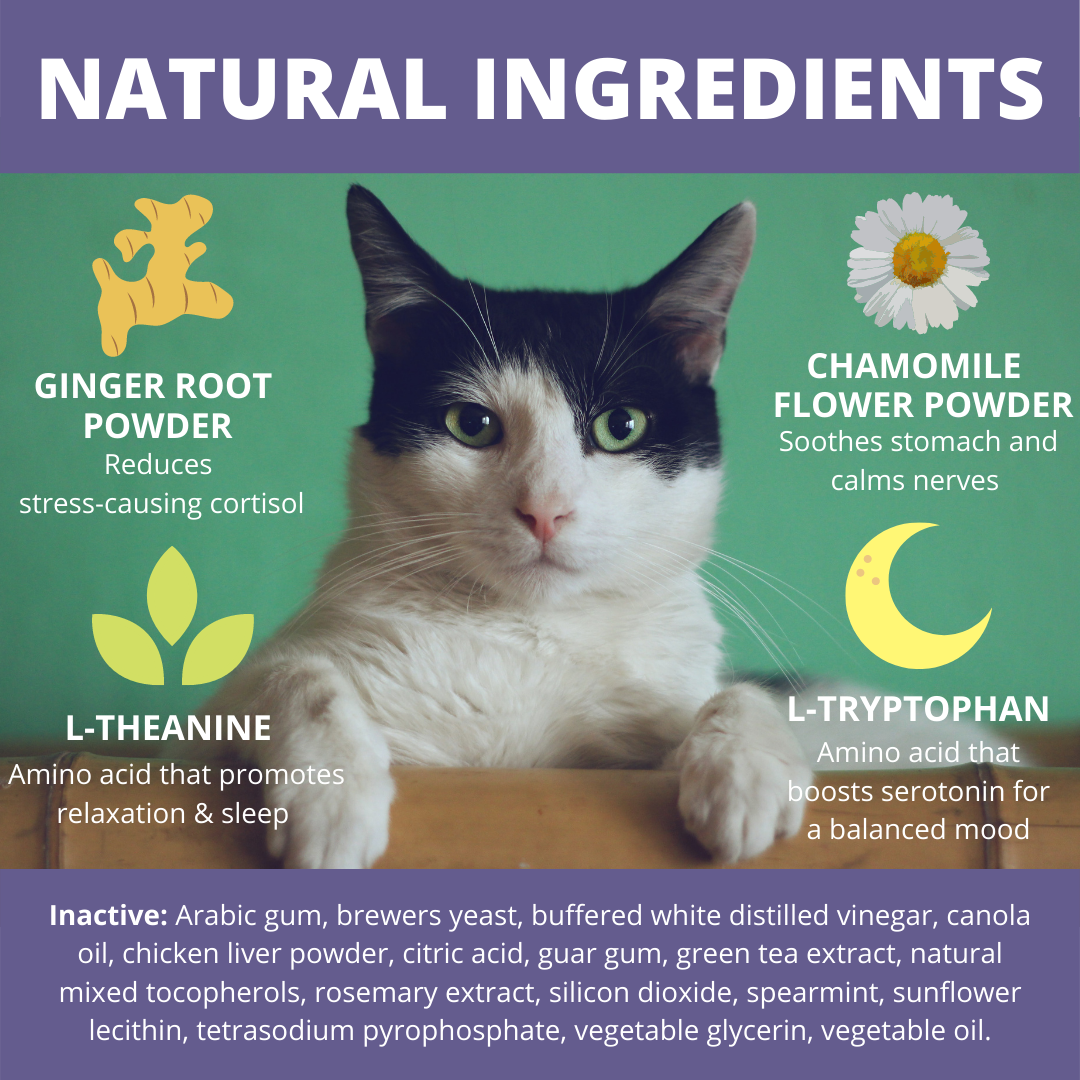
Common ingredients in calming treats include amino acids, herbs, and vitamins. Amino acids like L-theanine and L-tryptophan help promote relaxation. Herbs such as chamomile and valerian root are known for their calming effects. Vitamins like B1 and B6 support the nervous system.
These ingredients work together to reduce anxiety in cats. They help cats feel more relaxed and calm. Always check the ingredient list to ensure the treat contains safe and effective components.
Natural Vs Synthetic Ingredients
Calming treats can contain natural or synthetic ingredients. Natural ingredients come from plants and animals. They are often gentler on your cat’s system. Examples include chamomile, valerian root, and L-theanine from green tea.
Synthetic ingredients are man-made. They can be effective but might cause side effects. Synthetic versions of amino acids or vitamins are common. Always consult your vet before choosing a treat with synthetic ingredients.
Choosing the right ingredient type depends on your cat’s needs. Natural ingredients are usually safer, but synthetic ones can be stronger. Always prioritize your cat’s health and safety.
Safety Of Calming Treats
Calming treats can help cats feel more relaxed. They are often used during stressful times. Many cat owners ask about their safety. This is a valid concern. Let’s explore the safety of these treats in detail.
Potential Side Effects
Calming treats are generally safe. But, some cats may experience side effects. These can include digestive issues. An upset stomach or diarrhea is possible. It is rare but can happen.
Increased sleepiness is another side effect. Some cats might seem more tired. This is usually not a concern. But, monitor your cat closely.
Signs Of Adverse Reactions
Watch your cat after giving calming treats. Signs of adverse reactions include vomiting. Also, look for changes in behavior. If your cat acts unusually, stop giving the treats.
Check for signs of allergies. Itching, swelling, or breathing problems are serious. Seek vet help immediately if you notice these signs.
Expert Opinions
Many cat owners ask if calming treats are safe for their pets. Experts offer valuable insights to help you make an informed decision. Let’s look at what veterinarians and pet nutritionists say.
Veterinarian Insights
Veterinarians often recommend calming treats for stressed cats. They believe these treats can help in reducing anxiety. Dr. Sarah Williams, a licensed veterinarian, says that calming treats are generally safe. She advises checking the ingredient list. This ensures no harmful substances are present.
Common safe ingredients include:
- Valerian Root
- Chamomile
- L-Theanine
Dr. Williams suggests using treats with these ingredients. She also recommends not exceeding the dosage. Overuse can lead to side effects like drowsiness.
Pet Nutritionist Views
Pet nutritionists analyze the nutritional value of calming treats. John Smith, a certified pet nutritionist, emphasizes the importance of quality. He advises choosing treats with natural ingredients.
Smith suggests looking for treats that are free from:
- Artificial flavors
- Colors
- Preservatives
He also recommends treats that contain added vitamins. These can enhance your cat’s overall health. Omega-3 fatty acids are particularly beneficial. They support both mental and physical well-being.
In summary, experts agree. Calming treats can be safe and effective. Always consult your veterinarian and check the ingredients. This ensures the best care for your beloved pet.
Choosing The Right Calming Treats
Choosing the right calming treats for your cat can be a daunting task. With numerous options available, it’s essential to know what to look for. The right treats can help reduce your cat’s anxiety and improve their overall well-being.
Quality Indicators
Check the ingredient list first. Look for natural ingredients without artificial additives. Ingredients like chamomile, valerian root, and L-theanine are beneficial. Avoid fillers, by-products, and artificial preservatives. Also, consider the treat’s nutritional value. It should complement your cat’s diet, not replace it.
Another quality indicator is the treat’s form. Soft chews are easier for cats to eat. They are also more likely to be accepted by picky eaters. Make sure the treats are easy to break into smaller pieces if needed.
Reputable Brands
Choosing reputable brands is crucial. Look for brands with positive reviews and testimonials. Brands that provide transparent information about their sourcing and manufacturing processes are trustworthy. Well-known brands often invest in research and testing to ensure their products are safe.
Consult your veterinarian for recommendations. They can suggest brands that have proven effective. They can also advise on the best type of calming treat for your cat’s specific needs.

Credit: www.pethonesty.com
Dosage And Administration
Understanding the proper dosage and administration of calming treats is crucial for your cat’s safety and well-being. This section will guide you through the correct dosage and administration practices to ensure your cat remains calm without any adverse effects.
Proper Dosage
Each cat is unique, so the correct dosage of calming treats may vary. Always check the packaging for recommended dosages. These are usually based on your cat’s weight and age. Here is a simple table to help you understand:
| Cat Weight | Dosage |
|---|---|
| Up to 5 lbs | 1 treat |
| 5-10 lbs | 2 treats |
| 10-15 lbs | 3 treats |
| 15+ lbs | 4 treats |
Never exceed the recommended dosage. Doing so could harm your cat. If uncertain, consult your vet before giving your cat calming treats.
Best Practices For Administration
Administering calming treats correctly ensures their effectiveness. Follow these best practices for a smooth process:
- Give treats before stressful events like vet visits or car rides.
- Offer treats in a calm and quiet environment.
- Ensure your cat has access to water after taking the treats.
Monitor your cat for any adverse reactions. If your cat seems lethargic or unwell, stop giving the treats and consult your vet.
Remember, calming treats should complement other calming strategies. Providing a safe space and maintaining a routine are also important.
Alternatives To Calming Treats
Calming treats can help reduce anxiety in cats, but they are not the only solution. Some pet owners may seek alternatives due to concerns over ingredients or effectiveness. There are several other methods to help soothe your feline friend.
Behavioral Techniques
Behavioral techniques can be highly effective for calming cats. These methods do not involve any medication or treats.
- Interactive Play: Regular play sessions can help reduce stress and anxiety in cats. Toys like feather wands or laser pointers can be very engaging.
- Safe Spaces: Create a designated safe space where your cat can retreat to when feeling stressed. This could be a quiet room or a cozy corner with a blanket.
- Routine: Cats thrive on routine. Feeding them at the same times each day can provide a sense of security.
- Training: Positive reinforcement training can help manage anxiety. Reward your cat with treats or affection when they exhibit calm behavior.
Natural Remedies
Natural remedies are another option for cat owners who prefer not to use calming treats.
| Remedy | Description |
|---|---|
| Catnip | Catnip can have a calming effect on some cats. Offer it in toys or sprinkle it on their bedding. |
| Feliway | Feliway is a synthetic pheromone that mimics the natural pheromones cats produce. It can be used in diffusers or sprays to create a calming environment. |
| Herbal Supplements | Herbal supplements like chamomile or valerian root can help reduce anxiety. Always consult your vet before giving any new supplement to your cat. |
These alternatives can be very effective and can be used alongside behavioral techniques to provide a comprehensive approach to calming your cat. Always monitor your cat’s response to any new method and consult with your vet for personalized advice.
:strip_icc()/sps-tier-3-vetriscience-composure-calming-treats-cats-ahuang-1732-23880a50c00a48fab44ed5bb559eb689.jpeg)
Credit: www.thesprucepets.com
Frequently Asked Questions
Are Calming Treats Safe For Cats?
Yes, calming treats are generally safe for cats when used correctly. Always follow the recommended dosage. Consult your vet if unsure.
What Are Calming Treats Made Of?
Calming treats typically contain natural ingredients like chamomile, valerian root, and L-theanine. These ingredients help reduce stress and anxiety.
How Often Can Cats Have Calming Treats?
The frequency depends on the product’s guidelines. Usually, it’s safe to give calming treats daily. Always follow the manufacturer’s instructions.
Can Calming Treats Cause Side Effects?
Side effects are rare but possible. Some cats might experience mild digestive upset. Always monitor your cat after giving a new treat.
Conclusion
Calming treats for cats can be safe when used properly. Consult your vet first. They help reduce anxiety and stress. Monitor your cat’s reaction closely. Always choose high-quality products. Safety and effectiveness depend on ingredients. Research and reviews guide your choices.
Keep your furry friend happy and calm. Safe treats make a difference. Your cat’s well-being comes first.