Last Updated on September 13, 2026
Cat litter is essential for cat owners. But is it bad for the environment?
Many types of cat litter can harm the earth. Traditional clay litter requires strip mining, which damages landscapes. Some litters contain chemicals that can pollute water. Even biodegradable litters have drawbacks. They often end up in landfills, where they do not decompose as expected.
Understanding the environmental impact of your cat’s litter can help you make better choices. We will explore how different types of cat litter affect our planet and what alternatives might be kinder to the environment. Making informed decisions about cat litter can lead to a healthier planet for all.
Introduction To Cat Litter And The Environment
Cat litter can impact the environment in various ways. Some types, like clay-based litter, are not biodegradable. Sustainable options, such as biodegradable litters, help reduce environmental harm.
Cat litter is a common household item for cat owners. It helps manage waste and keeps homes clean. But have you ever thought about its impact on the environment?Purpose Of Cat Litter
The main purpose of cat litter is to absorb cat waste. It controls odor and makes cleaning easier. Different types of cat litter exist, including clay, silica, and biodegradable options. Each type has its own benefits and drawbacks.Environmental Concerns
Many cat litters are made from clay, which is mined. This process can be harmful to the environment. Mining disrupts ecosystems and requires significant energy. Non-biodegradable litters also add to landfill waste. They do not break down easily, contributing to long-term pollution. Biodegradable options are available. They are made from natural materials like wood, paper, or corn. These can be a more eco-friendly choice. But even biodegradable litter can have an impact if not disposed of properly. Considering these factors, choosing the right cat litter becomes essential. It helps minimize the environmental footprint of owning a cat. “`Types Of Cat Litter
Choosing the right cat litter can make a big impact on the environment. Understanding the different types of cat litter helps in making an eco-friendly decision. Each type has its pros and cons. Let’s explore some common types of cat litter available in the market.
Clay-based Litter
Clay-based litter is popular and widely used. It is known for its clumping ability. This type of litter is made from bentonite clay. The clay is mined, which can be harmful to the environment. Mining processes can damage ecosystems and landscapes. Clay-based litter is also non-biodegradable. This means it does not break down naturally. It contributes to landfill waste.
Silica Gel Litter
Silica gel litter is another option for cat owners. It is made from silica crystals. These crystals absorb moisture effectively. Silica gel litter lasts longer than clay-based litter. It reduces the frequency of litter changes. But, it is also non-biodegradable. Silica gel litter does not break down in landfills. It can be harmful to the environment over time.
Biodegradable Litter
Biodegradable litter is an eco-friendly choice. It is made from natural materials. These materials include corn, wheat, and recycled paper. Biodegradable litter breaks down naturally. It reduces landfill waste and is compostable. This type of litter is safe for the environment. It provides a sustainable option for cat owners. Biodegradable litter is becoming more popular as people seek greener choices.
Clay-based Litter Impact
Cat litter is a common household item, but its environmental impact is often overlooked. Clay-based litter is one of the most popular types. This section explores its effects on the environment.
Mining And Extraction
Clay-based cat litter comes from strip mining. This process involves removing large sections of land to extract clay. The environmental consequences are significant:
- Habitat Destruction: Strip mining destroys natural habitats and displaces wildlife.
- Soil Erosion: Removing topsoil leads to erosion, which affects plant growth and water quality.
- Water Pollution: Mining operations can contaminate nearby water sources with chemicals and sediments.
These factors contribute to long-term environmental damage. The extraction process is not sustainable and harms ecosystems.
Waste And Disposal Issues
Disposing of clay-based litter poses further environmental challenges. Most clay litter is not biodegradable. This means it does not break down naturally over time. Instead, it accumulates in landfills, creating several issues:
- Landfill Space: Non-biodegradable litter takes up valuable landfill space, contributing to waste management problems.
- Methane Emissions: Decomposing organic waste in landfills produces methane, a potent greenhouse gas. While clay itself does not decompose, it often contains feces and urine, which do.
- Chemical Leaching: Some clay litters contain chemicals that can leach into the soil and water, causing pollution.
These waste and disposal issues highlight the need for more sustainable alternatives to clay-based cat litter.

Credit: wagwalking.com
Silica Gel Litter Impact
Silica gel litter, often marketed for its superior odor control and absorption, poses significant environmental concerns. Understanding the environmental impact of silica gel litter involves examining its production process and overall environmental footprint.
Production Process
Silica gel litter production involves mining quartz sand. This sand is then processed to create silica gel. The mining process is energy-intensive and disrupts ecosystems. The conversion of quartz sand to silica gel requires substantial energy. This adds to the carbon footprint of silica gel litter.
Environmental Footprint
Silica gel litter does not biodegrade. It accumulates in landfills, contributing to long-term waste. This non-biodegradable nature means it stays in the environment indefinitely. The production of silica gel also emits harmful pollutants. These pollutants can affect air and water quality.
Below is a table summarizing the environmental impacts of silica gel litter:
| Impact | Description |
|---|---|
| Energy Consumption | High energy use in mining and processing |
| Waste Accumulation | Non-biodegradable, long-term landfill waste |
| Pollutant Emission | Releases pollutants during production |
Switching to more eco-friendly options can reduce these impacts. Consider alternatives like biodegradable litter. These options offer a more sustainable choice.
Biodegradable Litter Benefits
Biodegradable cat litter is a great option for eco-conscious pet owners. It is made from natural materials that break down easily. This reduces the environmental impact compared to traditional clay-based litters. Let’s explore some of the key benefits of biodegradable litter.
Natural Ingredients
Many biodegradable litters use natural ingredients. Common materials include corn, wheat, and pine. These materials are renewable and sustainable. They do not require mining, unlike clay litters.
Natural ingredients are also safer for cats. They do not contain harmful chemicals. This reduces the risk of allergies and respiratory issues in pets.
Composting Potential
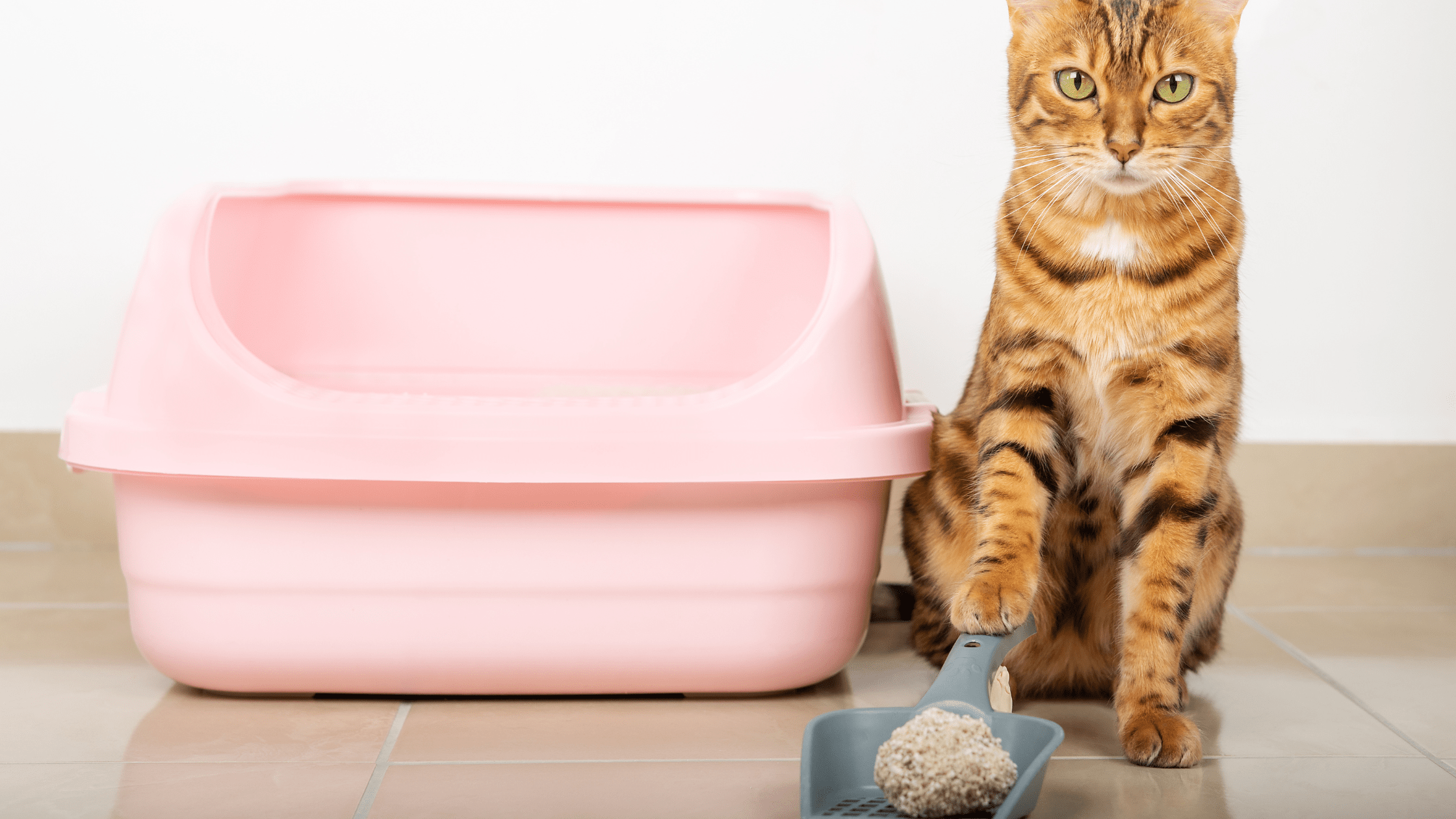
One major benefit of biodegradable litter is its composting potential. Unlike clay litter, biodegradable litter can be added to compost piles. This helps reduce waste and enriches the soil.
Here is a simple table showing the composting potential of different biodegradable materials:
| Material | Composting Potential |
|---|---|
| Corn | High |
| Wheat | High |
| Pine | Medium |
Adding biodegradable litter to compost helps reduce landfill waste. It also provides a rich source of nutrients for garden soil.
Remember to check local guidelines for composting pet waste. Not all areas allow it due to health concerns.
Credit: thekindpet.com
Health Concerns For Cats And Owners
Cat litter impacts the environment. It contributes to landfill waste and can harm ecosystems. Choose eco-friendly options to reduce this impact.
Cats and their owners share close living spaces. This means that cat litter can impact both the health of the cat and the owner. Understanding the potential health risks can help make informed choices about cat litter.Dust And Allergies
Dust from cat litter can cause health issues. It can irritate the eyes, nose, and throat. Some cats and owners may develop allergies. Symptoms include sneezing, coughing, and itchy eyes. Dust can also trigger asthma attacks. Using low-dust or dust-free litter can help reduce these problems.Chemical Exposure
Some cat litters contain chemicals. These can harm both cats and humans. For example, silica dust in some litters can be dangerous. Long-term exposure may lead to respiratory issues. Cats may ingest chemicals when they groom their paws. This can lead to digestive problems. Choosing natural, chemical-free litters can help minimize these risks.Eco-friendly Alternatives
Choosing cat litter is not just about your pet’s comfort. It also impacts the environment. Many cat litters contain harmful chemicals. They can harm nature. Fortunately, there are eco-friendly alternatives. These options reduce waste and pollution. They also help protect our planet.
Sustainable Brands
Some brands focus on sustainability. They offer cat litter made from natural materials. Look for products made from recycled paper or plant-based materials. These options break down easily. They do not leave harmful residues. Some popular brands include World’s Best Cat Litter and Ökocat. They use renewable resources. They also avoid chemicals that can hurt the environment.
Homemade Solutions
Homemade cat litter is another eco-friendly option. You can use shredded newspaper. It absorbs moisture well. It also helps reduce waste. Another option is sawdust. It controls odors naturally. You can get it from local woodworkers. You can also try using sand. It is easy to find. It is also biodegradable. These homemade solutions are cheap. They are also safe for the environment.
Conclusion And Recommendations
Cat litter can harm the environment. Opt for eco-friendly litter options. Consider recycling and proper disposal methods to lessen the impact.
In the quest to understand if cat litter is bad for the environment, we need clear conclusions. Making informed choices can significantly help reduce the impact of cat litter on our planet. Below are some key points and recommendations to consider.Making Informed Choices
Choosing eco-friendly cat litter is a great start. Look for products made from natural materials. Options like recycled paper, corn, and wood are better. They break down faster and do not harm the environment. Avoid clay-based litters. They involve strip mining, which damages landscapes and habitats. Biodegradable litters can also reduce the waste that ends up in landfills.Future Of Cat Litter
The future of cat litter looks promising. Manufacturers are exploring sustainable materials. Innovations in cat litter technology are ongoing. New products aim to be both effective and environmentally friendly. Supporting these advancements can make a big difference. By choosing sustainable options, you help drive demand for better products. This can lead to wider adoption and more eco-friendly options in the market. Every small step counts. Make the switch today for a cleaner tomorrow. “`
Credit: curiouscatcompany.com
Frequently Asked Questions
How Does Cat Litter Affect The Environment?
Cat litter can harm the environment by contributing to landfill waste. Some types, like clay-based litter, are not biodegradable.
Are There Eco-friendly Cat Litter Options Available?
Yes, many eco-friendly cat litter options are available. These include biodegradable materials like recycled paper, wood, and corn.
Can I Compost Used Cat Litter?
It depends on the type of litter. Biodegradable cat litter can be composted, but waste should be removed first.
What Are The Best Biodegradable Cat Litters?
Biodegradable cat litters made from materials like paper, wood, and corn are considered the best for the environment.
Conclusion
Choosing eco-friendly cat litter helps protect our environment. Traditional options can harm nature. Biodegradable litters are a better choice. They reduce waste and pollution. Simple changes make a big difference. Always research litter ingredients. Opt for natural, non-toxic materials. Your cat and planet will thank you.
Small steps lead to a healthier world. Make informed choices for your furry friend. Let’s all play a part in preserving nature.