Last Updated on September 9, 2026
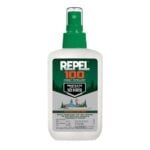
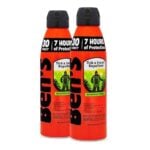
Yes, DEET can be toxic to dogs. DEET is a common ingredient in insect repellents.
When applied to dogs, it can cause harmful reactions. As pet owners, we always want to protect our furry friends from pests. But, using the wrong products can harm them. DEET, found in many bug sprays, is not safe for dogs.
It can lead to drooling, vomiting, and even seizures. Understanding the risks and choosing safer alternatives is key. This blog will dive into why DEET is dangerous for dogs and what you can use instead. Keep reading to ensure your pet stays safe and healthy.
Understanding Deet
Deet is a common ingredient in insect repellents. People use it to keep away mosquitoes, ticks, and other bugs. But is it safe for dogs? To answer that, we need to understand what Deet is and how people use it.
What Is Deet?
Deet stands for N,N-Diethyl-meta-toluamide. It is a chemical used in many bug sprays. Scientists created Deet in 1946 for the military. Today, it is found in many products.
Deet works by confusing insects. It masks the smells that attract them. This keeps bugs from biting.
Uses Of Deet
Deet is popular for outdoor activities. It helps in areas with many insects. You can find Deet in:
- Bug sprays
- Lotions
- Wipes
- Bracelets
These products come in different strengths. Some have more Deet than others. Higher amounts can be more effective but also riskier.
People use Deet to avoid insect bites. Bites can cause discomfort and diseases. By using Deet, they protect themselves while enjoying the outdoors.
Though useful for humans, Deet can be harmful to dogs. It is important to know the risks before using it around pets.
Deet And Dogs
Deet is a popular insect repellent for humans. But is it safe for dogs? Many dog owners wonder about the potential dangers of Deet. Understanding the risks can help keep your furry friend safe.
Potential Toxicity
Deet can be toxic to dogs. Even small amounts can cause problems. Dogs might lick the repellent off their fur. This can lead to ingestion. Ingesting Deet is dangerous for dogs. It affects their nervous system.
Here is a table highlighting the potential toxicity levels in dogs:
| Amount of Deet | Effect on Dogs |
|---|---|
| Less than 10% | May cause mild irritation |
| 10%-50% | Moderate to severe symptoms |
| More than 50% | Potentially fatal |
Symptoms Of Deet Poisoning
Watch for signs of Deet poisoning in dogs. Symptoms can appear quickly. They may include:
- Vomiting: Dogs may vomit after ingesting Deet.
- Drooling: Excessive drooling is a common symptom.
- Tremors: Dogs might shake or tremble.
- Seizures: Severe cases can lead to seizures.
- Skin Irritation: Deet can cause rashes or redness on the skin.
If your dog shows any of these symptoms, seek help. Contact your vet immediately. Quick action can save your pet’s life.
Safe Usage Practices
When using DEET around dogs, safety is crucial. DEET, a common insect repellent, can be toxic to dogs if used improperly. Understanding how to use DEET safely can prevent harmful exposure and keep your furry friend healthy. This section covers safe usage practices for DEET to protect your pets.
Avoiding Exposure
Preventing your dog from coming into contact with DEET is essential. Follow these tips to avoid exposure:
- Store DEET products out of reach of pets.
- Apply DEET in well-ventilated areas away from dogs.
- Do not apply DEET directly on your dog’s skin or fur.
- Wash your hands thoroughly after using DEET.
Alternative Solutions
If you need to protect your dog from insects, consider these alternatives:
- Natural insect repellents: Use products with ingredients like citronella or lavender.
- Dog-specific repellents: These are formulated to be safe for pets.
- Regular grooming: Keeping your dog’s coat clean can help reduce pests.
- Protective clothing: Use pet-safe clothing to shield your dog from insects.
| Product Type | Ingredients | Safety for Dogs |
|---|---|---|
| Natural Repellent | Citronella, Lavender | Safe |
| Dog-Specific Repellent | Pet-safe chemicals | Safe |
| Human DEET Repellent | DEET | Toxic |

Credit: www.verifythis.com
Natural Repellents
Natural Repellents can be an excellent alternative to DEET for keeping your furry friend safe. Many pet owners are turning to natural solutions that are both effective and safe. Below are some popular options you might consider.
Essential Oils
Many essential oils work well as natural repellents. Lavender, eucalyptus, and peppermint are popular choices. These oils can be mixed with water and sprayed on your dog’s fur. Always dilute essential oils to avoid irritation.
Lavender: Known for its calming properties, lavender also repels insects.
Eucalyptus: This oil is effective against mosquitoes and ticks.
Peppermint: Peppermint oil can deter fleas and mosquitoes.
| Essential Oil | Repels |
|---|---|
| Lavender | Mosquitoes, Fleas |
| Eucalyptus | Mosquitoes, Ticks |
| Peppermint | Fleas, Mosquitoes |
Herbal Options
Herbs can also serve as effective natural repellents. Basil, rosemary, and chamomile are commonly used. These herbs can be planted in your garden or used in homemade sprays.
- Basil: Repels mosquitoes and other flying insects.
- Rosemary: Effective against fleas and ticks.
- Chamomile: Keeps mosquitoes at bay and has calming effects.
Using natural repellents ensures your dog stays safe and free from harmful chemicals. It’s a win-win for both you and your furry friend.
Emergency Measures
If your dog has been exposed to DEET, you need to act fast. DEET can be toxic to dogs and may cause severe reactions. Taking quick and appropriate steps can save your dog’s life. Here are some emergency measures to follow:
Immediate Actions
First, remove your dog from the contaminated area. If the DEET is on their fur or skin, wash it off with mild soap and water. Use lukewarm water to avoid shock. Make sure to rinse thoroughly.
Next, keep your dog calm. Panic can worsen their condition. Offer water to drink but do not force it. Hydration is crucial.
If your dog has ingested DEET, do not induce vomiting. This can cause more harm. Instead, seek professional help immediately.
When To See A Vet
Contact your veterinarian right away if your dog shows any signs of distress. Symptoms of DEET poisoning may include:
- Excessive drooling
- Vomiting
- Seizures
- Unsteady gait
- Difficulty breathing
These symptoms require urgent veterinary care. Do not wait for them to pass. The sooner your dog receives treatment, the better their chances of recovery.
Bring the DEET product packaging with you to the vet. This helps them understand the exposure level. Follow all vet instructions carefully for the best outcome.

Credit: www.aspcapro.org
Preventive Tips
Ensuring the safety of your furry friend is crucial, especially when it comes to potential toxins like DEET. Here are some preventive tips to keep your dog safe from DEET exposure.
Regular Checks
Performing regular checks on your dog’s skin can help you spot any unusual signs. Look for rashes, redness, or unusual behavior which might indicate DEET exposure.
Make it a habit to check their fur and paws after walks, especially in areas where insect repellent might be used. Early detection of any issues can prevent severe health problems.
Safe Environments
Creating a safe environment is essential in preventing DEET toxicity. Avoid using DEET-based products in areas where your dog spends time.
Consider using natural alternatives for insect repellents. Essential oils like lavender or eucalyptus can be effective and safe for dogs.
Here’s a table summarizing safe and unsafe environments for dogs:
| Safe Environments | Unsafe Environments |
|---|---|
| Home with natural repellents | Areas sprayed with DEET |
| Parks with pet-safe zones | Gardens with chemical treatments |
Always read labels carefully before applying any product in your home. Ensure it is pet-friendly to avoid accidental poisoning.
Keeping your dog’s environment safe and performing regular checks can significantly reduce the risk of DEET toxicity.

Credit: aercmn.com
Frequently Asked Questions
Is Deet Harmful To Dogs?
Yes, Deet is harmful to dogs. It can cause vomiting, drooling, and seizures. Always keep Deet products away from pets.
What Are The Symptoms Of Deet Poisoning In Dogs?
Symptoms of Deet poisoning in dogs include vomiting, drooling, tremors, and seizures. Seek veterinary care immediately if you suspect exposure.
Can I Use Deet Insect Repellent On My Dog?
No, you should not use Deet insect repellent on your dog. It is toxic and can cause serious health issues.
How To Protect Dogs From Mosquitoes Without Deet?
Use pet-safe insect repellents, keep them indoors during peak mosquito hours, and eliminate standing water to reduce mosquito breeding.
Conclusion
Deet can be harmful to dogs if not used properly. Always read labels carefully. Use pet-safe repellents instead. Consult your vet for safer alternatives. Protect your furry friend from toxic exposure. Their health depends on your choices. Stay informed and cautious.
This ensures a happy, healthy pet.