Last Updated on September 10, 2026
Creating a DIY porch potty for dogs can be a game-changer. It offers convenience and keeps your home clean.
Are you tired of taking your dog outside, especially during bad weather? A porch potty can be the perfect solution. It provides a designated spot for your dog to relieve themselves without leaving the house. You can build one yourself with simple materials and a bit of effort.
This project not only saves money but also gives you a custom solution tailored to your space. Whether you live in an apartment or have a small backyard, a DIY porch potty can make life easier for you and your furry friend. Let’s dive into the steps to create this handy setup.
Benefits Of A Porch Potty
A porch potty for dogs offers numerous advantages for both pets and their owners. It is a convenient and comfortable solution that makes pet care easier. Let’s explore the key benefits of having a porch potty for your dog.
Convenience For Pet Owners
Pet owners appreciate how a porch potty saves time. There’s no need for late-night walks. Rainy days are no longer an issue. The porch potty is always accessible. It also keeps your yard cleaner. No more unsightly messes on the lawn. Cleaning a porch potty is quick and easy.
Comfort For Dogs
Dogs find the porch potty comfortable. It mimics natural grass. This makes it familiar and appealing. It is also a safe space for them. They can use it anytime, day or night. Older dogs benefit greatly. They don’t have to navigate stairs or long distances. It’s a relief for their joints. Young puppies also adapt well. It aids in house-training. They learn where to go more quickly.

Credit: www.youtube.com
Choosing The Right Location
Choosing the right location for your DIY porch potty for dogs is crucial. It ensures your dog uses it effectively and keeps your home clean. Location impacts space, safety, and accessibility for both you and your pet.
Space Considerations
First, assess the available space on your porch. Measure the area where you plan to place the potty. Ensure it fits comfortably without obstructing walkways. A cramped space can make your dog hesitant to use it. Consider the size of your dog. Larger dogs need more space to move around. Small dogs can manage with a smaller area. Balance is key to creating a welcoming environment.
Safety And Accessibility
Safety is a top priority. Choose a spot that is easy for your dog to access. Avoid areas near stairs or ledges where your dog might fall. Ensure the space is sheltered from extreme weather. Rain or snow can make the potty unusable. Accessibility also matters for cleaning. Pick a location that allows you to clean the potty easily. Regular cleaning prevents odors and keeps the area hygienic. Your dog should feel safe and comfortable using the potty.
Materials Needed
Creating a DIY porch potty for your dog is a rewarding project. It provides your furry friend with a convenient spot to relieve themselves. Before you start, gather the necessary materials. This ensures a smooth and efficient building process.
Essential Supplies
First, you’ll need a sturdy plastic tray. This forms the base of your porch potty. The tray should be large enough for your dog to move around. Next, get artificial grass or turf. This mimics real grass and is easy to clean. Select a piece that fits the size of your tray.
You’ll also need a drainage layer. This can be gravel, pebbles, or even small stones. The drainage layer helps manage any liquid waste. Additionally, have a scoop or rake handy. This helps with easy cleanup of solid waste.
Optional Additions
Consider adding a splash guard. This keeps any spills contained within the tray. You can make this from plastic or wood. Another useful addition is odor control. Use baking soda or specialized odor-eliminating products. These keep the area smelling fresh.
Also, you might want a small fence around the potty. This defines the space for your dog. It can be made from wood or plastic panels. Lastly, think about a training aid. A pheromone spray can help train your dog to use the new potty.
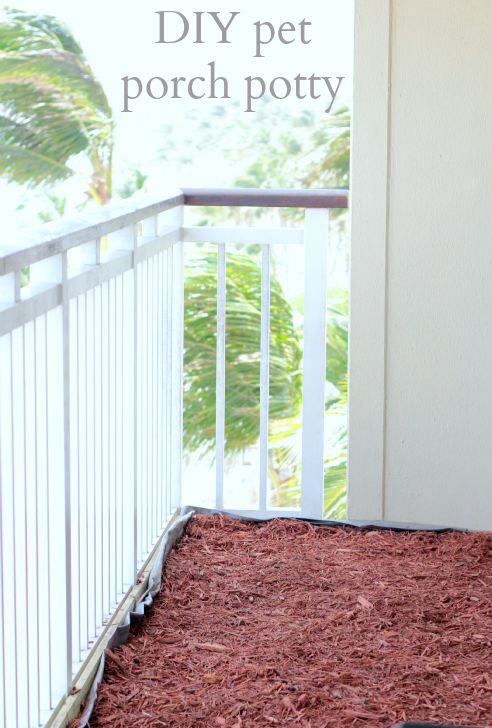
Credit: thespacebetweenblog.net
Step-by-step Construction
Creating a DIY porch potty for your dog can be a rewarding project. It provides a convenient space for your furry friend to relieve themselves. With clear steps, you can build a functional porch potty. Follow this guide to make your own.
Building The Base
Start by choosing a sturdy material for the base. Plywood works well. Cut the plywood to your desired size. Ensure the base is stable and can support your dog’s weight. Next, drill drainage holes in the plywood. These holes prevent water accumulation. Space the holes evenly across the base.
After drilling the holes, place the plywood on a frame. Use treated wood for the frame to avoid rot. Screw the plywood to the frame securely. This step ensures the base is solid and durable. Now, your base is ready for the next step.
Installing The Grass
Choose artificial grass for easy maintenance. Measure and cut the grass to fit the base. Ensure the grass edges align with the base. Lay the grass over the plywood. Secure the grass with outdoor adhesive. Apply the adhesive evenly to avoid bumps.
Press the grass firmly onto the base. Allow the adhesive to dry completely. Once dry, your porch potty is almost ready. For added comfort, place absorbent pads under the grass. These pads will soak up any liquid. Your DIY porch potty is now complete. Your dog will have a dedicated space to use.
Maintenance Tips
Maintaining your DIY porch potty for dogs is essential for keeping it clean and odor-free. Regular maintenance ensures that your furry friend has a hygienic place to relieve themselves. Follow these maintenance tips to make your porch potty last longer and stay fresh.
Cleaning Routine
A consistent cleaning routine is crucial for your porch potty. Clean it daily to prevent build-up of waste. Use a scoop or gloves to remove solid waste. Rinse the potty with water to remove any urine residue.
- Remove solid waste daily.
- Rinse with water after each use.
- Use a gentle soap weekly for a thorough clean.
For a deeper clean, use a mixture of water and mild soap. Scrub the surface gently to avoid damaging the materials. Let it dry completely before allowing your dog to use it again.
Odor Control
Effective odor control keeps your porch potty smelling fresh. Use baking soda to neutralize any lingering smells. Sprinkle a thin layer over the surface and let it sit for a few minutes before rinsing it off.
Enzyme cleaners are also great for breaking down odor-causing bacteria. These cleaners are pet-safe and highly effective. Spray the enzyme cleaner on the potty, let it sit, and then rinse thoroughly.
Ensure proper ventilation in the area where the porch potty is placed. Good airflow helps in reducing odors naturally. If possible, place the potty in a shaded, well-ventilated spot.
| Maintenance Task | Frequency |
|---|---|
| Remove solid waste | Daily |
| Rinse with water | Daily |
| Deep clean with soap | Weekly |
| Use baking soda for odors | Weekly |
| Apply enzyme cleaner | Monthly |

Credit: www.youtube.com
Training Your Dog
Create a DIY porch potty for dogs to make potty training easier. Save time and keep your porch clean with this simple solution. Your dog will love having a designated spot to go.
Training your dog to use a porch potty can be a rewarding experience. It requires patience and consistency. This guide will help you and your dog succeed.Introducing The Porch Potty
Start by placing the porch potty in a familiar area. Let your dog sniff and explore it. Reward your dog with treats and praise. This will create positive associations. Make sure the porch potty is easy to access. Remove any obstacles. Your dog should feel safe and comfortable.Encouraging Consistent Use
Set a regular schedule for potty breaks. Take your dog to the porch potty at the same times each day. Consistency helps your dog learn faster. Praise your dog every time they use the porch potty. Offer treats and verbal encouragement. Make it a positive experience. If your dog has an accident, clean it up without scolding. Redirect them to the porch potty. Patience and positive reinforcement are key. Keep the porch potty clean. Dogs prefer a clean spot to do their business. Regular cleaning will encourage consistent use. “`Customizing Your Porch Potty
Creating a personalized porch potty for your dog can be fun and simple. Customizing it not only makes it unique but also ensures it fits your pet’s needs. Let’s explore some design ideas and personal touches to make your porch potty special.
Design Ideas
Start with the base. Choose a sturdy material like wood or plastic. Wood offers a natural look, while plastic is easy to clean. Next, consider the size. A larger porch potty gives your dog more space to move.
Use a drainage system to keep it clean. Include a tray or pan underneath to catch liquids. Select artificial grass for the surface. It is easy to maintain and feels natural to dogs.
| Material | Pros | Cons |
|---|---|---|
| Wood | Natural, Sturdy | Can rot, Requires maintenance |
| Plastic | Easy to clean, Durable | Less aesthetic |
| Artificial Grass | Feels natural, Low maintenance | Can get hot in sun |
Personal Touches
Add a touch of personality to your porch potty. Paint it with your favorite colors or patterns. Use non-toxic paint to ensure safety.
Consider adding your dog’s name on the porch potty. This makes it clear who it belongs to. You can use stencils or stickers for this.
Add some accessories. Place a small fence around the potty area. This helps keep the potty space neat. Add a few toys to make it more inviting for your dog.
- Paint with vibrant colors
- Add your dog’s name
- Place a small fence
- Include toys
With these ideas, you can create a unique and comfortable space for your dog. Your porch potty will be both functional and stylish.
Common Issues And Solutions
Porch potties for dogs can have common issues like drainage problems and odor control. Solutions include regular cleaning and using odor-absorbing materials.
Creating a DIY porch potty for dogs can be rewarding. Yet, it often brings challenges. Some issues are common but manageable with simple solutions.Dealing With Weather
Weather can be a significant challenge for porch potties. Rain can make the potty area soggy. Snow and ice can make it slippery. Extreme heat can make the potty uncomfortable. To solve these problems, consider a sheltered area. Use a canopy or awning to protect from rain and snow. Provide shade during hot days. Another option is to use artificial grass. It drains well and stays dry.Handling Reluctant Dogs
Some dogs may hesitate to use a porch potty. They may not understand its purpose. Or they might prefer the yard. Encourage them with treats and praise. Show them the potty area and use a command. Be patient and consistent. You can also place some of their waste on the potty. This will signal that it’s a bathroom spot. Training takes time. Stay calm and positive. Your dog will learn eventually. “`Frequently Asked Questions
What Is A Diy Porch Potty?
A DIY porch potty is a homemade pet bathroom solution. It can be placed on a porch or balcony for dogs to use.
How To Make A Porch Potty?
To make a porch potty, use a shallow container, fill it with turf or grass, and add drainage.
Why Use A Porch Potty For Dogs?
A porch potty provides a convenient bathroom spot for dogs. It’s especially useful for apartment dwellers.
What Materials Are Needed For A Porch Potty?
Common materials include a shallow container, artificial turf or grass, and drainage elements like gravel or absorbent pads.
Conclusion
Creating a DIY porch potty for dogs can be very rewarding. It offers convenience and saves time. Your dog will appreciate having a designated spot. You will enjoy a cleaner yard. Building one is simple and cost-effective. Remember, consistency is key in training your dog.
With patience, your dog will learn quickly. Try it out today and enjoy the benefits!