Last Updated on September 26, 2026
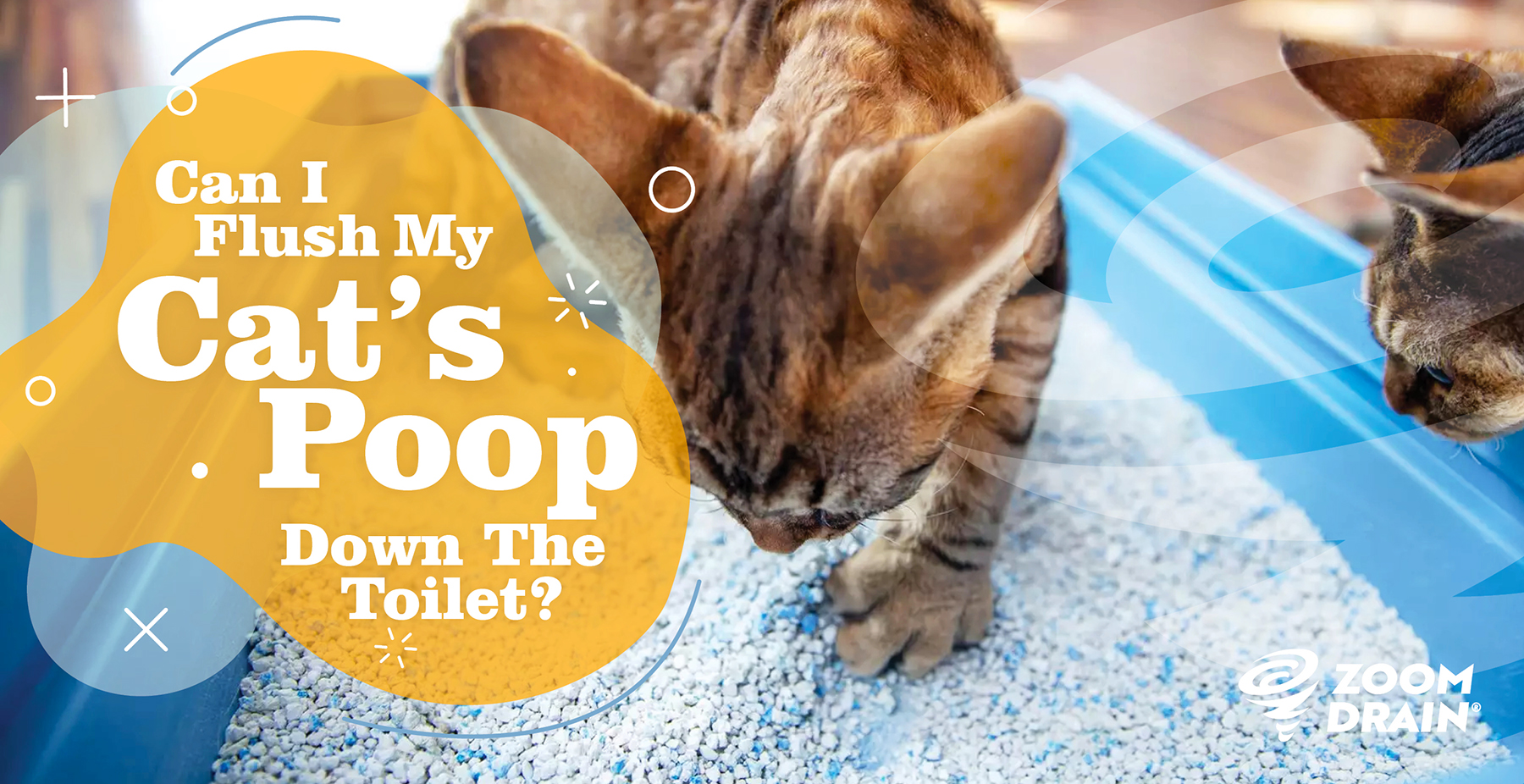
Have you ever wondered if you can flush cat litter down your toilet? It might seem like a quick and easy way to dispose of your cat’s waste, but is it really safe for your plumbing and the environment?
Before you make that flush, there are some important things you need to know. Keep reading to find out the truth about flushing cat litter and how to handle it the right way—your pipes and your furry friend will thank you.

Credit: www.reddit.com
Why Flushing Cat Litter Is Risky
Flushing cat litter might seem like a quick and easy way to get rid of waste. But before you reach for that toilet, it’s important to understand why this habit can be risky. The consequences go beyond just a clogged toilet; they can affect your plumbing, the environment, and even your health.
Plumbing Damage And Blockages
Cat litter is designed to clump and absorb moisture, which makes it perfect for a litter box but a nightmare for plumbing. When flushed, the litter can swell and stick to the pipes, causing blockages that lead to costly repairs.
Many homeowners have shared stories of expensive plumber visits after ignoring this advice. You might save a few seconds by flushing litter, but the damage could cost you hundreds in the long run.
Environmental Concerns
Not all cat litter breaks down easily in water. Clay-based litters, which are common, contain materials that do not dissolve and can harm aquatic life when they reach waterways.
Wastewater treatment plants aren’t always equipped to filter out these particles. This means harmful substances from the litter can end up polluting rivers and lakes, affecting ecosystems far beyond your home.
Health Hazards From Toxoplasmosis
Cat feces can carry a parasite called Toxoplasma gondii, responsible for toxoplasmosis. This parasite is dangerous to pregnant women and people with weakened immune systems.
Flushing litter contaminated with this parasite spreads it to water systems, increasing the risk of infection. Do you really want to contribute to a health hazard that could affect your family and community?
Types Of Cat Litter And Flushability
Cat litter comes in many types. Each type has different properties. These differences affect whether you can flush it safely. Understanding these types helps protect your plumbing and the environment.
Flushability depends on the litter’s material and how it reacts with water. Some litters break down easily, while others can clog pipes or harm sewage systems.
Clumping Vs Non-clumping Litters
Clumping litters contain bentonite clay. This clay forms hard clumps when wet. These clumps do not dissolve in water. Flushing clumping litter can cause pipe blockages. Non-clumping litters absorb moisture but do not clump. They are less likely to cause clogs but may still not be safe to flush.
Biodegradable And Flushable Litters
Biodegradable litters use natural materials like corn, wheat, or wood. These litters break down more quickly than clay types. Many are labeled flushable because they dissolve in water. Still, not all biodegradable litters are safe for all plumbing systems. Proper disposal guidelines should be followed to avoid damage.
Identifying Safe Flushable Products
Look for clear labels that say “flushable” or “septic safe.” These products meet standards for breaking down in water. Check the packaging for instructions on flushing. Avoid flushing litter without these labels to prevent plumbing issues. When uncertain, dispose of litter in the trash.
Safe Disposal Methods For Cat Litter
Cat litter disposal needs care to protect the environment and your home. Not all litter is safe to flush down the toilet. Choosing the right disposal method keeps pipes clear and reduces pollution.
Different types of cat litter require different handling. Knowing safe methods helps you avoid plumbing problems and health risks. Here are some easy ways to dispose of cat litter safely.
Trash Disposal Best Practices
Place used cat litter in a sealed bag before throwing it in the trash. This stops smells and germs from spreading. Use a sturdy bag to avoid leaks or tears. Do not mix litter with food waste or recyclables. Take out the trash regularly to keep your home fresh.
Composting Non-clumping Litter
Some non-clumping litters made from natural materials can compost safely. Avoid litters with chemicals or clay. Composting breaks down the litter into soil-friendly material. Use a separate compost bin for pet waste to prevent bacteria spread. Turn the compost often to speed decomposition and reduce odor.
Using Litter Disposal Systems
Litter disposal systems help trap odor and make cleaning easier. These systems often use special bags that seal tightly. Some have filters to reduce smell. They keep litter contained and simplify trash disposal. Choose a system that fits your cat’s needs and your space.
Credit: www.zoomdrain.com
Tips To Manage Cat Litter Waste
Managing cat litter waste is important for a clean home and a healthy environment. Proper care helps reduce odors and keeps your cat’s area fresh. It also helps avoid plumbing problems and protects water systems. Simple habits can make a big difference in handling cat litter waste effectively.
Regular Cleaning And Maintenance
Clean the litter box daily to remove waste. This stops bad smells and keeps the box tidy. Change all the litter at least once a week. Wash the box with mild soap and water before adding fresh litter. Regular cleaning helps your cat stay healthy and happy.
Reducing Litter Usage
Use the right amount of litter in the box. Too much litter wastes material and makes cleaning harder. Try a litter mat to catch extra granules outside the box. Scoop often to keep litter fresh and reduce the need for big changes. Less litter means less waste to handle.
Choosing Eco-friendly Litter Brands
Pick litter made from natural materials like corn, wheat, or wood. These break down better in the environment. Avoid clumping litters with clay or chemicals that harm water systems. Eco-friendly brands offer safe options for cats and nature. They help reduce landfill waste and pollution.
What To Do If You Flush Cat Litter
Flushing cat litter down the toilet can cause serious plumbing problems. If you accidentally flush cat litter, quick action is important. Knowing what to do can save time, money, and stress.
This section explains how to spot trouble, what to do immediately, and when to call a plumber.
Signs Of Plumbing Issues
Slow draining water is a common sign of a clog. You might hear gurgling sounds from the toilet or drains. Bad odors near drains can also show a problem. Water backup in sinks or toilets means a blockage. Watch out for these signs after flushing cat litter.
Immediate Actions To Prevent Damage
Stop flushing the toilet to avoid more buildup. Use a plunger gently to try clearing the clog. Avoid using chemical drain cleaners; they can damage pipes. Remove excess water with a bucket to prevent overflow. Keep the bathroom ventilated to reduce odors and moisture.
When To Call A Professional
If the clog does not clear after plunging, call a plumber. Continuous slow drainage or backups need expert attention. Plumbing tools can break pipes if used incorrectly. Professionals have the right equipment to fix the problem safely. Early help prevents costly repairs later on.
Credit: www.reddit.com
Frequently Asked Questions
Can You Flush Clumping Cat Litter Safely?
No, flushing clumping cat litter is unsafe. It can clog pipes and damage plumbing. Clumping litter absorbs water and expands, causing blockages in sewage systems.
What Happens If You Flush Cat Litter Down The Toilet?
Flushing cat litter can cause plumbing problems and sewer backups. It may also harm wastewater treatment plants and the environment, as litter contains chemicals and bacteria.
Is Flushing Biodegradable Cat Litter Okay?
Biodegradable cat litter breaks down better but still may harm plumbing. It’s safer to dispose of it in the trash or compost, depending on local regulations.
How Should I Dispose Of Used Cat Litter Properly?
Dispose of used cat litter in a sealed bag and place it in the trash. Avoid flushing or dumping it outdoors to protect plumbing and the environment.
Conclusion
Flushing cat litter can cause serious plumbing problems. Most cat litters do not dissolve in water. They can clog pipes and harm the environment. Always check the litter packaging for disposal instructions. Use trash bins or compost if safe. Protect your home and local water systems.
Choosing the right way to dispose of cat litter keeps things clean and safe. Remember, not all cat litters are flushable. Better safe than sorry. Your pipes will thank you.