Last Updated on June 5, 2026
Are you struggling with fleas and wondering if cornstarch could be the simple solution you need? Fleas can be a real nuisance for you and your pets, and finding an easy, safe way to get rid of them is a top priority.
You might have heard that cornstarch can kill fleas, but does it really work? Keep reading to discover the truth behind this common home remedy and find out what actually helps you get rid of those pesky bugs for good.
Your comfort and your pet’s health depend on it.

Credit: onelittleproject.com
How Fleas Affect Your Home
Fleas are tiny pests that cause big problems in your home. Their bites irritate pets and family members. Fleas also spread quickly and are hard to remove. Understanding their behavior helps you protect your home. It is important to spot fleas early. This reduces discomfort and damage. Learn about their lifecycle and signs of infestation below.
Flea Lifecycle And Behavior
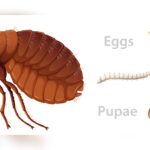
Fleas have four life stages: egg, larva, pupa, and adult. Eggs fall off pets onto floors and carpets. Larvae feed on organic debris in carpets and cracks. Pupae develop inside cocoons, waiting for the right time to hatch. Adults jump on pets to feed on their blood. Fleas can live for months without feeding. They hide in warm and dark places. Fleas reproduce quickly, making infestations worse.
Common Signs Of Infestation
Pets scratching or biting their skin is a main sign. Small red bites on humans may appear. You might see tiny black dots on pet fur or bedding. These dots are flea dirt, or flea feces. Flea eggs and larvae can be found in carpet fibers. Pets may lose hair or have irritated skin. Fleas often cause restlessness in pets and people. Spotting these signs early helps stop the spread.
Credit: www.catster.com
Cornstarch As A Flea Remedy
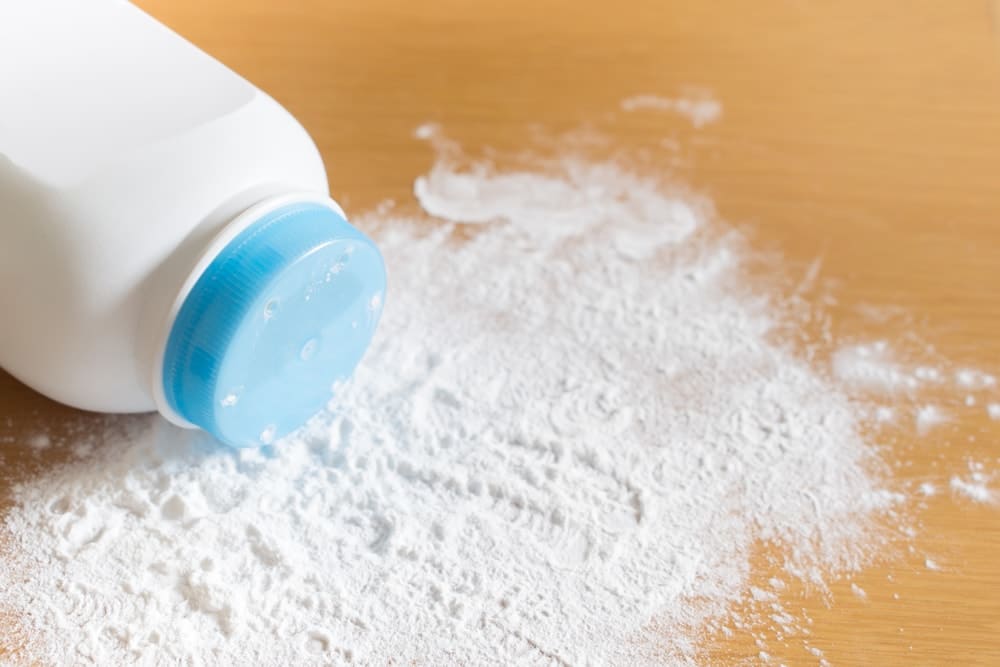
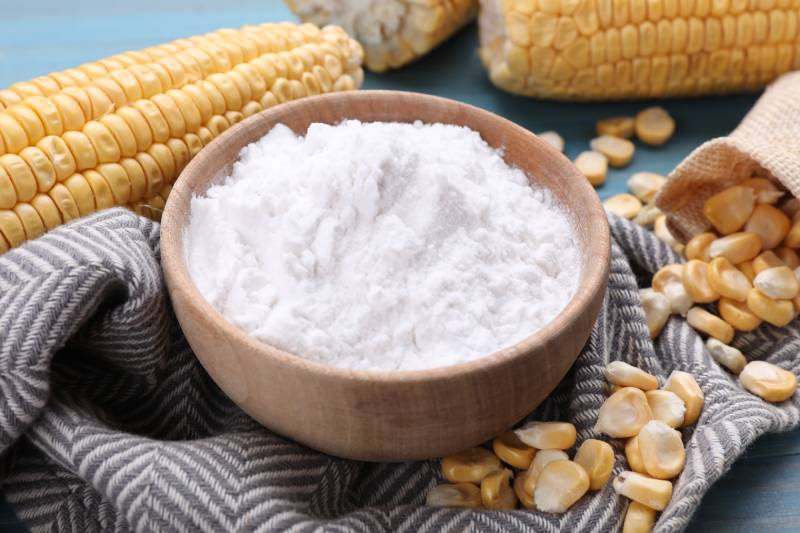
Cornstarch is a common household item some people use to deal with fleas. It is a fine powder made from corn. Some believe it can help remove fleas from pets and homes. The idea comes from cornstarch’s ability to absorb moisture and dry out small insects.
This natural approach appeals to those who want to avoid harsh chemicals. It is affordable and easy to find in stores. Cornstarch also feels safe to use around children and pets. Still, its effectiveness in killing fleas is debated.
Why People Use Cornstarch
People choose cornstarch because it is cheap and easy to use. They want a gentle method that does not harm animals or humans. Cornstarch can help make fleas less active by drying them out. Some owners prefer it over chemical sprays or powders.
Others use cornstarch to soothe itchy skin caused by fleas. It can reduce redness and irritation on pets. This makes it a popular home remedy for mild flea problems. Many find it a good first step before trying stronger treatments.
Methods Of Application
To use cornstarch for fleas, sprinkle it on your pet’s fur. Rub it in gently to reach the skin. Let it sit for a few hours to absorb moisture from fleas. Then, brush or bathe your pet to remove the powder and dead insects.
Some people spread cornstarch on carpets and furniture. Let it stay for several hours or overnight. Vacuum thoroughly to pick up the powder and any fleas. Repeat the process several times for better results.
Use cornstarch carefully. Avoid getting it in your pet’s eyes or nose. It works best combined with other flea control methods.
Scientific Evidence On Cornstarch
Many people wonder if cornstarch can kill fleas effectively. This question needs a close look at scientific research. Understanding the facts helps make the best choice for flea control.
Scientists have tested cornstarch for its ability to kill or repel fleas. The results show some interesting details. It is important to know what cornstarch can and cannot do.
Effectiveness Against Fleas
Cornstarch is a fine powder that can stick to a flea’s body. Some studies suggest it might dry out fleas by absorbing oils from their exoskeleton. This drying effect could harm fleas over time.
Still, cornstarch does not kill fleas instantly. It works slowly and needs repeated use. It is less powerful than traditional flea treatments. Its ability to reduce flea numbers is limited but not zero.
Limitations And Risks
Cornstarch only affects fleas physically, not chemically. It does not kill flea eggs or larvae. This means fleas can return after treatment. Cornstarch might not reach all fleas hiding in fur or carpets.
Using cornstarch in large amounts can cause breathing problems for pets or people. It may irritate skin or eyes. Cornstarch is not a substitute for veterinarian-approved flea control products.
Credit: articles.hepper.com
Alternative Flea Control Options
Fleas can be tough to remove once they invade your home or pet. Cornstarch is often suggested but it does not kill fleas effectively. Other options work better to control fleas and keep your home clean. These alternatives include natural remedies, chemical treatments, and professional pest control services. Each has strengths and suits different needs.
Natural Remedies
Natural remedies use safe ingredients to repel or kill fleas. Diatomaceous earth is a popular choice. It dries out flea shells, causing them to die. Flea combs help remove fleas from pet fur. Apple cider vinegar can repel fleas when sprayed on pets. These methods are gentle and safe for pets and children. They require regular use for the best results.
Chemical Treatments
Chemical treatments offer fast and effective flea control. Spot-on treatments apply directly to a pet’s skin. Flea collars release chemicals that kill fleas over time. Oral medications stop fleas from growing and reproducing. These products work quickly but must be used carefully. Always follow instructions to protect your pet’s health.
Professional Pest Control
Professional pest control services help with severe flea infestations. Experts use stronger products and techniques to eliminate fleas from your home. They inspect your property to find all flea hiding places. Treatments often include sprays, foggers, and powders. Professional help ensures thorough flea removal and prevents return.
Preventing Future Flea Infestations
Preventing future flea infestations takes effort and regular care. Fleas multiply quickly in warm, humid environments. Stopping them early keeps your home and pets safe. A clean home and proper pet care are key. Focus on these areas to lower the risk of fleas returning.
Home Cleaning Tips
Vacuum your floors, carpets, and furniture often. This removes flea eggs and larvae hiding in cracks. Wash pet bedding and blankets in hot water weekly. Use flea sprays or powders approved for home use. Keep clutter low to reduce flea hiding spots. Clean any outdoor areas where pets spend time. Regular cleaning breaks the flea life cycle before it starts.
Pet Care Strategies
Check your pets for fleas regularly using a flea comb. Bathe pets with flea shampoo to kill fleas on contact. Use veterinarian-recommended flea preventatives monthly. Treat all pets in the house at the same time. Keep your pet’s living area clean and dry. Early flea detection helps stop serious infestations. Consistent pet care protects both animals and humans.
Frequently Asked Questions
Does Cornstarch Effectively Kill Fleas On Pets?
Cornstarch does not kill fleas directly. It may help dry out flea eggs and larvae but is not a reliable treatment. For effective flea control, use veterinarian-recommended products or consult a professional pest service.
Can Cornstarch Prevent Flea Infestations At Home?
Cornstarch alone cannot prevent flea infestations. Proper cleaning, vacuuming, and using flea control products are essential for prevention. Cornstarch is not a substitute for these proven methods.
How Should Cornstarch Be Applied To Control Fleas?
If using cornstarch, sprinkle it lightly on pet fur and home carpets. Avoid inhalation and ensure pets do not ingest it. Remember, this method is not scientifically proven as a sole flea control measure.
Is Cornstarch Safe For Pets With Fleas?
Cornstarch is generally safe but may cause irritation or respiratory issues if inhaled. Always monitor your pet after application and consult a vet before use, especially if your pet has sensitive skin or allergies.
Conclusion
Cornstarch alone does not kill fleas effectively. It may help dry them out a bit, but it won’t solve a flea problem. Using cornstarch without other treatments can let fleas keep biting. For real control, use flea shampoos, sprays, or visit a vet.
Clean your pet’s bedding and vacuum often. Fleas spread quickly and need strong action. Don’t rely on cornstarch as your only solution. Keep your pet and home safe with proven flea care methods. Simple steps work best to stop fleas for good.