Last Updated on October 16, 2026
Is your dog constantly scratching, licking, or biting their skin? These signs could mean your furry friend is struggling with skin allergies.
It’s tough to watch your dog feel uncomfortable, and you want to help them fast. Understanding what causes dog skin allergies and how to treat them can make a huge difference in your pet’s happiness and health. Keep reading to discover simple ways to spot allergies early and give your dog the relief they deserve.
Common Causes Of Dog Skin Allergies
Dog skin allergies cause discomfort and itching. They often result from various triggers in the dog’s environment or diet. Identifying the cause helps in managing the allergy effectively. Here are common causes of dog skin allergies.
Environmental Triggers
Many dogs react to substances in their surroundings. Pollen, mold, dust mites, and grasses can cause allergic reactions. These allergens irritate the skin and lead to itching. Seasonal changes may increase allergy symptoms in sensitive dogs.
Food Allergies
Some dogs develop allergies to certain foods. Common culprits include beef, chicken, dairy, and wheat. Food allergies often cause itching, redness, and hair loss. Changing the diet can help identify and manage these allergies.
Flea And Parasite Reactions
Fleas and other parasites cause strong allergic responses. Flea saliva triggers itching and skin inflammation. Even a single flea bite can cause intense discomfort. Regular flea control prevents these allergic reactions.
Contact Irritants
Dogs may react to things they touch. Chemicals in shampoos, cleaning products, or lawn treatments can irritate the skin. Rough surfaces like carpets or certain plants can also cause skin problems. Avoiding contact with irritants reduces allergy risks.

Credit: www.diamondbarvetclinic.com
Recognizing Allergy Symptoms
Recognizing allergy symptoms in dogs is key to early care. Dog skin allergies often show clear signs. Noticing these signs helps you act quickly. It protects your pet from discomfort and worsening issues. Let’s explore common symptoms that point to allergies.
Itching And Scratching
Itching is often the first sign of allergies. Dogs may scratch their skin frequently. They might also bite or lick certain areas. This behavior shows irritation or discomfort. Watch for repeated scratching, especially around the paws and ears.
Redness And Inflammation
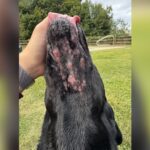
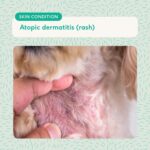
Red patches on the skin often follow itching. The skin may look swollen or puffy. Inflammation occurs where the dog scratches or bites most. These signs indicate the body’s reaction to allergens. Keep an eye on areas with redness for changes.
Hair Loss And Bald Spots
Constant scratching can cause hair to fall out. Bald spots may appear in affected areas. These patches show where the dog has irritated the skin. Hair loss can make the skin sensitive and prone to damage. Notice any unusual thinning or missing fur.
Secondary Infections
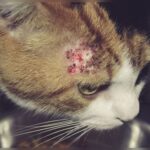
Scratching can break the skin’s surface. This opens the door to infections. Infected skin may become crusty, oozing, or smelly. Dogs may show signs of pain or discomfort. Seek veterinary help if infection signs appear.
Home Remedies For Quick Relief
Dog skin allergies cause itching, redness, and discomfort. Quick relief is important to help your pet feel better fast. Some home remedies soothe the skin and reduce irritation. These methods use simple ingredients safe for dogs.
Oatmeal Baths
Oatmeal baths calm itchy skin and reduce inflammation. Grind plain oatmeal into a fine powder. Mix it into warm water and soak your dog for 10 to 15 minutes. This bath soothes irritation and helps the skin heal. Avoid using soaps or shampoos that can dry out the skin.
Coconut Oil Applications
Coconut oil moisturizes dry, itchy skin. Rub a small amount onto the affected areas. It contains natural antibacterial and antifungal properties. This helps prevent infections and speeds healing. Use pure, virgin coconut oil for best results. Apply twice daily for quick relief.
Aloe Vera Treatments
Aloe vera gel cools irritated skin and reduces redness. Use fresh aloe gel from the leaf or a pet-safe store-bought product. Dab the gel gently on itchy spots. Aloe soothes without causing harm or stinging. Avoid aloe products with added chemicals or alcohol.
Cold Compresses
Cold compresses reduce swelling and numb itchy skin. Wrap ice cubes in a clean cloth. Hold the compress on the affected area for 5 to 10 minutes. Repeat several times a day to calm flare-ups. This simple method gives quick, natural relief without medication.
Diet Changes To Reduce Allergies
Diet plays a key role in managing dog skin allergies. Changing what your dog eats can reduce itchiness and redness. A healthy diet supports the skin’s natural barrier and lowers allergic reactions.
Choosing the right food and supplements helps keep your dog comfortable. Simple diet changes often lead to big improvements in skin health.
Elimination Diets
An elimination diet helps find foods causing allergies. Feed your dog one simple ingredient at a time. Watch for signs of itching or skin problems. Remove any food that triggers symptoms. This process takes weeks but can pinpoint allergens.
Hypoallergenic Food Options
Hypoallergenic foods use proteins less likely to cause reactions. These foods often contain novel proteins like duck or venison. They avoid common allergens such as beef or chicken. Hypoallergenic diets reduce inflammation and support healing.
Supplements For Skin Health
Supplements add nutrients that improve skin condition. Omega-3 fatty acids help reduce redness and itching. Vitamins like E and biotin support skin repair. Adding supplements can boost your dog’s comfort and coat shine.
Veterinary Treatments And Medications
Veterinary treatments and medications help manage dog skin allergies effectively. These approaches reduce itching, inflammation, and discomfort. They also address the root causes of allergies. Your vet will choose the best option based on your dog’s symptoms and allergy type.
Antihistamines And Steroids
Antihistamines block allergy chemicals that cause itching. They often provide mild relief for dogs with mild allergies. Steroids reduce inflammation quickly and ease severe itching. Vets prescribe steroids for short periods to avoid side effects. Both medicines help dogs feel more comfortable.
Medicated Shampoos
Medicated shampoos clean the skin and remove allergens. They soothe irritated skin and reduce redness. Frequent baths with these shampoos can control itching and infections. Some shampoos contain ingredients that fight bacteria and fungi. They support healing and improve the skin’s condition.
Allergy Testing
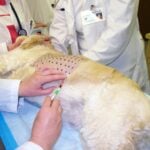
Allergy testing identifies specific triggers causing skin problems. Blood or skin tests reveal reactions to pollen, dust, or foods. Knowing allergens helps vets create a focused treatment plan. Testing avoids guessing and reduces unnecessary treatments. It guides better management of your dog’s allergies.
Immunotherapy
Immunotherapy gradually builds your dog’s tolerance to allergens. It uses small doses of allergens over time. This treatment can reduce allergic reactions long-term. Vets tailor immunotherapy to your dog’s test results. It often improves quality of life and lowers medication needs.
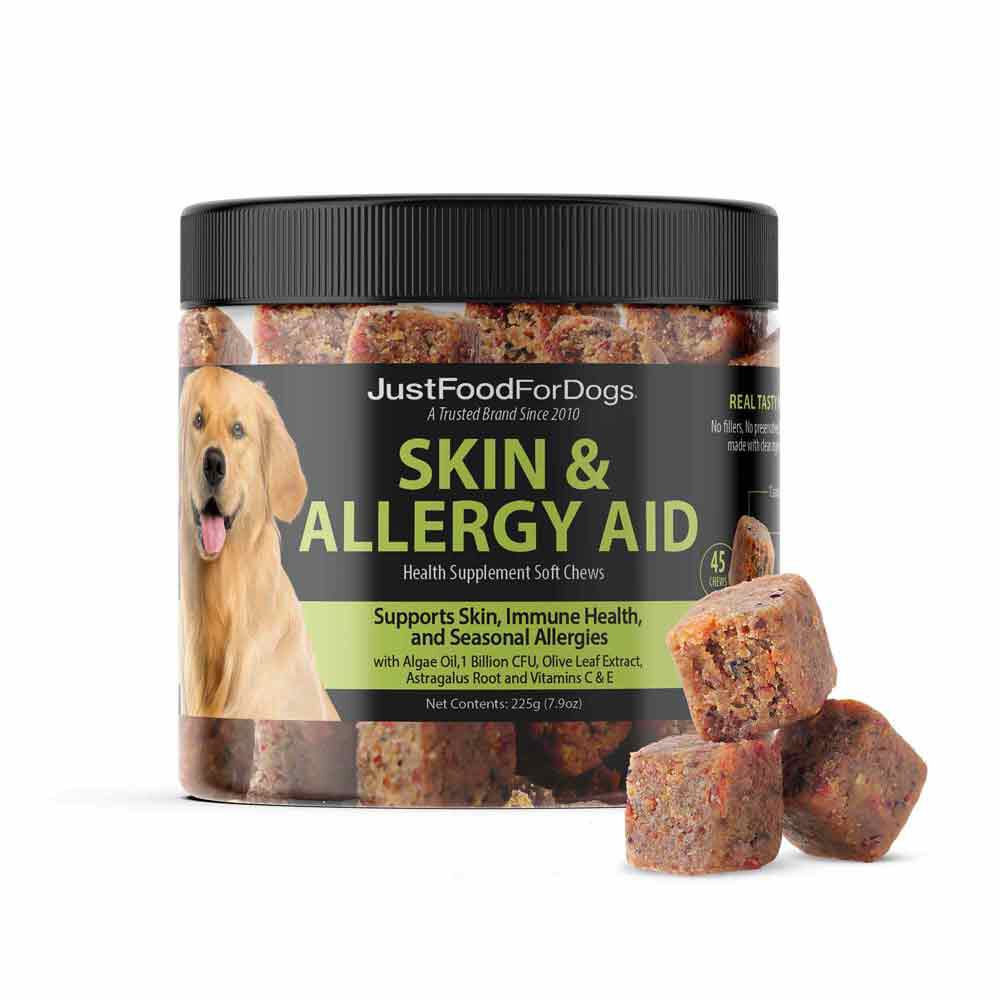
Credit: www.justfoodfordogs.com
Preventing Future Allergic Reactions
Preventing future allergic reactions in dogs is key to keeping their skin healthy. Allergies cause discomfort and can lead to infections. Taking steps to reduce exposure helps your dog stay comfortable and itch-free.
Regular Grooming Habits
Brush your dog often to remove dirt and loose fur. Baths with gentle shampoo wash away allergens on the skin. Keep the coat clean and dry to prevent irritation. Regular grooming spots problems early before they get worse.
Flea And Parasite Control
Fleas cause strong allergic reactions in many dogs. Use vet-approved flea treatments year-round. Check your dog’s skin for signs of fleas or ticks. Parasite control stops bites that trigger skin problems.
Environmental Management
Keep your dog’s living space clean and dust-free. Wash bedding and toys often to remove allergens. Avoid tall grass and areas with many insects. Clean floors and carpets reduce pollen and dust mites.
Monitoring Food Intake
Some dogs react to certain foods. Feed a balanced diet with limited ingredients. Watch for signs of itching or stomach upset after meals. Consult your vet about allergy-friendly food options.

Credit: healthyandhappydog.com
Frequently Asked Questions
What Are Common Symptoms Of Dog Skin Allergies?
Common symptoms include itching, redness, hair loss, and flaky skin. Dogs may also lick or chew affected areas frequently.
What Causes Dog Skin Allergies?
Dog skin allergies can be caused by food, environmental factors like pollen, fleas, or contact with irritants such as certain shampoos.
How Can I Treat My Dog’s Skin Allergies?
Treatment involves identifying the allergen, using medicated shampoos, antihistamines, or prescribed medications from a vet. Diet changes may help too.
Can Dog Skin Allergies Be Prevented?
Prevent allergies by maintaining good hygiene, regular flea control, avoiding known allergens, and providing a balanced diet to strengthen your dog’s immune system.
Conclusion
Dog skin allergies can be tough for both pets and owners. Identifying symptoms early helps keep your dog comfortable. Simple changes in diet or environment may reduce allergic reactions. Regular vet visits ensure proper care and treatment. A clean, calm space supports your dog’s healing.
Patience and attention make a big difference in managing allergies. Every dog deserves to feel healthy and happy again. Keep learning and stay observant to protect your furry friend’s skin health.