Last Updated on September 23, 2026
Caring for pets brings joy, but it also brings responsibility—especially when it comes to pet waste disposal. Many pet owners don’t realize the environmental harm caused by improper disposal. Dog and cat waste can pollute water, spread disease, and add to landfill problems. But with growing awareness, more people are seeking eco-friendly solutions. If you want to help the planet and keep your neighborhood clean, there are practical ways to manage pet waste that are easy, safe, and sustainable. This article explains everything you need to know about eco-friendly pet waste disposal, from why it matters, to the best methods, to common mistakes to avoid.
Why Eco-friendly Pet Waste Disposal Matters
Most people think pet waste is “natural” and harmless. But the truth is different. Dog and cat waste contain parasites and bacteria that can enter waterways and harm wildlife and people. In cities, millions of pounds of pet waste wash into rivers and lakes every year. The US Environmental Protection Agency (EPA) even classifies dog waste as a “non-point source pollutant”—the same category as oil and toxic chemicals.
Pet waste in landfills is another problem. Plastic bags used to collect waste often take hundreds of years to break down. Inside landfills, waste can release methane, a powerful greenhouse gas. By choosing eco-friendly disposal, you protect water, air, and soil, and set a good example for your community.
Common Pet Waste Disposal Methods Compared
Not all disposal methods are equal. Some are better for the environment than others. Here’s a comparison of popular methods:
| Method | Eco-Friendliness | Common Problems |
|---|---|---|
| Plastic bags in trash | Poor | Creates landfill waste, uses plastic |
| Flush down toilet | Moderate | Not always safe, can harm septic systems |
| Compost (home or facility) | Good | Requires care to avoid health risks |
| Biodegradable bags | Better | May not break down in landfill |
| Burying in yard | Moderate | Risk of water contamination |
The best choices are composting and using biodegradable bags—but only when done correctly.
Credit: poophound.com
Choosing The Right Pet Waste Bags
Most people grab plastic grocery bags for pet waste. But these don’t decompose and harm the environment. Here’s how to choose a better bag:
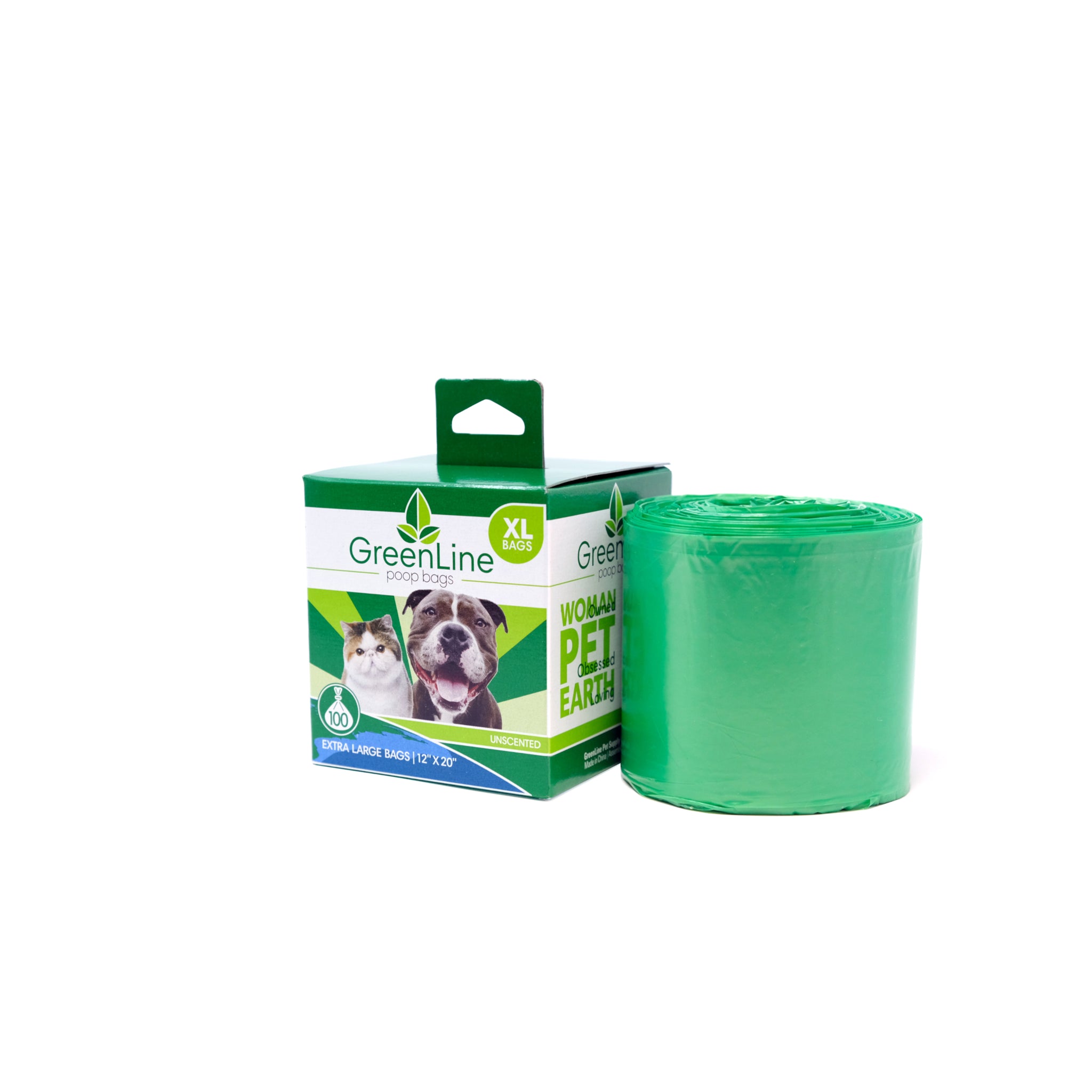
- Look for “compostable” certification. Not all “biodegradable” bags are the same. Real compostable bags follow standards like ASTM D6400 or EN 13432.
- Read the packaging. Some bags use “oxo-biodegradable” plastics, which only break down into microplastics.
- Buy the right size. Large dogs need bigger, thicker bags.
- Store bags in a cool, dry place. Compostable bags can start breaking down if exposed to heat or moisture.
Here’s a quick comparison:
| Bag Type | Decomposition Time | Best For |
|---|---|---|
| Traditional plastic | Hundreds of years | Not recommended |
| Oxo-biodegradable | Months–years (microplastics remain) | Short-term storage only |
| Compostable | 3–6 months (in commercial compost) | Composting, eco-friendly disposal |
| Paper bags | Weeks–months | Small pets, dry waste |
Compostable bags are the best choice if your city collects organic waste.
Composting Pet Waste At Home
Composting is a great way to recycle nutrients and reduce landfill waste. But pet waste composting is different from food composting. Cat and dog feces can carry parasites like Toxoplasma gondii and harmful bacteria. So, it’s important to compost safely.
Steps For Safe Composting
- Use a separate compost bin. Never mix pet waste with food compost.
- Choose the right location. Place the bin away from water sources and vegetable gardens.
- Layer with sawdust or leaves. This helps absorb moisture and control odor.
- Add waste regularly. Always cover fresh waste with more dry material.
- Turn the pile often. Mixing helps it break down faster.
- Wait at least one year. This gives time for pathogens to die.
- Use compost only on non-food plants. Never use it on vegetables or herbs.
Composting works best for dog waste. Cat litter is usually clay-based and does not break down well. For cats, use only plant-based litters (wheat, corn, or recycled paper).
Common Mistakes
- Composting in small containers (waste does not heat up enough)
- Using the compost on edible plants
- Not turning the pile (leads to odor and slow breakdown)
Credit: www.bvtrashvalet.com
Flushable Pet Waste: Is It Safe?
Some people flush dog or cat waste down the toilet. In theory, this sounds eco-friendly—no bags, no landfill. But there are risks.
- Septic systems are not designed for pet waste. It can clog pipes.
- Public sewage may not remove all parasites. Toxoplasma from cat waste can reach water bodies and harm sea life.
- Flushable bags are not always truly flushable. Many brands do not break down as claimed.
If your city allows, small amounts of dog waste can be flushed. Never flush cat litter or waste, especially if you live near the coast.
Burying Pet Waste In Your Yard
Burying can seem like a natural solution. But it has risks if done carelessly. Only bury waste if:
- Your soil drains well (not clay or rocky)
- You have enough yard space (at least 100 feet from water sources)
- You dig at least 6 inches deep
Never bury pet waste near gardens, play areas, or wells. Animals can dig it up, and rain can carry bacteria into water.
A better method is to use a pet waste digester—a mini septic system made for yards. These are small, sealed units you bury, which use enzymes to break down waste safely. Always follow the manufacturer’s instructions.
Cat Waste And Eco-friendly Litter Options
Cat owners face special challenges. Traditional clay litter is mined from the earth and does not break down. It also adds dust and chemicals to landfills. Eco-friendly litter options include:
- Recycled paper pellets
- Wheat or corn-based litter
- Wood shavings or sawdust
- Coconut husk litter
These options are biodegradable and can sometimes be composted (if you use them only for urine, not feces).
Never flush cat litter (even if the package claims “flushable”). Cat waste carries parasites that standard treatment plants cannot remove.
Community Pet Waste Stations
Many parks and neighborhoods now use pet waste stations—special bins with bags. These stations help keep public areas clean and encourage proper disposal. If your neighborhood lacks stations, you can:
- Organize a group to request them from local authorities
- Raise funds for bins and eco-friendly bags
- Educate neighbors about picking up after pets
A clean community is a healthy community.
Reducing Pet Waste At The Source
While you can’t stop your pet from going, you can reduce the impact:
- Feed high-quality food. This leads to smaller, firmer stools.
- Spay or neuter your pets. Fewer stray animals mean less unmanaged waste.
- Pick up waste daily. Prevents rain from washing it into drains.
Myths And Misunderstandings
Many pet owners believe common myths, such as:
- “Animal waste is good fertilizer.” (Not true; it contains pathogens.)
- “Biodegradable bags break down everywhere.” (Only in the right conditions.)
- “You can leave waste in the woods.” (It still pollutes water and harms wildlife.)
Always check local laws. Some cities have fines for not picking up after pets.
Real Data: The Scale Of The Problem
In the US, there are about 90 million dogs and 61 million cats. Dogs alone produce over 10 million tons of waste every year. If even half of this goes to landfill in plastic bags, it adds up to billions of bags each year—enough to circle the planet more than 10 times.
City Composting And Collection Programs
Some cities offer green waste bins that accept pet waste (in compostable bags). Check with your waste management company. For example, San Francisco and Seattle allow pet waste in compost bins. This is the most eco-friendly option if available.
Here are three cities with different rules:
| City | Pet Waste in Compost? | Special Requirements |
|---|---|---|
| San Francisco | Yes | Compostable bags only |
| Seattle | Yes | Dog waste only |
| New York City | No | Trash only |
Always check the latest rules on your city’s official website.
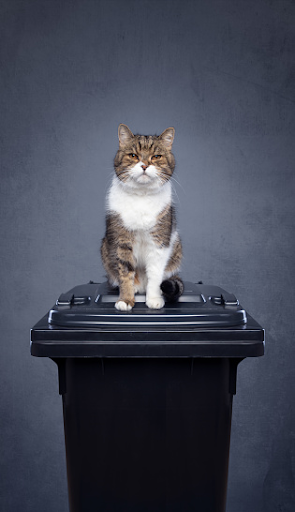
Credit: pawpail.com
Two Eco-friendly Insights Pet Owners Miss
- Pathogens Last for Years: Even when waste looks gone, eggs of parasites can survive in soil for years. Only high-heat composting kills them. That’s why using pet waste compost on food gardens is unsafe.
- Not All “Green” Bags Work: Many bags with green coloring or “biodegradable” labels don’t break down in landfills. They need heat, moisture, and oxygen—conditions not found in most landfill sites.
Action Steps For Pet Owners
- Switch to compostable bags and dispose of them in green bins if your city allows.
- Compost at home only if you can do so safely and don’t use the compost on food plants.
- Ask your city about pet waste programs or suggest them if not available.
- Educate others—share what you learn with friends and neighbors.
Frequently Asked Questions
Can I Use Pet Waste As Fertilizer For My Vegetable Garden?
No. Pet waste contains bacteria and parasites that can contaminate food. Only use composted pet waste on ornamental (non-food) plants, and after it has composted for at least a year.
Are “flushable” Dog Waste Bags Really Safe For Plumbing?
Most flushable bags do not break down as quickly as toilet paper and can clog pipes or harm septic systems. Only flush small amounts of waste without bags, and only if your city allows.
What’s The Difference Between Biodegradable And Compostable Bags?
Compostable bags fully break down into organic matter under the right conditions. Biodegradable bags may only break into small pieces (microplastics) and are less eco-friendly. Always choose certified compostable bags.
Is Cat Litter Biodegradable?
Some types are. Clay-based litter is not biodegradable, but paper, wood, wheat, and corn-based litters are. However, always check if your local compost facility accepts them.
How Often Should I Pick Up Pet Waste?
Pick up pet waste every day. This prevents bacteria from washing into drains and keeps your yard and community healthy.
Caring for your pets means caring for the planet, too. By making smart choices about eco-friendly pet waste disposal, you help protect water, soil, and wildlife. Small changes—like using compostable bags, picking up daily, and learning safe composting—can have a big impact. For more information on eco-friendly living, visit the US EPA’s Pet Waste and Water Quality page. Making responsible choices isn’t just good for the earth—it shows true love for your pet and your community.