Last Updated on June 4, 2026
Have you ever woken up with itchy red bumps and wondered whether they’re flea bites or mosquito bites? Knowing the difference can save you from unnecessary scratching and help you treat your skin the right way.
Both pests leave marks that look similar, but understanding their unique signs will give you the upper hand in stopping the irritation fast. Keep reading to discover how to spot flea bites versus mosquito bites, so you can protect your skin and enjoy the outdoors without the itch.
Appearance Of Flea Bites
Flea bites have a distinct look that helps tell them apart from other insect bites. Recognizing their appearance can help you treat them quickly. These bites often cause itching and discomfort. Understanding their size, color, and where they usually appear on the body can make a big difference.
Size And Color
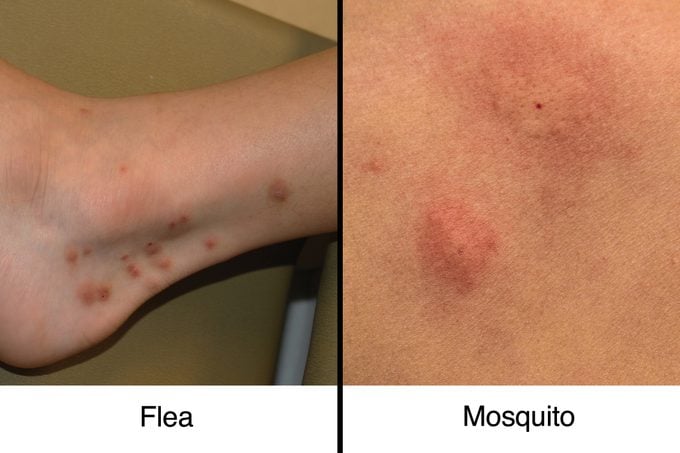
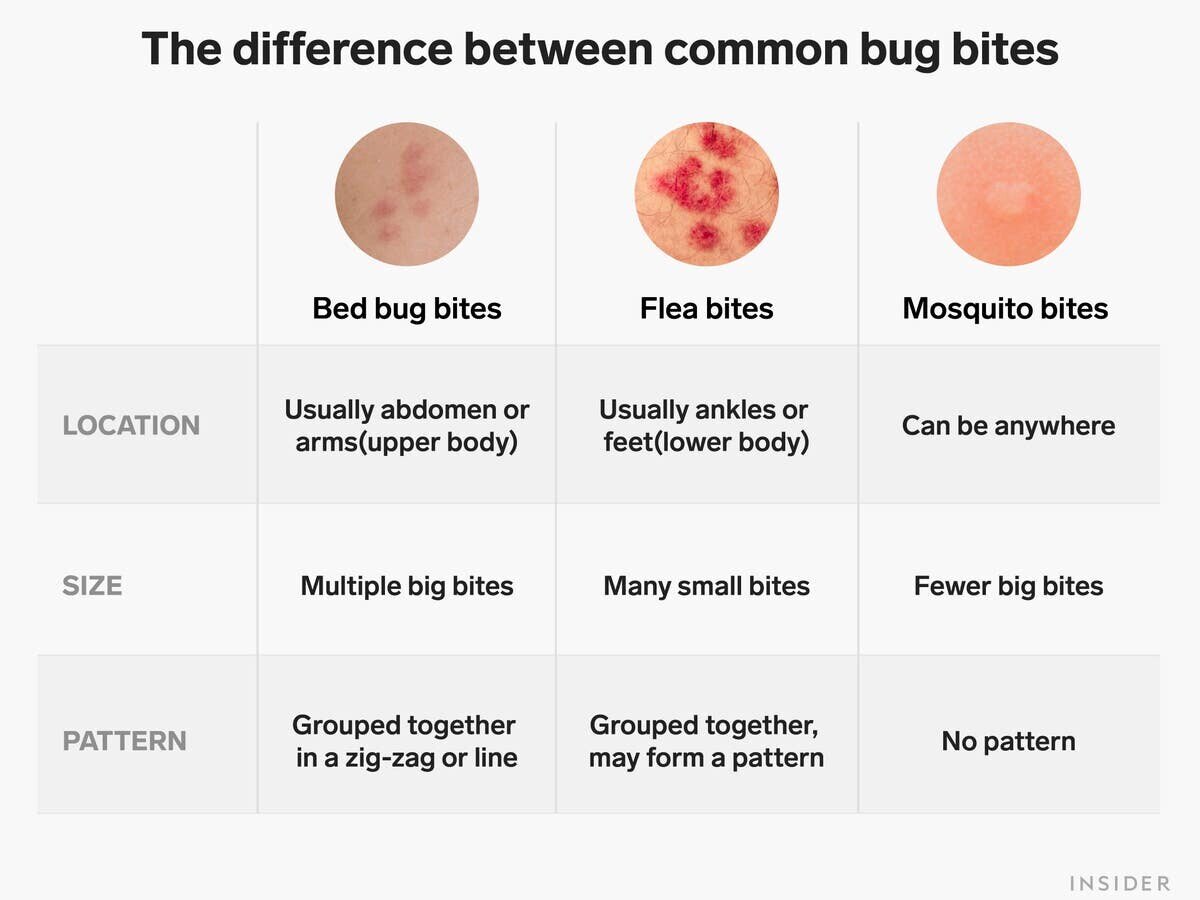
Flea bites are small, usually about 1 to 2 millimeters wide. They often appear as tiny red spots. The center may have a darker red dot where the flea bit the skin. The surrounding area can look swollen or inflamed. The bites may also form small blisters in some cases.
Common Locations On The Body
Flea bites usually happen on the lower legs and feet. They can also appear on the ankles and waist. These spots are common because fleas jump close to the ground. Bites may also show up on parts of the body covered by clothing, like the waistline. Pets often carry fleas, so bites can be found where pets sleep.
Typical Patterns
Flea bites often appear in clusters or lines. This pattern happens because fleas bite several times in the same area. The bites may be close together and look like a group of red dots. This pattern helps distinguish flea bites from mosquito bites, which are usually spread out. The clustered pattern can cause more intense itching and irritation.
Appearance Of Mosquito Bites
Mosquito bites have a distinct look that can help you tell them apart from other insect bites. Recognizing their size, color, and common locations on your body makes it easier to identify these pesky marks. Understanding typical patterns also helps in spotting mosquito bites quickly and knowing how to treat them.
Size And Color
Mosquito bites usually appear as small, round bumps. They are often red or pink in color. The center may look like a tiny blister or a raised dot. The bite size is generally about the size of a pencil eraser. The redness can spread a little around the bump, causing mild swelling.
Common Locations On The Body
Mosquitoes prefer exposed skin. Bites often appear on arms, legs, and face. Areas like ankles, wrists, and neck are common targets. Clothes usually protect other spots from bites. These insects are active mostly in warm weather and near water.
Typical Patterns
Mosquito bites often appear singly or in small clusters. The pattern is usually random, not in straight lines. Bites may be scattered across exposed skin. Sometimes, multiple bites appear close together if the mosquito feeds more than once. The itching starts soon after the bite happens.
Symptoms After Bites
Both flea bites and mosquito bites cause discomfort, but their symptoms differ. Knowing these signs helps you identify the culprit quickly. This section explains the common symptoms after bites to guide you.
Itching And Swelling
Flea bites usually cause intense itching that starts right away. The skin around the bite often swells and forms small red bumps. Mosquito bites also itch but tend to swell more prominently and form a raised, puffy bump. The itching from mosquito bites may last longer than flea bites.
Pain And Discomfort
Flea bites can cause mild pain or a burning sensation. The bites often appear in clusters, making the discomfort worse. Mosquito bites rarely cause pain but may feel sore if scratched too much. Both bites can become uncomfortable if infected from scratching.
Allergic Reactions
Some people develop allergic reactions to flea bites. These reactions include large red welts and extreme itching. Mosquito bites can also trigger allergies, leading to swelling beyond the bite area. Severe allergies might cause blisters or difficulty breathing and need medical attention.
Credit: www.thehealthy.com
Timing And Frequency
Understanding the timing and frequency of flea and mosquito bites helps identify the culprit quickly. Both insects bite at different times and in varying patterns. Recognizing these differences can reduce discomfort and prevent further bites.
When Fleas Bite
Fleas usually bite during the day and at night. They live close to pets or in carpets. Fleas jump onto humans when they feel hungry. Their bites often appear after contact with infested animals or areas.
When Mosquitoes Bite
Mosquitoes mostly bite during dawn and dusk. Some species bite at night under artificial light. They seek out exposed skin to feed on blood. Mosquito bites often happen outdoors or near standing water.
Bite Frequency Differences
Fleas bite repeatedly in clusters or lines. They leave several small red marks close together. Mosquito bites are usually single and scattered. Each mosquito feeds once, then flies away. This difference helps tell bites apart quickly.
Environmental Factors
Environmental factors play a big role in where flea and mosquito bites happen. These insects live and breed in different places. Knowing where they thrive helps prevent bites and manage infestations. Temperature, humidity, and habitat all affect their presence and activity.
Where Fleas Thrive
Fleas prefer warm and humid environments. They live close to animals like dogs, cats, and rodents. Fleas often hide in pet bedding, carpets, and cracks in floors. They do well indoors and outdoors but need hosts to feed on. Fleas avoid very dry or cold areas.
Where Mosquitoes Thrive
Mosquitoes breed in standing water. Ponds, birdbaths, and puddles are common spots. They like warm climates with lots of moisture. Mosquitoes rest in tall grass, bushes, and shaded areas. They are mostly found outdoors but can enter homes through open doors.
Seasonal Variations
Flea activity rises in spring and summer. Warmth helps their eggs hatch faster. Mosquitoes also become more active in warm months. Rain increases mosquito breeding sites. Cold weather slows down both fleas and mosquitoes. They hide or die off when temperatures drop.
Preventing Flea Bites
Preventing flea bites is important for comfort and health. Fleas can cause itching and skin problems. They also carry diseases that affect pets and humans. Taking steps to stop flea bites helps keep your home and family safe.
Home And Pet Care
Keep your home clean to reduce flea risks. Vacuum carpets and floors often. Wash pet bedding in hot water weekly. Treat pets with flea control products regularly. Check pets for fleas after outdoor activities. Fleas thrive in warm, humid places. Use flea sprays or powders in your home if needed.
Personal Protection Tips
Wear long sleeves and pants outdoors. Choose light-colored clothes to spot fleas easily. Use insect repellent on skin and clothes. Avoid sitting on grass or near bushes. Shower soon after outdoor activities. Keep your skin clean to prevent flea bites. Stay alert in areas where pets roam freely.
Preventing Mosquito Bites
Preventing mosquito bites is key to avoiding itchy discomfort and possible diseases. Mosquitoes often bite during warm months and near standing water. Taking steps to reduce bites helps protect your skin and health. Simple habits and tools can make a big difference.
Outdoor Precautions
Wear long sleeves and pants to cover your skin. Choose light-colored clothes that mosquitoes find less attractive. Stay away from areas with still water, like ponds or puddles. Mosquitoes breed there. Use window screens and keep doors closed to block them from entering your home. Avoid outdoor activities during peak mosquito hours, usually at dawn and dusk.
Use Of Repellents
Apply insect repellents on exposed skin and clothes. Look for products containing DEET, picaridin, or oil of lemon eucalyptus. Follow the instructions on the label carefully. Reapply every few hours or after swimming or sweating. Use mosquito nets when sleeping outdoors or in areas with many mosquitoes. These steps reduce the chances of bites effectively.
Credit: www.danscarpetcare.co.nz
When To Seek Medical Help
Knowing when to seek medical help for flea or mosquito bites is important. Most bites are harmless and heal on their own. Some bites can cause serious problems. Watch for signs that need quick attention.
Signs Of Infection
Look for redness that spreads around the bite. Swelling that gets worse can be a warning. Pus or yellow fluid means infection. Warm skin near the bite shows inflammation. Pain that increases over time is also a concern.
Severe Allergic Reactions
Some people have strong reactions to bites. Swelling of the face, lips, or throat needs urgent care. Difficulty breathing or swallowing is a medical emergency. Hives or a widespread rash can signal allergy. Feeling dizzy or faint requires immediate help.
Potential Disease Transmission
Fleas and mosquitoes can carry diseases. High fever after a bite can mean infection. Chills, headache, or body aches need a doctor’s check. A rash or unusual symptoms after a bite are warning signs. Early treatment can prevent serious illness.
Credit: manhattanmedicalarts.com
Frequently Asked Questions
What Are The Main Differences Between Flea And Mosquito Bites?
Flea bites often appear as small red spots in clusters, mainly on ankles. Mosquito bites are usually single, raised, and itchy bumps. Flea bites cause more intense itching and may lead to allergic reactions. Mosquito bites can sometimes transmit diseases, unlike most flea bites.
How Can I Identify Flea Bites Versus Mosquito Bites?
Flea bites appear as tiny red dots, often in groups, with intense itching. Mosquito bites are larger, swollen, and usually occur singly. Flea bites commonly affect lower legs, while mosquito bites can appear anywhere exposed. Noting bite location and pattern helps identification.
Are Flea Bites Or Mosquito Bites More Dangerous?
Mosquito bites can be more dangerous due to disease transmission, like West Nile virus. Flea bites usually cause itching and mild irritation but can lead to allergic reactions. Both require proper care to avoid infection. Mosquito bites pose a higher health risk overall.
How Quickly Do Flea And Mosquito Bites Heal?
Flea bites usually heal within a week but may take longer if scratched. Mosquito bites also heal in about a week, with swelling reducing faster. Proper care and avoiding scratching speed up healing for both bite types. Infection delays recovery.
Conclusion
Flea bites and mosquito bites can look alike but feel different. Flea bites often appear in clusters and cause sharp itching. Mosquito bites usually swell and become red, with a softer itch. Knowing these differences helps you treat bites the right way.
Protect your skin by avoiding areas where these bugs live. Use insect repellent and keep your home clean. Stay calm and avoid scratching to stop infections. Understanding flea bites vs mosquito bites keeps you safe and comfortable.