Last Updated on September 26, 2026
Every dog owner knows the routine: your dog does their business, and you have to pick it up. But what happens next? Most people grab a plastic bag, scoop up the poop, and toss it in the trash. But is this the best way? With over 83 million pet dogs in the United States alone, that’s a lot of waste—an estimated 10 million tons of dog poop every year! Disposing of it the right way is important for our health, our environment, and even for local laws. There’s more to this simple task than most people realize.
This article will guide you through all the smart, safe, and environmentally friendly ways to dispose of dog poop. You’ll learn which methods are safe, which are legal, and which you should avoid. Whether you walk your pup in the city or let them run in your backyard, you’ll find clear advice, real examples, and tips you probably haven’t heard before.
Why Proper Dog Poop Disposal Matters
Dog poop isn’t just an eyesore. It’s a real threat to the environment and public health. Dog waste contains bacteria, parasites, and viruses that can make people and animals sick. When left on the ground, rain can wash these germs into rivers and lakes, polluting water supplies and harming wildlife.
Unlike cow manure, dog poop is high in protein, which means it doesn’t break down as easily. It can take over a year to decompose on its own. And when it does, it adds harmful nutrients and pathogens to the soil. That’s why cities and parks require dog owners to pick it up.
Another big issue is plastic bag waste. Millions of single-use bags end up in landfills each year, often with dog poop inside. These bags can take hundreds of years to break down. So, how can you handle dog poop responsibly and avoid making a bigger problem?
Common Ways To Dispose Of Dog Poop
Let’s explore the most popular methods, their pros and cons, and what you need to know before you choose one.
1. Throwing Dog Poop In The Trash
This is the most common way. Pick up the poop, tie it in a bag, and drop it in a regular trash can.
Pros:
- Simple and easy
- Works almost everywhere
- Keeps sidewalks and parks clean
Cons:
- Uses plastic bags
- Adds waste to landfills
- May not be allowed in some parks or cities
Tips:
If you use this method, consider using biodegradable bags. These break down faster than regular plastic. But even biodegradable bags need the right conditions to decompose, and most landfills don’t provide that.
2. Flushing Dog Poop Down The Toilet
Most water treatment plants can handle pet waste just like human waste. Flushing dog poop is often the most eco-friendly option.
Pros:
- Removes pathogens safely
- No plastic bags needed
- Reduces landfill waste
Cons:
- Can’t flush bags, even biodegradable ones (they can clog pipes)
- Not recommended for septic systems (may cause blockages)
- Check your local rules—some places don’t allow this
Tips:
Use a scooper or a piece of toilet paper to transfer the poop. Don’t flush cat litter or any kind of bag.
3. Using Dog Waste Composters
Some companies make special compost bins just for dog poop. These bins are designed to break down pet waste safely, away from your food garden.
Pros:
- Turns waste into useful compost for non-edible plants
- Reduces landfill use
- No plastic bags needed
Cons:
- Not for use on vegetables or fruits (pathogens may survive)
- Needs regular maintenance (mixing, adding enzymes or sawdust)
- Doesn’t work well in cold climates
Tips:
Buy a compost system made for pet waste, or make your own from a large plastic bin. Always keep compost away from food gardens and water sources.
4. Burying Dog Poop
If you have a yard, you might consider burying dog poop. This method is only safe if done properly.
Pros:
- No bags or landfill waste
- Easy for people with large yards
Cons:
- Must be at least 12 inches deep and 200 feet from water sources
- Pathogens can still reach groundwater if done incorrectly
- Illegal in some areas
Tips:
Always check local rules. Dig deep enough and far from wells or streams. Do not bury in vegetable gardens.
5. Using Dog Poop Collection Services
Some cities and private companies offer services that pick up dog poop from your yard and dispose of it safely.
Pros:
- Saves time and effort
- Professionals follow proper disposal rules
- Good for people with large properties or many dogs
Cons:
- Costs money
- Not available everywhere
Tips:
If you use a service, ask them how they dispose of the waste. Some compost or use waste-to-energy plants.
Biodegradable Dog Poop Bags: Are They Worth It?
Many stores sell biodegradable or compostable bags as a green alternative to regular plastic. But not all “biodegradable” bags are created equal. Some only break down under special conditions, like high heat in industrial composters.
Here’s a quick comparison of different bag types:
| Bag Type | Breakdown Time | Landfill Friendly? | Compostable? |
|---|---|---|---|
| Regular Plastic | Hundreds of years | No | No |
| Biodegradable | 1-5 years | Not really | Maybe, if industrial composted |
| Compostable | 90-180 days (in facility) | No | Yes, under right conditions |
| Paper Bag | 2-5 months | Better | Yes, but not for all types |
Non-obvious insight: Even compostable bags don’t break down well in most landfills. They need air, heat, and moisture—conditions that are rare underground.
Advice: Use compostable bags if your city has a pet waste compost program. Otherwise, they may not make much difference over regular plastic.
What Methods To Avoid
Some methods might seem easy, but they are risky or even illegal.
- Leaving poop on the ground: This spreads disease and pollutes water. Fines can be $50 to $500 in many cities.
- Flushing bags: Even “flushable” bags can clog plumbing.
- Putting poop in yard waste bins: Most cities do not allow animal waste in green bins.
- Throwing in storm drains or toilets in public parks: These systems are not designed for pet waste and can lead to pollution.
Credit: www.youtube.com
Dog Poop And The Law
Many places have strict rules about dog waste. For example, the city of Seattle gives fines up to $125 for not picking up after your dog. In New York City, it’s $250. Some parks require you to pack out all waste, including bags.
Check local websites or park signs for rules. Some cities offer free bags or special bins. Breaking the law can mean fines and even bans from parks.
Environmental Impact: A Closer Look
Dog waste is more than just a nuisance. According to the Environmental Protection Agency (EPA), pet waste is a major source of water pollution. One gram of dog poop can contain up to 23 million fecal bacteria. These can survive in soil and water, making people sick.
Let’s compare the environmental effects of common disposal methods:
| Disposal Method | Effect on Landfill | Effect on Water | Plastic Use |
|---|---|---|---|
| Trash (plastic bag) | High | Low | High |
| Flushing | None | Low | None |
| Composting | Low | Low | None |
| Leaving on ground | None | High | None |
Non-obvious insight: Even small choices add up. If every dog owner in the US switched to flushing or composting, it would keep millions of plastic bags out of landfills each year.

Credit: ourpetshealth.com
Tips For Dog Owners: Easy Ways To Improve
- Always carry bags when walking your dog. Keep extras in your car, jacket, or attached to the leash.
- Use the right bin. If your city has special pet waste bins, use them. Otherwise, trash cans are usually best.
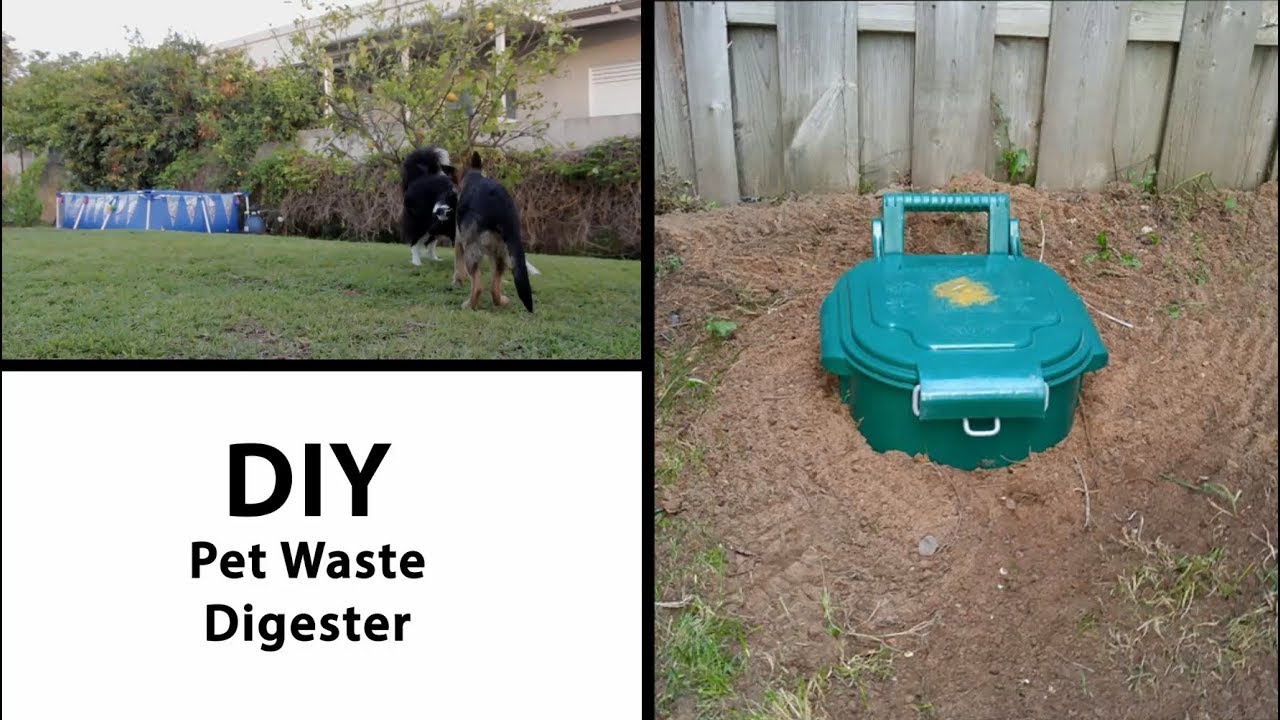
- Try a dog waste digester if you have a yard. These are like mini septic tanks for dog poop.
- Avoid using garden composters for pet waste. They don’t get hot enough to kill harmful germs.
- Teach children how to pick up after pets safely. Wash hands after handling waste.
Common Mistakes To Avoid
- Bagging and leaving: Some people bag the poop but leave it on the trail, planning to pick it up later. Many forget or the bag gets washed away.
- Mixing with food compost: Composting dog poop with kitchen scraps can spread disease.
- Overusing plastic: Many owners double-bag or use thick bags. One bag is enough if it’s sealed well.
- Ignoring winter waste: Dog poop doesn’t disappear in snow. It piles up and melts into streams in spring.

Credit: www.wikihow.com
Innovative And Green Solutions
Some cities and parks are getting creative. For example, in Cambridge, Massachusetts, dog poop is collected and used in a biogas digester to produce energy for street lamps. In parts of Europe, special bins turn pet waste into compost for city plants.
If you want to get involved:
- Join a local cleanup day.
- Ask your city about pet waste composting or energy programs.
- Support parks with good disposal facilities.
For more information on the science and safety of composting dog waste, visit the EPA’s pet waste management page.
Frequently Asked Questions
What Happens If I Leave Dog Poop On The Ground?
Leaving dog poop can spread disease to people, pets, and wildlife. Rain washes the waste into water systems, causing pollution and health risks. Many places give fines for not cleaning up after your dog.
Can I Compost Dog Poop At Home?
Yes, but only in a special pet waste composter. Regular garden composters don’t get hot enough to kill harmful germs. Never use composted dog poop on food gardens.
Are Biodegradable Dog Poop Bags Really Better?
They can be, but only if they end up in a composting facility with the right conditions. In most landfills, they break down very slowly, just like regular plastic.
Is It Safe To Flush Dog Poop Down The Toilet?
Usually yes, if you don’t use bags and your home is connected to a city sewer system. If you have a septic tank, check with a plumber first.
What’s The Safest Option For Apartment Dwellers?
Use a bag to pick up waste and throw it in the trash. If your building allows, you can try flushing (without a bag). Some cities offer special bins for pet waste in apartment complexes.
Picking up after your dog is more than a chore—it’s an act of care for your neighbors, your city, and the planet. With just a little extra effort, you can keep your community clean, follow the law, and help the environment.
Choose the method that works best for you, and encourage others to do the same. Every small step makes a big difference!