Last Updated on June 6, 2026
If your dog has tiny, itchy seed ticks clinging to their fur, you know how frustrating and worrying it can be. These tiny pests don’t just cause discomfort—they can lead to serious health problems if left unchecked.
You want to protect your furry friend quickly and effectively, but where do you start? You’ll discover simple, proven steps to get rid of seed ticks on your dog safely. Keep reading to learn how to keep your pet comfortable, tick-free, and happy all season long.

Credit: unifi.com
Identifying Seed Ticks
Seed ticks can cause discomfort and health problems for your dog. Knowing how to identify them helps protect your pet quickly. Early detection stops the ticks from spreading and causing harm. This section explains what seed ticks are, where they hide, and signs your dog has them.
What Are Seed Ticks?
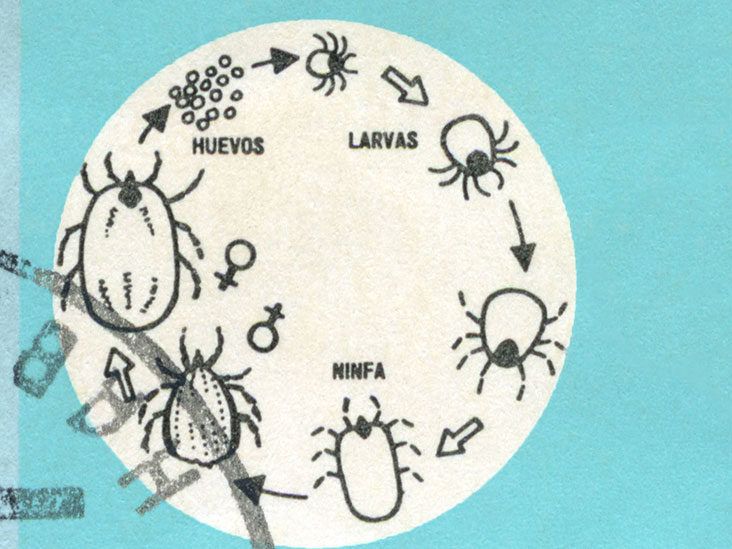
Seed ticks are tiny baby ticks. They are very small, almost like a pinhead. Their color is usually reddish or brown. These ticks feed on your dog’s blood. They can carry diseases that make your dog sick. Seed ticks often appear in groups on your dog.
Common Areas On Dogs
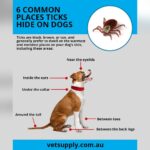
Seed ticks like warm, soft spots on dogs. Check around the ears and inside ear flaps. Look between the toes and under the collar. The neck and belly are also common hiding places. These areas are easy for ticks to attach and stay hidden.
Signs Of Infestation
Your dog may scratch or bite certain spots often. Small black or red dots can be seen on the skin. Bald patches or redness might show where ticks bite. Your dog might seem restless or uncomfortable. Watch for swelling or small bumps on the skin.
Risks Of Seed Ticks On Dogs
Seed ticks pose serious risks to dogs. These tiny parasites attach to your pet’s skin and feed on blood. They can cause several health problems that affect your dog’s wellbeing. Understanding these risks helps you protect your furry friend effectively.
Health Issues Caused By Ticks
Seed ticks cause skin irritation and inflammation. Their bites often lead to redness and swelling. Dogs may scratch or bite the affected area, causing wounds. Large tick infestations can lead to anemia, as ticks suck blood. This condition weakens dogs and lowers energy levels.
Potential Diseases
Seed ticks can spread dangerous diseases to dogs. Lyme disease is common and causes joint pain and fever. Another risk is Rocky Mountain spotted fever, which affects multiple organs. Some ticks carry ehrlichiosis, causing tiredness and bleeding problems. Early detection is crucial to prevent serious illness.
Impact On Dog’s Comfort
Seed ticks cause itching and discomfort. Dogs often feel restless and may lose sleep. Constant biting and scratching can lead to skin infections. These parasites reduce your dog’s quality of life. Removing ticks promptly helps restore comfort and health.
Safe Removal Techniques
Removing seed ticks from your dog is important for their health. Safe removal stops infections and skin problems. Follow the right steps carefully to protect your pet. Use gentle, effective methods to avoid hurting your dog.
Tools You’ll Need
- Fine-tipped tweezers or a tick removal tool
- Gloves to protect your hands
- Antiseptic wipes or solution
- A small container with a lid
- Magnifying glass (optional)
- Dog treats to reward your pet
Step-by-step Removal
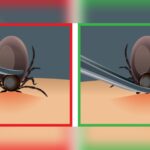
Put on gloves to avoid contact with ticks. Use tweezers to grasp the tick close to the skin. Pull the tick out slowly with steady, even pressure. Do not twist or jerk the tick. Place the tick in the container for disposal. Clean the bite area with antiseptic. Praise your dog to keep them calm. Check your dog’s skin again for missed ticks.
What To Avoid
- Do not squeeze or crush the tick’s body
- Avoid using bare hands to remove ticks
- Never use nail polish or petroleum jelly
- Do not burn the tick off
- Do not delay removal; act quickly
Credit: www.medicalnewstoday.com
Home Remedies For Prevention
Seed ticks can cause discomfort and health issues for dogs. Preventing them at home is simple and effective. Using natural methods helps keep your dog safe without harsh chemicals. These home remedies reduce the chance of seed tick infestations.
Natural Repellents
Natural oils like neem, eucalyptus, and lavender repel seed ticks. Dilute a few drops in water and spray your dog’s coat. Avoid the eyes and nose. Repeat this treatment every few days for best results. These oils also leave a fresh scent on your dog.
Regular Grooming Tips
Brush your dog’s fur daily to spot and remove ticks early. Use a fine-tooth comb to catch tiny seed ticks. Check ears, underarms, and between toes carefully. Bathing your dog with tick-repellent shampoo helps as well. Clean grooming tools after each use to avoid spreading ticks.
Cleaning Your Dog’s Environment
Keep your yard free of tall grass and leaf piles where ticks hide. Mow the lawn often and remove brush or wood piles. Wash your dog’s bedding and toys regularly in hot water. Vacuum carpets and floors to remove any ticks indoors. A clean environment reduces the risk of seed tick infestations.
Veterinary Treatments And Products
Veterinary treatments and products offer effective ways to control seed ticks on dogs. These methods help protect your pet from tick bites and related diseases. Using professional treatments ensures safety and proper care for your dog. Here are some common veterinary options to consider.
Tick Control Medications
Veterinarians recommend various medications to kill and repel ticks. These include oral pills, spot-on treatments, and collars. Oral medications work quickly by entering your dog’s bloodstream. Spot-on treatments are applied to the skin and last for weeks. Tick collars slowly release chemicals that prevent ticks from attaching. Always follow your vet’s advice on dosage and frequency.
Professional Tick Removal
Removing ticks properly is crucial to avoid infections. Vets use special tools to remove ticks safely. They ensure the entire tick, including the head, is removed. Professional removal lowers the risk of irritation and disease. If you find many ticks, seek veterinary help immediately. They can clean the area and treat any wounds.
When To Visit The Vet
Visit the vet if your dog shows signs of tick bites. Look for redness, swelling, or constant scratching. If your dog seems tired, has a fever, or loses appetite, see the vet. Early treatment prevents serious health problems. Regular vet check-ups help catch tick issues before they worsen.
:max_bytes(150000):strip_icc()/how-to-get-rid-of-ticks-in-your-house-5224951_v1-f169849a9571441ab1449de166157c0f.jpg)
Credit: www.thespruce.com
Long-term Tick Prevention
Keeping seed ticks off your dog requires ongoing care. Long-term prevention helps protect your pet year-round. Regular steps reduce the chance of tick bites and illnesses. It also keeps your dog comfortable and safe. Follow simple habits to stop ticks before they start.
Seasonal Precautions
Ticks are most active during warm months. Spring through fall needs extra attention. Use tick repellents recommended by your vet. Avoid walking your dog in tall grass or wooded areas. Check for ticks after every outdoor activity. Dress your dog in protective gear if needed.
Tick-proofing Your Yard
Keep your yard clean to lower tick risks. Mow the lawn regularly and remove leaf piles. Trim bushes and clear tall grasses near play areas. Create a barrier of wood chips or gravel between your lawn and wooded spaces. This stops ticks from entering your yard. Treat your yard with pet-safe tick control products.
Routine Tick Checks
Inspect your dog’s skin daily, especially after outside time. Look closely around ears, neck, and between toes. Feel for small bumps or moving specks. Use a fine-tooth comb to help find ticks. Remove any ticks promptly and safely. Early removal prevents disease transmission.
Frequently Asked Questions
How Do I Identify Seed Ticks On My Dog?
Seed ticks are tiny, often red or brown, and cluster in groups. Check your dog’s fur, especially around ears, neck, and paws. Use a fine-tooth comb and good lighting for better visibility.
What Is The Safest Way To Remove Seed Ticks?
Use fine-tipped tweezers to grasp the tick close to the skin. Pull steadily without twisting. Clean the area with antiseptic afterward to prevent infection and monitor your dog for symptoms.
Can Seed Ticks Cause Health Problems In Dogs?
Yes, seed ticks can transmit diseases like Lyme disease and cause skin irritation. Early removal reduces risks. Always consult your vet if your dog shows unusual behavior or symptoms.
How Can I Prevent Seed Ticks On My Dog?
Use vet-recommended tick repellents and keep your yard tidy. Avoid tall grasses and wooded areas during walks. Regular grooming and tick checks are essential preventive steps.
Conclusion
Getting rid of seed ticks on dogs takes patience and care. Check your dog often, especially after outdoor play. Use a tick remover or tweezers to take ticks off gently. Clean the bite area well to stop infection. Keep your yard tidy to lower tick chances.
Regular vet visits help keep your dog healthy. Taking these steps protects your dog from ticks and illness. Stay alert and act quickly for your dog’s safety.