
Last Updated on October 16, 2026
If your dog is scratching, licking, or showing signs of a rash, you want to help—fast. You might wonder if those human medicines in your cabinet can ease your pet’s discomfort.
But is it safe to use human meds for a dog rash? Knowing what to do and what to avoid can save your furry friend from pain and keep them healthy. Keep reading to discover the truth about treating your dog’s rash with human medications and learn the best steps to take right now.
Your dog’s comfort depends on it.
Common Causes Of Dog Rashes
Dog rashes can appear for many reasons. Understanding what causes these skin issues helps in finding the right treatment. Dogs show rashes as red, itchy spots. These spots can be painful or uncomfortable for your pet.
Common causes of dog rashes include allergies, parasites, infections, and environmental factors. Each cause needs careful attention for proper care.
Allergies And Irritants
Dogs can be allergic to many things. Food ingredients, pollen, and dust often cause allergic reactions. Some dogs react to soaps, shampoos, or cleaning products. Allergies make the skin red, swollen, and itchy. Constant scratching can worsen the rash and cause infection.
Parasites And Infections
Parasites such as fleas, ticks, and mites often cause rashes. These tiny creatures bite and irritate the skin. Bacterial and fungal infections also lead to rash development. Infections may cause pus, bad smell, or hair loss. Early detection helps stop the spread and ease discomfort.
Environmental Factors
Harsh weather can affect a dog’s skin. Sunburn, dry air, or humidity may cause rashes. Contact with certain plants or chemicals in the yard also causes skin reactions. Clean living areas and protect your dog from extreme weather to prevent rashes.
When To Use Human Meds On Dogs
Knowing when to use human medications on dogs for rashes is important. Not all human meds are safe for pets. Some can help, but others may cause harm. Understanding the right time to use these medicines can protect your dog’s health. Always watch your dog’s reaction and consult a vet if unsure.
Safe Over-the-counter Options
Some human medicines are safe for dogs in small doses. Hydrocortisone cream can reduce itching and redness. Antihistamines like diphenhydramine may help allergic reactions. Calamine lotion soothes irritated skin. Use only plain formulas without added ingredients. Read labels carefully to avoid harmful chemicals.
Dosage Considerations
Dogs need different doses than humans. Give only small amounts based on your dog’s size. Overdosing can cause serious problems. Use a vet’s advice or trusted dosage charts. Apply creams gently on the rash area. Do not let your dog lick the medicine off. Repeat doses only as recommended.
Signs You Should Avoid Human Meds
Stop using human meds if your dog’s rash worsens. Look for swelling, increased redness, or pain. Vomiting, diarrhea, or lethargy can signal a bad reaction. Avoid medicines with ingredients like acetaminophen or ibuprofen. These are toxic to dogs. If unsure, consult your vet before giving any medicine.
Top Human Medications For Dog Rashes
Many dog owners face the challenge of treating rashes on their pets. Some human medications can help soothe these skin problems safely. It is important to choose the right products and use them correctly. This section covers the top human medications often used for dog rashes.
Antihistamines For Itching
Antihistamines help reduce itching caused by allergies. Common types include diphenhydramine (Benadryl) and cetirizine (Zyrtec). These medicines block histamine, a chemical that causes itching and swelling. Always check the correct dose with a vet before giving these drugs to dogs. Avoid antihistamines with added ingredients like decongestants.
Hydrocortisone Creams
Hydrocortisone creams reduce inflammation and redness on the skin. They work well for mild rashes and insect bites. Use only low-strength hydrocortisone (1%) on dogs. Apply a thin layer on the affected area. Do not use on open wounds or near the eyes. Limit use to a few days to avoid skin thinning.
Oatmeal-based Products
Oatmeal products soothe irritated and dry skin. These are gentle and safe for most dogs. Use oatmeal shampoos or topical sprays to calm rashes. They help relieve itching and moisturize the skin. Regular use can improve skin health and reduce flare-ups. Look for pure oatmeal formulas without harsh chemicals.
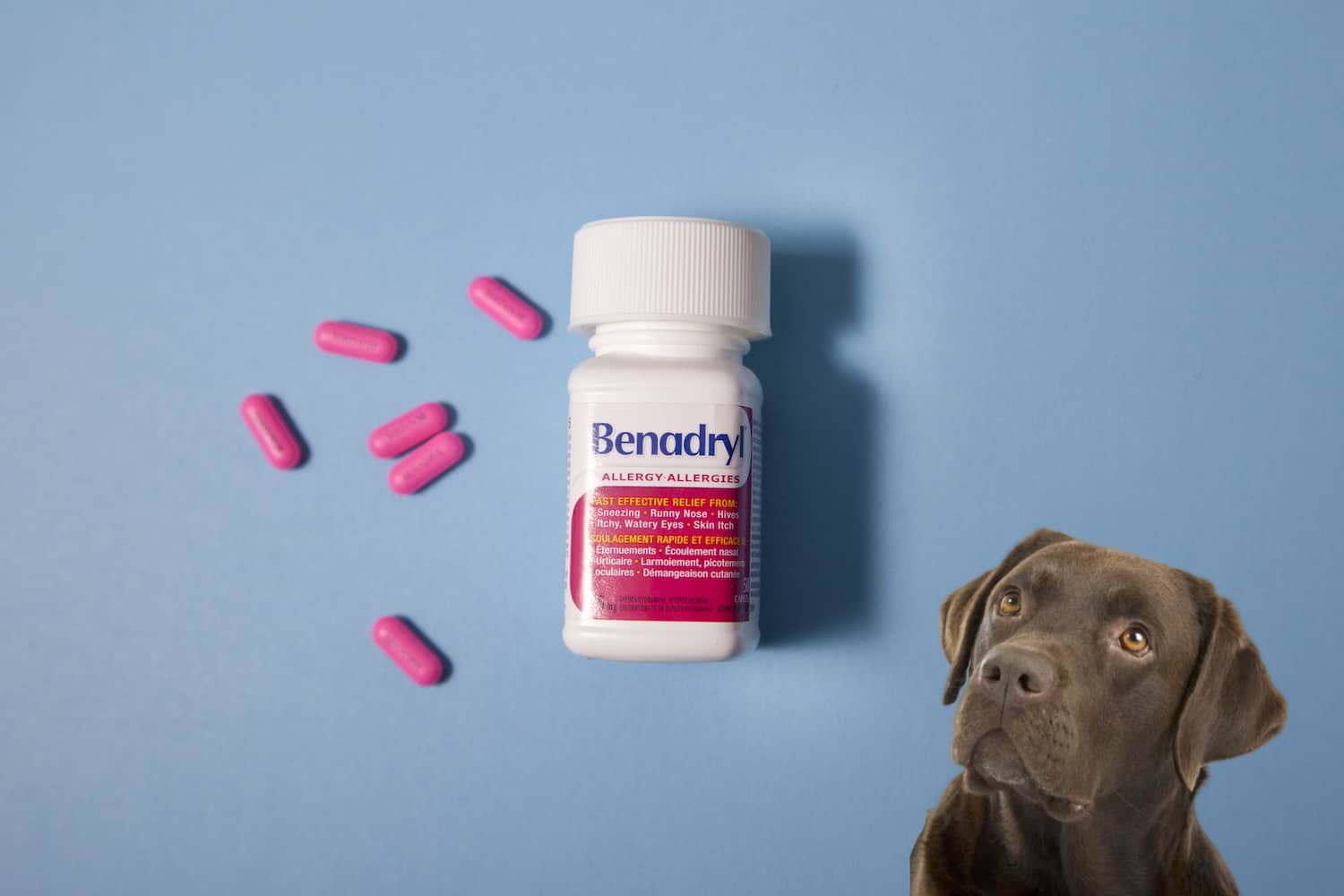
Credit: www.kingsdale.com
Natural Remedies To Complement Treatment
Natural remedies can help soothe your dog’s rash alongside medicine. These options often reduce itching and calm irritated skin. They support healing and comfort without harsh chemicals. Use these remedies carefully and observe your dog’s reaction. Always check with your vet before trying new treatments.
Aloe Vera Benefits
Aloe vera gel is gentle on sensitive skin. It cools inflammation and reduces redness quickly. The gel also helps heal small wounds and rashes. Apply a thin layer on the affected area. Avoid aloe products with added chemicals or alcohol.
Coconut Oil Applications
Coconut oil moisturizes dry, itchy skin effectively. It contains natural antibacterial and antifungal properties. Rub a small amount on the rash twice a day. This can prevent infections and soothe irritation. Use virgin, unrefined coconut oil for best results.
Cool Compress Techniques
Cool compresses reduce swelling and ease itching fast. Use a clean cloth soaked in cool water. Place it gently on your dog’s rash for 5 to 10 minutes. Repeat several times daily as needed. This simple method offers immediate relief and comfort.
Precautions And When To See A Vet
Using human medications for a dog rash needs care and attention. Some medicines can harm your dog or cause side effects. Watch your dog closely after giving any medication.
Knowing when to see a vet can save your dog’s health. Some rashes need professional help fast. Do not wait if your dog looks worse or acts strange.
Potential Side Effects
Human meds may cause vomiting or diarrhea in dogs. Some dogs may become sleepy or restless. Allergic reactions like swelling or itching can happen. Always give the smallest dose possible.
Stop the medicine if your dog shows any bad signs. Contact your vet for advice on what to do next.
Signs Of Severe Reactions
Look for difficulty breathing or swelling of the face. Sudden weakness or collapse needs urgent care. Excessive drooling or shaking can be serious. High fever or bleeding spots on the skin are red flags.
These signs mean immediate vet attention is necessary. Quick action can prevent worse problems.
Long-term Care Tips
Keep your dog’s skin clean and dry every day. Use vet-approved shampoos or treatments. Avoid scratching or licking the rash area to stop infection. Give a balanced diet to support healing.
Regular check-ups with the vet help monitor your dog’s progress. Follow all vet instructions carefully for best results.
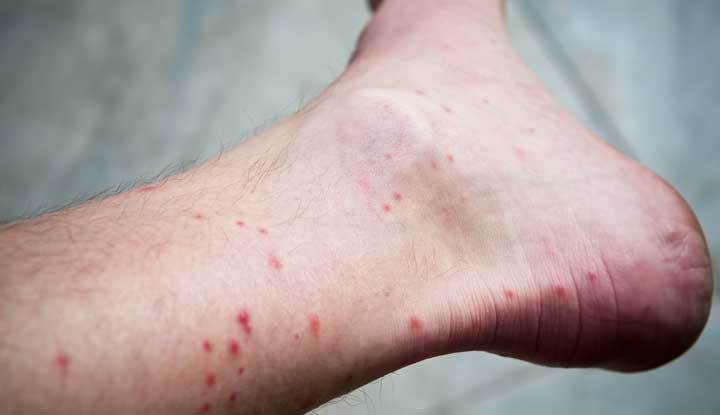
Credit: my.clevelandclinic.org
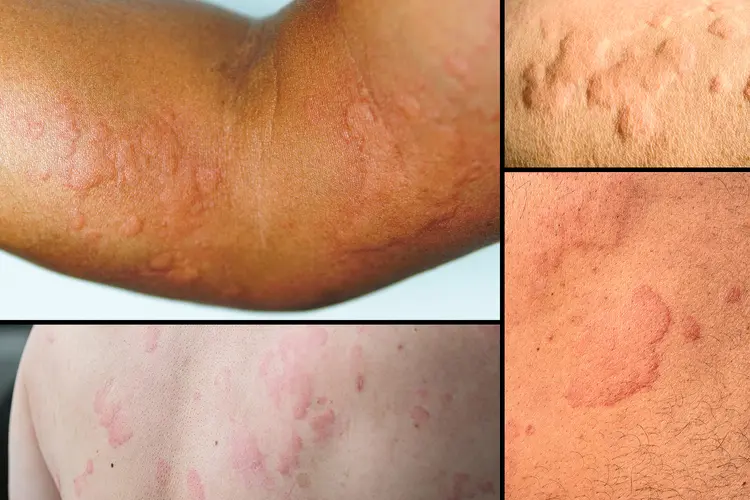
Credit: www.webmd.com
Frequently Asked Questions
Can I Use Human Rash Creams On My Dog Safely?
Some human rash creams are safe for dogs, but many contain harmful ingredients. Always consult a vet before applying any human medication to your dog’s skin.
What Human Medications Help Treat Dog Rashes?
Antihistamines like Benadryl can help allergic rashes in dogs. However, dosage and safety depend on your dog’s size and health, so vet guidance is essential.
When Should I Avoid Giving Human Meds To My Dog?
Avoid human meds if your dog has pre-existing conditions or is pregnant. Never use creams with steroids, painkillers, or unknown ingredients without vet advice.
How Do I Know If My Dog’s Rash Needs Medical Attention?
If the rash worsens, spreads, or your dog shows pain or fever, see a vet immediately. Persistent or severe rashes require professional diagnosis and treatment.
Conclusion
Human medications can sometimes help with dog rashes, but caution is key. Always check with a vet before giving your dog any medicine. Dogs react differently to human drugs, so safety comes first. Treating rashes early can make your dog feel better fast.
Watch for signs like itching, redness, or swelling. Proper care helps your furry friend stay happy and healthy. Remember, vets know best about your dog’s needs. Never guess or self-prescribe. Keeping your dog safe is the top priority.