Last Updated on October 17, 2026
Are you wondering if rosemary oil is safe for your dog? You want the best for your furry friend, but with so much information out there, it’s hard to know what’s truly safe.
Rosemary oil is popular for its natural benefits, but can it harm your pet? Before you use it around your dog, it’s important to get the facts. Keep reading to find out what you need to know to protect your dog’s health and make the right choice for your home.
Benefits Of Rosemary Oil For Dogs
Rosemary oil offers several benefits for dogs. It can support their health in natural ways. Many pet owners use it to help their dogs stay healthy and comfortable. This oil is known for its healing and protective properties. It can improve your dog’s skin, coat, and even protect against pests.
Natural Antimicrobial Properties
Rosemary oil fights bacteria and fungi naturally. This helps keep your dog’s skin free from infections. It can also help reduce bad odors caused by germs. Using rosemary oil carefully may support your dog’s overall skin health.
Improving Coat And Skin Health
Rosemary oil can make your dog’s coat shiny and soft. It helps soothe dry or itchy skin. The oil also supports healthy hair growth. Regular use may reduce dandruff and skin irritation in dogs.
Repelling Fleas And Ticks
Rosemary oil acts as a natural flea and tick repellent. It discourages these pests from staying on your dog. This reduces the risk of bites and infections. It is a safer option compared to some chemical repellents.
Potential Risks Of Rosemary Oil
Rosemary oil offers many benefits, but it also carries risks for dogs. Understanding these risks helps protect your pet’s health. Use caution and learn about potential dangers before applying rosemary oil to your dog.
Toxicity Concerns
Rosemary oil contains compounds that can be toxic to dogs in high amounts. Swallowing or heavy exposure may cause stomach upset. Symptoms include vomiting, diarrhea, and weakness. Large doses can affect the nervous system and breathing. Keep rosemary oil out of your dog’s reach.
Allergic Reactions
Some dogs may have skin allergies to rosemary oil. Signs include redness, itching, and swelling. Allergic reactions can also cause trouble breathing or coughing. Always test a small amount on your dog’s skin first. Stop use immediately if any irritation appears.
Effect On Dogs With Health Issues
Dogs with epilepsy or seizures may react badly to rosemary oil. It can increase the chance of seizures. Dogs with liver or kidney problems might not process the oil well. Consult a vet before using rosemary oil on dogs with health conditions. Safety first for your furry friend.
Safe Usage Guidelines
Using rosemary oil safely for dogs requires careful attention. The oil is strong and can cause harm if used incorrectly. Follow clear guidelines to protect your pet’s health. Always start with small amounts and watch your dog’s reaction closely.
Proper preparation and use help avoid skin irritation or upset stomach. Keep these safe usage tips in mind for the best results.
Proper Dilution Methods
Rosemary oil must be diluted before applying to dogs. Mix one drop of rosemary oil with at least 50 drops of a carrier oil. Good carrier oils include coconut oil, olive oil, or sweet almond oil. This lowers the oil’s strength and reduces risk of skin problems. Never apply pure rosemary oil directly on your dog.
Application Techniques
Apply diluted oil gently to your dog’s fur or skin. Use your fingers or a soft cloth to spread the oil. Avoid sensitive areas like eyes, nose, and inside ears. Do not let your dog lick the oil. Apply on small skin patches first to check for reactions. Stop use immediately if redness or itching occurs.
Recommended Dosage
Use very small amounts of rosemary oil for dogs. One to two drops of diluted oil per application is enough. Apply no more than twice a week. For small dogs, reduce the amount even more. Consult a vet before regular use, especially for puppies or sick dogs. Proper dosage keeps your dog safe and comfortable.

Credit: www.amazon.ae
Signs Of Rosemary Oil Poisoning
Rosemary oil is popular for many uses, but it can be harmful to dogs. Knowing the signs of rosemary oil poisoning is very important. Dogs may show clear symptoms that tell you something is wrong. Quick action can help keep your pet safe and healthy.
Watch your dog closely after any exposure to rosemary oil. Early signs often appear fast. Recognizing these signs can prevent serious health problems.
Common Symptoms To Watch For
Look for vomiting or diarrhea. These are common signs of poisoning. Your dog may also have trouble breathing or cough. Excessive drooling or shaking can occur too. Weakness and lack of coordination are serious symptoms. Some dogs show signs of skin irritation or redness. Watch for unusual behavior like restlessness or lethargy. These symptoms mean your dog needs help quickly.
Immediate Actions To Take
Remove your dog from the source of rosemary oil. Check their mouth and skin for any oil traces. Wipe off any oil you find carefully. Give fresh water to help dilute the poison. Avoid giving your dog food or medicine without vet advice. Call your vet or an animal poison control center right away. Follow their instructions closely for the best care. Keep calm and act fast to protect your dog.
Alternatives To Rosemary Oil
Rosemary oil is popular for its natural properties, but it may not suit every dog. Some pets have sensitive skin or allergies. Finding alternatives can protect your dog’s health without sacrificing care. Here are safer options to consider for flea and tick prevention.
Other Safe Essential Oils
Lavender oil is gentle and often safe for dogs. It helps repel insects and soothes skin. Chamomile oil also calms and protects against bugs. Always dilute essential oils before use. Test a small area first to check for reactions. Never apply oils near your dog’s eyes or nose.
Non-oil Flea And Tick Treatments
Physical barriers like flea collars and special shampoos work well. These products do not use oils but keep pests away. Regular grooming and cleaning your dog’s bed helps prevent infestations. Natural sprays with vinegar or lemon water can also deter fleas. Consult your vet before starting new treatments.

Credit: www.amazon.com
Consulting Your Veterinarian
Consulting your veterinarian is essential before using rosemary oil on your dog. Vets know your pet’s health history and can guide safe use. They help avoid risks and ensure your dog’s wellbeing.
Every dog reacts differently to essential oils. Some may have allergies or skin sensitivities. Your vet can spot these risks early. They provide advice on proper dosages and application methods.
When To Seek Professional Advice
Seek vet advice if your dog has health issues. Dogs with skin problems or breathing troubles need extra care. Ask before using rosemary oil on puppies or elderly dogs. If your dog shows unusual signs after using oil, contact your vet immediately.
Questions To Ask Your Vet
Ask if rosemary oil is safe for your dog’s breed and age. Inquire about the correct amount and how to apply it safely. Check for possible side effects or allergic reactions. Request alternatives if rosemary oil is not suitable. Clarify how often you can use the oil without harm.

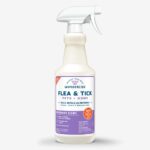
Credit: www.wondercide.com
Frequently Asked Questions
Is Rosemary Oil Toxic To Dogs?
Rosemary oil can be toxic to dogs if ingested in large amounts. Small amounts in diluted form are usually safe but consult a vet first.
Can Rosemary Oil Cause Allergic Reactions In Dogs?
Yes, some dogs may develop allergic reactions like itching or swelling. Always do a patch test before using rosemary oil on your dog.
How Should I Use Rosemary Oil Safely On Dogs?
Dilute rosemary oil with a carrier oil before applying. Avoid sensitive areas like eyes and nose. Consult your vet for proper guidance.
What Are The Benefits Of Rosemary Oil For Dogs?
Rosemary oil may help repel fleas and improve coat health. However, benefits vary and must be balanced with safety precautions.
Conclusion
Rosemary oil can be safe for dogs if used correctly and in small amounts. Always dilute the oil before applying it to your pet’s skin or fur. Avoid using rosemary oil near your dog’s eyes, nose, or mouth. Some dogs may have allergies or sensitivities, so watch for any unusual reactions.
When unsure, ask your vet for advice. Care and caution keep your dog safe and healthy. Simple steps make a big difference.