Last Updated on October 19, 2026
Have you ever noticed your dog constantly scratching or licking a particular spot on their skin? Those irritating areas, often called hot spots, can be painful and frustrating for your furry friend.
If you want to understand what causes these hot spots and how to treat them quickly, you’re in the right place. Keep reading to learn how you can help your dog feel comfortable again and prevent these troublesome skin problems from coming back.

Credit: vetnique.com
What Are Hot Spots
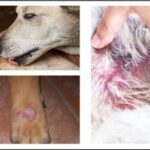
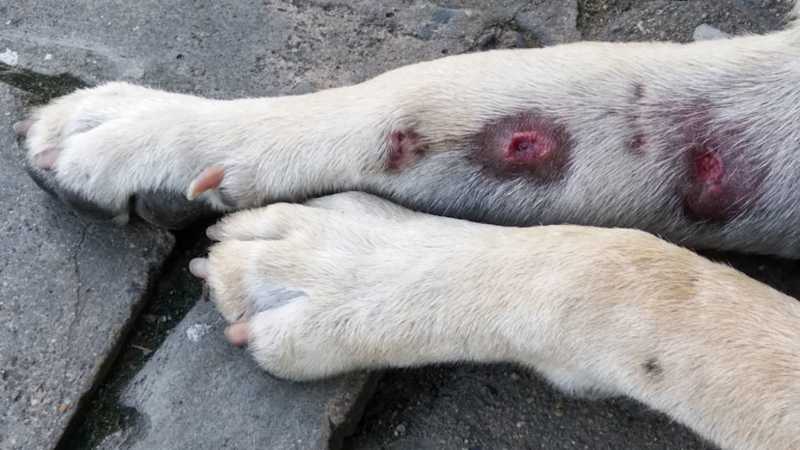
Hot spots are painful skin problems on dogs. They are also called acute moist dermatitis. These spots appear suddenly and can grow fast. They look red, wet, and inflamed. Hot spots can cause a lot of discomfort for your dog.
These areas are often itchy. Dogs may lick, bite, or scratch them a lot. This behavior makes the spots worse. Hot spots can happen anywhere on the body. Common places include the neck, hips, and legs.
Causes Of Hot Spots
Hot spots form because of skin irritation. Allergies, insect bites, or wounds can start the problem. Moisture trapped in the fur can also cause hot spots. Bacteria grow quickly in warm, wet places. This leads to infection and inflammation.
Symptoms To Watch For
Hot spots are easy to spot. The skin looks red and swollen. It may ooze or have a bad smell. Dogs with hot spots often scratch or bite the area. Hair may fall out around the spot. Your dog may seem restless or uncomfortable.
Why Hot Spots Spread Quickly
Dogs keep licking or biting the sore area. This action damages the skin more. The infection spreads under the skin. Hot spots can become larger in just a few hours. Early treatment is important to stop the spread.
Common Causes
Hot spots on dogs are red, itchy areas that can appear suddenly. These painful sores often result from constant licking and scratching. Understanding the common causes helps prevent and treat hot spots effectively. Here are the main reasons dogs develop these irritating skin problems.
Allergies And Irritants
Many dogs develop hot spots due to allergies. These can come from food, pollen, or household chemicals. Allergic reactions make the skin itchy and inflamed. The dog scratches or licks the spot, causing damage. This cycle worsens the sore and spreads the irritation.
Insect Bites And Parasites
Insect bites can trigger hot spots quickly. Fleas, ticks, and mites cause intense itching and discomfort. Dogs bite or scratch these areas to find relief. Parasite infestations often lead to multiple hot spots across the body. Treating parasites helps stop new sores from forming.
Skin Infections
Bacterial and fungal infections often cause hot spots. These infections develop in moist, damaged skin. Once the skin breaks, bacteria multiply and inflame the area. The infection increases itching and pain, making the dog lick more. Cleaning and medical treatment are needed to heal the infection.
Underlying Health Issues
Some health problems make dogs prone to hot spots. Conditions like ear infections, hormonal imbalances, or stress can trigger skin issues. These health problems weaken the skin’s defense. The dog’s body reacts by scratching and licking, causing hot spots to form. Proper diagnosis and treatment are important for relief.
Recognizing Symptoms
Hot spots on dogs can cause discomfort and pain. Recognizing the symptoms early helps treat the issue faster. Watch your dog carefully for any signs of skin problems. The following symptoms often show up when a hot spot develops.
Redness And Swelling
Redness is usually the first sign of a hot spot. The skin looks irritated and inflamed. Swelling often follows, making the area puffy and tender. The affected spot feels warm to the touch. These changes can appear quickly and grow bigger.
Itching And Scratching
Dogs with hot spots scratch or lick the area a lot. The itching can be intense and constant. Your dog may bite or chew the skin to try to relieve the pain. This behavior often worsens the hot spot, causing more damage.
Hair Loss And Oozing
Hair around the hot spot may fall out or break off. The skin can become moist and ooze clear or yellow fluid. This wetness attracts dirt and bacteria. The area might develop a bad smell if infection occurs.
Behavioral Changes
Dogs in pain may act differently than usual. They may seem restless or avoid touch near the hot spot. Some dogs become quieter or hide away. Watch for signs of discomfort and changes in mood.

Credit: lavengel.com
Preventing Hot Spots
Hot spots cause discomfort and pain in dogs. Preventing them helps keep your pet happy and healthy. Simple daily habits reduce the chance of these skin problems. Focus on grooming, pest control, diet, and the dog’s environment. These steps build strong protection against hot spots.
Regular Grooming
Brush your dog’s coat often. This removes dirt and loose hair. Check the skin for cuts or irritation. Bathing regularly keeps skin clean and less itchy. Use gentle shampoos made for dogs. Grooming helps spot early signs of skin issues.
Flea And Tick Control
Fleas and ticks cause itching and skin damage. Use vet-approved flea and tick treatments. Keep your dog’s bedding clean and dry. Check your dog’s skin after outside play. Early removal of pests stops hot spot development.
Balanced Diet
Feed your dog a healthy and balanced diet. Good nutrition supports skin and coat health. Include foods rich in omega-3 fatty acids. Avoid foods that cause allergies or sensitivities. A strong immune system helps fight skin infections.
Environmental Management
Keep your dog’s living area clean and dry. Remove damp or dirty bedding quickly. Avoid exposure to harsh weather conditions. Limit access to areas with dense vegetation or mud. A clean environment lowers the risk of skin problems.
Quick Relief Tips
Hot spots on dogs can cause pain and discomfort quickly. Acting fast helps ease your pet’s suffering. Follow these simple steps for quick relief and comfort.
Cleaning The Affected Area
Start by gently cleaning the hot spot. Use warm water and a mild, pet-safe cleanser. Avoid harsh soaps that can irritate the skin. Pat the area dry with a clean cloth. Keep the spot dry to prevent bacteria growth.
Applying Topical Treatments
Use a vet-approved ointment or spray to soothe the hot spot. These treatments reduce inflammation and help heal the skin. Apply the medication carefully, following package instructions. Avoid letting your dog lick the area after application.
Using Anti-itch Remedies
Anti-itch creams or sprays can calm your dog’s urge to scratch. Choose products made for pets to avoid side effects. You can also try a cool compress for temporary relief. Preventing scratching helps the hot spot heal faster.
When To Visit The Vet
See a vet if the hot spot worsens or spreads. Seek help if your dog shows signs of pain or fever. A vet can prescribe stronger medication if needed. Early treatment prevents complications and speeds recovery.
Credit: www.smalldoorvet.com
Long-term Care
Long-term care is key to keeping your dog’s skin healthy and free from hot spots. Hot spots can return if not managed well. Taking the right steps every day helps prevent new issues. This care improves your dog’s comfort and overall health.
Monitoring Skin Health
Check your dog’s skin regularly for redness or irritation. Early signs can be small and easy to miss. Look for hair loss or scabs too. Frequent checks help catch problems before they grow. Use gentle touch and good lighting for exams.
Managing Allergies
Allergies often cause hot spots in dogs. Identify what triggers your dog’s allergies. Common triggers include food, pollen, or dust mites. Work with your vet to find the cause. Avoid exposure to these allergens as much as possible. Allergy management reduces skin inflammation and itching.
Consistent Parasite Prevention
Parasites like fleas and ticks worsen hot spots. Use vet-approved flea and tick prevention year-round. Check your dog’s fur weekly for parasites. Parasite control stops bites that lead to skin problems. A clean environment also helps limit parasites.
Boosting Immune System
A strong immune system helps your dog heal faster. Feed a balanced diet with nutrients that support skin health. Regular exercise keeps your dog healthy and active. Avoid stress, which can weaken immunity. Healthy dogs fight infections and skin issues better.
Frequently Asked Questions
What Causes Hot Spots On Dogs?
Hot spots are caused by bacterial infections and skin irritation. They often develop from scratching, licking, or allergies. Moisture and poor grooming can worsen the condition. Identifying the cause helps in effective treatment and prevention.
How To Identify Hot Spots On Dogs?
Hot spots appear as red, inflamed, and moist patches on the skin. They may ooze or have a foul odor. Dogs often scratch or lick these areas excessively. Early detection is crucial for quick healing and comfort.
Can Hot Spots On Dogs Be Prevented?
Yes, regular grooming and keeping your dog dry prevent hot spots. Managing allergies and flea control also helps. Avoid letting your dog scratch or lick irritated areas to reduce risk. Prompt treatment of minor wounds is important.
When Should I See A Vet For Hot Spots?
Visit a vet if hot spots worsen, spread, or don’t heal in a few days. Severe itching, swelling, or fever require professional care. Early vet intervention prevents complications and speeds recovery.
Conclusion
Hot spots on dogs can cause pain and discomfort. Early care helps prevent infections and spreading. Keep your dog clean and dry to avoid hot spots. Watch for redness, itching, or hair loss on your pet. Visit the vet if the area worsens or doesn’t heal.
Proper grooming and a healthy diet support your dog’s skin. Regular checks help catch problems before they grow. Healthy skin means a happy, active dog. Stay attentive and care for your dog’s well-being every day.