Last Updated on October 17, 2026
If your dog is scratching or licking a painful patch of skin, you know how frustrating it can be to watch them suffer. Hot spots can appear suddenly and cause a lot of discomfort for your furry friend.
You might be wondering if there’s a simple, natural way to help ease their irritation. That’s where coconut oil comes in. This natural remedy has caught the attention of many pet owners, but does it really work? Keep reading to discover how coconut oil can help your dog’s hot spots and whether it’s the right choice for your pet’s skin care.
What Are Dog Hot Spots
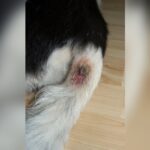
Dog hot spots are red, irritated areas on your pet’s skin. They appear suddenly and can grow fast. These spots are often very itchy and painful for dogs. Hot spots can cause your dog to scratch, bite, or lick the area nonstop. This behavior can make the problem worse and spread the irritation.
Understanding what causes hot spots helps you protect your dog. Early detection of symptoms can lead to quicker relief. Treating hot spots properly keeps your dog comfortable and healthy.
Common Causes
Hot spots usually start from an injury or irritation. Flea bites often trigger these spots. Allergies to food, pollen, or dust can also cause hot spots. Moisture trapped in the fur, especially after swimming, can worsen the condition. Stress or boredom may lead dogs to lick or chew their skin. Bacterial infections often develop in these irritated areas.
Symptoms To Watch For
Look for red, swollen patches on your dog’s skin. The fur around the area might fall out. Your dog may scratch or bite the spot constantly. The skin can become wet or crusty. Sometimes, hot spots have a bad smell. Your dog might seem restless or uncomfortable. Early signs help you act fast to stop the spread.

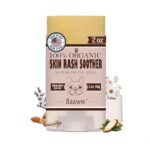
Credit: www.amazon.com
Benefits Of Coconut Oil For Dogs
Coconut oil offers many benefits for dogs, especially those with hot spots. It supports skin health and helps reduce discomfort. Applying coconut oil can improve the condition of irritated skin. Dogs with hot spots often show faster recovery after using coconut oil. The natural properties of coconut oil work gently but effectively on dog skin.
Antibacterial And Antifungal Properties
Coconut oil contains substances that fight bacteria and fungi. These properties help prevent infections on hot spots. It stops harmful microbes from growing on your dog’s skin. This keeps the affected area cleaner and safer. Using coconut oil can reduce the chance of infection spreading.
Soothing Skin Irritations
Coconut oil calms irritated and itchy skin. It provides relief from burning and redness. The oil moisturizes dry, flaky spots gently. This soothing effect makes dogs feel more comfortable. Regular use helps to reduce scratching and biting at the hot spot.
Promoting Faster Healing
Coconut oil supports the skin’s natural healing process. It helps damaged skin repair quicker and better. The oil encourages new skin growth on hot spots. Healing is often faster with regular application. This means your dog recovers sooner and feels better.
How To Use Coconut Oil On Hot Spots
Using coconut oil on your dog’s hot spots can soothe the irritated skin and help speed up healing. It works by moisturizing the area and fighting bacteria naturally. Proper use ensures the best results and keeps your dog comfortable.
Choosing The Right Coconut Oil
Pick pure, organic, virgin coconut oil. Avoid refined or scented types. These may contain chemicals that irritate your dog’s skin. Virgin coconut oil has natural antibacterial and anti-inflammatory properties. Always check the label for 100% pure coconut oil.
Preparing The Affected Area
Gently trim the fur around the hot spot. This helps the oil reach the skin better. Clean the area with warm water. Pat it dry with a soft cloth. Avoid harsh soaps or chemicals that can cause more irritation.
Application Techniques
Use clean hands to apply a thin layer of coconut oil. Massage it gently into the hot spot. Avoid rubbing too hard to prevent pain. Let your dog lick the area if needed, but try to keep the oil on the skin as long as possible.
Frequency And Dosage
Apply coconut oil twice daily for best results. Use a small amount, about a pea-sized dollop. More oil does not speed healing and may cause mess. Watch your dog’s reaction and adjust the amount if needed.

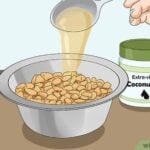
Credit: www.innovetpet.com
Precautions And When To Avoid
Using coconut oil on dog hot spots can be helpful but requires care. Some situations need caution or professional advice. Learn when to avoid coconut oil and keep your dog safe.
Potential Allergic Reactions
Some dogs may be allergic to coconut oil. Watch for redness, itching, or swelling after application. Stop using coconut oil if any irritation appears. Always test a small area first to check for allergies.
Hot Spots Needing Veterinary Care
Hot spots that are large, deep, or very painful need a vet’s attention. If the area is oozing pus, bleeding, or smells bad, avoid home treatment. These signs mean infection or serious skin problems. A vet can provide the right treatment.
Avoiding Overuse
Too much coconut oil can make the skin greasy and attract dirt. Use only a small amount on the hot spot. Overuse may delay healing or cause more irritation. Follow recommended amounts and frequency for best results.
Additional Natural Remedies To Combine
Using coconut oil on dog hot spots can help soothe and heal the skin. Combining it with other natural remedies can improve results. These remedies work gently to reduce itching and inflammation. They also support skin repair without harsh chemicals.
Aloe Vera
Aloe vera gel is a natural healer for irritated skin. It cools redness and calms itching fast. Apply pure aloe vera gel directly to the hot spot. It also helps moisturize dry, cracked skin. Make sure the gel is free from added chemicals.
Oatmeal Baths
Oatmeal is great for soothing itchy skin. A lukewarm oatmeal bath can calm your dog’s hot spots. Grind plain oatmeal into a fine powder and mix it with water. Let your dog soak for 10 to 15 minutes. This bath helps reduce inflammation and clears the skin.
Calendula
Calendula is a gentle herb with healing properties. It fights bacteria and speeds up skin repair. Use calendula cream or diluted calendula tea as a rinse. Apply it carefully on the affected area. Calendula is safe and effective for sensitive skin.
Tips For Preventing Hot Spots
Hot spots can cause pain and discomfort for dogs. Preventing them helps keep your pet happy and healthy. Simple daily habits reduce the risk of hot spots. Focus on grooming, diet, and allergy management.
Regular Grooming
Brush your dog’s coat often to remove dirt and loose hair. This stops skin irritation and mats that trap moisture. Trim long fur around problem areas to let skin breathe. Check for cuts or bugs during grooming sessions. Clean your dog’s skin gently with mild shampoo to avoid dryness.
Proper Diet And Hydration
Feed your dog a balanced diet with essential nutrients. Healthy skin needs vitamins, minerals, and fatty acids. Keep fresh water available all day to prevent dehydration. Hydrated skin heals faster and stays strong. Avoid food that causes allergies or upset stomachs.
Managing Allergies And Parasites
Identify any allergies your dog may have and avoid triggers. Use vet-approved treatments for fleas, ticks, and mites. Parasites irritate the skin and cause scratching. Regular checkups help catch allergies early. A calm, clean environment also reduces allergy risks.

Credit: www.amazon.com
Frequently Asked Questions
Can Coconut Oil Help Heal Dog Hot Spots?
Yes, coconut oil has natural antibacterial and anti-inflammatory properties. It soothes irritation and promotes faster healing of dog hot spots when applied topically.
How Often Should I Apply Coconut Oil On Hot Spots?
Apply coconut oil two to three times daily on the affected area. Consistent use helps reduce itching and supports skin repair effectively.
Is Coconut Oil Safe For Dogs With Hot Spots?
Coconut oil is generally safe for dogs when used externally. Always test a small skin area first and consult your vet if unsure.
Can Coconut Oil Prevent Dog Hot Spots From Returning?
Regular use of coconut oil can moisturize skin and reduce dryness. This may lower the chances of hot spots recurring in some dogs.
Conclusion
Coconut oil can help soothe your dog’s hot spots. It reduces itching and keeps skin moist. Use it carefully and watch for any reactions. Always clean the area before applying oil. Remember, it supports healing but does not replace vet care.
Keep your dog comfortable and check spots often. Healthy skin means a happy dog. Simple care makes a big difference. Try coconut oil as part of your pet’s routine.