
Last Updated on October 18, 2026
If your dog is constantly scratching, licking, or showing signs of discomfort, you know how tough it is to watch them suffer. Allergies can make your furry friend miserable, and finding a safe, natural solution can feel overwhelming.
What if there was a simple remedy you might already have at home that could help ease your dog’s allergies? Apple cider vinegar has been gaining attention for its potential to soothe skin irritation and reduce allergic reactions in dogs.
Keep reading to discover how this natural ingredient might bring relief to your dog and improve their quality of life.
Causes Of Dog Allergies
Dog allergies happen when a dog’s immune system reacts to certain substances. These substances are called allergens. The immune system sees allergens as threats and tries to fight them. This causes signs of allergies in dogs. Understanding what causes allergies helps to manage and reduce symptoms.
Common Allergens Affecting Dogs
Many things can trigger allergies in dogs. Pollen from trees, grass, and weeds is a common allergen. Dust mites found in homes also cause allergies. Molds and fungi can irritate a dog’s skin and nose. Some dogs react to certain foods like beef, dairy, or wheat. Flea bites are another common cause of allergic reactions. Chemicals in cleaning products or shampoos may trigger allergies too.
Symptoms To Watch For
Dog allergies show in many ways. Itchy skin and constant scratching are clear signs. Red or swollen skin often appears on paws, face, or belly. Dogs may lick or chew their paws a lot. Hair loss or bald patches can develop over time. Sneezing, coughing, or watery eyes may happen too. Watch for ear infections or a bad smell from ears. These symptoms mean a dog might have allergies.
Benefits Of Apple Cider Vinegar
Apple cider vinegar offers many benefits for dogs with allergies. It can help ease discomfort and improve skin health naturally. Many dog owners use it as a gentle and effective way to support their pets.
This natural remedy works in several ways to reduce allergy symptoms and support healing. It can soothe irritated skin and fight off bacteria that cause infections. Using apple cider vinegar safely can make a big difference in your dog’s well-being.
Natural Antibacterial Properties
Apple cider vinegar has strong antibacterial qualities. It helps kill harmful bacteria on your dog’s skin. This can prevent infections that often come with allergies.
Applying it in the right way can reduce itchiness and redness. It also stops bacteria from growing in wounds or scratches. This keeps your dog’s skin clean and healthy.
Anti-inflammatory Effects
Apple cider vinegar can calm inflamed skin. Allergies often cause swelling and irritation. This vinegar helps lower that inflammation naturally.
Less swelling means your dog feels less pain and discomfort. The anti-inflammatory effect supports faster healing and better skin health. It is a gentle option for sensitive skin types.
How Apple Cider Vinegar Helps Allergies
Apple cider vinegar can help ease dog allergies in several ways. It works naturally to calm skin problems and restore balance. Many pet owners use it as a gentle remedy to support their dog’s comfort.
Soothing Skin Irritations
Apple cider vinegar has natural properties that calm itchy skin. It can reduce redness and inflammation caused by allergies. Applying a diluted mix to your dog’s skin may help relieve discomfort. This vinegar acts as a mild antiseptic, which can prevent infections from scratching. It soothes irritated spots, making your dog feel better.
Balancing Ph Levels
The vinegar helps keep your dog’s skin pH balanced. Allergies can upset this balance, causing dryness and itchiness. Apple cider vinegar restores the skin’s natural acidity, which protects against bacteria. A healthy pH level supports the skin’s barrier function. This balance helps reduce allergic reactions and promotes healing.
Credit: www.akcpetinsurance.com
Safe Ways To Use Apple Cider Vinegar
Apple cider vinegar (ACV) can help soothe dog allergies safely. Using it the right way is important to avoid harm. This section shows safe methods to apply ACV for your dog’s skin and coat. Follow these tips to protect your pet while easing allergy symptoms.
Topical Applications
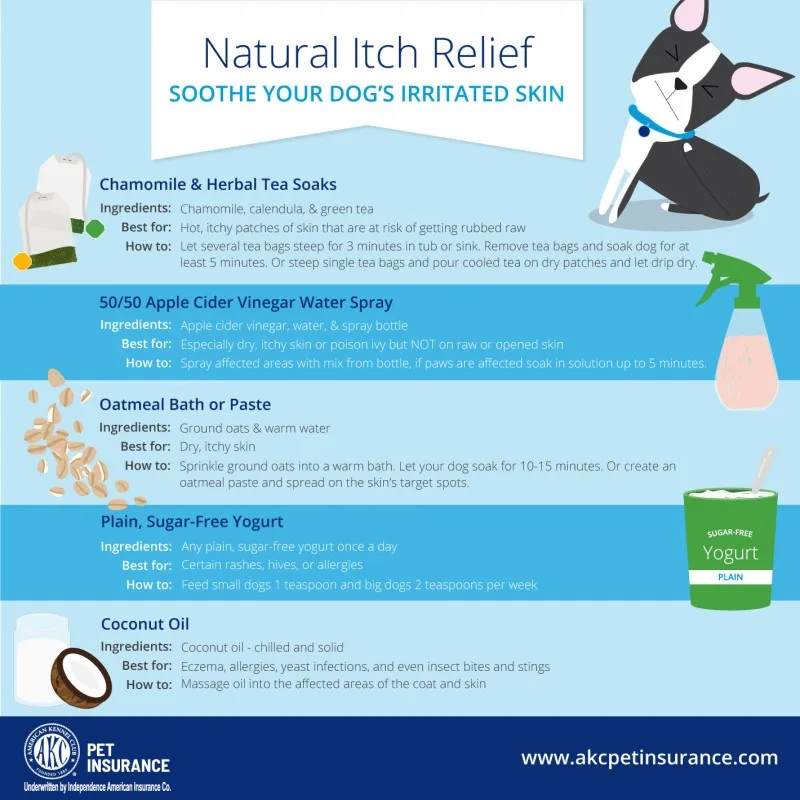
ACV works well as a skin rinse or spray. It can reduce itching and fight bacteria. Use a clean cloth or spray bottle for easy application. Avoid soaking your dog’s fur completely. Lightly apply ACV to the affected area. Let it dry naturally to keep skin fresh.
Dilution Guidelines
Always dilute apple cider vinegar before use. A common mix is one part ACV to one part water. For sensitive skin, use two parts water to one part ACV. Undiluted vinegar can burn or irritate your dog’s skin. Dilution ensures safety while keeping ACV effective.
Avoiding Sensitive Areas
Never apply ACV near your dog’s eyes, nose, or mouth. These areas are very sensitive and may sting. Use extra care around open wounds or raw skin. If your dog shows discomfort, stop applying immediately. Protecting these areas prevents pain and further irritation.
Homemade Apple Cider Vinegar Remedies
Apple cider vinegar (ACV) is a natural remedy for dog allergies. It helps soothe irritated skin and reduce itching. Many pet owners prefer homemade ACV treatments for their dogs. These remedies are easy to make at home. They use simple ingredients and provide fast relief.
Homemade ACV remedies can target different allergy symptoms. They are safe when used correctly. Always dilute ACV before applying to your dog’s skin. Pure vinegar may cause burns or irritation. Below are two easy ways to use ACV for itchy skin and baths.
Diy Sprays For Itchy Skin
Mix equal parts of water and apple cider vinegar in a spray bottle. Shake well before each use. Spray the solution gently on your dog’s itchy areas. Avoid open wounds or raw skin. Let it air dry. The ACV spray helps balance skin pH and reduce bacteria. Use twice daily for the best effect.
Soothing Baths
Add one cup of apple cider vinegar to a warm bath. Fill the tub with enough water to cover your dog. Let your dog soak for 5 to 10 minutes. The vinegar helps relieve itching and fights skin infections. Rinse your dog with clean water afterward. Use this bath once or twice a week for relief.
Credit: www.dogsnaturallymagazine.com
Precautions And When To Avoid
Apple cider vinegar can help with dog allergies, but it is not for every dog. Some dogs might have bad reactions. Knowing the right way to use it is very important. This section explains the risks and when to avoid using apple cider vinegar on your dog.
Potential Side Effects
Apple cider vinegar can cause skin irritation. It might make itching worse for some dogs. Dogs with open wounds should not use it. Vinegar is acidic and may burn sensitive skin. Some dogs may also have stomach upset if they ingest it. Watch for redness, swelling, or discomfort after use. Stop using it if your dog shows any signs of distress.
Consulting Your Veterinarian
Always talk to your vet before starting apple cider vinegar. Your vet knows your dog’s health history best. They can advise if vinegar is safe for your dog. This is important for dogs with existing health problems. Your vet can suggest the right dose and method. Getting professional advice helps avoid harm and ensures safe use.
Additional Natural Allergy Relief Tips
Apple cider vinegar helps with dog allergies, but other natural tips can ease symptoms too. Small changes at home and in diet can reduce your dog’s itchiness and discomfort. These simple steps work well alongside apple cider vinegar treatments.
Dietary Adjustments
Changing your dog’s food can lower allergy reactions. Choose high-quality, grain-free dog food to avoid common allergens. Adding omega-3 fatty acids from fish oil helps reduce inflammation. Fresh fruits and vegetables provide vitamins that support your dog’s immune system. Avoid feeding table scraps or foods with preservatives and dyes.
Environmental Changes
Clean your dog’s bedding and toys often to remove dust and pollen. Use a vacuum with a HEPA filter to reduce allergens in your home. Keep windows closed during high pollen seasons to limit exposure. Bath your dog regularly using gentle, hypoallergenic shampoos. Trim your dog’s hair to prevent pollen and dirt from sticking to their skin.
Credit: www.saratogadoglovers.com
Frequently Asked Questions
Can Apple Cider Vinegar Relieve Dog Allergy Symptoms?
Apple cider vinegar can help reduce itching and inflammation in dogs. It acts as a natural antiseptic and balances skin pH. However, it’s not a cure and should be used alongside vet advice.
How To Apply Apple Cider Vinegar For Dog Allergies?
Dilute apple cider vinegar with water (50/50 ratio) before applying. Use a spray bottle to mist affected areas or gently wipe with a cloth. Avoid open wounds and eyes for safety.
Is Apple Cider Vinegar Safe For All Dogs?
Most dogs tolerate diluted apple cider vinegar well. However, some may have skin sensitivities or allergies. Always do a patch test first and consult your vet before starting treatment.
Can Apple Cider Vinegar Prevent Dog Allergies?
Apple cider vinegar cannot prevent allergies but can ease symptoms. It supports skin health and reduces bacteria that worsen allergic reactions. Prevention relies on avoiding allergens and following veterinary care.
Conclusion
Apple cider vinegar can help ease your dog’s allergy symptoms. It may reduce itching and improve skin health. Always dilute it before use to avoid irritation. Watch your dog closely for any bad reactions. Talk to your vet to make sure it’s safe.
Natural remedies like this can support your dog’s comfort. Small steps often lead to big improvements. Keep your dog happy and itch-free. Simple care makes a difference.