
Last Updated on May 30, 2026
If your dog is scratching nonstop or has red, irritated spots, you know how frustrating it can be—for both of you. Hotspots are painful, itchy areas that can quickly get worse if not treated right.
What if you could use a simple, natural solution to help soothe your furry friend? Apple cider vinegar (ACV) might be just what you need. You’ll discover how ACV works for hotspots on dogs, how to use it safely, and the tips to make your dog feel better fast.
Keep reading to learn how to bring relief to your pet without harsh chemicals or expensive treatments.

Credit: www.homesalive.ca
Causes Of Hotspots In Dogs
Hotspots on dogs are painful skin sores that appear suddenly. These areas become red, wet, and itchy. Understanding the causes of hotspots helps in preventing and treating them effectively.
Several factors can trigger hotspots in dogs. Some are simple irritations, while others are linked to health issues. Knowing these causes makes it easier to protect your dog’s skin.
Common Triggers
Hotspots often start from small wounds or scratches. Dogs scratch or bite these spots, making them worse. Fleas and ticks can cause itching that leads to hotspots. Poor grooming and trapped moisture also increase the risk. Dogs with thick fur may be more prone to these skin problems.
Role Of Allergies
Allergies are a major cause of hotspots. Dogs can be allergic to food, pollen, or dust mites. Allergic reactions make the skin itchy and inflamed. Constant scratching damages the skin, creating hotspots. Identifying and managing allergies helps reduce outbreaks.
Environmental Factors
Heat and humidity make hotspots more common. Wet or dirty environments encourage bacterial growth on the skin. Dogs spending time outside in wet conditions face higher risks. Clean, dry living areas can prevent many hotspots. Seasonal changes may also affect how often hotspots appear.
Benefits Of Apple Cider Vinegar
Apple cider vinegar (ACV) offers several benefits for dogs with hotspots. It is a natural product that helps soothe and heal irritated skin. Many pet owners use ACV to support their dog’s skin health safely and effectively.
Antibacterial Properties
ACV helps fight bacteria that cause hotspots. It creates an environment where bacteria cannot grow easily. This reduces infection risks and keeps the skin cleaner. Using ACV may help prevent hotspots from getting worse.
Anti-inflammatory Effects
ACV can reduce swelling and redness around hotspots. Its natural acids calm the skin and relieve discomfort. This helps your dog feel more comfortable and less itchy. The soothing effect supports faster healing.
Natural Healing Support
ACV encourages the skin to heal naturally. It balances the skin’s pH, which promotes repair. ACV also helps remove dead skin and debris from the area. This creates a better environment for healing hotspots.
Safe Application Methods
Applying apple cider vinegar (ACV) safely on your dog’s hotspots is important. Hotspots can be painful and itchy. ACV helps soothe and clean these areas. Using it the right way avoids irritation and keeps your dog comfortable. Follow these safe application methods for the best results.
Dilution Guidelines
Always dilute ACV before use. Mix one part ACV with two parts water. This lowers the vinegar’s strength and reduces skin irritation. Use a clean container to mix the solution. Never apply undiluted ACV directly on your dog’s skin. Test a small spot first to check for sensitivity.
Topical Use Tips
Use a cotton ball or soft cloth to apply ACV. Dab gently on the hotspot area. Avoid rubbing hard, which can hurt the skin. Apply twice a day for quick relief. Let the skin dry naturally after application. Do not cover the area tightly, so it can breathe.
Avoiding Sensitive Areas
Keep ACV away from your dog’s eyes, nose, and mouth. These areas are very sensitive and can sting. Do not use ACV on open wounds or raw skin. Focus only on the hotspot and surrounding fur. Use extra care to avoid any discomfort during application.

Credit: www.thepetgourmet.com
Complementary Natural Remedies
Natural remedies can support your dog’s healing process for hotspots. These treatments soothe skin irritation and help reduce redness. Using gentle, plant-based options can calm discomfort and promote faster recovery.
Many pet owners prefer natural solutions alongside standard care. These remedies often have fewer side effects. They also help maintain your dog’s skin health over time.
Aloe Vera Gel
Aloe vera gel is a natural moisturizer and healer. It cools inflamed skin and reduces itching. Apply pure aloe vera gel directly to the hotspot area. Avoid gels with added chemicals or alcohol. Aloe vera supports skin repair and fights bacteria.
Coconut Oil
Coconut oil has antibacterial and antifungal properties. It helps to soothe irritated skin and reduce inflammation. Rub a small amount of coconut oil on the affected spot. The oil also moisturizes dry skin and prevents cracking. Use virgin, unrefined coconut oil for best results.
Herbal Supplements
Herbal supplements can strengthen your dog’s immune system. Herbs like chamomile, calendula, and turmeric help reduce inflammation. These supplements support skin health from inside the body. Always check with your vet before giving herbs. Proper dosage ensures safety and effectiveness.
Preventing Future Hotspots
Preventing future hotspots on dogs is important to keep them comfortable and healthy. Hotspots can cause pain and irritation. Taking steps to prevent them helps your dog avoid discomfort and skin problems. Simple daily care can make a big difference.
Regular Grooming
Groom your dog often to keep the skin clean and dry. Brushing removes dirt, loose hair, and moisture. This reduces the chance of bacteria growing. Check the skin for any signs of redness or irritation. Bathing with gentle shampoo also helps keep the skin healthy.
Balanced Diet
Feed your dog a healthy diet rich in nutrients. Good nutrition supports strong skin and a good immune system. Include foods with omega-3 fatty acids to reduce inflammation. Avoid foods that cause allergies or upset your dog’s stomach. A balanced diet keeps your dog’s skin strong and less prone to hotspots.
Stress Management
Stress can weaken your dog’s immune system. A stressed dog may lick or scratch more, causing hotspots. Provide a calm environment and regular playtime. Spend time with your dog to reduce anxiety. A relaxed dog is less likely to develop skin problems.
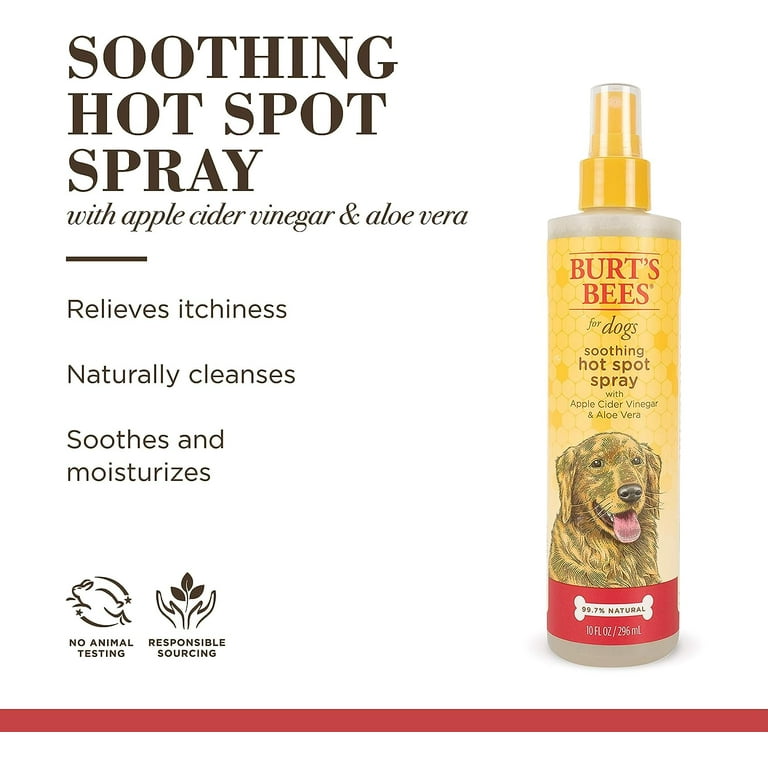
Credit: www.walmart.com
When To See A Veterinarian
Knowing when to see a veterinarian is important for your dog’s health. Hotspots can sometimes heal on their own, but other times they need expert care. Recognizing the signs that need professional attention helps prevent serious problems. This section explains when to seek veterinary help for your dog’s hotspots.
Signs Of Infection
Watch for redness that spreads quickly. Swelling and oozing pus show infection. Your dog may lick or scratch the area often. A bad smell can come from the hotspot. These signs mean the infection needs medical care.
Persistent Symptoms
If the hotspot does not improve in a few days, see a vet. Constant itching or pain is a warning. Hotspots that grow larger need treatment. Your dog’s behavior may change if pain is severe. Don’t wait too long to get help.
Professional Treatments
Veterinarians can clean and treat hotspots safely. They may prescribe antibiotics or medicated shampoos. Sometimes, dogs need pain relief or special creams. A vet can check for underlying causes. Proper treatment speeds healing and stops spreading.
Frequently Asked Questions
What Is Acv And How Does It Help Dog Hotspots?
ACV stands for apple cider vinegar. It has antibacterial and antifungal properties. Applying diluted ACV can soothe hotspots and reduce itching on dogs. Always dilute before use to avoid irritation.
How Do I Use Acv Safely On My Dog’s Hotspots?
Dilute ACV with equal parts water. Spray or gently apply with a cotton ball on the hotspot. Avoid open wounds or raw skin to prevent stinging or discomfort.
Can Acv Prevent Hotspots From Recurring In Dogs?
Regularly cleaning your dog’s skin with diluted ACV may help balance bacteria. This can reduce the chance of hotspots returning. However, proper grooming and diet are also essential.
Are There Any Risks Using Acv For Dog Hotspots?
Using undiluted ACV can irritate or burn your dog’s skin. Avoid applying ACV on open wounds. Consult your vet if the hotspot worsens or persists despite treatment.
Conclusion
Apple cider vinegar can help soothe your dog’s hotspots safely. Always dilute it before applying to avoid irritation. Watch your dog closely for any signs of discomfort. Consistent care and cleanliness support healing and prevent new spots. Consult your vet if hotspots worsen or do not improve.
Natural remedies like ACV work best with proper guidance. Keep your dog comfortable and healthy with simple, gentle care. Small steps make a big difference in your pet’s well-being.