
Last Updated on September 13, 2026
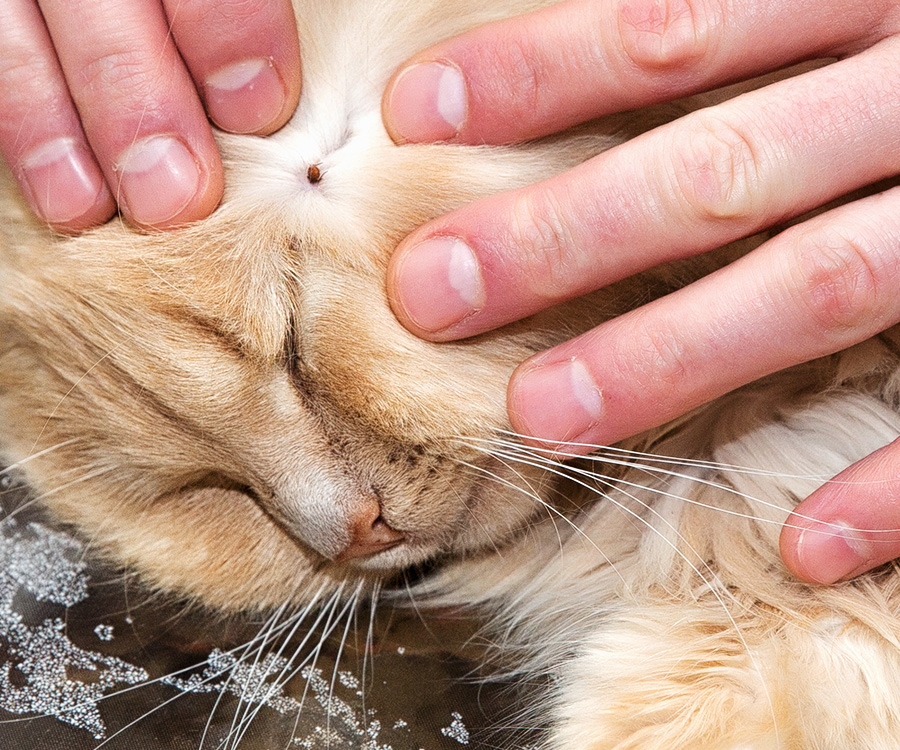
To get rid of ticks on kittens, start by using a fine-toothed comb. Remove ticks gently with tweezers, ensuring not to squeeze them.
Ticks can be a big problem for your little kitten. These parasites latch onto the skin, causing discomfort and potential health issues. Removing ticks quickly is crucial to prevent these problems. In this blog post, we’ll guide you on how to safely and effectively get rid of ticks on your kitten.
You’ll learn step-by-step methods, tips for preventing future tick infestations, and the best products to use. Keeping your kitten tick-free ensures they stay healthy and happy. Let’s dive into the details and protect your furry friend from these pesky pests.
Identifying Ticks On Kittens
Identifying ticks on kittens is crucial for their health and comfort. Ticks are tiny parasites that can cause serious health issues. Knowing how to spot them early helps prevent problems.
Signs Of Tick Infestation
Ticks are small, but they leave noticeable signs on kittens. Look for tiny, dark bumps on the kitten’s skin. These bumps may appear on the neck, ears, or between the toes. Scratching or biting at these areas is also a sign. If the kitten seems more tired than usual, check for ticks. A heavy tick infestation can make kittens weak and sick.
Common Tick Species
There are several tick species that can infest kittens. The most common ones are the brown dog tick, the American dog tick, and the deer tick. The brown dog tick is reddish-brown and often found in homes. The American dog tick has a white pattern on its back and prefers grassy areas. Deer ticks are smaller and can transmit Lyme disease. Each tick species can cause different health issues. Knowing the type of tick helps in choosing the right treatment.
:strip_icc()/home-remedies-for-fleas-on-cats-4580388_source_file-31aafc6d7e544c60ba1b9d34119c1e7a.jpg)
Credit: www.thesprucepets.com
Preparing For Tick Removal
Getting rid of ticks on kittens requires careful preparation. This ensures the process is safe and stress-free for your feline friend. Let’s break down the steps to prepare properly.
Gathering Necessary Supplies
Before you start, gather all the supplies you need. This will make the process smoother. Here’s a list of items to collect:
- Tick removal tool or fine-tipped tweezers
- Pair of gloves
- Small container with a lid
- Rubbing alcohol
- Antiseptic ointment
- Clean cloth or cotton balls
Tick removal tools are specially designed to pull ticks out safely. If you don’t have one, fine-tipped tweezers work too.
Gloves protect your hands from contact with the tick. Keep a small container handy to store the tick once removed. You’ll also need rubbing alcohol to clean the area and antiseptic ointment to apply afterward. A clean cloth or cotton balls will help in cleaning the kitten’s skin.
Creating A Calm Environment
Kittens can get nervous during tick removal. Creating a calm environment is essential. Follow these tips to keep your kitten relaxed:
- Choose a quiet room with minimal distractions.
- Use a soft, comfortable surface like a towel.
- Speak in a soothing voice to your kitten.
- Have someone help you hold the kitten if needed.
A quiet room helps reduce stress. Place your kitten on a soft, comfortable surface such as a towel. Speak in a soothing voice to reassure your pet. If possible, have someone assist you by gently holding the kitten.
Remember, your kitten’s comfort is crucial. Take breaks if necessary and ensure your kitten feels safe throughout the process.
Manual Tick Removal
Ticks on kittens can be a serious concern. Manual removal is one of the most effective methods to get rid of these pests. This method requires patience and care to ensure the tick is fully removed. Below, we’ll explore two common techniques for manual tick removal.
Using Tweezers
Tweezers are a simple and effective tool. You need a pair of fine-tipped tweezers. Grab the tick as close to your kitten’s skin as possible. Pull the tick out slowly and steadily. Do not twist or jerk the tick. This might break the tick, leaving parts behind.
After removal, clean the area with antiseptic. Dispose of the tick by placing it in alcohol. Never crush a tick with your fingers. Wash your hands thoroughly afterward.
Using Tick Removal Tools
Special tick removal tools can make the job easier. These tools are designed to remove ticks safely. Place the tool around the tick. Gently pull upwards without twisting. The tick should come out whole.
Clean the bite area with antiseptic after removal. Dispose of the tick in alcohol. Do not use your hands to crush the tick. Wash your hands thoroughly once done. These tools often come with instructions. Follow them carefully for the best results.
Post-removal Care
After successfully removing a tick from your kitten, post-removal care is crucial to ensure your kitten’s health. Proper care helps prevent infections and promotes faster healing. Let’s delve into the steps for post-removal care.
Cleaning The Bite Area
First, clean the bite area. Use a cotton ball soaked in antiseptic solution. Gently dab the spot to disinfect it. This helps prevent any bacteria from causing an infection.
Next, you can apply a small amount of antibiotic ointment. This will help soothe the area and promote faster healing. Make sure your kitten does not lick the ointment. You can distract her with a toy or treat.
Monitoring For Infections
After cleaning the bite area, monitor the spot for signs of infection. Check for:
- Redness
- Swelling
- Pus
- Increased warmth
If you notice any of these signs, consult your vet immediately. Early detection of infection ensures your kitten receives prompt care.
Keep an eye on your kitten’s behavior. If she seems lethargic or loses appetite, she may need medical attention. Always be vigilant and proactive about her health.
Using Tick Preventatives
Keeping your kitten safe from ticks is crucial. These tiny pests can cause significant health issues. Using tick preventatives is a reliable way to protect your furry friend. This guide explains two effective methods: topical treatments and oral medications.
Topical Treatments
Topical treatments are a popular choice for many pet owners. These treatments involve applying a liquid solution directly to your kitten’s skin. The solution usually goes on the back of the neck, where your kitten cannot lick it off.
Topical treatments work by killing ticks on contact. They provide protection for up to a month. Always check the label to ensure the product is safe for kittens. Not all tick treatments are suitable for young cats.
Here are some tips for using topical treatments:
- Read the instructions carefully before application.
- Part the fur to apply the solution directly to the skin.
- Avoid bathing your kitten for 24-48 hours after application.
- Monitor your kitten for any adverse reactions.
Oral Medications
Oral medications are another effective way to prevent ticks. These medications come in chewable tablets or capsules. They work by killing ticks when they bite your kitten.
Oral medications provide protection for up to three months. They are easy to administer and often flavored to appeal to your kitten. Consult your vet to choose the right product for your pet.
Follow these steps when using oral medications:
- Get the correct dosage based on your kitten’s weight.
- Give the medication with food to reduce stomach upset.
- Observe your kitten for any signs of allergic reactions.
- Repeat the dose as recommended by your vet.
Both topical treatments and oral medications are effective tick preventatives. Choose the method that best suits your kitten’s needs and your lifestyle. Always consult your vet before starting any tick prevention regimen.
Credit: www.hartz.com
Natural And Home Remedies
Dealing with ticks on kittens can be a daunting task. Natural and home remedies offer a gentle and effective solution. These remedies are not only safe but also easy to use. Let’s explore two popular methods: essential oils and herbal solutions.
Essential Oils
Essential oils are a great way to repel ticks naturally. They have strong aromas that ticks dislike. Here are some effective options:
- Lavender Oil: Known for its calming properties, it also repels ticks.
- Lemon Oil: The citrus scent keeps ticks at bay.
- Eucalyptus Oil: This oil is a powerful tick deterrent.
To use essential oils, dilute them with a carrier oil like coconut oil. Apply a small amount to your kitten’s fur. Be cautious and avoid their eyes, nose, and mouth.
Herbal Solutions
Herbs can also help in keeping ticks away from your kitten. Many herbs have natural tick-repelling properties. Here are some you can use:
- Rosemary: This herb can be used to make a tick spray.
- Chamomile: Known for its soothing properties, it also repels ticks.
- Mint: The strong scent of mint keeps ticks away.
To make a herbal spray, boil some water and add your chosen herbs. Let it cool and strain the mixture. Spray it lightly on your kitten’s fur.
| Essential Oil | Properties |
|---|---|
| Lavender Oil | Calming, tick-repelling |
| Lemon Oil | Citrus scent, tick-repelling |
| Eucalyptus Oil | Strong aroma, tick deterrent |
Using these natural remedies can keep your kitten tick-free. Always consult your vet before trying new treatments. Keep your furry friend safe and healthy!
Preventing Future Infestations
Preventing future tick infestations on kittens is crucial. It ensures their health and comfort. By following a few simple steps, you can keep your kitten tick-free. Below are some effective methods to prevent future infestations.
Regular Grooming
Regular grooming is vital for keeping ticks away from your kitten. Brush your kitten’s fur daily. This helps in spotting ticks early. Use a fine-toothed comb to remove any ticks you find. Bathing your kitten with tick-repellent shampoo can also help.
Check your kitten’s skin and fur thoroughly. Pay special attention to areas like the neck, ears, and between the toes. Keeping your kitten’s fur clean and trimmed reduces the chances of ticks hiding.
Home And Yard Maintenance
Ticks often hide in tall grass, bushes, and leaf piles. Maintain your yard regularly. Mow the lawn and trim the bushes. Remove leaf piles and other debris where ticks might hide.
Keep your home clean. Vacuum carpets, rugs, and furniture often. Wash your kitten’s bedding in hot water weekly. This helps eliminate any ticks or eggs that may be in your home.
Consider using tick-repellent sprays or treatments for your yard. Ensure they are safe for pets. This can create a tick-free zone around your home.
When To Visit The Vet
Consult a vet when finding ticks on kittens. Early treatment prevents illness and discomfort. Regular check-ups are essential.
Finding ticks on your kitten can be alarming. You might wonder when it’s time to visit the vet. Knowing the right moment is crucial for your kitten’s health. Let’s discuss the situations that warrant a vet visit.Persistent Infestations
If you see many ticks on your kitten, visit the vet. Multiple ticks can cause serious problems. Removing one or two ticks is doable at home. But persistent infestations need professional care. The vet can offer treatments to eliminate all ticks. They can also suggest preventive measures.Health Complications
Ticks can cause health issues in kittens. If your kitten seems weak or sick, it’s time to visit the vet. Ticks can transmit diseases that harm your kitten. Watch for signs like fever, loss of appetite, or lethargy. These symptoms need immediate attention from a vet. Early treatment can prevent severe health issues. “`
Credit: www.wikihow.pet
Frequently Asked Questions
How Do I Remove Ticks From My Kitten?
Use tweezers to grab the tick close to the skin. Pull it out gently. Clean the area with antiseptic.
Can Ticks Harm Kittens?
Yes, ticks can transmit diseases and cause anemia. It’s important to remove them quickly and consult a vet.
What Are The Signs Of Ticks On Kittens?
Look for small, dark bumps on your kitten’s skin. Check for excessive scratching and redness.
Are There Safe Tick Treatments For Kittens?
Yes, many tick treatments are safe for kittens. Consult your vet for the best option suitable for your kitten’s age.
Conclusion
Taking care of kittens involves removing ticks promptly and safely. Regular checks help prevent infestations. Use vet-approved treatments for effective results. Always consult a vet for the best advice. Clean your home to avoid re-infestation. A tick-free kitten stays healthy and happy.
Protect your furry friend with proper care.