Last Updated on October 17, 2026
If your dog is constantly scratching, licking, or showing signs of discomfort, you’re probably desperate to find a natural way to help. You may have heard that coconut oil can ease dog allergies, but does it really work?
Before you add it to your pet’s diet or routine, it’s important to know what coconut oil can do—and what it can’t. Keep reading to discover how coconut oil affects your dog’s allergies and whether it’s the right choice for your furry friend.
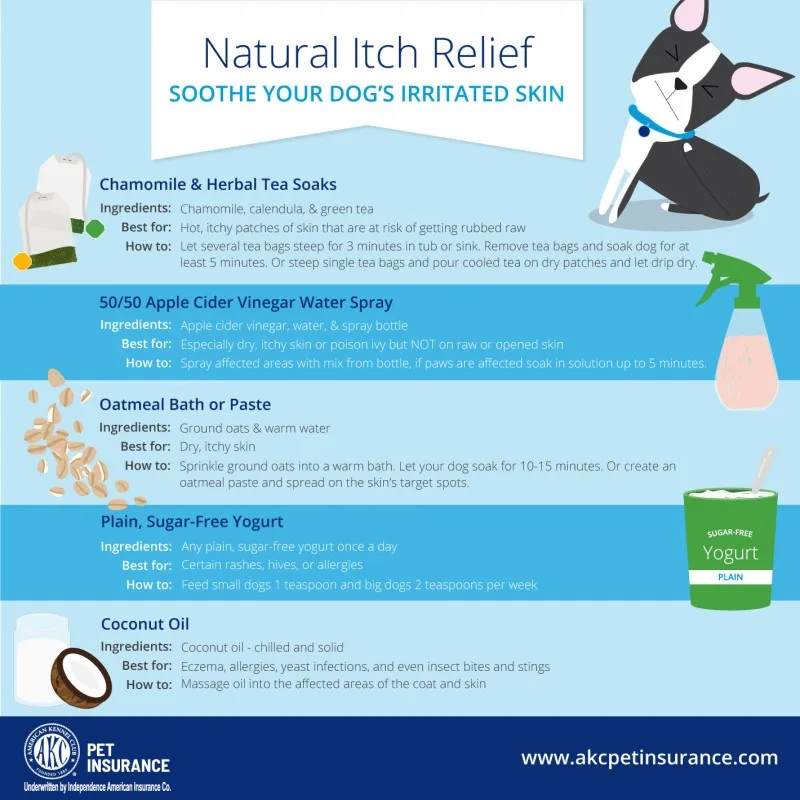
Credit: www.akcpetinsurance.com
Causes Of Dog Allergies
Dog allergies happen when a dog’s immune system reacts strongly to certain substances. These substances, called allergens, are usually harmless to most dogs. Allergies can cause discomfort and affect a dog’s daily life. Understanding what causes these allergies helps in managing and reducing symptoms.
Common Allergens In Dogs
Dogs can be allergic to many things around them. Pollen from trees, grass, and weeds often triggers allergies. Dust mites and mold spores inside the home can also cause problems. Some dogs react to flea bites, which irritate their skin. Certain foods like beef, chicken, or dairy may cause allergic reactions too. Chemicals in cleaning products or shampoos can sometimes be allergens.
Symptoms To Watch For
Allergic dogs often show signs that owners can notice. Itching and scratching are the most common symptoms. You may see redness or swelling on the skin. Hair loss may happen in spots where dogs scratch a lot. Some dogs lick their paws or chew their skin repeatedly. Sneezing and watery eyes can also indicate allergies. In severe cases, dogs may have trouble breathing or develop ear infections.
Coconut Oil Benefits For Dogs
Coconut oil offers several health benefits for dogs. It supports their overall wellness and can help with allergies. Many dog owners use it to improve skin and coat health. This natural oil is easy to add to your dog’s diet or apply topically. Understanding its benefits helps you decide if it suits your pet’s needs.
Nutritional Components
Coconut oil contains medium-chain fatty acids, like lauric acid. These fats provide quick energy and support the immune system. It also has antioxidants that help fight inflammation. These nutrients work together to promote better health. The oil is easy to digest and safe for most dogs.
Impact On Skin And Coat
Coconut oil helps soothe dry, itchy skin. It moisturizes and reduces redness from allergies. Applying it directly can calm irritated spots. It also improves coat shine and softness. Regular use supports healthier skin barriers, reducing allergy symptoms. Many dogs show noticeable improvement in coat texture.
How Coconut Oil May Ease Allergies
Coconut oil may offer relief to dogs with allergies. Its natural compounds work in several helpful ways. These can calm the skin and support overall health. Understanding how coconut oil helps can guide better care for your dog.
Anti-inflammatory Properties
Coconut oil contains fatty acids that reduce swelling and redness. These acids calm irritated skin and ease itching. Less inflammation means your dog feels more comfortable. This effect helps dogs with allergies that cause skin problems.
Applying coconut oil topically or adding it to food can soothe allergic reactions. It supports healing and prevents further damage. These anti-inflammatory benefits are gentle yet effective for many dogs.
Antimicrobial Effects
Coconut oil fights harmful bacteria and fungi on the skin. Allergies can weaken the skin’s defense, leading to infections. Coconut oil helps stop these infections from growing.
Its natural antimicrobial properties keep wounds clean and reduce bad smells. This supports faster recovery and healthier skin overall. Healthy skin means fewer allergy flare-ups and discomfort.

Credit: www.goodrx.com
Ways To Use Coconut Oil For Dogs
Coconut oil offers several ways to help dogs with allergies. It can soothe irritated skin and support their immune system. Using it properly ensures your dog benefits without risk. Below are two common methods to use coconut oil for dogs.
Topical Application
Apply a small amount of coconut oil directly to your dog’s itchy spots. The oil can reduce redness and inflammation. It also moisturizes dry, flaky skin caused by allergies. Gently massage the oil into the affected area. This helps the skin absorb the nutrients faster. Repeat once or twice daily for best results. Avoid using too much oil to prevent greasy fur.
Incorporating In Diet
Add coconut oil to your dog’s food to boost their health from inside. Start with a small teaspoon for small dogs. Larger dogs can have one tablespoon per day. The oil supports the immune system and may reduce allergic reactions. Mix it well with their meals for easy eating. Consistent use can improve coat shine and skin condition. Always introduce new supplements gradually to avoid stomach upset.
Safety And Dosage Guidelines
Using coconut oil for dog allergies can be helpful but requires care. Safety and proper dosage are very important. Giving too much or using it incorrectly might cause problems. Understanding the right amount and watching for side effects keeps your dog safe and healthy.
Recommended Amounts
Start with a small amount of coconut oil. For small dogs, half a teaspoon daily is enough. Medium dogs can have one teaspoon. Large dogs may take up to one tablespoon. Give the oil with food to avoid stomach upset. Increase the amount slowly over a week. Do not exceed the recommended dosage. Always ask your vet before starting coconut oil.
Potential Side Effects
Some dogs may have side effects from coconut oil. Too much oil can cause diarrhea or an upset stomach. Allergic reactions are rare but possible. Watch for itching, redness, or swelling. Stop use if your dog shows any signs of discomfort. Keep an eye on your dog’s weight. Coconut oil is high in fat and calories. Use it as a supplement, not a replacement for a balanced diet.
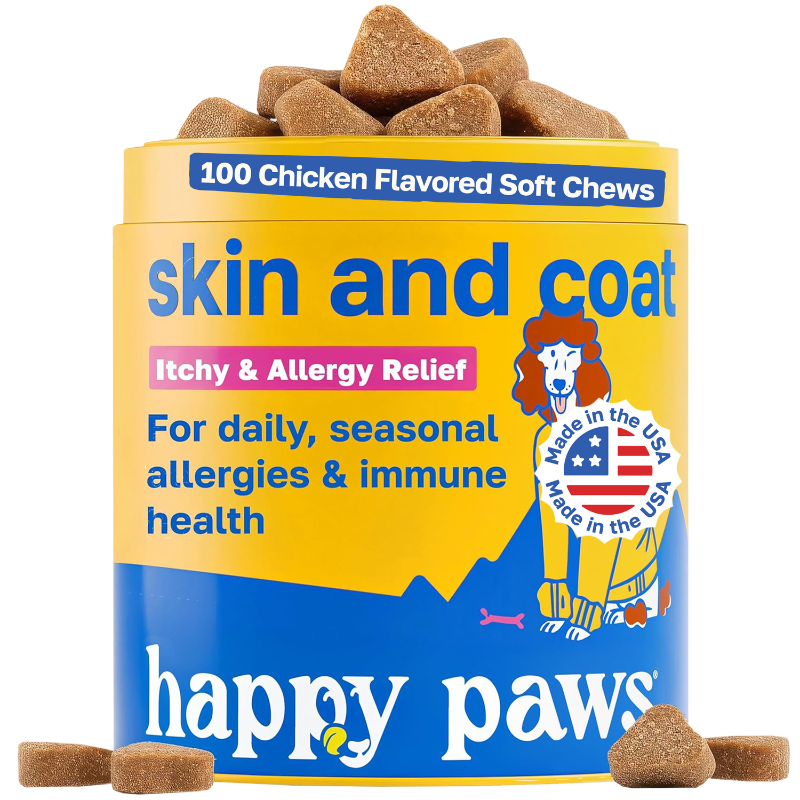
Credit: happypaws.com
Other Natural Remedies For Dog Allergies
Many pet owners seek natural ways to ease their dog’s allergy symptoms. Besides coconut oil, other remedies can help reduce itching, redness, and discomfort. These options often support the immune system and improve skin health. Natural remedies can offer gentle relief without harsh chemicals.
Herbal Supplements
Herbal supplements like chamomile and calendula can soothe irritated skin. These plants have anti-inflammatory and calming effects. Some herbs help strengthen the immune system to fight allergens better. Always check with a vet before giving any new supplements to your dog.
Dietary Changes
Changing your dog’s diet can reduce allergy symptoms. Grain-free or limited-ingredient diets often help dogs with food allergies. Adding omega-3 fatty acids supports skin health and reduces inflammation. Fresh, whole foods improve overall wellbeing and may ease allergy signs.
When To See A Veterinarian
Knowing when to see a veterinarian is important for your dog’s health. Allergies can cause discomfort and sometimes serious problems. Some signs mean your dog needs professional care right away. Do not wait too long to get help.
Watching your dog’s behavior helps you decide if a vet visit is needed. Mild symptoms can be treated at home, but severe reactions must be checked by a vet. Quick action can prevent more serious health issues.
Signs Of Severe Allergies
Look for intense itching that does not stop. Red, swollen skin or open sores show a serious problem. Difficulty breathing or coughing means immediate vet care. Vomiting and diarrhea can signal an allergic reaction. Your dog may seem very tired or weak.
Professional Treatment Options
Veterinarians can prescribe medications to reduce allergy symptoms. They might suggest allergy tests to find the cause. Treatments include antihistamines, steroids, or special shampoos. In some cases, your vet may recommend diet changes. Follow the vet’s advice for the best results.
Frequently Asked Questions
Can Coconut Oil Reduce Dog Allergy Symptoms?
Coconut oil contains anti-inflammatory properties that may soothe itchy skin. It can improve coat health and reduce redness caused by allergies. However, it is not a cure and should complement veterinary treatment.
How Should I Give Coconut Oil To My Dog?
Start with small amounts, like half a teaspoon per day for small dogs. You can mix it into their food or apply it topically on irritated skin areas.
Are There Any Risks Using Coconut Oil For Dogs?
Excessive coconut oil can cause digestive upset or weight gain. Some dogs may be allergic to coconut, so monitor for adverse reactions.
Does Coconut Oil Help With Flea Allergies In Dogs?
Coconut oil may repel fleas due to its natural scent and fatty acids. It can soothe flea bite irritation but should be part of a comprehensive flea control plan.
Conclusion
Coconut oil may help ease some dog allergy symptoms. It can soothe itchy skin and improve coat health. Some dogs respond well, but results vary. Always check with a vet before starting new treatments. Using coconut oil along with proper care works best.
Watch your dog closely for any changes. Simple steps can make your dog more comfortable. Keep your pet happy and healthy every day.