
Last Updated on June 13, 2026
Are you tired of seeing those tiny pests hopping around your home? Fleas aren’t just annoying—they can multiply fast, especially when their eggs are left untouched.
If you want to stop the problem at its root, you need to know how to kill flea eggs effectively. You’ll discover simple, proven methods to eliminate flea eggs before they turn into a full-blown infestation. Keep reading, and you’ll learn how to protect your home and loved ones from these unwelcome guests once and for all.
Identifying Flea Eggs
Flea eggs are tiny and hard to see. Knowing how to spot them helps stop flea problems early. Catching flea eggs means fewer fleas later. Here is how to identify them clearly.
Appearance And Size
Flea eggs are very small, about 0.5 millimeters. They look like tiny white grains. They have a smooth, oval shape. Flea eggs do not stick to fur well. They often fall off onto floors or bedding. Their color helps them blend in with dust or dirt.
Common Hiding Spots
Flea eggs hide where pets rest the most. Look in pet beds and blankets. Check carpets and rugs closely. Flea eggs also hide in cracks on floors. They prefer dark, warm places that stay moist. Regular cleaning helps find and remove these spots.
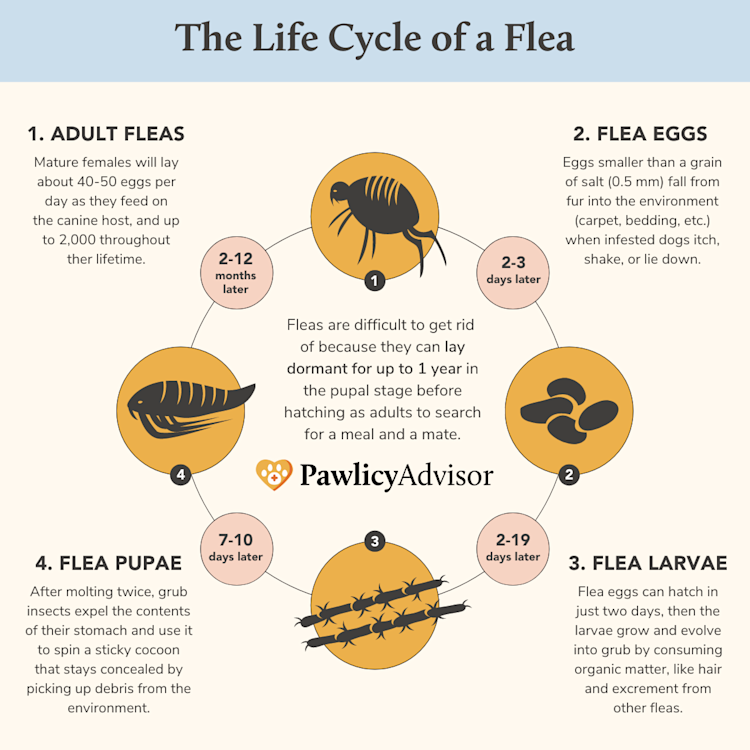
Credit: www.pawlicy.com
Effective Cleaning Techniques
Effective cleaning is key to killing flea eggs and stopping infestations. Flea eggs hide in carpets, furniture, and bedding. Removing them requires careful and thorough cleaning. Focus on areas where pets rest and spend time. Consistent cleaning helps break the flea life cycle. Use tools and methods that reach deep into fabrics and floors. This section explains simple steps to clean your home effectively and kill flea eggs for good.
Vacuuming Strategies
Vacuuming removes flea eggs from carpets and floors. Use a vacuum with strong suction. Pay close attention to corners, edges, and under furniture. Vacuum daily during flea season or infestation. Empty the vacuum bag or canister outside immediately. This prevents eggs from hatching inside your home. Use a vacuum brush to loosen eggs from carpet fibers. Vacuum pet bedding and upholstery as well. Consistent vacuuming reduces flea eggs and larvae significantly.
Washing Bedding And Fabrics
Wash all pet bedding in hot water. Heat kills flea eggs and larvae effectively. Use the highest water temperature safe for the fabric. Dry bedding on high heat for at least 30 minutes. Wash any removable covers, blankets, and cushions too. Repeat washing regularly to stop new eggs from hatching. Clean fabrics help keep fleas away and protect your pets. Don’t forget to wash your pet’s toys and soft items.
Using Insect Growth Regulators
Using insect growth regulators (IGRs) is a smart way to stop flea eggs from hatching. These products do not kill adult fleas immediately. Instead, they target flea eggs and larvae. This method helps break the flea life cycle and reduces flea problems over time.
How They Work
Insect growth regulators mimic natural hormones in fleas. They stop flea eggs from developing properly. Without development, eggs cannot hatch into larvae. IGRs also prevent larvae from turning into adult fleas. This slows down the flea population growth inside your home.
Safe Application Tips
Use IGRs according to the label instructions. Apply in areas where fleas hide, like carpets and pet bedding. Avoid spraying directly on pets unless the product is pet-safe. Keep children and pets away during application. Store IGRs in a cool, dry place out of reach.

Credit: www.wikihow.com
Natural Remedies For Flea Eggs
Natural remedies offer a safe way to kill flea eggs without harsh chemicals. They work well for homes with pets and children. These methods target flea eggs to stop the infestation early. Using natural options helps keep your environment healthy and clean.
Diatomaceous Earth
Diatomaceous earth is a fine powder made from fossilized algae. It works by drying out flea eggs and larvae. Sprinkle it lightly on carpets, pet bedding, and floors. Leave it for a few hours, then vacuum thoroughly. Repeat the process weekly to break the flea life cycle.
Essential Oils
Essential oils like lavender, eucalyptus, and cedarwood can kill flea eggs. Mix a few drops with water and spray the solution on pet areas. These oils repel fleas and prevent eggs from hatching. Avoid using undiluted oils directly on pets. Always test a small area first to check for reactions.
Chemical Treatments
Chemical treatments help stop flea eggs from hatching. They work fast and cover large areas. These treatments kill eggs and stop flea growth. Using the right chemicals can protect your home and pets. Safety is important when applying these products. Follow all directions carefully to avoid harm.
Topical Sprays And Powders
Topical sprays and powders are easy to use. Sprays cover floors, carpets, and furniture. They kill flea eggs and larvae on contact. Powders work well in hard-to-reach places. Sprinkle powders into cracks and crevices. Both options prevent flea eggs from growing.
Choose products with insect growth regulators (IGRs). IGRs stop eggs from hatching into adult fleas. Apply sprays and powders evenly for best results. Allow treated areas to dry before letting pets back inside.
Flea Bombs And Foggers
Flea bombs and foggers fill rooms with insecticide mist. The mist reaches flea eggs hidden in corners and cracks. Use these products in empty rooms only. Cover or remove food and water bowls. Follow safety instructions strictly to avoid accidents.
Flea bombs work well in severe infestations. They kill fleas and eggs at all stages. After use, air out the room thoroughly. Repeat treatment as recommended to fully control fleas.

Credit: www.wikihow.com
Preventing Flea Reinfestation
Preventing flea reinfestation is key to keeping your home and pets comfortable. Flea eggs can hatch quickly, causing a new cycle of pests. Stopping fleas before they multiply saves time and effort. Focus on consistent habits and clean environments. These steps reduce the chances of fleas coming back.
Regular Pet Care
Check your pets often for fleas and ticks. Use vet-approved flea treatments regularly. Brush your pet’s fur daily to spot eggs early. Bathe your pets with flea-control shampoo when needed. Keep their bedding clean and wash it weekly. Healthy pets mean fewer fleas in your home.
Home Maintenance Tips
Vacuum floors, carpets, and furniture frequently. Dispose of vacuum bags or empty canisters outside. Wash pet bedding and blankets in hot water. Keep your yard clean by trimming grass and bushes. Remove debris where fleas may hide. Seal cracks and gaps in walls or floors to block flea entry.
Frequently Asked Questions
How Do I Kill Flea Eggs Effectively At Home?
To kill flea eggs at home, vacuum regularly and wash bedding in hot water. Use flea sprays with insect growth regulators to prevent eggs from hatching. Consistent cleaning disrupts the flea life cycle and reduces infestations quickly.
Can Natural Remedies Kill Flea Eggs Safely?
Yes, natural remedies like diatomaceous earth and essential oils can kill flea eggs. Sprinkle diatomaceous earth on carpets and pet areas, then vacuum after a few hours. These methods are safe for pets and humans when used correctly.
How Long Does It Take To Kill All Flea Eggs?
Killing all flea eggs typically takes 2 to 4 weeks. Flea eggs hatch within 1 to 10 days, and repeated treatments are needed. Consistent cleaning and treatment break the flea life cycle for complete elimination.
Are Flea Sprays Effective Against Flea Eggs?
Flea sprays containing insect growth regulators are effective against flea eggs. They stop eggs from hatching and larvae from developing. Use sprays as directed for best results and combine with cleaning for full flea control.
Conclusion
Killing flea eggs stops the flea problem early. Clean your home and wash pet bedding often. Use flea sprays or natural treatments carefully. Check your pets regularly to catch fleas fast. Keep your yard tidy and dry to reduce fleas.
Small steps make a big difference in control. Stay patient and consistent with your efforts. Soon, you will see fewer fleas around. Your pets will thank you for it. Flea eggs don’t stand a chance with care.