Last Updated on June 6, 2026
Are fleas invading your home and making life uncomfortable for you and your pets? You’re not alone, and the good news is that you can take control.
Learning how to clean house fleas effectively will not only get rid of these tiny pests but also keep your living space fresh and safe. You’ll discover simple, proven steps to eliminate fleas from your home quickly and prevent them from coming back.
Stick with me, and you’ll soon enjoy a flea-free environment where you and your family can relax without worry.
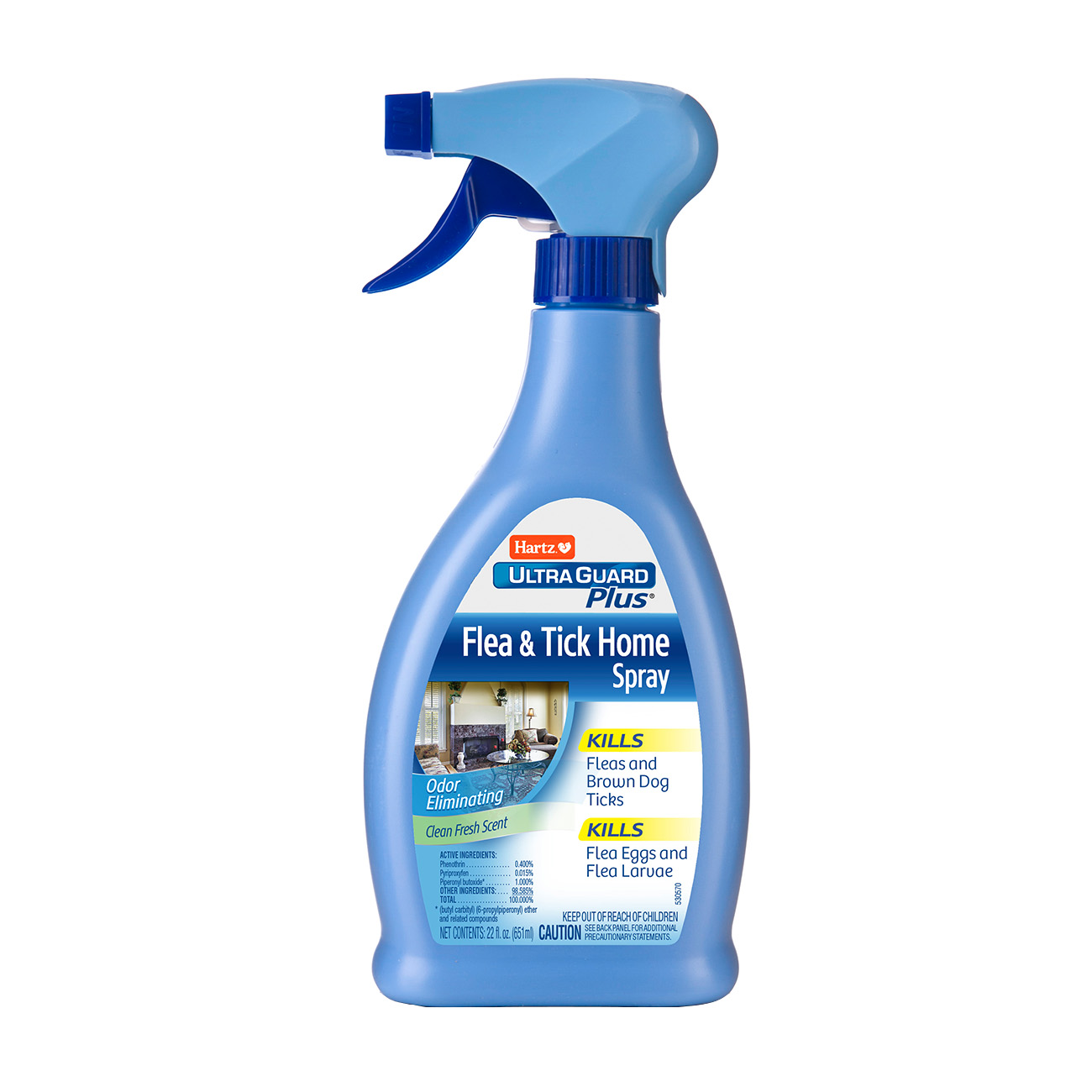
Credit: www.hartz.com
Identify Flea Infestation Signs
Identifying flea infestation signs early helps stop the problem fast. Fleas multiply quickly and spread through pets and homes. Catching their presence prevents discomfort and damage. Watch pets and home areas closely for clues. Recognize flea bites on humans for added warning. Acting early saves time and effort.
Spotting Fleas On Pets
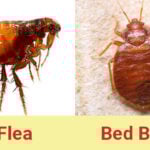
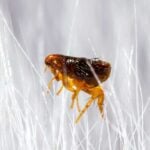
Check your pet’s fur carefully for tiny, fast bugs. Fleas are small, dark brown, and move quickly. Look near the neck, belly, and tail base. Flea dirt looks like tiny black specks on fur. Use a fine-tooth comb to catch fleas or dirt. Bathing pets may help reveal fleas more clearly.
Detecting Fleas In Your Home
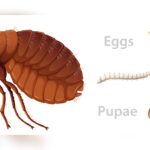
Fleas hide in carpets, pet bedding, and furniture crevices. Inspect these areas regularly for flea movement or eggs. Flea eggs appear as small white grains, often near pet resting spots. Jumping bugs or small black specks might indicate fleas. Vacuum floors and furniture to uncover hidden fleas.
Common Flea Bite Symptoms
Flea bites cause red, itchy bumps on skin. Bites often appear in clusters around ankles and legs. Intense itching can lead to scratching and skin irritation. Pets may scratch, bite, or lick fur excessively. Watch for hair loss or redness on pets’ skin. Flea bites can cause allergic reactions in some people and animals.
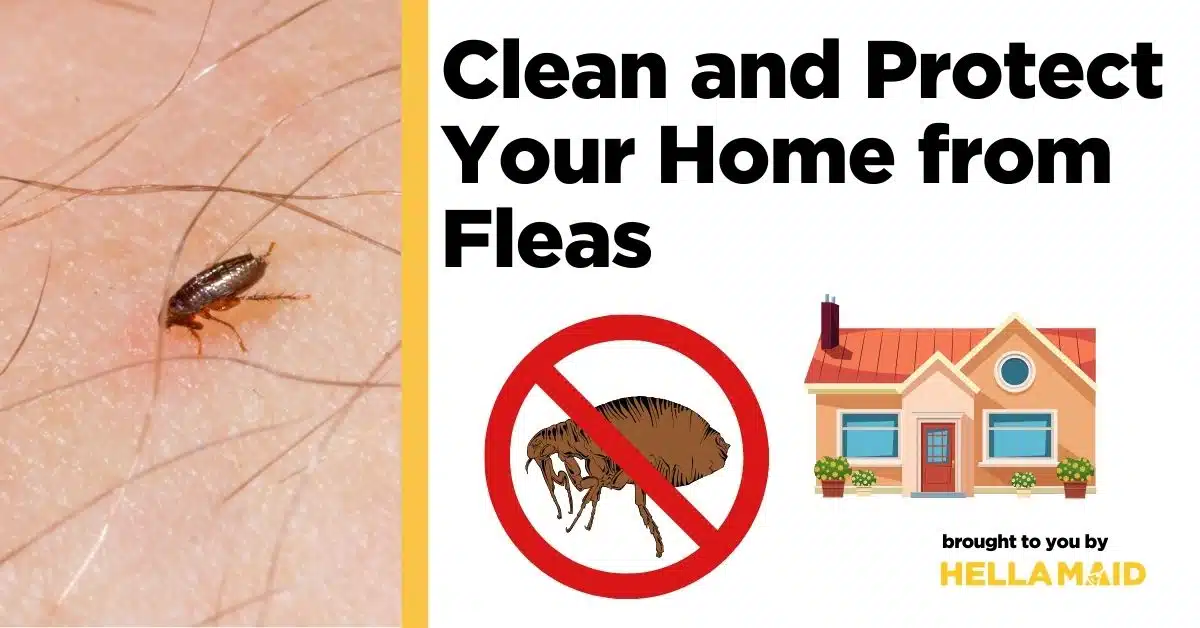
Credit: hellamaid.ca
Prepare Your Home For Cleaning
Preparing your home for flea cleaning is the first step to a successful treatment. It sets the stage for effective removal and helps prevent re-infestation. Taking time to get ready can save effort later.
Gathering Necessary Supplies
Start by collecting all needed cleaning tools. You will need a vacuum cleaner with a bag or canister. Prepare flea sprays or powders approved for home use. Have laundry detergent ready for washing fabrics. Use gloves to protect your hands. A stiff brush helps remove fleas from surfaces.
Protecting Family And Pets
Keep children and pets away during cleaning. Move pet bedding and toys to a safe area. Use pet-friendly flea treatments as directed. Ensure the room is well-ventilated when using sprays. Avoid direct contact with chemicals on skin or eyes. Wash hands thoroughly after handling products.
Creating A Cleaning Plan
Plan the cleaning process room by room. Start with bedrooms and living areas. Vacuum carpets, rugs, and upholstery carefully. Wash all bedding and pet items in hot water. Focus on areas pets frequent the most. Repeat cleaning regularly to catch newly hatched fleas.
Vacuuming Techniques To Remove Fleas
Vacuuming is a key step in removing fleas from your home. It helps suck up fleas, eggs, and larvae hiding in carpets and furniture. Using the right vacuuming techniques can reduce flea numbers quickly and stop their spread. Proper vacuuming targets where fleas live and removes them effectively.
Targeting Key Areas
Focus on places fleas like best. Carpet edges, under furniture, and pet bedding are top spots. Fleas hide in cracks and corners, so vacuum these well. Use a vacuum with strong suction for best results. Move slowly to catch eggs and larvae stuck deep in fibers.
Vacuum Maintenance Tips
Check your vacuum regularly during cleaning. Empty the bag or canister often to keep suction strong. Clean brushes and filters to stop clogging. A well-maintained vacuum works better and lasts longer. Replace bags or filters if they look worn out.
Disposing Of Vacuum Contents Safely
Fleas inside the vacuum can escape if not handled right. Seal the vacuum bag or canister tightly after use. Put the sealed bag in a plastic bag and throw it outside the house. This prevents fleas from returning and keeps your home safe. Clean the vacuum area after disposal.
Washing And Treating Fabrics
Washing and treating fabrics is a key step in controlling fleas in your home. Fleas often hide in soft materials like bedding and furniture. Cleaning these items removes flea eggs, larvae, and adults. Proper fabric care stops fleas from multiplying and spreading.
Cleaning Bedding And Upholstery
Remove all bedding, pillow covers, and blankets for washing. Use hot water to wash these fabrics. Fleas cannot survive high temperatures. Vacuum upholstery and cushions carefully. Spot clean areas that cannot be washed. Regular cleaning reduces flea presence significantly.
Choosing The Right Detergents
Select detergents designed to kill insects or that contain enzymes. These help break down flea eggs and larvae. Avoid mild detergents that only clean dirt. Stronger detergents improve flea removal. Follow detergent instructions for best results.
Drying Methods To Kill Fleas
Dry fabrics on the highest heat setting allowed. Heat kills fleas at all life stages. Avoid air drying, as fleas can survive. Use a hot dryer for at least 30 minutes. Check care labels before using high heat. Proper drying ensures fleas do not return.
Using Flea Control Products
Using flea control products is key to stopping fleas in your home. These products help kill fleas fast. They also prevent more fleas from growing. Choose products carefully for safety and best results. Follow instructions to apply treatments well. Some prefer natural options that are gentle and effective. Here is how to use flea control products safely and smartly.
Selecting Safe Insecticides
Choose insecticides made for indoor use. Read labels to ensure safety for pets and children. Avoid harsh chemicals that cause harm or irritation. Look for products with clear instructions and approved by authorities. Pick insecticides that target all flea stages: eggs, larvae, and adults. This stops fleas from coming back quickly.
Applying Treatments Correctly
Apply insecticides in all flea hiding spots. Focus on carpets, furniture, and pet bedding. Follow the product instructions closely. Do not use more than recommended. Ventilate rooms well after treatment. Keep pets and children away until the area is safe. Repeat treatments as the product suggests to kill new fleas.
Natural Alternatives For Flea Control
Natural flea control is gentle and safe. Use diatomaceous earth, a powder that kills fleas by drying them out. Sprinkle it on carpets and floors. Vacuum after a few hours. Essential oils like lavender and cedar repel fleas. Use them in sprays or diffusers. Always test for allergies before using oils around pets. Natural methods help reduce fleas without harsh chemicals.
Treating Pets For Fleas
Pets often bring fleas into the home. Treating pets is key to stop fleas from spreading. This step helps control the problem and keeps pets comfortable. Use safe, effective methods to clear fleas from your animals.
Choosing Effective Flea Medications
Select medications that work well for your pet’s age and size. Spot-on treatments, oral pills, and flea collars offer different options. Check the label to ensure the product kills fleas and prevents eggs. Consult a vet to pick the safest choice. Avoid products not made for your pet type.
Bathing And Grooming Tips
Regular baths with flea shampoo help remove fleas and dirt. Use warm water and gently massage the shampoo into fur. Rinse thoroughly to avoid irritation. Comb your pet with a flea comb to catch live fleas and eggs. Groom pets weekly to spot any new fleas early.
Preventing Future Infestations
Keep pets clean and use flea prevention year-round. Wash pet bedding often in hot water. Vacuum floors and furniture where pets rest. Treat your yard to reduce fleas outside. Check pets regularly for signs of fleas to act fast. Prevention saves time and keeps your home flea-free.
Maintaining A Flea-free Environment
Keeping your home free from fleas requires ongoing effort. Fleas can hide in carpets, furniture, and pet bedding. A clean and well-maintained space helps stop fleas from returning. Follow simple steps regularly to keep fleas away.
Regular Cleaning Routines
Vacuum floors, carpets, and furniture often. This removes flea eggs and larvae before they grow. Wash pet bedding and blankets in hot water weekly. Clean hard floors with a mop and pet-safe cleaner. Dispose of vacuum bags or empty cans outside your home.
Outdoor Flea Prevention
Keep your yard tidy by mowing grass and trimming bushes. Fleas thrive in tall grass and damp areas. Remove debris and leaf piles where fleas can hide. Use pet-safe outdoor sprays to reduce flea presence. Limit your pets’ exposure to wild animals that carry fleas.
Monitoring For Recurring Fleas
Check your pets’ fur regularly for fleas or flea dirt. Look for scratching, biting, or red skin spots. Use flea combs on pets to catch fleas early. Watch your home for signs like flea bites on family members. Act quickly at the first sign of fleas to prevent infestations.
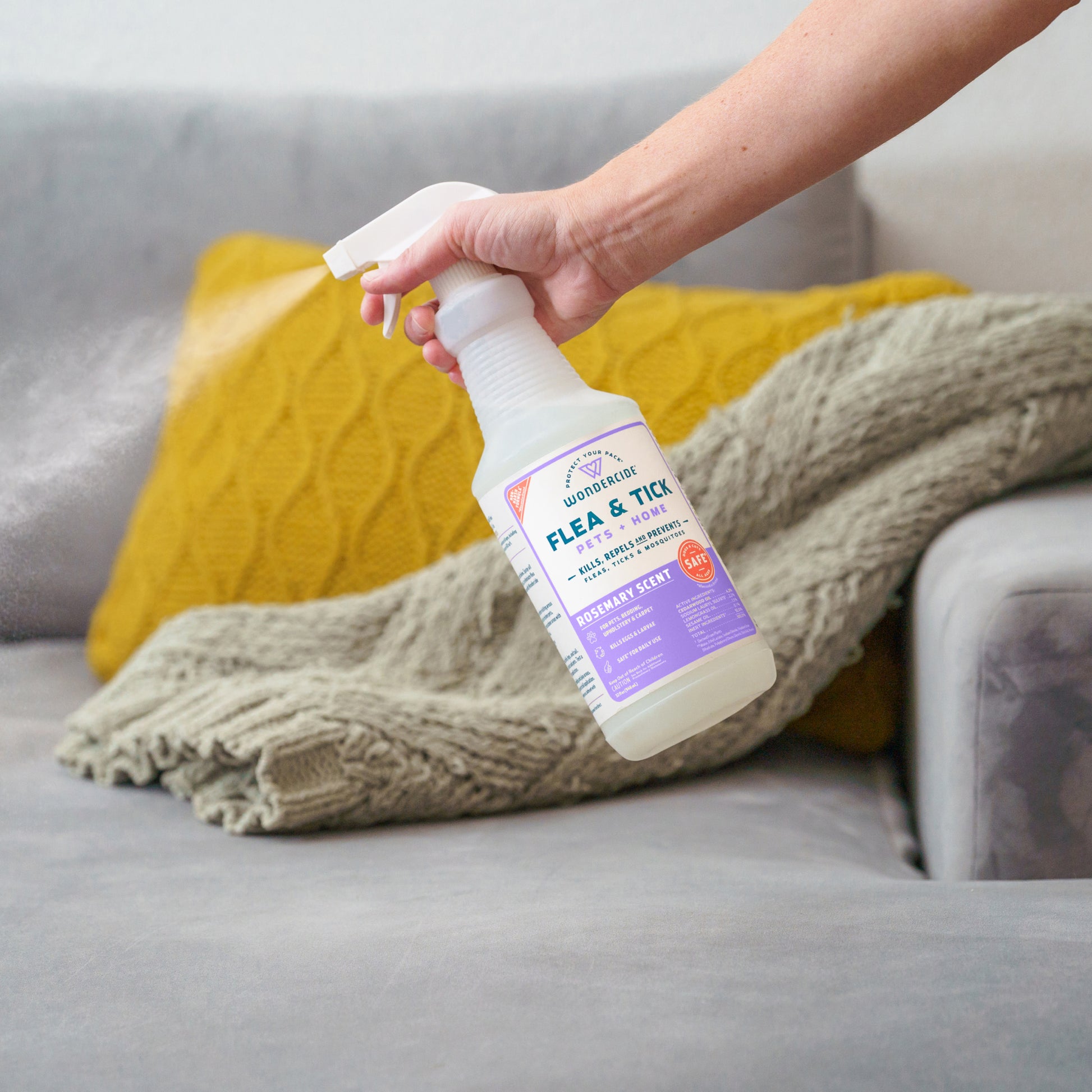
Credit: www.wondercide.com
Frequently Asked Questions
How Do I Identify Fleas In My House?
Look for small, dark, fast-moving insects on pets or carpets. Flea bites cause itching and red bumps. Flea dirt appears as tiny black specks on bedding or floors. Early detection helps prevent infestation and damage.
What Are The Best Natural Flea Treatments At Home?
Use diatomaceous earth on carpets and pet bedding. Vacuum regularly to remove eggs and larvae. Wash pet bedding in hot water weekly. Essential oils like lavender or eucalyptus can repel fleas safely.
How Often Should I Clean To Control House Fleas?
Vacuum daily during an infestation to remove fleas and eggs. Wash pet bedding and fabrics weekly in hot water. Regular cleaning breaks the flea life cycle and prevents re-infestation effectively.
Can Fleas Survive Without Pets In The House?
Fleas can survive up to two weeks without a host. They feed on humans or other animals if pets are absent. Eliminating fleas requires cleaning and treating the environment, even without pets.
Conclusion
Cleaning house fleas takes patience and care. Start by treating your pets and cleaning your home thoroughly. Vacuum floors, furniture, and pet bedding often. Wash bedding in hot water to kill fleas and eggs. Use flea sprays or powders safely, following instructions.
Repeat treatments to break the flea life cycle. Staying consistent helps keep fleas away for good. A clean home means a happier, healthier family.