Last Updated on June 13, 2026
Are you tired of dealing with itchy bites and the constant fear of fleas invading your home? Fleas can turn your cozy space into a nightmare, but the good news is—you don’t have to let them take over.
By learning a few simple steps, you can protect your house and keep these pests far away. You’ll discover easy and effective ways to prevent fleas from ever making themselves at home. Keep reading, because your comfort and peace of mind are just a few tips away.

Credit: mycommunityveterinaryclinic.com
Identify Flea Infestation Signs
Spotting fleas early helps protect your home and pets from serious problems. Fleas multiply fast and cause itching and discomfort. Knowing the signs of flea infestation is key to stopping them before they spread. Check your pets and home regularly for signs of fleas. Act fast if you find any.
Common Flea Symptoms On Pets
Pets with fleas often scratch or bite their skin a lot. You may notice small red bumps or irritated skin. Fleas leave tiny black specks, called flea dirt, on your pet’s fur. Watch for hair loss or bald patches. Restlessness and constant itching are strong signs of fleas.
Indoor Flea Indicators
Fleas can hide in carpets, rugs, and furniture seams. Look for tiny jumping insects on floors or pet bedding. Flea dirt may also appear on your floors or upholstery. Pets scratching inside the house is a warning sign. Flea eggs can hide in cracks or crevices around your home.
Outdoor Flea Hotspots
Fleas thrive in warm, shady, and moist outdoor areas. Check your yard near bushes, tall grass, and leaf piles. Fleas can wait here to jump on pets or people. Regular lawn care reduces flea hiding spots. Keep pet play areas clean and dry to prevent fleas outside.
Keep Pets Flea-free
Keeping your pets flea-free is one of the best ways to stop fleas from invading your home. Fleas love pets because they provide food and shelter. If your pets stay clean and protected, fleas cannot easily spread. This helps protect your entire house from flea problems. Follow simple steps to keep your pets healthy and free of fleas.
Regular Grooming And Baths
Brush your pets often to check for fleas and eggs. Use a flea comb to catch tiny bugs. Bathing pets regularly helps wash away fleas and dirt. Use pet-safe shampoo made to kill fleas. Grooming keeps your pet’s coat clean and flea-free. Clean pets mean fewer fleas in your home.
Use Of Flea Preventatives
Apply flea preventatives to your pets every month. These come as spot-on treatments, pills, or collars. Preventatives stop fleas from growing and laying eggs. Choose products made for your pet’s age and weight. Consistent use of preventatives protects your pets and home.
Routine Veterinary Checkups
Visit the vet regularly for flea checks and advice. Vets can spot fleas early and treat your pets. They also recommend the best flea control products. Routine checkups keep your pets healthy and flea-free. Early action prevents big flea problems later.
Maintain A Clean Home
Keeping your home clean is a key step in stopping fleas from settling in. Fleas love dirty places where they can hide and breed. A clean house makes it hard for fleas to survive and spread. Regular cleaning reduces flea eggs and larvae on floors and furniture.
Frequent Vacuuming Tips
Vacuum your floors and carpets often. Focus on areas where pets rest. Use the vacuum’s crevice tool for corners and edges. Empty the vacuum bag or canister outside right after use. This prevents flea eggs from hatching inside your vacuum. Vacuuming removes fleas, eggs, and larvae before they grow.
Washing Bedding And Fabrics
Wash pet bedding and your sheets regularly. Use hot water to kill fleas and eggs. Clean curtains and cushions too. Fleas can hide in soft fabrics. Dry items on high heat if possible. This heat helps destroy flea eggs and larvae fast.
Decluttering To Reduce Hiding Spots
Clutter provides fleas with many hiding places. Clear away piles of clothes, papers, and toys. Store items in sealed containers. This lowers flea shelter options. A tidy home is less attractive to fleas and easier to clean.
:strip_icc()/home-remedies-for-fleas-on-cats-4580388_source_file-31aafc6d7e544c60ba1b9d34119c1e7a.jpg)
Credit: www.thesprucepets.com
Treat Your Yard Effectively
Treating your yard is a key step in stopping fleas before they enter your home. Fleas live and breed outside. A clean, well-kept yard can lower their numbers greatly. This keeps your family and pets safe from bites and infections.
Simple yard care routines help reduce flea habitats. Using safe flea treatments outdoors controls pests without harming beneficial insects or pets. Removing animals that carry fleas also cuts down flea problems. These steps work together to keep your yard flea-free.
Lawn Care Practices
Keep grass short and trim bushes often. Fleas hide in tall grass and shaded areas. Remove leaves and debris where fleas can breed. Water your lawn regularly but avoid overwatering. A dry yard is less friendly to fleas.
Rake up fallen leaves and grass clippings. This stops flea eggs and larvae from growing. Aerate your soil to improve drainage. Good airflow reduces flea survival. Clean yards make it harder for fleas to live.
Safe Outdoor Flea Treatments
Choose flea sprays or granules made for yards. Look for products safe for pets, children, and plants. Apply treatments to shady and moist spots. These places attract fleas most.
Use natural options like nematodes, tiny worms that eat flea larvae. Follow product instructions carefully to avoid harm. Repeat treatments every few weeks during flea season. This keeps flea populations low and controlled.
Removing Animal Hosts
Wild animals like raccoons, opossums, and stray cats carry fleas. Keep them out of your yard using fences or barriers. Do not feed wild animals near your home.
Check pets for fleas regularly. Treat them promptly to stop fleas spreading outside. Remove any nests or burrows near your home. Fewer animal hosts mean fewer fleas around your yard.
Use Natural Flea Repellents
Natural flea repellents offer a safe way to keep fleas out of your home. They protect your family and pets without harsh chemicals. Using nature’s remedies helps maintain a healthy environment.
These repellents can be easy to find and use. Many essential oils, herbs, and plants work well. You can also make your own sprays at home. This section explains some natural flea control options.
Essential Oils That Work
Certain essential oils repel fleas effectively. Lavender oil calms pets and keeps fleas away. Peppermint oil has a strong scent fleas dislike. Eucalyptus oil also acts as a natural flea deterrent. Mix a few drops with water for a spray. Avoid direct contact with pets’ skin.
Herbs And Plants For Flea Control
Some herbs and plants naturally repel fleas. Rosemary planted around the house helps keep fleas out. Mint leaves spread in pet bedding create a flea barrier. Lemongrass and chamomile also discourage fleas. Fresh or dried, these plants work well in homes.
Diy Flea Repellent Sprays
Make your own flea spray with simple ingredients. Combine water, apple cider vinegar, and a few drops of essential oil. Spray on pet bedding, carpets, and furniture. Shake well before each use. This spray is safe and helps keep fleas away.
Choose Chemical Flea Treatments Wisely
Choosing chemical flea treatments carefully helps protect your home and pets. Not all products work the same. Some might be strong but unsafe for pets or children. Others may not kill fleas fully, causing the problem to come back. Knowing the right products and how to use them keeps your home flea-free and safe.
Types Of Flea Control Products
Flea control products come in many forms. Sprays kill fleas on contact and can be used on carpets and furniture. Spot-on treatments apply directly to your pet’s skin and last for weeks. Flea collars release chemicals that repel fleas. Powders and foggers treat large areas but need careful use. Choose a product that matches your home and pet needs.
Safety Precautions For Use
Always read the label before using any flea treatment. Use gloves and keep children away during application. Avoid spraying near food and water bowls. Do not mix different flea products on pets. Some chemicals can harm pets or humans if used incorrectly. Ventilate rooms well after using sprays or foggers. Follow all instructions to keep everyone safe.
When To Call A Professional
Some flea problems are hard to solve alone. If fleas keep returning, it might be time to call a pest expert. Professionals use treatments that are stronger and more effective. They know how to apply chemicals safely and thoroughly. A professional can also find hidden flea sources in your home. Calling help saves time and stops fleas faster.
Prevent Flea Return
Preventing fleas from coming back is key to keeping your home safe and comfortable. Fleas multiply fast. One small problem can turn into a big one quickly. Stopping fleas early means less trouble later. It also protects your pets and family from bites and infections.
Regular care and attention help keep fleas away for good. Simple habits and teamwork inside the home make a big difference. Consistency is important to break the flea life cycle and stop new fleas from settling in.
Regular Inspection Routine
Check your pets and home often for signs of fleas. Look for small black dots or flea dirt on pet fur. Inspect bedding, carpets, and furniture regularly. Early detection helps stop fleas before they spread. Use a flea comb on pets weekly. Spotting fleas early makes treatment easier and faster.
Seasonal Flea Prevention
Fleas are more active during warm months. Use flea prevention products on pets before spring and summer. Treat your home during these seasons to reduce flea risk. Clean floors and vacuum often to remove eggs and larvae. Seasonal prevention stops fleas from multiplying when conditions are best for them.
Educating Household Members
Teach everyone in your home about fleas and prevention. Explain why cleaning and pet care matter. Show how to spot fleas on pets and furniture. Encourage family members to report flea signs immediately. Team effort keeps your home flea-free and safe for all.
Credit: www.adamspetcare.com
Frequently Asked Questions
How Can I Prevent Fleas In My House Naturally?
To prevent fleas naturally, regularly vacuum carpets and furniture. Use essential oils like lavender or cedar as repellents. Wash pet bedding weekly in hot water. Keep your yard clean and trim grass to reduce flea habitats.
What Is The Best Way To Stop Fleas On Pets?
Use veterinarian-recommended flea treatments monthly, such as topical solutions or collars. Regularly bathe and groom your pets. Check for fleas frequently, especially after outdoor activities, to catch infestations early.
How Often Should I Clean To Prevent Fleas Indoors?
Vacuum your home at least twice a week, focusing on carpets and furniture. Wash pet bedding and blankets weekly in hot water. Regular cleaning disrupts flea life cycles and reduces eggs and larvae indoors.
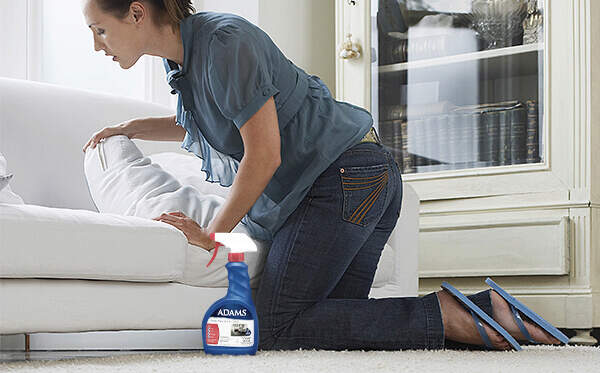
Are Flea Sprays Effective For Household Prevention?
Yes, flea sprays can be effective if used properly. Choose sprays labeled for indoor use and treat carpets, furniture, and pet areas. Follow instructions carefully to avoid harm to pets and humans.
Conclusion
Preventing fleas starts with keeping your home clean and pets treated. Regular vacuuming and washing pet bedding help remove flea eggs. Use flea prevention products recommended by your vet. Check pets often for signs of fleas. Keep your yard tidy to reduce flea hiding spots.
Small steps each day protect your family and pets. Stay consistent, and fleas won’t stand a chance. A flea-free home is possible with simple care and attention.