Last Updated on June 13, 2026
Are you noticing tiny, itchy bites on yourself or your pets after spending time outside? Fleas in your yard could be the hidden trouble causing discomfort for your whole family.
These tiny pests multiply quickly and can turn your outdoor space into a nightmare. But don’t worry—understanding how fleas live and grow in your yard is the first step to taking back control. Keep reading to discover simple, effective ways you can protect your home and loved ones from these unwanted invaders.

Credit: mosquitonix.com
Signs Of Fleas In Your Yard
Fleas in your yard can cause big problems for your pets and family. These tiny pests hide well and multiply fast. Knowing the signs helps you act early and keep your yard safe.
Fleas live in certain spots and leave clues behind. Watch for these signs to spot an infestation before it grows.
Common Flea Habitats
Fleas like warm, shady places outdoors. They hide in tall grass, under leaves, and near pet resting spots. Fleas also stay in soil and mulch. Dark, damp areas give them the best shelter. Check these spots often for flea activity.
Identifying Flea Infestations
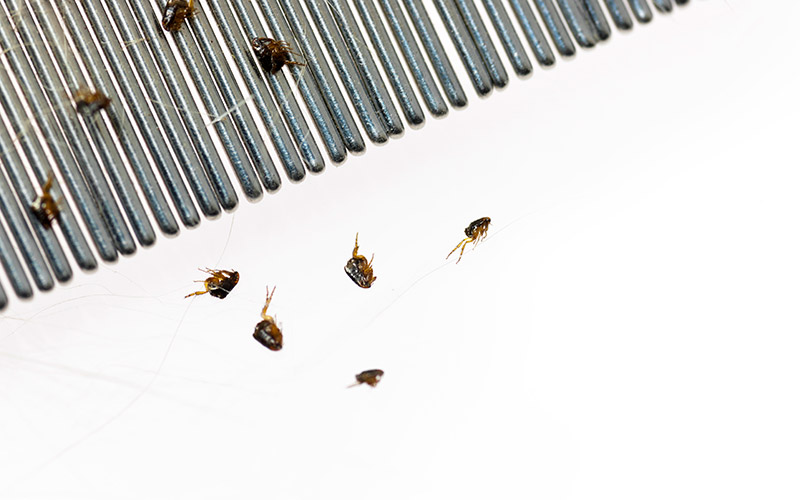
Fleas are tiny, about 1/8 inch long, and jump quickly. You might see them on your pets or yard surface. Flea dirt looks like small black specks on grass or pet fur. Pets may scratch or bite their skin more than usual. Look for red, irritated spots on your pet’s skin too.
Impact On Pets And Family
Fleas cause itching and discomfort for pets and humans. Pets may lose hair or develop skin infections from scratching. Fleas can spread diseases and cause allergic reactions. Children playing in the yard can get bitten. Flea bites often cause red, itchy bumps on skin.
Natural Flea Control Methods
Natural flea control methods help reduce fleas in your yard without harsh chemicals. These options protect pets, children, and the environment. They work by targeting fleas at different stages of their life cycle. Use these methods regularly for best results. Safe and effective, they keep your outdoor space flea-free.
Using Beneficial Nematodes
Beneficial nematodes are tiny worms that eat flea larvae in the soil. They do not harm plants, pets, or people. Apply them by mixing with water and spraying your yard. Nematodes seek out fleas and kill them naturally. This method lowers flea populations over time.
Plant-based Repellents
Certain plants repel fleas and keep them away. Lavender, rosemary, and mint are good choices. Plant these around your yard or garden edges. You can also make sprays with essential oils from these plants. The strong smell confuses fleas and stops them from settling.
Diatomaceous Earth Application
Diatomaceous earth is a natural powder made from fossilized algae. It works by drying out fleas and their eggs. Sprinkle food-grade diatomaceous earth on your lawn and garden. Reapply after rain or watering. This powder is safe for pets and humans but deadly to fleas.
Chemical Treatments For Fleas
Chemical treatments offer a strong way to control fleas in your yard. They work by killing fleas and stopping their life cycle. Using chemicals can quickly reduce flea numbers and make your outdoor space safer for your family and pets.
These treatments include sprays, powders, and foggers. Each type targets fleas at different stages. Choosing the right product and applying it carefully are key to success.
Choosing The Right Insecticides
Select insecticides designed specifically for outdoor flea control. Look for products labeled safe for lawns and gardens. Ingredients like permethrin and bifenthrin are common and effective. Avoid insecticides harmful to beneficial insects like bees. Check product labels for instructions and warnings before buying.
Safe Application Tips
Apply insecticides on dry, calm days to avoid drift. Follow the directions exactly to prevent overuse. Wear gloves and protective clothing during application. Keep children and pets away until the area is dry. Avoid spraying near water sources to protect wildlife. Treat shaded areas and spots where pets rest.
Protecting Pets During Treatment
Remove pets from the yard before applying chemicals. Bring them inside and keep them away until it is safe. Wash pets’ paws and fur after they return outdoors. Use flea preventatives on your pets during yard treatment. Consult your vet for the best products to use. Protecting pets helps avoid chemical exposure and keeps them healthy.
Yard Maintenance To Prevent Fleas
Maintaining your yard helps stop fleas from growing and spreading. Fleas live in warm, shady, and moist areas. Keeping your yard clean and well cared for makes it hard for fleas to survive. Simple steps can reduce flea problems around your home.
Regular Lawn Care Practices
Mow your lawn often to keep grass short. Fleas hide in tall grass and plants. Water your lawn in the morning to help it dry out fast. Dry grass is less friendly to fleas. Use a rake to remove dead grass and leaves. This keeps the yard fresh and less inviting to pests.
Removing Debris And Clutter
Clear away piles of leaves, sticks, and wood. Fleas love to live in these damp, dark places. Remove old pet bedding or blankets left outside. Store garden tools and toys in a clean, dry spot. A tidy yard stops fleas from finding places to hide.
Controlling Wildlife Hosts
Wild animals like raccoons and squirrels can bring fleas to your yard. Block access to your yard by fixing fences and sealing holes. Avoid feeding wild animals near your home. Keep trash bins covered to reduce visits from pests. Controlling wildlife helps keep fleas away from your pets and family.
Combining Methods For Faster Results
Combining different methods speeds up flea control in your yard. Using one way alone can take longer and might not fully work. Mixing approaches targets fleas at all life stages. This leads to faster, better results. It also keeps your yard safer for pets and family.
Integrated Pest Management Approach
Integrated Pest Management (IPM) uses many tools together. It starts with cleaning the yard well. Remove leaves, grass clippings, and debris where fleas hide. Use natural predators like nematodes that eat flea larvae. Apply safe insecticides only if needed. This balanced method lowers flea numbers effectively and safely.
Monitoring And Follow-up
Check your yard regularly for flea signs. Use flea traps or inspect pets often. Monitoring shows if flea control is working. Follow-up treatments may be necessary to kill new fleas. Repeat steps help stop flea eggs from hatching. Stay alert to keep fleas under control.
Seasonal Flea Prevention
Fleas grow fast in warm months. Prepare your yard before flea season starts. Treat your yard in early spring to reduce fleas. Keep grass short and dry to prevent flea breeding. Use flea control products timed with seasons. Seasonal care helps stop fleas before they spread.
Credit: www.amdro.com
Credit: naturesmace.com
Frequently Asked Questions
What Attracts Fleas To My Yard?
Fleas are attracted to warm, shady areas with moist soil. Tall grass, leaves, and animal activity increase flea presence. Pets and wildlife bring fleas into your yard. Keeping grass trimmed and removing debris helps reduce flea attraction.
How Can I Naturally Get Rid Of Fleas In Yard?
Use beneficial nematodes, diatomaceous earth, or cedar chips to kill flea larvae naturally. Regularly mow your lawn and remove organic debris. Encourage natural predators like birds to help control fleas without chemicals.
Are Flea Treatments Safe For My Pets Outdoors?
Many flea treatments are safe when used as directed. Always choose products labeled for outdoor use and pet safety. Consult your veterinarian before applying any flea control in your yard to protect your pets.
How Long Do Fleas Survive In A Yard?
Fleas can survive weeks to months outdoors, depending on conditions. Warm, humid environments extend their lifespan. Regular yard maintenance and flea control treatments interrupt their life cycle and reduce survival rates.
Conclusion
Fleas in the yard can cause big problems for pets and people. Keep your yard clean and dry to stop fleas from growing. Use natural methods and safe treatments to protect your family and pets. Check your pets often to catch fleas early.
A little effort each day can make your yard flea-free. Stay alert and act fast to keep fleas away. Enjoy your outdoor space without worry or pests.