Last Updated on June 16, 2026
If your puppy is scratching more than usual or you’ve spotted tiny, fast-moving bugs on their fur, fleas could be the cause. Fleas aren’t just annoying—they can make your puppy uncomfortable and even lead to health problems.
You want to protect your furry friend and make sure they stay happy and healthy. You’ll discover simple, effective ways to treat fleas on puppies quickly and safely. Keep reading to learn how you can stop those pesky pests and give your puppy the relief they deserve.

Credit: petfriendlybox.com
Identifying Flea Infestations
Fleas can cause serious discomfort for puppies. Early identification helps stop the problem fast. Knowing the signs of flea infestations protects your puppy’s health. Detect fleas before they spread or cause skin issues.
Common Signs On Puppies
Look for constant scratching or biting at the fur. Red, irritated skin often appears on the puppy’s belly or neck. Tiny black specks, flea dirt, can be seen on the skin or fur. Fleas move quickly, so spotting them can be tricky. Check for small, dark brown insects crawling in the fur. Hair loss and scabs may develop from persistent itching.
Checking The Environment
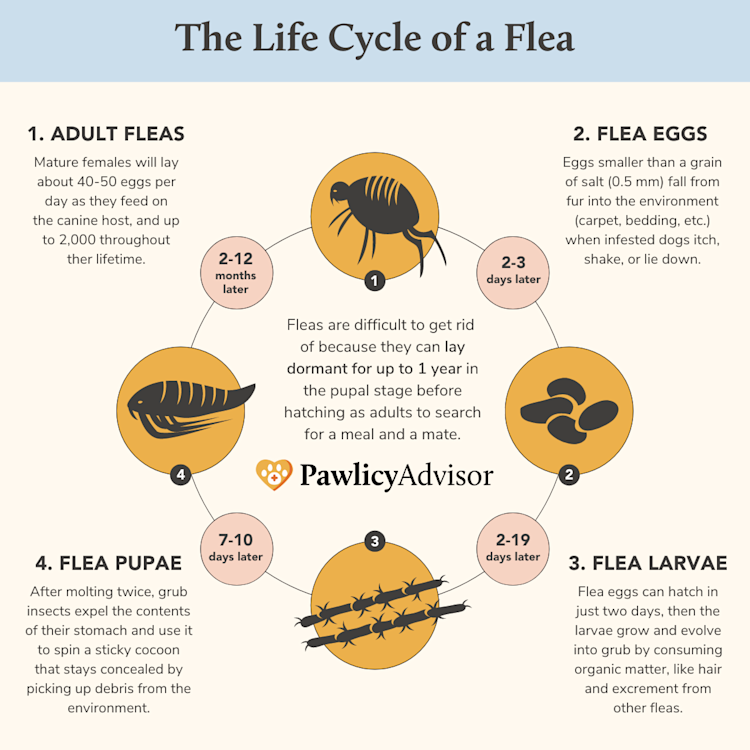
Fleas thrive in warm, humid places like carpets and bedding. Inspect your puppy’s sleeping area for flea dirt or live fleas. Use a white cloth to brush through fur and bedding; black specks mean flea dirt. Vacuum floors and furniture to catch fleas and eggs. Wash bedding in hot water to kill fleas and larvae. Keep the environment clean to reduce flea chances.
Credit: www.pawlicy.com
Safe Flea Treatment Options
Choosing safe flea treatments for puppies is very important. Puppies have sensitive skin and bodies. Harsh chemicals can harm them. Use gentle products made for young dogs. Always check the puppy’s age and weight before applying any treatment.
Consult your vet before starting any flea control. They can recommend the safest and best options. Early treatment stops fleas from causing itching and infections. Treat your puppy carefully to keep them healthy and happy.
Topical Medications
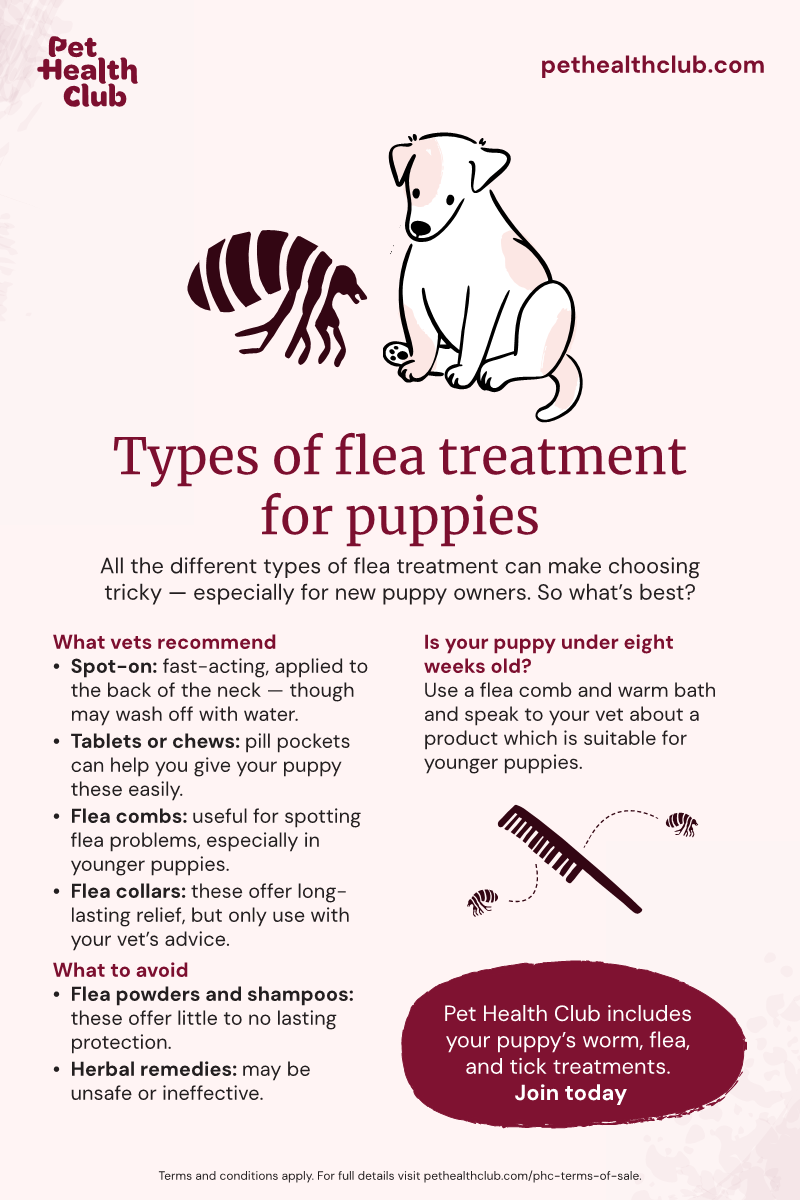
Topical flea treatments are applied directly to the puppy’s skin. These liquids kill fleas quickly and prevent new ones. Apply the medicine on the back of the neck. This spot keeps puppies from licking the product off. Choose formulas made for puppies under 12 weeks old. Follow the package instructions closely for safety.
Oral Flea Pills
Oral flea pills work from inside the puppy’s body. They kill fleas when the puppy bites or sucks blood. Many pills start working within hours. Some require a vet’s prescription. Use only pills approved for puppies and their specific weight. Do not give adult dog flea pills to puppies.
Natural Remedies For Puppies
Natural remedies can help control fleas gently. Ingredients like coconut oil or apple cider vinegar may repel fleas. Bathing puppies with mild, natural shampoos soothes itchy skin. Be careful with essential oils; some are toxic to puppies. Always test a small skin area first and watch for reactions.
Preventing Flea Reinfestation
Preventing flea reinfestation is key to keeping your puppy healthy and happy. Fleas can return quickly without proper care. Taking steps to stop fleas from coming back protects your puppy from itching and disease. A clean home and regular care make a big difference.
Regular Grooming Practices
Brush your puppy’s fur daily with a flea comb. This removes fleas and their eggs. Bathing your puppy with a gentle flea shampoo helps kill fleas on contact. Check your puppy’s skin for any signs of fleas or irritation. Grooming keeps fleas away and keeps your puppy comfortable.
Cleaning Your Puppy’s Living Area
Wash your puppy’s bedding often in hot water. Vacuum carpets, rugs, and furniture regularly to remove flea eggs. Clean floors and corners where fleas like to hide. Dispose of vacuum bags or empty canisters outside. A clean environment stops fleas from laying eggs around your puppy.
Using Flea Preventatives
Use flea preventatives recommended by your vet. These products kill fleas and stop their growth. Options include topical treatments, oral medicines, and collars. Follow the instructions carefully and apply preventatives on schedule. Consistent use blocks fleas from returning and keeps your puppy safe.
Credit: www.pethealthclub.com
When To Visit The Veterinarian
Knowing when to visit the veterinarian is key to protecting your puppy from fleas. Mild flea problems can often be handled at home. But severe infestations need professional care. A vet can spot serious issues early and stop them before they get worse.
Watching your puppy closely helps you decide if a vet visit is needed. Puppies can suffer from fleas quickly. Treating fleas early keeps them healthy and happy.
Signs Of Severe Infestation
Look for constant scratching or biting at the skin. Red, irritated, or swollen spots show infection. Bald patches or hair loss are warning signs. Puppies that seem tired or weak may have anemia from fleas. Fleas or flea dirt on the puppy’s coat are clear signs.
Medical Treatments Available
Veterinarians offer strong flea treatments safe for puppies. These include topical medicines applied to the skin. Oral medications kill fleas from the inside out. Sometimes, antibiotics are needed for infected skin. Your vet may recommend special shampoos or sprays too.
Frequently Asked Questions
How Can I Safely Treat Fleas On My Puppy?
Use puppy-safe flea treatments recommended by your vet. Avoid harsh chemicals and follow dosage instructions carefully to prevent harm.
What Are The Signs Of Fleas On Puppies?
Look for scratching, biting, red skin, and visible fleas or flea dirt on your puppy’s coat.
Can I Use Adult Flea Treatments On Puppies?
No, adult flea treatments can be toxic. Always use products specifically formulated for puppies.
How Often Should I Treat My Puppy For Fleas?
Treat your puppy monthly, especially during flea season, to prevent infestations and protect their health.
Conclusion
Treating fleas on puppies takes patience and care. Use gentle flea treatments made for young dogs. Clean your puppy’s bedding and vacuum your home often. Check your puppy’s skin regularly for signs of fleas. Keep your yard tidy to reduce flea habitats.
Early action stops fleas from spreading and causing harm. Healthy puppies stay happy and itch-free. Stay consistent with treatment for the best results. Flea control helps protect your puppy’s health and comfort.