Last Updated on June 9, 2026
If you’ve noticed tiny black specks on your cat’s fur, you’re probably dealing with flea dirt. It’s not just unpleasant—it can cause serious discomfort for your furry friend.
You want to get rid of it fast, but where do you start? Don’t worry, you’re in the right place. This guide will show you simple, effective ways to clean your cat and keep those pesky fleas—and their dirt—far away.
Keep reading to learn how to protect your cat and bring back their healthy, happy coat.
Credit: www.whisker.com
Identifying Flea Dirt On Cats
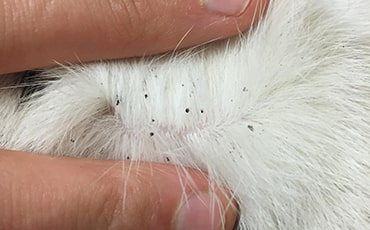
Flea dirt on cats is a sign of flea infestation. Identifying it early helps keep your cat comfortable and healthy. Flea dirt looks like tiny black specks on your cat’s fur. It can be confused with regular dirt, but knowing the difference is important. Checking the right spots on your cat makes finding flea dirt easier. This section explains how to spot flea dirt quickly and correctly.
What Flea Dirt Looks Like
Flea dirt is small, dark, and looks like ground pepper. It is dry and crumbly to touch. Sometimes it may appear reddish if it contains dried blood. It is much finer than regular dirt. Flea dirt often clings close to the skin under the fur. It does not brush away easily like dust.
Common Areas To Check
Check behind your cat’s ears first. Flea dirt often hides there. Look around the neck and near the base of the tail too. These spots are warm and cozy for fleas. Part your cat’s fur to see the skin. Use a flea comb to catch dirt and fleas. These areas show signs earlier than other parts.
Differences Between Flea Dirt And Regular Dirt
Flea dirt is different from normal dirt in many ways. It dissolves in water because it contains dried blood. Regular dirt will not dissolve. Flea dirt is found in specific areas, not all over. It sticks closer to the skin. Regular dirt is usually larger and rougher. Flea dirt moves when wet, regular dirt stays put.
Safe Removal Techniques
Removing flea dirt from your cat needs care and gentle methods. Harsh treatments can hurt your cat’s skin and cause stress. Safe removal helps keep your cat clean and healthy without pain.
Use gentle tools and mild products. Take your time and be patient. Your cat will feel more comfortable and less scared.
Using A Flea Comb
A flea comb has very fine teeth. It catches flea dirt and fleas from the fur. Comb your cat slowly and carefully. Start at the neck and move toward the tail. Wipe the comb on a wet paper towel to remove dirt. Repeat until no more flea dirt appears.
Bathing Your Cat
Bathing can wash away flea dirt and fleas. Use warm water and a mild cat shampoo. Wet your cat gently and apply shampoo. Rub softly to clean the fur and skin. Rinse well to remove all soap. Dry your cat with a towel in a warm room. Avoid cold or harsh water.
Spot Cleaning With Wet Cloth
Spot cleaning works for small dirty areas. Use a soft cloth dampened with warm water. Gently rub the flea dirt spots on the fur. Change cloth often to avoid spreading dirt. This method is good for cats that dislike combs or baths.
Effective Flea Treatments
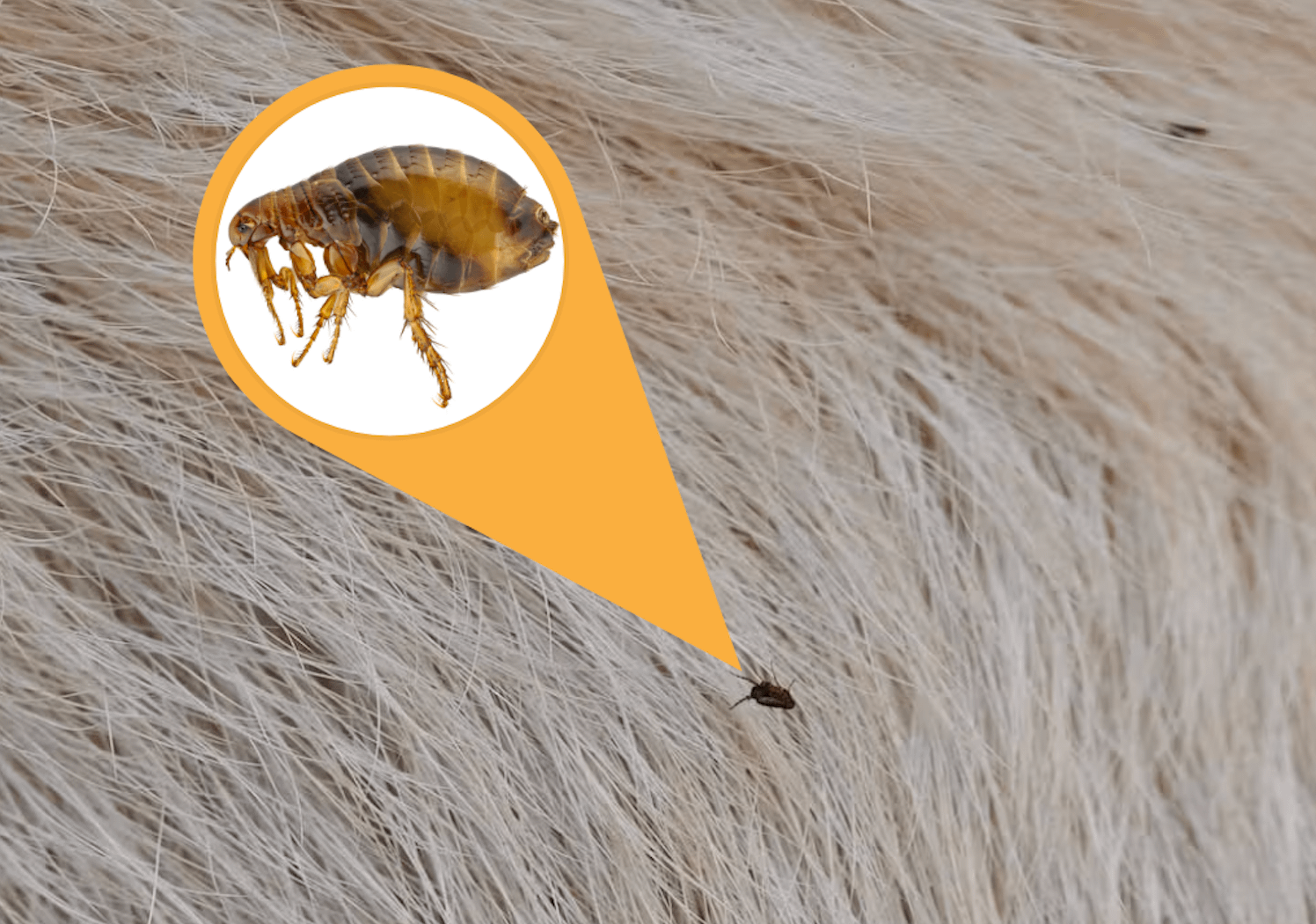
Flea dirt on cats is a sign of a flea problem. Treating fleas effectively removes these pests and keeps your cat healthy. Several treatments work well to stop fleas and clean flea dirt from your cat’s fur. Choose the best option based on your cat’s needs and your comfort.
Topical Flea Medications
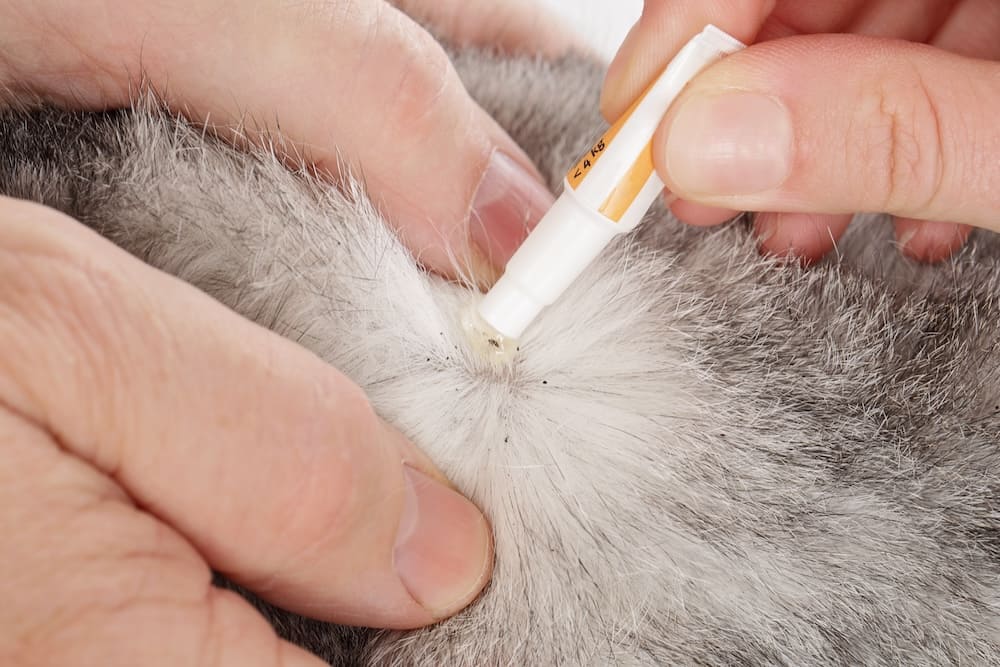
Topical flea medicines are liquids applied to the cat’s skin. They kill fleas quickly and stop new ones from growing. Apply the medicine between the cat’s shoulder blades. This spot stays hard for the cat to reach. Many products last for a full month, giving long-term protection. Always follow the instructions on the package for safe use.
Oral Flea Control Options
Oral flea treatments come as pills or chewables. Cats swallow them easily with food or by hand. These medicines work fast to kill fleas on your cat. Some products also stop flea eggs from hatching. Oral options provide a convenient way to protect your cat from fleas every month. Talk to your vet about the right choice for your cat.
Natural Remedies
Natural flea treatments can help reduce fleas gently. Some people use essential oils like lavender or cedar. Others try apple cider vinegar sprays or lemon water rinses. These methods may not kill fleas fully but can lower flea numbers. Use natural remedies carefully and avoid products harmful to cats. Always check with a vet before starting any natural treatment.
Credit: www.whisker.com
Preventing Flea Dirt Return
Stopping flea dirt from coming back is key to keeping your cat healthy. Flea dirt means fleas might still be around. Preventing their return takes care and regular attention.
Regular Grooming Habits
Brush your cat every day. It removes flea dirt and loose fleas. Use a fine-toothed comb for best results. Check for fleas on your cat’s skin and fur. Grooming also helps you notice skin problems early.
Cleaning Your Cat’s Environment
Fleas hide in carpets, bedding, and furniture. Vacuum these areas often to remove eggs and larvae. Wash your cat’s bedding in hot water weekly. Keep your home clean to break the flea life cycle. Treat outdoor areas if your cat spends time outside.
Using Flea Preventatives Year-round
Flea preventatives stop fleas before they become a problem. Use them all year, even in winter. Choose products made for cats and follow instructions carefully. Regular treatment keeps fleas away and protects your cat’s skin. Consult your vet for the best option.
When To See A Veterinarian
Knowing when to see a veterinarian is very important if your cat has flea dirt. Fleas can cause many problems beyond just itching. Some issues need professional care to keep your cat healthy and comfortable.
Signs Of Severe Infestation
Watch for heavy flea dirt or many fleas on your cat. Constant scratching or biting shows fleas are a big problem. Bald spots or sores on the skin mean the infestation is serious. Your cat may also seem tired or lose weight. These signs need a vet visit right away.
Allergic Reactions And Skin Issues
Some cats are allergic to flea bites. Red, swollen, or scabby skin shows an allergic reaction. Your cat might lick or chew the skin too much. This can cause infections. A vet can treat allergies and prevent skin damage. Early care helps your cat heal faster.
Professional Flea Treatment Options
Vets offer strong flea treatments that work fast. Prescription shampoos, sprays, or pills kill fleas effectively. These treatments are safer and better for severe cases. The vet can also check for other health problems. Follow their advice for the best results.
Credit: www.pdsa.org.uk
Frequently Asked Questions
What Is Flea Dirt On Cats?
Flea dirt is flea feces, appearing as small black specks on your cat’s fur. It consists of digested blood.
How Can I Identify Flea Dirt On My Cat?
Look for tiny black or dark brown specks on your cat’s skin or fur. Use a damp white cloth to check.
What Are The Best Methods To Remove Flea Dirt?
Regularly bathe your cat with flea shampoo and use a flea comb. Clean your cat’s bedding and environment thoroughly.
Can Flea Dirt Cause Health Problems For Cats?
Yes, flea dirt indicates fleas, which can cause itching, irritation, and transmit diseases. Treating flea dirt helps prevent infestations and health issues.
Conclusion
Getting rid of flea dirt on cats keeps them healthy and happy. Regular checks and gentle cleaning help a lot. Use flea combs to catch dirt and fleas early. Clean your cat’s bedding and home often. Treat your cat with safe flea products.
Stay patient; it takes time to see results. Keep your cat comfortable and itch-free every day. Small steps make a big difference in flea control. Protect your furry friend with care and attention.