
Last Updated on June 7, 2026
Have you ever noticed your cat scratching and wondered if those tiny pests could be on their fur? Fleas are a common problem for cat owners, and you might be curious—do cats actually eat fleas to get rid of them?
Understanding this can help you protect your furry friend and keep your home flea-free. You’ll discover the truth about cats and fleas, how your pet’s behavior plays a role, and what you can do to manage or prevent infestations. Keep reading to learn what every cat owner needs to know!
Credit: www.mcclearyanimalhospital.com
Cats And Fleas: The Basics
Cats and fleas have a long and complicated relationship. Fleas are tiny insects that live on cats. They feed on the cat’s blood. This can cause itching and discomfort for cats. Understanding this relationship helps you keep your cat healthy and happy.
Fleas are more than just a nuisance. They can cause skin problems and even spread diseases. Knowing why fleas attract cats and how they behave around cats is important for every cat owner.
Why Fleas Attract Cats
Fleas move quickly and jump from place to place. Cats notice this fast movement easily. Their natural hunting instincts kick in. Cats often try to catch fleas as if they were prey. The movement of fleas triggers a cat’s curiosity and playfulness.
Fleas also cause itching. This makes cats scratch and bite their skin. Sometimes, cats eat fleas while grooming themselves. Eating fleas is an accidental result of their self-cleaning routine.
Common Flea Behavior Around Cats
Fleas hide in a cat’s fur and skin folds. They avoid light and jump away quickly if disturbed. Fleas prefer warm and moist areas on a cat’s body. They often gather near the neck, belly, and tail base.
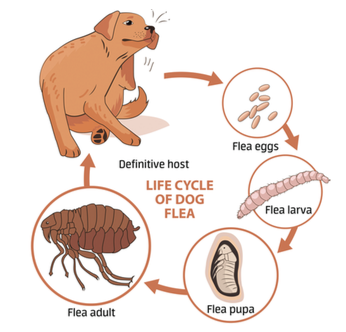
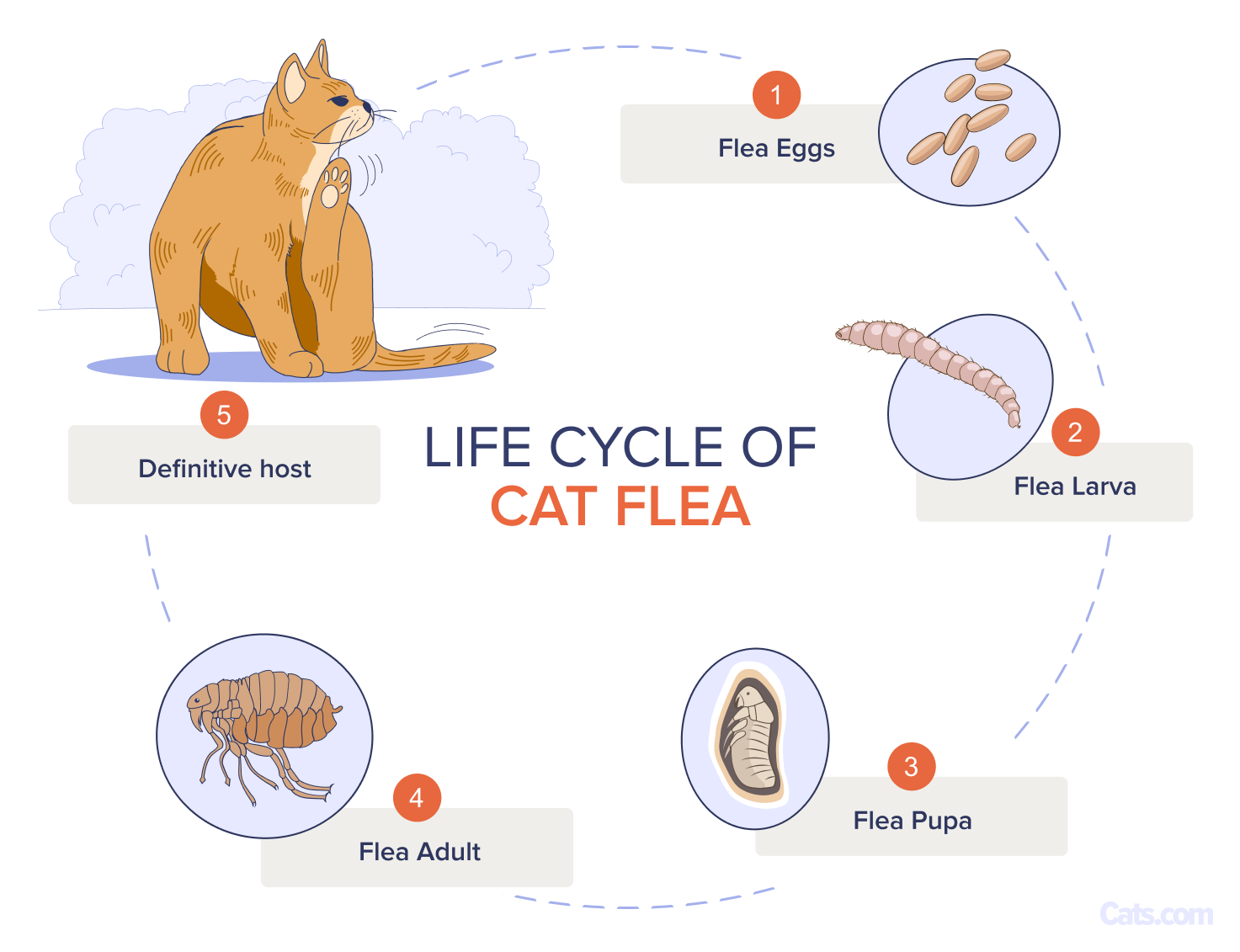
Fleas lay eggs on the cat, which fall off into the environment. This helps fleas spread and grow in number. They do not stay on cats all the time but return often to feed. Understanding flea behavior helps in effective flea control.
Do Cats Actually Eat Fleas?
Cats often scratch and groom themselves. Many pet owners wonder if cats actually eat fleas during this grooming process. Fleas are tiny insects that cause itching and discomfort to cats. Understanding whether cats eat fleas helps us learn how they manage these pests naturally.
Evidence From Cat Behavior
Cats spend a lot of time licking their fur. This grooming helps remove dirt, loose hair, and parasites. Fleas can be seen jumping or moving on a cat’s fur. Cats sometimes catch these fleas with their tongues. Observing cats closely shows they may swallow some fleas while grooming.
Veterinarians have noticed fleas in the stools of some cats. This suggests cats do eat fleas occasionally. Eating fleas might be a way to reduce the flea population on their bodies. Still, cats do not rely only on eating fleas for flea control.
How Cats Catch Fleas
Cats use their sharp teeth and quick movements to catch fleas. When a flea moves on a cat’s skin, the cat may bite or scratch the area. This action can trap the flea. Then the cat’s tongue helps remove the flea from the fur. The flea often ends up in the cat’s mouth.
Cats are fast and skilled hunters. Their claws and teeth work together to catch fleas. Fleas try to escape, but cats are usually quicker. This natural behavior shows cats do eat fleas sometimes as part of grooming and hunting instincts.
Benefits And Risks Of Flea Eating
Cats sometimes eat fleas while grooming themselves. This behavior can have both good and bad effects. Understanding these effects helps pet owners care better for their cats. Below are the main benefits and risks of flea eating.
Natural Flea Control
Cats eating fleas can reduce the number of pests on their bodies. Fleas are a common problem for cats and can cause itching. By eating fleas, cats remove some of these pests naturally. This helps keep their skin cleaner and less irritated. It can also lower the chance of flea bites and infections.
This natural flea control works best for small flea problems. If fleas are many, eating them may not be enough. Still, cats’ grooming helps reduce flea numbers without chemicals. This can be safer for cats and the environment.
Health Risks To Cats
Eating fleas is not without risks for cats. Fleas can carry diseases and parasites. When cats eat fleas, they might swallow these harmful organisms. This can lead to health problems like tapeworm infections. Tapeworms grow inside the cat’s intestines and cause issues.
Flea bites can also cause allergic reactions in some cats. If a cat has many fleas, eating them might not stop the allergic reaction. Flea control products are often needed to protect cats from serious health risks. Watching your cat’s behavior and skin is important to catch problems early.
Preventing Flea Infestations
Preventing flea infestations is important for your cat’s health and comfort. Fleas cause itching and skin problems. They can also spread diseases. Taking steps to stop fleas from settling on your cat protects them and your home. A clean environment and proper treatment keep fleas away.
Effective Flea Treatments
Use flea treatments made for cats. These include spot-on drops, sprays, and oral pills. Follow the instructions carefully. Apply treatments regularly to stop fleas from growing. Check your cat’s fur often for fleas or flea dirt. Early action stops infestations before they get worse.
Maintaining A Flea-free Environment
Clean your home often. Vacuum floors, carpets, and furniture to remove flea eggs and larvae. Wash your cat’s bedding weekly in hot water. Keep your yard tidy by cutting grass and removing debris. Fleas hide in warm, moist places. A clean home reduces flea chances greatly.
When To See A Veterinarian
Knowing when to see a veterinarian is important if your cat has fleas. Fleas can cause problems beyond just itching. Some signs show the problem is serious and needs expert care. Acting quickly can protect your cat’s health and comfort.
Pets can suffer more than just bites. They may develop infections or allergies that worsen fast. Early treatment stops these problems and keeps your cat happy and healthy.
Signs Of Severe Flea Infestation
Watch for constant scratching or biting at the skin. Bald spots or red, irritated patches are warning signs. Fleas may be visible moving on the fur. You might see small black dots, flea dirt, on your cat’s coat. Restlessness and trouble sleeping can also mean fleas are a big problem. If your cat seems weak or tired, fleas could be causing anemia. These signs show fleas have taken over and need professional treatment.
Health Issues Related To Fleas
Fleas can spread diseases and parasites to cats. They may cause skin infections or allergic reactions. Flea bites can lead to hair loss and wounds. Cats can get tapeworms from swallowing fleas. Anemia happens when fleas suck too much blood. Some cats may develop serious infections needing medicine. A vet can give treatments that kill fleas and heal your cat. Early care helps avoid long-term health problems.
Credit: cats.com
:strip_icc()/fleas-and-your-cat-552346-Final-742910b7cca544ed95622e97fd075d22.jpg)
Credit: www.thesprucepets.com
Frequently Asked Questions
Do Cats Naturally Eat Fleas Off Their Fur?
Yes, cats often groom themselves and eat fleas during cleaning. This helps reduce flea numbers but may not eliminate infestations entirely. Regular flea treatments are recommended for full control.
Can Eating Fleas Harm Cats’ Health?
Eating fleas can sometimes cause mild stomach upset in cats. Fleas can also carry tapeworms, which cats may ingest while grooming. Regular flea prevention helps protect cats from these health risks.
How Effective Is Grooming For Flea Control?
Grooming can remove some fleas but usually isn’t enough alone. Fleas reproduce quickly, so additional treatments like topical medications or flea collars are necessary. Grooming supports flea control but should complement other methods.
Do Cats Get Nutrition From Eating Fleas?
No, fleas do not provide significant nutrition to cats. Cats eat fleas mainly while grooming, not for food. Their diet should come from balanced cat food to meet nutritional needs.
Conclusion
Cats may eat fleas, but it is not a reliable way to control them. Fleas can cause itching and health problems for your pet. Regular flea treatment keeps cats safe and comfortable. Watch your cat closely for signs of fleas or irritation.
Consult a vet for the best flea control options. Keeping your cat flea-free improves their happiness and health. Simple steps help protect your furry friend every day.