Last Updated on June 6, 2026
Are fleas just a pesky annoyance, or can they actually be deadly to your dog? If you’ve ever seen your furry friend scratching nonstop or noticed tiny bugs on their fur, you might be worried about what those little pests could mean for their health.
Understanding the real danger fleas pose is crucial for every dog owner. Keep reading to discover the truth about fleas and how they could affect your dog’s life—your dog’s safety depends on it.
Credit: www.pawlicy.com
Flea Basics And Dog Health
Understanding fleas is important to protect your dog’s health. Fleas are tiny pests that cause more than just itching. They can affect your dog’s comfort and well-being in many ways.
This section explains what fleas are, how they harm dogs, and the signs of a flea problem.
What Are Fleas?
Fleas are small, wingless insects. They live on animals like dogs and cats. Fleas feed on blood to survive. They can jump far and fast, making them hard to catch.
Fleas multiply quickly. One flea can lay hundreds of eggs. These eggs fall off your dog and spread in your home.
How Fleas Affect Dogs
Fleas cause itching and discomfort. Their bites can make dogs scratch a lot. This scratching can hurt the skin and cause infections.
Some dogs are allergic to flea bites. This allergy can lead to serious skin problems. Fleas can also spread diseases and parasites like tapeworms to dogs.
Common Symptoms Of Flea Infestation
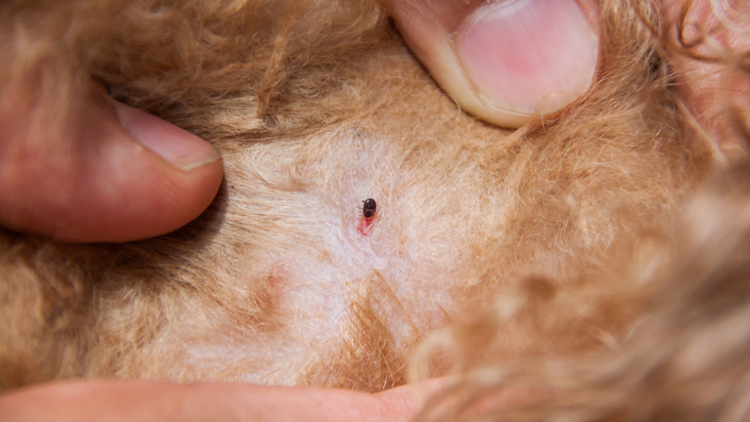
Watch for constant scratching and biting of the skin. Red, irritated spots or hair loss are common signs. You may see tiny black specks, called flea dirt, on your dog.
Restlessness and discomfort often increase. Fleas can cause anemia in severe cases, especially in puppies or small dogs.

Credit: thevisitingvets.com.sg
Health Risks Posed By Fleas
Fleas pose several health risks to dogs. These tiny parasites can cause more than just itching. Their bites and presence may lead to serious problems. Understanding these risks helps protect your dog’s health and comfort.
Dogs suffer from different conditions caused by fleas. Some effects are mild, while others can become dangerous. Recognizing symptoms early is key to preventing harm.
Anemia From Severe Flea Bites
Fleas feed on a dog’s blood. Large numbers of fleas can cause blood loss. This condition is called anemia. Puppies and small dogs are especially at risk. Symptoms include weakness, pale gums, and tiredness. Anemia can be life-threatening if untreated. Immediate veterinary care is necessary.
Flea Allergy Dermatitis
Some dogs develop allergies to flea saliva. This causes flea allergy dermatitis (FAD). It leads to intense itching and skin inflammation. Dogs scratch and bite their skin constantly. This can cause wounds and infections. FAD requires treatment to reduce itching and heal skin.
Transmission Of Parasites And Diseases
Fleas can carry harmful parasites and germs. They spread tapeworms when dogs lick flea bites. Fleas also transmit bacteria that cause diseases. These illnesses can affect a dog’s overall health. Flea control prevents spreading infections and parasites.
When Fleas Become Deadly
Fleas can cause more than just itching and discomfort for dogs. In some cases, they become deadly threats. Understanding when fleas turn dangerous helps protect your dog’s health. Fleas multiply quickly and spread diseases that harm your pet.
Small bites can lead to serious health issues. Some dogs suffer more than others. Watch for warning signs and act fast to save your dog.
Vulnerable Dog Breeds And Ages
Puppies and senior dogs have weaker immune systems. They struggle to fight flea infections. Small breeds with thin coats also face higher risks. These dogs feel flea bites more intensely. Their skin can break easily, allowing infections.
Dogs with allergies or skin conditions suffer severe reactions. Fleas worsen their problems quickly. Protect these vulnerable dogs to avoid dangerous complications.
Complications From Untreated Infestations
Fleas cause anemia by sucking blood repeatedly. Severe anemia can lead to organ failure. Bacterial infections spread through flea bites. These infections may become life-threatening without treatment.
Fleas carry tapeworm eggs that dogs swallow. Tapeworms cause digestive problems and poor nutrient absorption. Untreated infestations weaken dogs physically and mentally.
Signs Of Life-threatening Conditions
Excessive scratching and hair loss signal trouble. Pale gums and weakness show anemia. Restlessness and panting may mean severe discomfort. Look for swelling or sores from flea bites.
Loss of appetite and vomiting can indicate infection. Sudden collapse or difficulty breathing demands urgent care. Early detection saves lives by preventing fatal outcomes.
Credit: petsdomain.com.au
Preventing Flea Infestations
Preventing flea infestations protects dogs from discomfort and health risks. Fleas cause itching and can spread diseases. Stopping fleas early keeps dogs safe and happy. Simple steps help maintain a flea-free home and pet.
Effective Flea Control Products
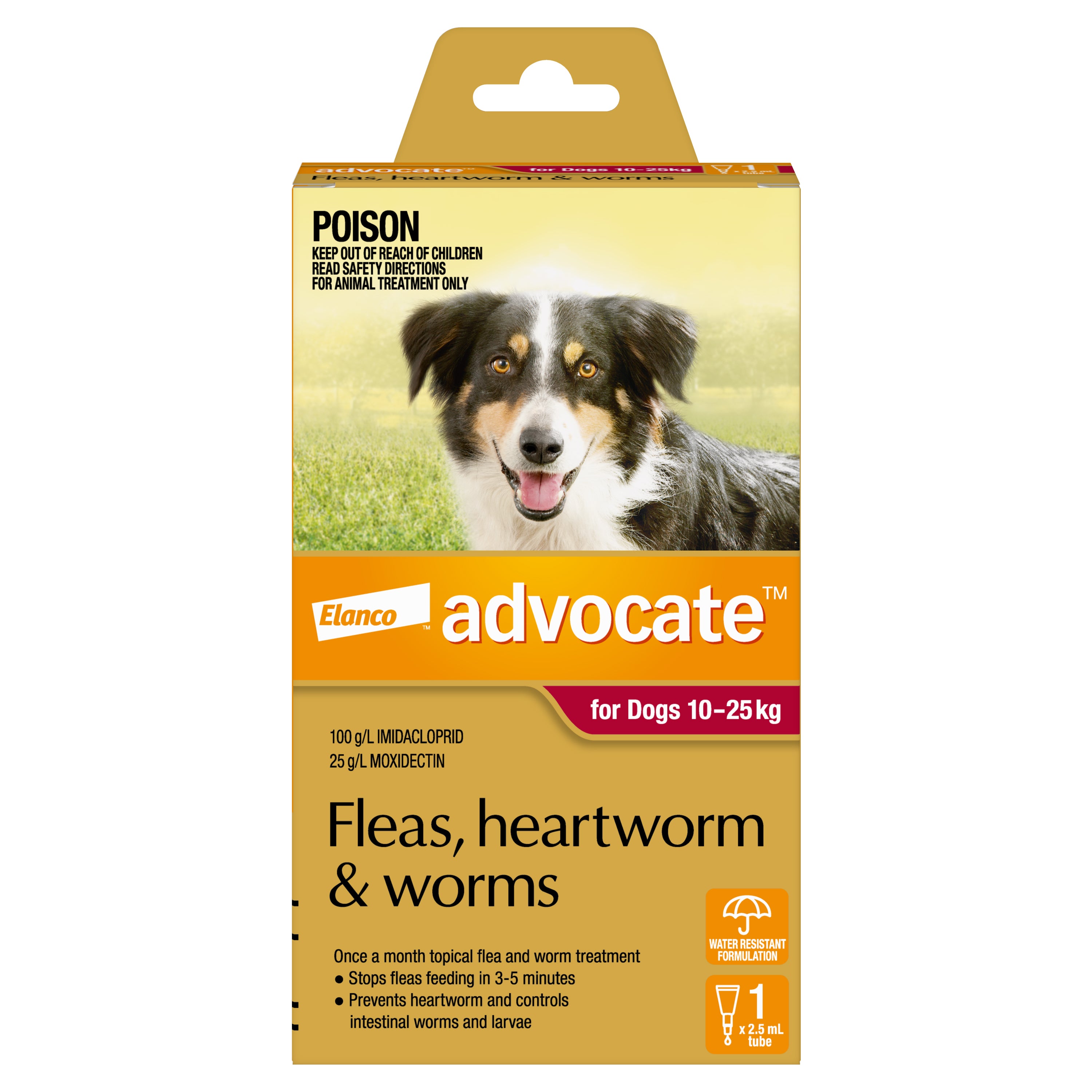
Choose flea control products made for dogs. Spot-on treatments kill fleas quickly. Flea collars provide long-lasting protection. Oral medications work from inside the body. Use products as the label says. Consistent use prevents fleas from returning.
Maintaining A Flea-free Environment
Clean your home often to stop fleas. Vacuum carpets, floors, and furniture well. Wash dog bedding in hot water weekly. Keep the yard tidy and remove debris. Fleas hide in shaded, cool places outside. Treat your home and yard with safe sprays.
Regular Vet Checkups And Treatments
Visit the vet regularly for flea checks. Vets can spot fleas early on your dog. They offer advice on the best flea treatments. Follow the vet’s instructions carefully. Regular care reduces the chance of serious flea problems.
Treating Flea Problems Safely
Treating flea problems safely is key to protecting your dog’s health. Fleas cause itching and discomfort. They can also spread diseases. Choosing the right treatment keeps your dog safe and flea-free. Some treatments work better for mild cases. Others are needed for severe infestations. Knowing how to care for your dog after treatment helps prevent fleas from coming back.
Home Remedies Vs. Professional Treatments
Home remedies include natural oils, vinegar, and homemade sprays. These may help reduce fleas but often do not kill them all. Some home treatments can irritate your dog’s skin. Professional treatments use veterinary-approved products. These are stronger and target fleas at all life stages. Consult a vet before using any treatment. Avoid harmful chemicals that can hurt your dog.
Dealing With Severe Infestations
Severe flea infestations need quick action. Fleas multiply fast and can cause anemia. A vet can prescribe strong medications or shampoos. These treatments work better than over-the-counter options. Your home and yard also need cleaning. Wash bedding, vacuum carpets, and treat outdoor areas. This stops fleas from returning to your dog.
Post-treatment Care For Dogs
After treatment, watch your dog closely. Some may have mild skin reactions. Keep your dog comfortable and clean. Regular grooming helps remove dead fleas and eggs. Use flea preventatives as directed by your vet. Maintain a clean environment to keep fleas away. Regular checks prevent new infestations early.
Myths About Fleas And Dog Health
Many dog owners worry about fleas and their pets’ health. Some information about fleas is wrong. These myths can cause fear or wrong care. Understanding facts helps keep dogs safe and healthy.
Knowing what is true about fleas stops unnecessary stress. It also helps in choosing the right treatment for dogs.
Common Misconceptions
One myth says fleas can kill dogs quickly. This is not true for most healthy dogs. Fleas cause itching and discomfort but rarely death. Another myth says only dirty dogs get fleas. Fleas can live on any dog, clean or not.
Some believe fleas only bite dogs. Fleas also bite humans and other animals. People can get itchy from flea bites too. Fleas do not jump far, but they spread easily through contact.
Separating Fact From Fiction
Fleas can cause health problems, but they are not always deadly. Severe flea infestations can lead to anemia in small or weak dogs. Some dogs get allergic reactions that cause skin damage. Fleas can carry diseases, but not all carry harmful germs.
Effective flea control and regular vet visits protect dogs best. Using safe flea treatments stops flea problems early. Clean living areas reduce flea chances too. Understanding the truth helps dog owners act wisely.
Frequently Asked Questions
Are Fleas Dangerous Or Deadly To Dogs?
Fleas are usually not deadly but can cause severe discomfort. They may lead to allergic reactions, infections, or anemia in puppies and small dogs. Prompt flea treatment is essential to prevent health risks and keep your dog safe and comfortable.
How Do Fleas Affect A Dog’s Health?
Fleas cause itching, skin irritation, and allergic dermatitis in dogs. Heavy infestations can lead to anemia due to blood loss. Fleas can also transmit tapeworms and other parasites, impacting your dog’s overall health and well-being.
Can Flea Bites Cause Infections In Dogs?
Yes, flea bites can cause infections if dogs scratch excessively. Open wounds from scratching may become infected with bacteria. Proper flea control and timely veterinary care help prevent secondary infections and promote faster healing.
What Are Signs Of A Severe Flea Infestation On Dogs?
Severe flea infestations cause constant itching, hair loss, and red skin. Dogs may become restless, weak, or show signs of anemia. Regular flea checks and early treatment are crucial to avoid serious health complications.
Conclusion
Fleas can cause serious problems for dogs if not treated quickly. They irritate your pet’s skin and can lead to infections. Some dogs may develop allergic reactions, making itching worse. Fleas also carry diseases that affect dogs’ health. Regular checks and flea control keep your dog safe and comfortable.
Act fast when you notice fleas. Protect your dog’s health with simple, regular care. Don’t let fleas harm your furry friend.