Last Updated on June 6, 2026
If you have a dog, you know how important it is to keep them happy and healthy. But what happens when tiny, itchy pests like fleas invade your furry friend’s life?
Fleas can cause discomfort, skin problems, and even serious health issues for your dog. You might be wondering how to spot these pesky invaders, what dangers they bring, and how to protect your pet effectively. This article will give you clear, easy-to-understand information about dogs and fleas, helping you keep your best friend safe and flea-free.
Keep reading—you’ll discover simple tips that can make a big difference for your dog’s well-being.

Credit: www.diamondpet.com
Flea Basics
Fleas are tiny pests that cause big problems for dogs and their owners. Understanding flea basics helps in protecting pets from discomfort and diseases. This section explains what fleas are, their life cycle, and common types found on dogs.
What Are Fleas?
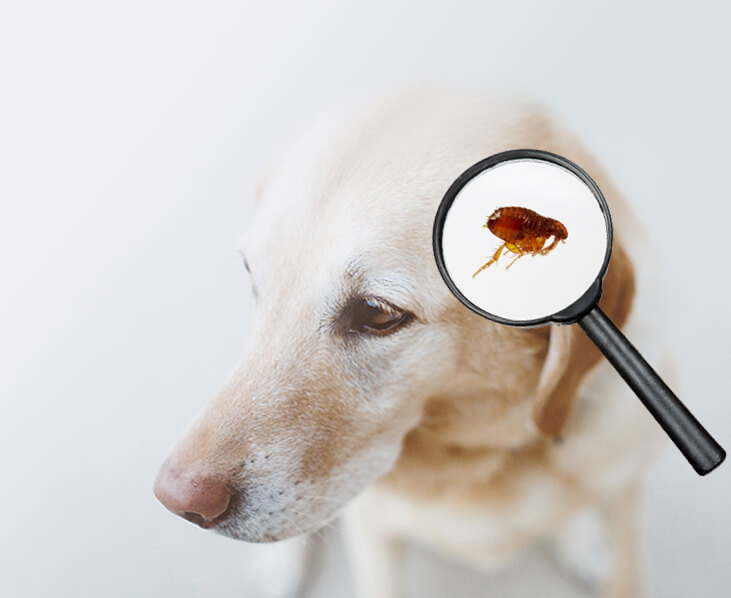
Fleas are small insects that feed on the blood of animals. They have six legs and can jump long distances. Fleas cause itching and skin irritation. These pests can also spread diseases to dogs and humans. They live in warm and humid places, making pets easy targets.
Flea Life Cycle
The flea life cycle has four stages: egg, larva, pupa, and adult. Female fleas lay eggs on the dog’s fur or in the environment. Eggs hatch into larvae that avoid light and feed on organic debris. The larvae spin cocoons and enter the pupal stage. Adult fleas emerge from cocoons and seek a host to feed on blood. This cycle can take a few weeks to several months.
Common Flea Species On Dogs
The most common flea species on dogs is the cat flea, Ctenocephalides felis. Despite the name, it prefers dogs too. Another species is the dog flea, Ctenocephalides canis, but it is less common. Flea species vary by region but all cause similar problems. Identifying the flea type helps in choosing the right treatment.
Signs Of Flea Infestation
Fleas cause many problems for dogs. They irritate the skin and make pets very uncomfortable. Spotting fleas early can help protect your dog from serious issues. Knowing the signs of flea infestation is key to quick action.
Dogs often show changes in their behavior when fleas bother them. Physical signs on their body also tell a clear story. Flea dirt and eggs are small clues that confirm fleas are present.
Behavioral Changes In Dogs
Dogs with fleas scratch and bite themselves often. They may lick certain areas more than usual. Restlessness and constant movement can be a sign. Some dogs even try to rub against furniture or walls.
Physical Symptoms
Look for red, inflamed skin or small bumps. Hair loss may occur in spots where scratching is frequent. Scabs and sores can develop from constant biting. Flea allergy dermatitis is common in sensitive dogs.
Flea Dirt And Eggs
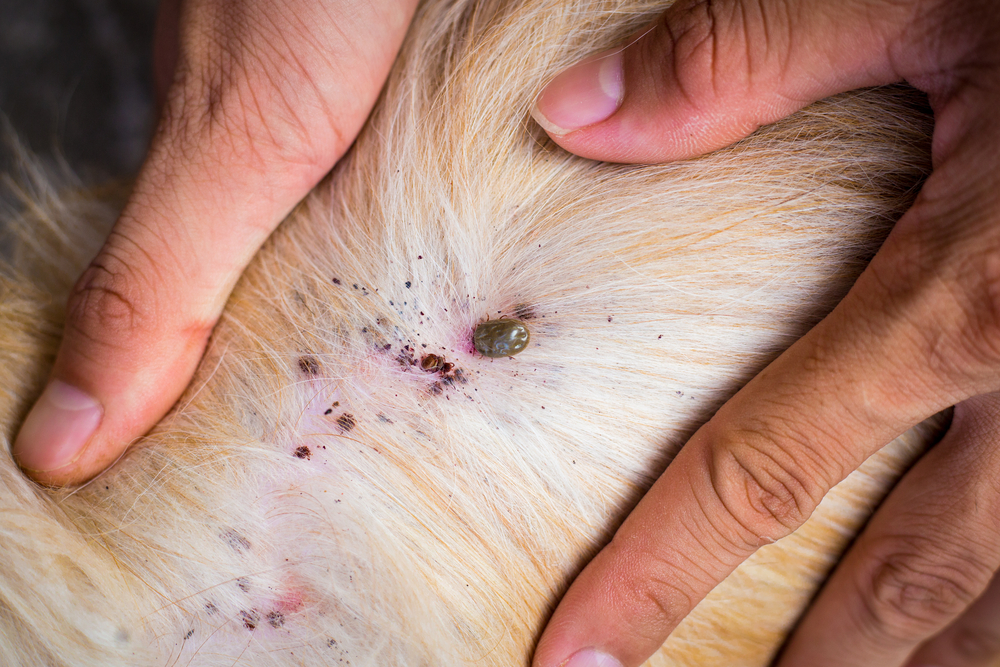
Flea dirt looks like tiny black specks on your dog’s fur. It is flea feces that contains digested blood. Flea eggs are small, white, and oval-shaped. Check your dog’s neck, belly, and tail base for these signs.
Health Risks From Fleas
Fleas pose several health risks to dogs beyond just itchy bites. These tiny pests can cause serious problems. Understanding the dangers helps protect your dog’s health.
Flea bites can lead to allergic reactions, spread diseases, and cause infections. Each issue needs attention to keep your dog safe and comfortable.
Allergic Reactions
Some dogs develop flea allergy dermatitis. This is an intense allergic reaction to flea saliva. It causes severe itching and redness. Dogs may scratch or bite their skin nonstop. This can lead to hair loss and sores.
Allergic reactions make dogs very uncomfortable. They need treatment to reduce itching and heal the skin.
Flea-borne Diseases
Fleas carry harmful diseases. One example is tapeworms. Dogs swallow fleas when grooming. The tapeworm larvae inside fleas infect the dog’s intestines. This causes weight loss and digestive problems.
Fleas can also spread bacterial infections like Bartonella. These diseases may cause fever and weakness. Early diagnosis and treatment are important.
Secondary Infections
Constant scratching and biting cause open wounds. These wounds can get infected by bacteria. Infections cause redness, swelling, and pain. They may need antibiotics to heal properly.
Secondary infections make flea problems worse. Treating fleas quickly prevents these serious issues.
Credit: elpasoanimalhospital.com
Preventing Flea Infestations
Flea infestations cause discomfort for dogs and stress for owners. Preventing fleas is the best way to keep pets healthy and happy. A few simple steps can stop fleas before they become a problem. Regular care and attention make a big difference.
Regular Grooming
Brush your dog often to spot fleas early. Use a fine-toothed flea comb to catch fleas and eggs. Check behind ears and near the tail where fleas hide. Bathing your dog with flea shampoo helps remove fleas. Grooming also keeps your dog’s skin clean and healthy.
Environmental Control
Clean your dog’s bedding and vacuum floors regularly. Wash blankets, cushions, and toys in hot water. Fleas can live in carpets and furniture for weeks. Keep your yard free of debris and mow the lawn often. These steps reduce flea eggs and larvae in your home.
Flea Prevention Products
Use flea collars, topical treatments, or oral medications as directed. These products stop fleas from biting and multiplying. Choose products suitable for your dog’s age and weight. Follow instructions carefully to keep your dog safe. Consistent use keeps fleas away all year round.
Treating Flea Infestations
Flea infestations can cause serious discomfort for dogs and their owners. Treating fleas quickly helps stop itching and skin problems. It also prevents fleas from spreading to your home. Various treatments exist to remove fleas effectively. Choosing the right one depends on your dog’s health and lifestyle.
Topical Treatments
Topical treatments are liquids applied directly to a dog’s skin. They work by killing fleas on contact. These treatments usually last for a month. They help prevent flea eggs from hatching too. Apply them between the shoulder blades. This spot is hard for dogs to reach and lick.
Topical treatments are easy to use and fast acting. Make sure the dog is dry before application. Avoid bathing your dog for a few days after using these products. This keeps the medicine working longer.
Oral Medications
Oral medications come as tablets or chewables. Dogs swallow them, and the medicine spreads in their bloodstream. Fleas die when they bite the dog. These meds often work quickly and last a month or more.
Oral medicines are good for dogs that dislike topical drops. They are also safe for dogs that swim or bathe often. Consult your vet to find the best oral medicine. Always follow the vet’s instructions closely.
Home Remedies
Some owners use home remedies to reduce fleas. Regularly bathing dogs with gentle soap can help remove fleas. Flea combs are useful to catch and remove fleas manually.
Natural products like apple cider vinegar may repel fleas. Keep your dog’s bedding clean and wash it often. Vacuum your home to remove flea eggs and larvae. These methods support other treatments but may not fully control fleas alone.
Maintaining A Flea-free Home
Maintaining a flea-free home is key to keeping your dog healthy and happy. Fleas can hide in many places around your house. They lay eggs that spread quickly. Taking simple steps can stop fleas from taking over your space. Cleanliness and regular care make a big difference.
Cleaning And Vacuuming Tips
Vacuum floors, carpets, and furniture often. Fleas and eggs hide in carpet fibers. Use a vacuum with strong suction. Empty the vacuum bag or canister outside. This prevents fleas from returning. Focus on areas where your dog rests. Clean under furniture and along baseboards. Regular cleaning lowers flea numbers fast.
Washing Bedding And Toys
Wash your dog’s bedding weekly. Use hot water to kill fleas and eggs. Clean toys your dog uses often. Use mild soap and warm water. Dry bedding and toys in sunlight. Sunlight helps remove flea eggs and larvae. Clean items reduce the chance of flea return. Keep washing as part of your routine.
Yard Maintenance
Fleas live outside in grass and dirt. Keep your yard clean and trimmed. Cut grass short to reduce flea hiding spots. Remove leaves and debris where fleas breed. Water your yard to keep it cool and less flea-friendly. Clear shaded areas where fleas like to stay. Yard care helps protect your dog from fleas.
When To See A Veterinarian
Knowing when to see a veterinarian is important for your dog’s health. Fleas can cause many problems for dogs. Some problems need expert care to keep your dog safe and comfortable. Acting at the right time helps stop the issue from getting worse.
Persistent Infestations
Fleas that do not go away after home treatment need a vet visit. Persistent infestations can harm your dog’s skin and cause infections. A veterinarian can give stronger treatments. They can also check your home and suggest ways to prevent fleas.
Severe Reactions
Dogs with severe itching or hair loss need immediate veterinary care. Flea bites can cause allergic reactions in some dogs. These reactions include swelling, redness, or sores. Your vet can provide medicine to reduce pain and stop infection.
Preventive Health Checks
Regular vet visits help keep fleas away. Your veterinarian can suggest the best flea prevention products. They can also check for other health issues caused by fleas. Early detection helps keep your dog healthy and happy.
Credit: nexgard.com.au
Frequently Asked Questions
What Are Common Signs Of Fleas On Dogs?
Common signs include excessive scratching, biting, and red bumps on your dog’s skin. You might also spot flea dirt or live fleas in their fur. Dogs may show hair loss or irritated skin if the infestation worsens. Early detection helps prevent severe discomfort.
How Do Fleas Affect A Dog’s Health?
Fleas cause itching, skin irritation, and allergic reactions. They can also transmit tapeworms and bacterial infections. Severe infestations may lead to anemia, especially in puppies or small dogs. Prompt flea control is essential to maintain your dog’s health and comfort.
What Are Effective Flea Prevention Methods For Dogs?
Use veterinarian-approved flea treatments like topical drops, oral medications, or collars. Regularly wash your dog’s bedding and vacuum your home thoroughly. Keep your yard clean and treat it if necessary. Consistency in prevention helps protect your dog year-round.
Can Fleas Live Only On Dogs?
No, fleas can live on various animals like cats, rodents, and wildlife. They also survive in your home environment, such as carpets and furniture. Controlling fleas requires treating your dog and cleaning your living space simultaneously.
Conclusion
Dogs and fleas do not mix well. Fleas can cause itching and skin problems. Keeping your dog clean helps prevent fleas. Regular checks catch fleas before they spread. Use vet-recommended treatments to protect your pet. A flea-free dog is a happy dog.
Stay alert and act quickly to stop fleas. Caring for your dog means keeping fleas away. Small steps make a big difference in flea control. Your dog’s health depends on your care.