Last Updated on June 7, 2026
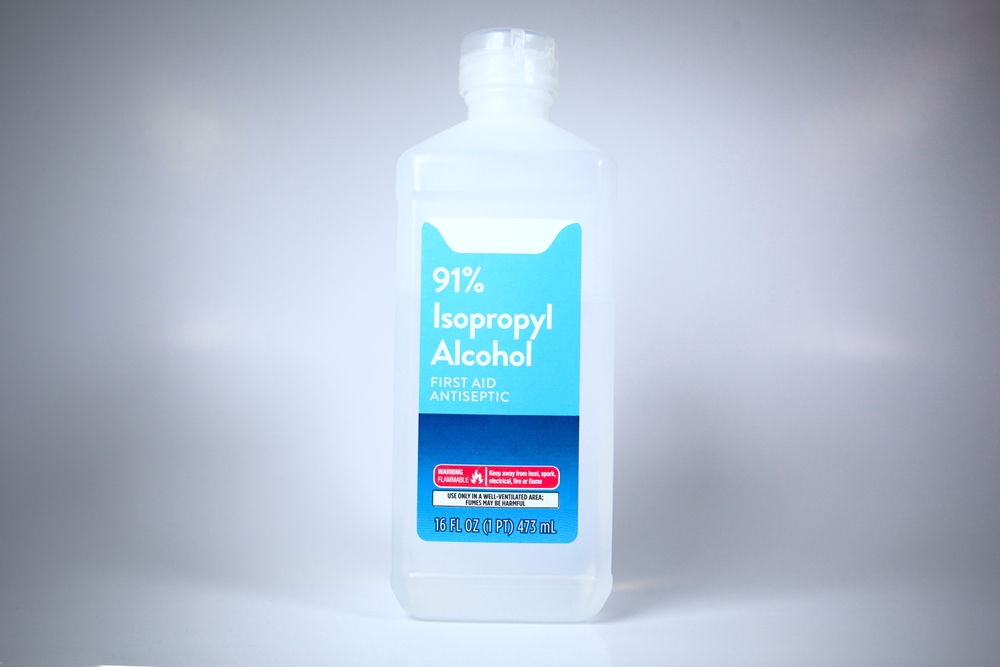
If you’ve ever dealt with fleas, you know how frustrating and persistent they can be. You might have heard that rubbing alcohol can kill fleas, but does it really work?
Before you reach for that bottle, it’s important to understand how rubbing alcohol affects these tiny pests—and whether it’s a safe and effective solution for you and your pets. Keep reading to discover the truth about rubbing alcohol and fleas, so you can make the best choice to protect your home and loved ones.
How Fleas React To Rubbing Alcohol
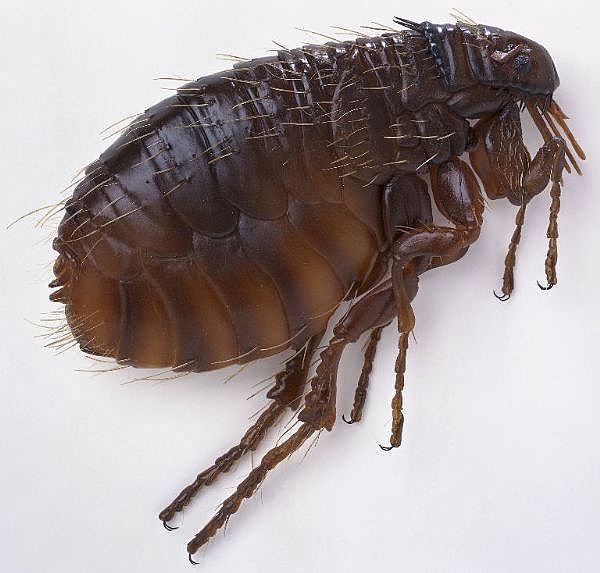
Rubbing alcohol affects fleas in several ways. It disrupts their body functions and can kill them. Fleas have a tough outer shell, but alcohol can still harm them. Understanding how fleas react helps in controlling these pests better.
Not all flea life stages respond the same to rubbing alcohol. Some stages are more vulnerable, while others resist it. Knowing these differences guides effective flea treatment.
Chemical Effects On Flea Physiology
Rubbing alcohol dissolves the waxy coating on fleas. This coating protects fleas from drying out. Without it, fleas lose moisture quickly and die. Alcohol also affects their nervous system, causing paralysis.
The alcohol evaporates fast, making it hard for fleas to survive. It also damages their skin and breathing system. Fleas become weak and stop moving after contact.
Effectiveness Against Different Flea Stages
Adult fleas are more vulnerable to rubbing alcohol. It kills them by breaking their protective layer and drying them out. Flea larvae and eggs have different defenses and are less affected.
Eggs have a hard shell that resists alcohol. Larvae live in hidden places and might avoid contact. Rubbing alcohol works best on fleas you can see and reach.
Repeated treatment may be needed to control all flea stages effectively.
Credit: www.instructables.com
Safe Ways To Use Rubbing Alcohol For Fleas
Rubbing alcohol can help reduce fleas on pets if used carefully. It kills fleas by drying out their bodies. Using it safely is very important to avoid harming your pet. Follow proper steps to protect your pet’s skin and health.
Application Methods On Pets
Use a spray bottle to apply rubbing alcohol gently on your pet’s fur. Avoid spraying near eyes, nose, or mouth. You can also dip a cotton ball in alcohol and wipe it on the flea-infested areas. Let it air dry without rinsing. Use it only on small spots, not all over the body. Test on a small skin area first to check for reactions. Do not use rubbing alcohol on pets with wounds or sensitive skin.
Precautions And Risks
Rubbing alcohol can irritate your pet’s skin and cause dryness. Avoid using too much or too often. It can be toxic if swallowed or absorbed through broken skin. Keep pets from licking treated areas until dry. Use in a well-ventilated area to avoid inhaling fumes. Never apply rubbing alcohol on young, old, or sick pets without advice from a vet. Always watch for signs of discomfort or allergic reaction after use.
Limitations Of Rubbing Alcohol In Flea Control
Rubbing alcohol is often used to kill fleas, but it has clear limits. It can reduce flea numbers quickly but does not solve the problem completely. Fleas live in many places, not just on pets. This makes rubbing alcohol less effective over time.
Understanding these limits helps in managing flea control better. Relying only on rubbing alcohol can lead to incomplete treatment. The following points explain why rubbing alcohol is not enough.
Short-term Vs Long-term Results
Rubbing alcohol kills fleas on contact. It works fast and can reduce fleas immediately. This makes it useful for quick relief. But it does not affect flea eggs or larvae. Fleas can return soon after treatment.
Long-term flea control needs more than just rubbing alcohol. Regular cleaning and other treatments are necessary. Using only rubbing alcohol means fleas will keep coming back. It is not a lasting solution.
Resistance And Survival Factors
Fleas can survive in places rubbing alcohol cannot reach. They hide in carpets, bedding, and furniture. Rubbing alcohol only kills fleas it touches directly. Eggs and larvae remain safe and grow into adults.
Fleas may develop resistance to harsh chemicals over time. Rubbing alcohol is not designed to prevent this resistance. It cannot stop fleas from multiplying if used alone. This makes it less reliable for full flea control.
Alternative Flea Treatment Options
Rubbing alcohol is often thought of as a quick fix for fleas. But it can be harsh and might not solve the problem fully. There are safer and more effective ways to treat fleas on your pets and in your home. These alternatives can help keep your pets comfortable and flea-free without harsh chemicals.
Natural Remedies That Work
Natural flea treatments use ingredients from nature to repel or kill fleas. Some popular options include apple cider vinegar, lemon sprays, and essential oils like lavender or cedar. These can soothe your pet’s skin and reduce flea irritation.
Bathing your pet regularly with gentle soap helps remove fleas and eggs. Flea combs are a simple tool to catch fleas from your pet’s fur. These methods are safe and easy to use at home.
Veterinary-approved Products
Veterinarians recommend certain flea treatments that are proven safe and effective. These include topical solutions, oral medications, and flea collars. They target fleas at different life stages to stop infestations.
Using vet-approved products ensures your pet gets the right dose without harm. These products often protect for weeks or months, reducing the need for frequent treatments. Always follow the vet’s advice for best results.
Preventing Flea Infestations At Home
Preventing flea infestations at home requires consistent effort and attention. Fleas multiply quickly and can cause discomfort for both pets and people. Taking the right steps helps keep your home clean and your pets healthy. This reduces the chances of fleas making a home inside your house.
Cleaning And Environmental Control
Regular cleaning is essential to stop fleas from breeding. Vacuum carpets, rugs, and furniture often. This removes flea eggs and larvae before they grow. Wash pet bedding and blankets in hot water every week. Use flea sprays or powders designed for home use carefully. Focus on areas where pets spend most time. Keep your yard tidy by mowing grass and removing debris. Fleas thrive in warm, humid places. Drying outdoor areas well lowers flea survival rates.
Pet Care And Maintenance
Check pets for fleas daily, especially after outdoor activities. Use flea combs to catch fleas and eggs. Bathe pets with flea shampoo regularly to kill fleas on contact. Consult your vet for safe flea treatments and preventatives. Give pets monthly flea medicine to stop infestations before they start. Keep pets away from stray animals that might carry fleas. Healthy pets are less likely to get flea problems.
Credit: getfurlife.com
Credit: www.catster.com
Frequently Asked Questions
Does Rubbing Alcohol Effectively Kill Fleas On Pets?
Rubbing alcohol can kill fleas on contact, but it is not safe for direct use on pets. It may irritate their skin. Use pet-safe flea treatments recommended by veterinarians instead.
Can Rubbing Alcohol Be Used To Clean Flea-infested Areas?
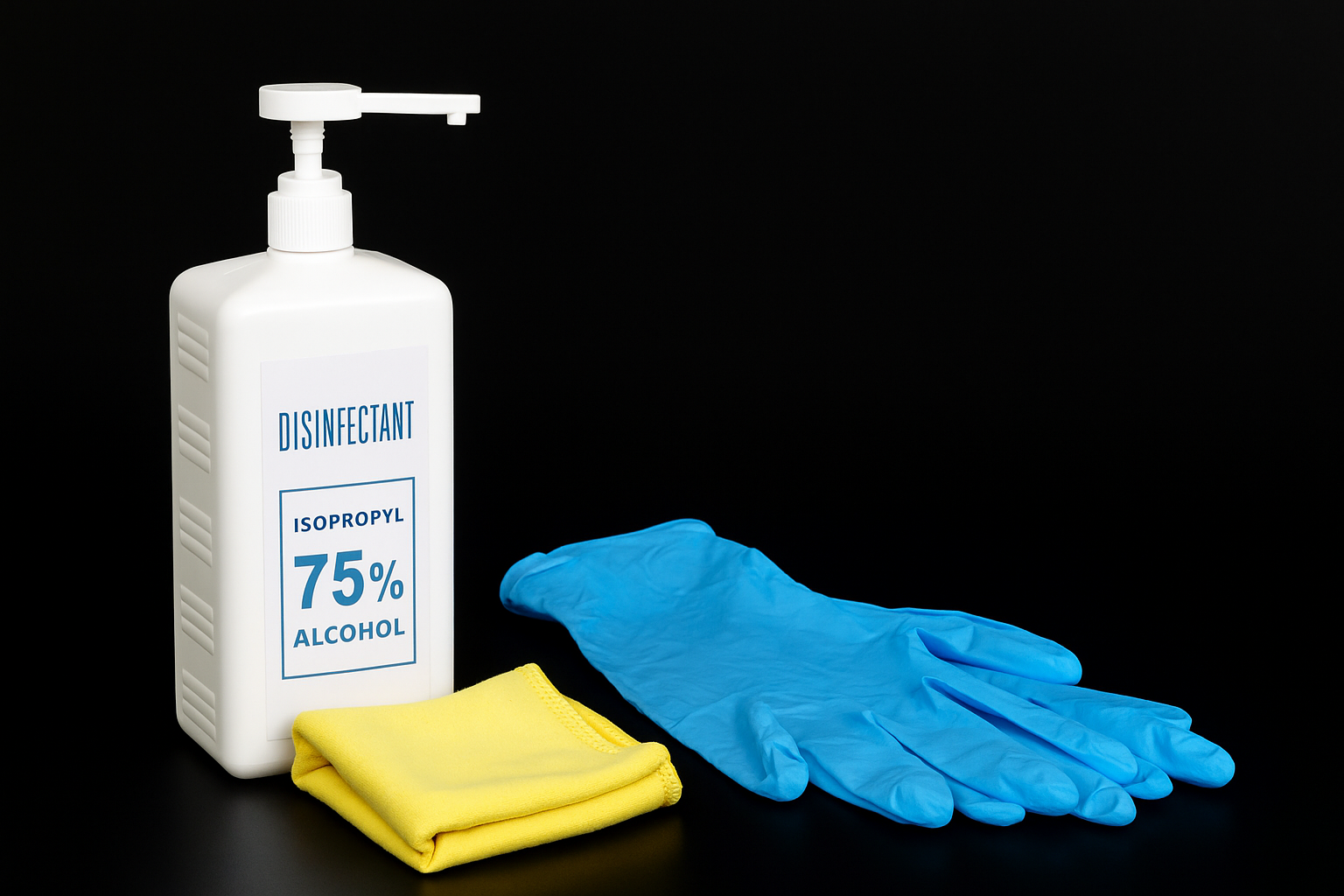
Yes, rubbing alcohol can help disinfect and clean flea-infested surfaces. It kills fleas and their eggs on hard surfaces but is not a standalone solution for infestation.
How Does Rubbing Alcohol Kill Fleas?
Rubbing alcohol kills fleas by dissolving their outer protective layer. This causes dehydration and death. However, it’s only effective on contact and doesn’t prevent re-infestation.
Is Rubbing Alcohol Safe For Flea Treatment Around The Home?
Rubbing alcohol is safe to use on hard, non-porous surfaces for flea control. Avoid using it on fabrics or pet bedding, as it can cause damage or irritation.
Conclusion
Rubbing alcohol can kill fleas on contact, but it is not a full solution. It may harm your pet’s skin or cause irritation. Fleas live in many places, not just on your pet. Treating your home and pet together works best.
Use safe flea treatments made for animals. Keep your pet clean and check for fleas often. Control is a process, not a quick fix. Stay patient and consistent to keep fleas away for good.