Last Updated on June 8, 2026
Are you worried about ticks lurking in your yard or on your pets? Ticks can carry harmful diseases, and finding a way to get rid of them fast is important for your health and peace of mind.
You might be wondering, is there a spray to kill ticks that actually works? You’ll discover the best options to protect yourself and your family. Keep reading to learn how to tackle ticks effectively and keep your outdoor spaces safe.
Types Of Tick Sprays
Tick sprays help reduce tick populations around your home and yard. Various types of sprays target ticks differently. Choosing the right spray depends on your needs and preferences.
Some sprays use chemicals to kill ticks quickly and effectively. Others rely on natural ingredients to control ticks with less impact on the environment.
Chemical-based Sprays
Chemical-based tick sprays contain ingredients designed to kill ticks fast. Common chemicals include permethrin, bifenthrin, and carbaryl. These sprays work by attacking the tick’s nervous system.
They provide long-lasting protection, often lasting for weeks. Many chemical sprays are easy to apply on lawns, shrubs, and other outdoor areas. Use caution and follow instructions carefully to avoid harm to pets and beneficial insects.
Natural And Organic Options
Natural tick sprays use plant oils and other organic ingredients. Examples include neem oil, cedar oil, and eucalyptus oil. These sprays repel or kill ticks without harsh chemicals.
They are safer for pets, children, and the environment. Natural sprays may need more frequent application than chemical ones. They offer a gentle way to control ticks, especially for sensitive areas or organic gardens.
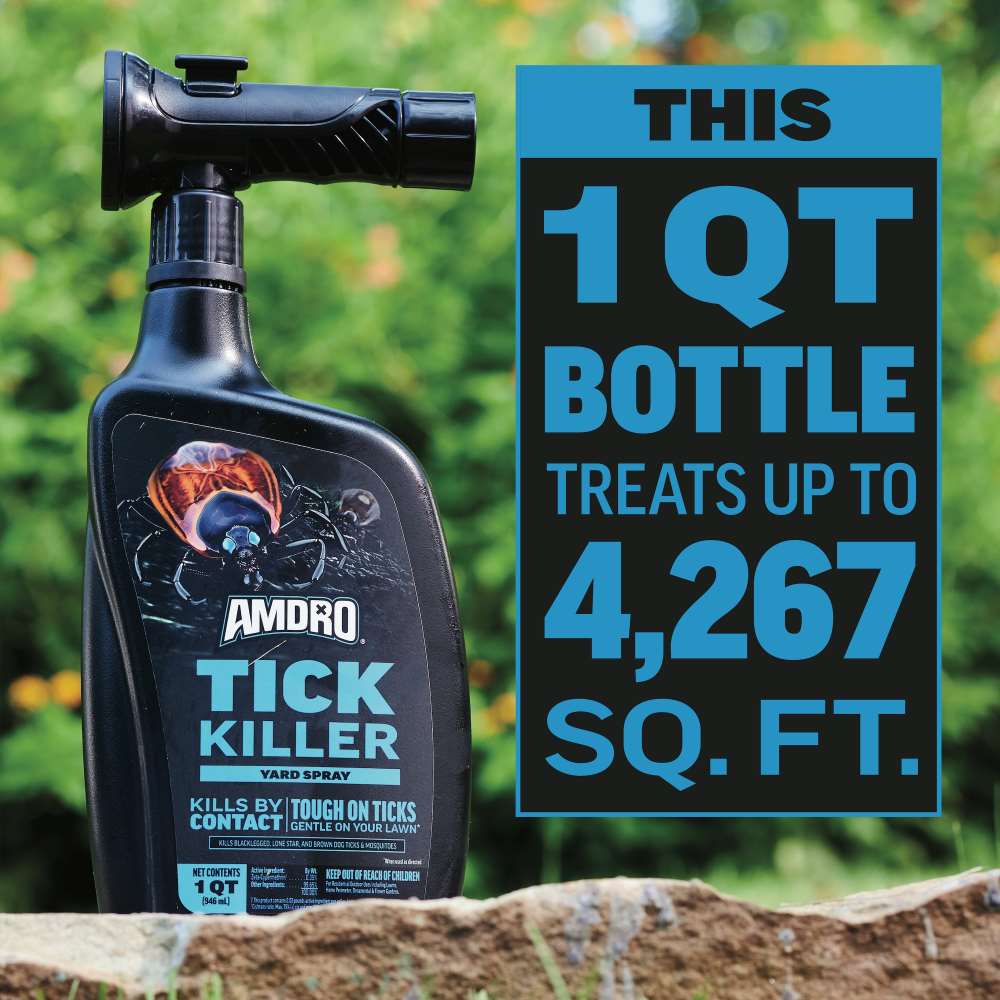
Credit: www.amdro.com
How Tick Sprays Work
Tick sprays provide a direct way to reduce ticks in your environment. They work by targeting the ticks’ nervous system or repelling them from treated areas. These sprays can kill ticks on contact or prevent them from climbing onto your skin or pets. Understanding how tick sprays function helps you choose the right product for your needs.
Active Ingredients
Most tick sprays contain chemicals that attack the tick’s nerves. Common ingredients include permethrin and pyrethroids. These substances quickly stun or kill ticks on contact. Some sprays use natural oils like cedar or eucalyptus to repel ticks. The active ingredient determines how fast and how well the spray works.
Application Methods
Tick sprays come in different forms. You can find sprays for lawns, clothing, and pets. Lawn sprays target tick habitats like tall grass and bushes. Clothing sprays create a protective barrier to stop ticks from attaching. Pet sprays are designed to be safe for animals and kill ticks on contact. Follow product instructions carefully for best results.
Effectiveness Of Popular Sprays
Many people want to kill ticks quickly and safely. Sprays are a common choice. They can kill ticks on contact or prevent them from coming back.
Not all sprays work the same way. Some are made for outdoors. Others are for pets or indoor use. Knowing how well these sprays work helps you pick the right one.
Consumer Reviews And Studies
Many buyers share their experiences online. Some say sprays work well to kill ticks fast. Others report only partial success. Some sprays need frequent reapplication.
Studies show sprays with DEET or permethrin kill ticks effectively. These ingredients disrupt ticks’ nervous systems. Natural sprays with essential oils can repel ticks but may not kill them.
Effectiveness depends on where and how you use the spray. Heavy grass or thick bushes can reduce spray power. Follow instructions carefully for best results.
Comparison Of Top Brands
Popular brands include Cutter, OFF!, and Adams. Cutter and OFF! use DEET or permethrin. They kill and repel ticks well. Adams offers natural sprays with cedar or peppermint oils.
DEET-based sprays last longer but can irritate skin. Natural sprays are safer for children and pets but work less on ticks. Permethrin sprays work well on clothing and gear, not skin.
Price varies. Some sprays cost more but cover a larger area. Others are budget-friendly but need frequent use. Match your needs with the spray features.
:max_bytes(150000):strip_icc()/spray-yard-to-kill-ticks-2132576-ADD-COLOR-8c35e7eafe23494eabc9e7f02a904b7c.png)
Credit: www.thespruce.com
Safety Considerations
Using a spray to kill ticks can reduce these pests quickly. Safety is very important. Sprays contain chemicals that can affect people, pets, and the environment. Knowing the risks helps you use these products safely. Read the label and follow the instructions exactly.
For Humans And Pets
Tick sprays can cause skin irritation and breathing problems. Keep sprays away from your face and hands. Use gloves when applying the spray. Avoid spraying near your eyes, nose, or mouth.
Pets can also react to tick sprays. Some sprays are safe for dogs and cats, but others are not. Only use sprays labeled safe for your pets. Watch pets closely after spraying. If they lick the treated area, they might get sick.
Keep pets and children away from treated areas until dry. This prevents accidental contact with chemicals. Always store tick sprays out of reach.
Environmental Impact
Many tick sprays contain chemicals that can harm plants and animals. These chemicals can kill beneficial insects like bees and butterflies. Avoid spraying near flowers, gardens, and water sources.
Some chemicals can stay in the soil and water for a long time. This can affect wildlife and pets. Use sprays sparingly and only where needed. Choose products with natural or less harmful ingredients when possible.
Dispose of empty spray containers properly. Follow local rules for hazardous waste. Protect the environment while controlling ticks.
Diy Tick Spray Recipes
DIY tick spray recipes offer a natural way to reduce ticks around your home and pets. These sprays use simple ingredients that you can find easily. They provide a safer alternative to harsh chemicals. Many people prefer homemade sprays because they are gentle and effective when used correctly.
Making your own tick spray lets you control what goes into it. You can tailor recipes to suit your needs and avoid allergens. Plus, it can save money compared to store-bought sprays. Using natural ingredients also helps protect the environment.
Essential Oils For Tick Control
Essential oils are popular for tick control. Oils like eucalyptus, lavender, and cedarwood repel ticks naturally. They have strong scents that ticks dislike. Mixing these oils with water creates a spray that can keep ticks away.
Tea tree oil is another effective choice. It has antibacterial and insect-repelling properties. Peppermint oil also works well to deter ticks. Using a blend of these oils often improves the spray’s power.
Homemade Spray Preparation Tips
Always mix essential oils with a carrier liquid like water or witch hazel. Use a spray bottle for easy application. Shake the bottle well before each use to mix oils evenly.
Test the spray on a small area before full use. This avoids skin irritation for you or your pets. Store the spray in a cool, dark place to keep it fresh longer. Reapply the spray every few days for best results.
Preventing Tick Infestations
Preventing tick infestations is important for keeping your home and yard safe. Ticks can carry diseases that affect people and pets. Taking simple steps helps reduce the chance of ticks spreading. These tips help create a less inviting space for ticks.
Landscaping Tips
Keep grass cut short to limit tick hiding spots. Remove leaf litter and tall weeds around your yard. Create a barrier of wood chips or gravel between lawns and wooded areas. This stops ticks from moving into play or garden spaces. Trim tree branches to let sunlight reach the ground. Ticks prefer dark, moist places, so sunlight helps control their numbers.
Personal Protection Strategies
Wear long sleeves and pants when outside in tick-prone areas. Use insect repellent that contains DEET or permethrin on clothes and skin. Check your body and pets for ticks after being outdoors. Showering soon after outdoor activities removes ticks before they attach. Wash clothes in hot water to kill any ticks hiding in fabric.

Credit: summitchemical.com
Frequently Asked Questions
What Types Of Sprays Effectively Kill Ticks?
Tick sprays often contain permethrin or other insecticides. These chemicals target and kill ticks on contact. Always choose EPA-approved products for safety and effectiveness. Follow label instructions carefully to ensure maximum tick control in your yard or on clothing.
Can Tick Sprays Be Used On Pets Safely?
Some tick sprays are safe for pets, but only specific formulas. Always check the product label for pet suitability. Avoid using sprays meant for lawns or outdoor areas directly on pets. Consult a veterinarian for recommended tick prevention products for animals.
How Often Should I Spray To Control Ticks?
Reapply tick spray every 2 to 4 weeks during tick season. Frequent application helps maintain protection in high-risk areas. Weather conditions like rain may reduce spray effectiveness, requiring more frequent treatments. Consistent use prevents tick infestations in your yard and garden.
Are Natural Tick Sprays As Effective As Chemical Ones?
Natural tick sprays often use essential oils like eucalyptus or cedar. They may repel ticks but generally don’t kill them as effectively. Chemical sprays provide stronger and longer-lasting tick control. Use natural sprays as a complementary option, not a primary solution.
Conclusion
Sprays can help reduce ticks in your yard and on your pets. Choose a product made for ticks and follow the instructions carefully. Regular use keeps ticks away and lowers bite risks. Always check yourself and your pets after spending time outside.
Staying safe means being prepared and cautious. Protect your family and pets by using sprays and other simple steps. Keep your home and yard tick-free for peace of mind.