Last Updated on June 11, 2026
If you’re a pet owner, you know how important it is to keep your furry friend healthy and happy. One common problem that many pets face is ticks.
These tiny pests can cause serious discomfort and even health issues for your pet. That’s where a tick bath comes in. But what exactly is a tick bath, and how can it help protect your pet? You’ll discover everything you need to know about tick baths—how they work, why they’re important, and how to give your pet a safe and effective tick bath at home.
Keep reading to make sure your pet stays tick-free and comfortable all year long.
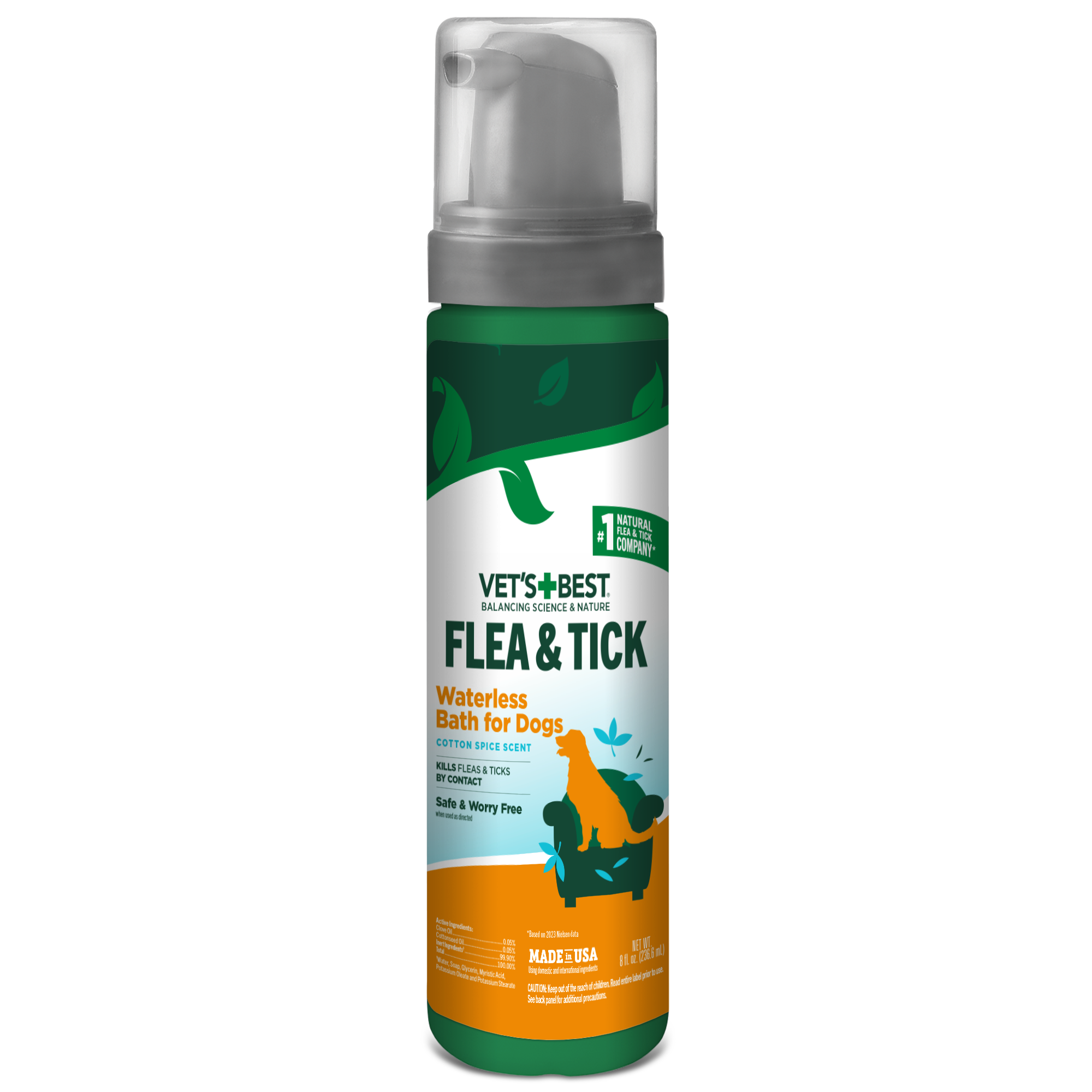
Credit: vetsbest.com
Why Ticks Are A Concern
Ticks are small bugs that can cause big problems. They live in grass, bushes, and woods. These pests attach to animals and people to feed on blood. Tick bites are not just itchy; they can lead to serious health issues. Understanding why ticks are a concern helps protect you and your family.
Ticks can spread diseases that affect humans and pets. They are hard to spot and can stay attached for days. Removing ticks quickly is important to reduce health risks. Knowing about common ticks and their dangers is the first step in prevention.
Health Risks From Tick Bites
Tick bites can cause skin irritation and redness. More serious risks include infections like Lyme disease. This disease can cause fever, fatigue, and joint pain. Some tick bites lead to Rocky Mountain spotted fever. It causes rash, headache, and muscle aches. Untreated tick-borne diseases can cause long-term health problems. Pets can also get sick from tick bites. Watch for signs like limping or loss of appetite.
Common Tick Species
Different ticks carry different diseases. The black-legged tick, also called the deer tick, spreads Lyme disease. The American dog tick can carry Rocky Mountain spotted fever. Lone star ticks are known for causing allergies in some people. Brown dog ticks are common on pets and can spread diseases too. Identifying these ticks helps in taking proper precautions. Knowing where they live and how they behave is key.
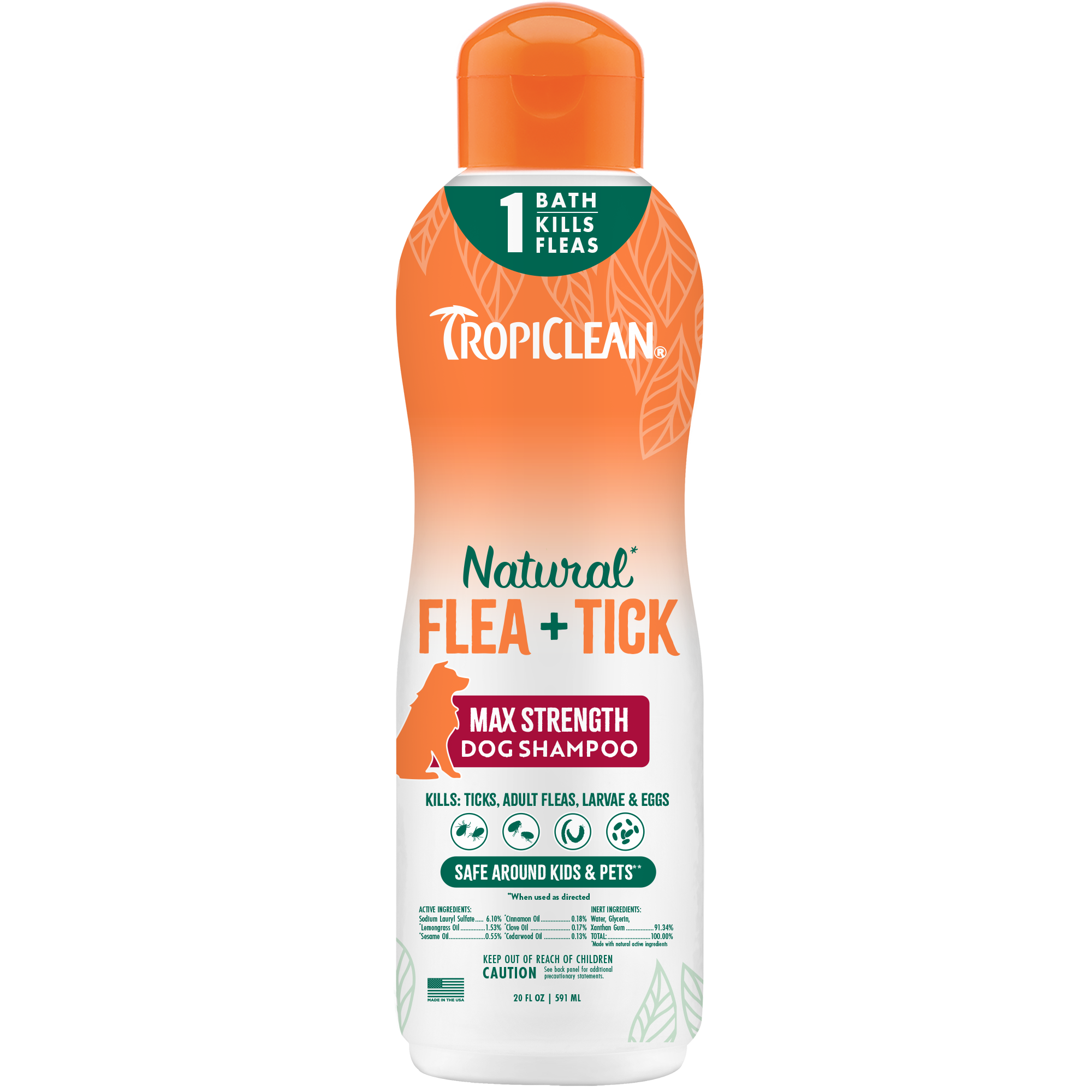
Credit: petpro.tropiclean.com
Choosing The Right Tick Bath
Choosing the right tick bath is important for your pet’s health. A good tick bath kills ticks without hurting your pet’s skin. It also helps keep your pet comfortable during use. Not all tick baths work the same way. Some can cause irritation or allergic reactions. Picking the right product means checking what is inside and what to avoid. This guide helps you find the best tick bath for your pet.
Ingredients To Look For
Natural ingredients often work well against ticks. Oils like neem, eucalyptus, and tea tree can repel ticks. These oils are gentle on the skin and have a fresh scent. Ingredients such as aloe vera and chamomile soothe the skin. Look for tick baths with vitamins to help skin heal. These ingredients keep your pet’s coat shiny and healthy.
Avoiding Harmful Chemicals
Some tick baths contain harsh chemicals that can harm pets. Avoid products with strong pesticides or synthetic fragrances. Chemicals like permethrin or carbaryl may irritate sensitive skin. Avoid tick baths with alcohol as they can dry out fur and skin. Choosing products free of parabens and sulfates protects your pet’s health. Always read labels carefully before buying any tick bath.
Preparing For A Tick Bath
Preparing for a tick bath is important for safe and effective removal. Careful preparation helps protect your pet and yourself. It also makes the process smoother and faster. Follow these steps to get ready for a tick bath.
Gathering Supplies
Start by collecting all necessary items. You will need a tick removal tool or fine-tipped tweezers. Choose a mild pet shampoo designed to kill ticks. Have a container or zip-lock bag ready to store removed ticks. Use gloves to protect your hands. Prepare clean towels for drying your pet after the bath.
Setting Up A Safe Environment
Find a quiet, well-lit area for the tick bath. Use a sink or small tub to control water temperature. Ensure the water is warm but not hot to avoid discomfort. Place non-slip mats to prevent slipping. Keep your pet calm by speaking softly and gently holding them. Remove any items that might distract or harm your pet during the bath.
Step-by-step Tick Bath Process
Giving your pet a tick bath is a smart way to remove and prevent ticks. This process helps clean your pet’s fur and skin while safely removing ticks. Follow these simple steps to protect your pet from tick bites and infections.
Bathing Technique
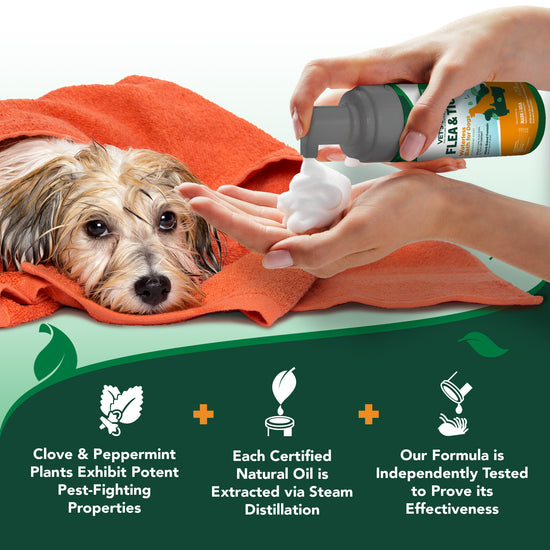
Start with warm water, not hot or cold. Wet your pet’s fur fully. Use a gentle pet shampoo made for tick control. Lather the shampoo evenly on your pet’s body. Avoid the eyes and mouth. Let the shampoo sit for 5 minutes. This helps loosen ticks and dirt. Rinse your pet thoroughly with clean water. Dry your pet with a towel. Keep your pet calm during the bath.
Tick Removal Methods
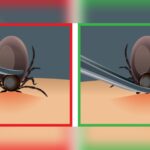
Check your pet’s fur carefully after the bath. Use fine-tipped tweezers or a tick removal tool. Grasp the tick close to the skin. Pull the tick out slowly and steadily. Do not twist or jerk the tick. Dispose of the tick by placing it in alcohol. Wash your hands after removal. Repeat checking for ticks every day for a week.
Post-bath Care
Dry your pet completely to avoid skin irritation. Brush your pet’s coat gently. Watch for any redness or swelling on the skin. Give your pet a treat to reward good behavior. Clean the bathing area well. Store tick removal tools safely. Keep your pet away from tick-prone areas for some time.
Alternative Tick Removal Tips
Ticks can be dangerous. They carry diseases and cause skin problems. Removing ticks properly is very important. Some people look for other ways to remove ticks besides using tick baths. Below are some alternative tick removal tips that help you stay safe.
Using Tick Removal Tools
Tick removal tools are made to take out ticks safely. They include tick tweezers and tick hooks. These tools grab the tick close to the skin. Pull the tick out slowly and steadily. Avoid twisting or squeezing the tick’s body. This stops the tick’s head from breaking off under your skin.
After removal, clean the bite area with soap and water. Wash your hands well. Tick removal tools are easy to find in stores or online. They reduce the risk of infection and skin damage.
Home Remedies To Avoid
Some home remedies can make tick bites worse. Avoid using nail polish, petroleum jelly, or heat to remove ticks. These methods may irritate the tick. The tick might release more saliva or germs into your skin. This increases the chance of infection.
Do not crush the tick with your fingers. This can spread germs. Also, do not pull the tick out quickly or roughly. Use proper tools for safe removal. Keeping these tips in mind helps protect your health.
Preventing Future Tick Bites
Preventing future tick bites is essential for your health and your pet’s safety. Ticks can carry diseases that cause serious illness. Taking simple steps lowers the chances of getting bitten again. These steps work best when combined and done regularly.
Tick Repellents
Use tick repellents on your skin and clothing. Look for products with DEET or permethrin. Spray clothes before going outdoors. Apply skin-safe repellents to exposed areas. Repellents create a barrier that ticks avoid. Reapply every few hours for full protection.
Yard Maintenance
Keep your yard clean and tidy to reduce tick habitats. Mow the lawn often and remove tall grass. Clear leaves, brush, and wood piles near your home. Create a dry barrier between wooded areas and your lawn. This makes it harder for ticks to reach you.
Regular Pet Checks
Check your pets daily for ticks. Focus on ears, neck, and under the legs. Use a fine-tooth comb to find small ticks. Remove ticks carefully with tweezers. Regular checks stop ticks from spreading to your home.
When To See A Veterinarian
Knowing when to see a veterinarian after a tick bath is very important. Sometimes, ticks can cause infections or other health problems. A vet can help catch these issues early. They can also provide treatments that you cannot do at home.
Keep a close eye on your pet after giving a tick bath. Watch for any unusual signs or behaviors. Acting quickly can prevent serious problems and keep your pet safe.
Signs Of Infection Or Illness
Look for redness or swelling at the tick bite site. Watch for pus or bad smells. Your pet might lick or bite the area often. Fever and loss of appetite can also show illness. Weakness or limping might mean the infection is spreading. These signs need a vet’s attention fast.
Follow-up Treatment Options
A vet may clean the wound more deeply. They might prescribe antibiotics to stop infection. Pain relief could be needed for your pet’s comfort. Some pets need blood tests to check for diseases. Follow the vet’s advice carefully for the best results. Regular check-ups ensure your pet heals well.
Credit: vetsbest.com
Frequently Asked Questions
What Is A Tick Bath And How Does It Work?
A tick bath is a treatment to remove ticks from pets. It uses special shampoo that kills and loosens ticks. Bathing pets regularly helps prevent tick infestations and protects their health.
How Often Should I Give My Pet A Tick Bath?
Pets should get a tick bath every 1 to 2 weeks in tick season. Frequent baths help remove ticks early and reduce infection risk. Always follow product instructions for best results.
Can Tick Baths Prevent Tick-borne Diseases?
Yes, tick baths reduce tick numbers, lowering disease risk. Removing ticks quickly prevents them from transmitting illnesses. Tick baths work best combined with other tick control methods.
Are Tick Baths Safe For All Pets?
Most tick shampoos are safe for dogs and cats. Always check the label for pet species and age restrictions. Consult your vet before using new products on your pet.
Conclusion
A tick bath helps keep your pet safe and clean. It removes ticks gently and reduces itchiness. Regular baths can prevent tick bites and diseases. Choose the right products for your pet’s skin. Always watch your pet after the bath for any reactions.
Keeping your pet free of ticks means a happier, healthier friend. Simple steps make a big difference in tick control. Care and attention protect your furry family member every day.