Last Updated on June 10, 2026
Are you worried about ticks on your pet? You want to keep your furry friend safe and comfortable, but you’re not sure if Frontline will do the job.
Ticks can cause serious health problems, so knowing how to protect your pet is important. You’ll discover whether Frontline really kills ticks and how it works to keep your pet tick-free. Keep reading to find out what you need to know to protect your pet from these stubborn pests.
.png)
Credit: www.fouryourpawsonly.com
How Frontline Works Against Ticks
Frontline kills ticks by spreading medicine through your pet’s skin and fur. When a tick bites, it quickly absorbs the treatment and dies. This helps protect your pet from tick bites and related diseases.
Frontline fights ticks by using special chemicals that kill them quickly. It stops ticks from biting and spreading diseases. The treatment spreads over your pet’s skin and coat. This creates a protective barrier against ticks. The ticks die before they can harm your pet.
Frontline works fast and keeps working for weeks. This helps protect your pet during tick season. Understanding how Frontline works can help you use it correctly. Here are the key points about its ingredients, action, and lasting power.
Active Ingredients In Frontline
Frontline contains two main ingredients: fipronil and (S)-methoprene. Fipronil attacks the nervous system of ticks. It paralyzes and kills them quickly. (S)-methoprene is an insect growth regulator. It stops tick eggs and larvae from growing. Together, they target ticks at all stages of life.
Mode Of Action On Ticks
After applying Frontline, fipronil spreads on the skin and fur. Ticks absorb it when they bite. It blocks their nerve signals, causing paralysis. Ticks die within hours. (S)-methoprene prevents new ticks from developing. This stops the tick population from growing on your pet.
Duration Of Effectiveness
Frontline protects your pet for up to 30 days. Its ingredients stay active on the skin. This continuous action kills new ticks quickly. Reapplying Frontline each month keeps your pet safe. It is important to follow the recommended schedule for best results.

Credit: www.protect-mypet.com
Types Of Ticks Targeted By Frontline
Frontline is a popular product used to protect pets from ticks. It works by killing many types of ticks that can harm dogs and cats. Understanding which ticks Frontline targets helps pet owners choose the right protection.
Ticks come in different species, and each can cause health problems. Frontline is designed to kill several common species found on pets. It also works on different stages of tick life, from larvae to adults. This makes Frontline a reliable choice for tick control.
Common Tick Species On Pets
Frontline targets popular tick species that bite pets. The American dog tick is one common type. It can spread diseases like Rocky Mountain spotted fever.
The black-legged tick, also called the deer tick, carries Lyme disease. It is a serious threat to both pets and humans.
The brown dog tick is another species Frontline kills. It often lives indoors and can infest homes.
Effectiveness Against Various Tick Stages
Ticks go through several stages: larvae, nymph, and adult. Frontline kills ticks at all these stages. This stops ticks from growing and spreading on pets.
The product works quickly to kill ticks before they attach firmly. It also prevents ticks from laying eggs on pets.
This broad action helps reduce the chance of tick-borne diseases. Frontline keeps pets safe by killing ticks early in their life cycle.
Applying Frontline Safely
Applying Frontline safely is key to protecting your pet from ticks. Proper use ensures the product works well and keeps your pet safe. Follow clear steps for best results.
Proper Application Techniques
Apply Frontline on dry fur. Part the fur between the shoulder blades. Place the solution directly on the skin. Avoid contact with your pet’s eyes and mouth. Do not rub the area after applying.
Recommended Dosage And Frequency
Use the correct dose for your pet’s weight. Frontline comes in different sizes for dogs and cats. Apply once a month for continuous protection. Do not apply more often than recommended.
Precautions And Side Effects
Keep Frontline out of reach of children. Avoid using on sick or very young pets. Some pets may show mild skin irritation. Stop use and call a vet if your pet acts strangely.
Comparing Frontline To Other Tick Treatments
Choosing the right tick treatment for your pet matters a lot. Frontline is a well-known option, but many other products exist. Each treatment type works differently and has its own benefits. Understanding these can help you pick the best one for your furry friend.
Spot-on Treatments Vs Oral Medications
Spot-on treatments like Frontline are applied directly to the pet’s skin. They spread over the body and kill ticks on contact. Oral medications work from inside, killing ticks after they bite.
Spot-on treatments usually start working fast. Oral pills might take a few hours to activate. Both can be effective, but some pets might react differently to each.
Spot-ons are easy to apply but can wash off if the pet swims. Oral meds are good for pets who swim often or get baths regularly. Talk with your vet to see which suits your pet best.
Natural Alternatives For Tick Control
Some pet owners prefer natural options to avoid chemicals. Natural tick repellents use essential oils like eucalyptus or neem. These can repel ticks but may not kill them.
Natural treatments often need frequent reapplication. They might not work as well in heavy tick areas. Always check if the natural product is safe for your pet.
Natural options can be a good addition, but they might not replace stronger treatments. Use them carefully and watch your pet for any reactions.
Cost And Convenience Factors
Frontline and other spot-on treatments vary in price. Oral medications may cost more but last longer. Consider how often you need to treat your pet.
Spot-on treatments are quick to apply but may need monthly use. Oral meds can be given less often, sometimes every three months.
Think about your pet’s lifestyle and your budget. Convenience matters, especially if you have multiple pets. Choose a treatment that fits your routine well.
Signs Your Pet Is Protected
Knowing the signs your pet is protected against ticks helps you stay confident. Protection means fewer ticks and less risk of illness. Watch for clear signs your Frontline treatment works well. Regular checks can keep your pet safe and healthy.
Identifying Tick Infestations
Check your pet’s skin and fur often. Look for small, dark bumps attached to the skin. Ticks may hide behind ears, under legs, or around the neck. Notice any redness or swelling around these areas. Frequent scratching or biting could mean ticks are present. Early detection stops ticks from causing harm.
Monitoring Frontline’s Effectiveness
Apply Frontline exactly as the instructions say. After treatment, ticks should die quickly and fall off. If you find live ticks after a few days, the product may not work fully. Track your pet’s behavior and skin condition over time. No new ticks or bites means Frontline is doing its job.
When To Consult A Veterinarian
See a vet if ticks keep appearing despite treatment. Seek help if your pet shows signs of illness. Symptoms like fever, lethargy, or loss of appetite need urgent care. A vet can suggest stronger treatments or tests. Early action protects your pet’s health effectively.
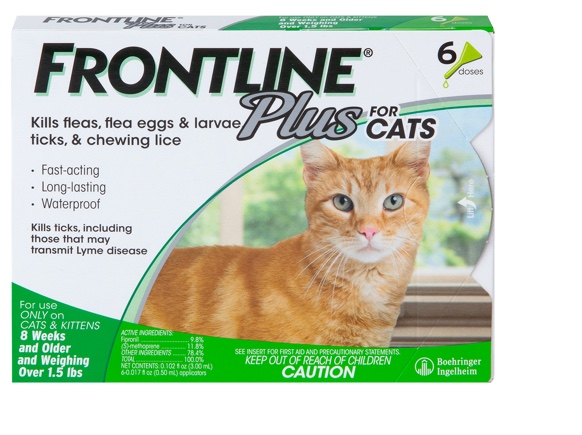
Credit: frontline.com
Frequently Asked Questions
Does Frontline Kill All Types Of Ticks?
Frontline effectively kills common tick species like deer ticks and dog ticks. However, it may not cover every tick type. Always check the product label for specific tick coverage to ensure your pet is protected.
How Soon Does Frontline Kill Ticks On Pets?
Frontline typically kills ticks within 24 to 48 hours after application. Early tick removal helps prevent disease transmission. Consistent use as directed maximizes protection against ticks.
Can Frontline Prevent Tick-borne Diseases?
Frontline reduces the risk of tick-borne diseases by killing ticks quickly. It does not provide complete disease prevention. Combine with regular tick checks for best protection.
Is Frontline Safe For Puppies And Kittens?
Frontline is safe for puppies and kittens over 8 weeks old and above 2 pounds. Always follow dosage instructions carefully. Consult your vet for any health concerns.
Conclusion
Frontline can help reduce ticks on pets effectively. It kills ticks quickly after they attach. Regular use is important to keep pets safe. No product can guarantee 100% tick protection. Check your pet often for ticks, especially after outside time.
Combining Frontline with other prevention steps works best. Always follow the instructions on the product label. Consult your vet if you have concerns about ticks. Keeping pets free from ticks protects their health and yours. Stay alert and act fast to control ticks around pets.