Last Updated on June 5, 2026
Are you frustrated because your dog still has ticks even after treatment? You’re not alone.
Many pet owners face this problem and wonder why those stubborn pests keep coming back. Understanding why ticks might still be on your dog can help you protect your furry friend better. You’ll discover the common reasons behind this issue and learn what you can do to finally get rid of those pesky ticks for good.
Keep reading—your dog’s comfort and health depend on it.
Common Tick Treatments For Dogs
Ticks are a common problem for dogs, especially in warm months. Many pet owners use treatments to keep ticks away. These treatments come in different forms. Knowing the options helps you pick the best one for your dog.
Topical Spot-on Treatments
Topical spot-on treatments are liquids applied to your dog’s skin. Usually, you put it on the back of the neck. These treatments kill ticks on contact. They work for several weeks. Spot-on treatments are easy to use and widely available.
Oral Medications
Oral medications are pills your dog swallows. These medicines kill ticks inside your dog’s body. They work fast and last for a month or more. Oral treatments are good for dogs that do not like topical products.
Tick Collars
Tick collars release chemicals that repel ticks. Your dog wears the collar around the neck. They protect for up to eight months. Tick collars are a low-maintenance option. Some collars also protect against fleas.
Natural And Home Remedies
Some owners use natural remedies to fight ticks. These include essential oils, apple cider vinegar, and herbal sprays. Natural options are gentle and safe but may not be very strong. Always check with your vet before trying home remedies.
Credit: uk.frontline.com
Reasons Ticks Persist After Treatment
Ticks can still bother your dog after treatment. This problem can be confusing and frustrating. Understanding why ticks persist helps you protect your pet better. Several reasons explain why ticks may remain even after using tick medication.
Incorrect Application Of Treatment
Applying tick treatment the wrong way lowers its effectiveness. Skipping spots or using less than the recommended amount can leave ticks alive. Some treatments need to touch the skin, not just the fur. If you miss these details, ticks can survive and keep biting.
Resistance To Tick Medications
Ticks may become resistant to some medicines. This means the medicine does not kill them well anymore. Resistance happens when the same products are used too often. It makes some ticks stronger and harder to remove.
Timing And Frequency Issues
Tick treatments work best when used on schedule. Late or irregular doses reduce protection. Some medicines only last a few weeks. If you wait too long to reapply, ticks can return and cause problems.
Environmental Factors
Your dog’s surroundings affect tick exposure. Tall grass, bushes, and wooded areas are tick homes. Even after treatment, your dog can pick up new ticks outside. Cleaning your yard and avoiding tick-prone areas helps reduce the risk.
Environmental Causes Of Tick Infestations
Ticks can keep bothering your dog even after treatment. One big reason is the environment around your home. Ticks live and grow in places that make it easy for them to find hosts. Understanding where these places are helps you keep ticks away. The environment plays a key role in how often your dog gets ticks.
Tick Habitats Around Your Home
Ticks hide in tall grass, bushes, and leaf piles. They like shady and moist spots. Wooded areas near your yard are also common tick homes. These places give ticks a safe space to wait for animals. Your dog picks up ticks by walking through these areas.
Seasonal Tick Activity
Ticks are more active in warm months. Spring, summer, and fall bring the highest risk. They come out when the ground is moist and temperatures rise. Even mild winters can let ticks survive longer. Knowing the seasons helps you stay alert and protect your dog.
Other Pets And Wildlife
Ticks do not only live on dogs. Other pets like cats, rabbits, and deer can carry ticks too. Wild animals passing through your yard spread ticks around. This makes it hard to stop ticks from coming back. Watch out for wildlife and keep other pets treated.
Yard Maintenance Tips
Keep your yard clean to lower tick numbers. Cut grass short and remove leaf piles. Trim bushes and clear brush to reduce tick hiding spots. Create a dry barrier between wooded areas and your lawn. These steps help make your yard less friendly for ticks.
Credit: lolahemp.com
How To Prevent Tick Reinfestation
Preventing tick reinfestation on your dog requires a careful and consistent approach. You must stay alert and act quickly to stop ticks from returning. Small habits can make a big difference in keeping your dog safe from these pests.
Regular Tick Checks
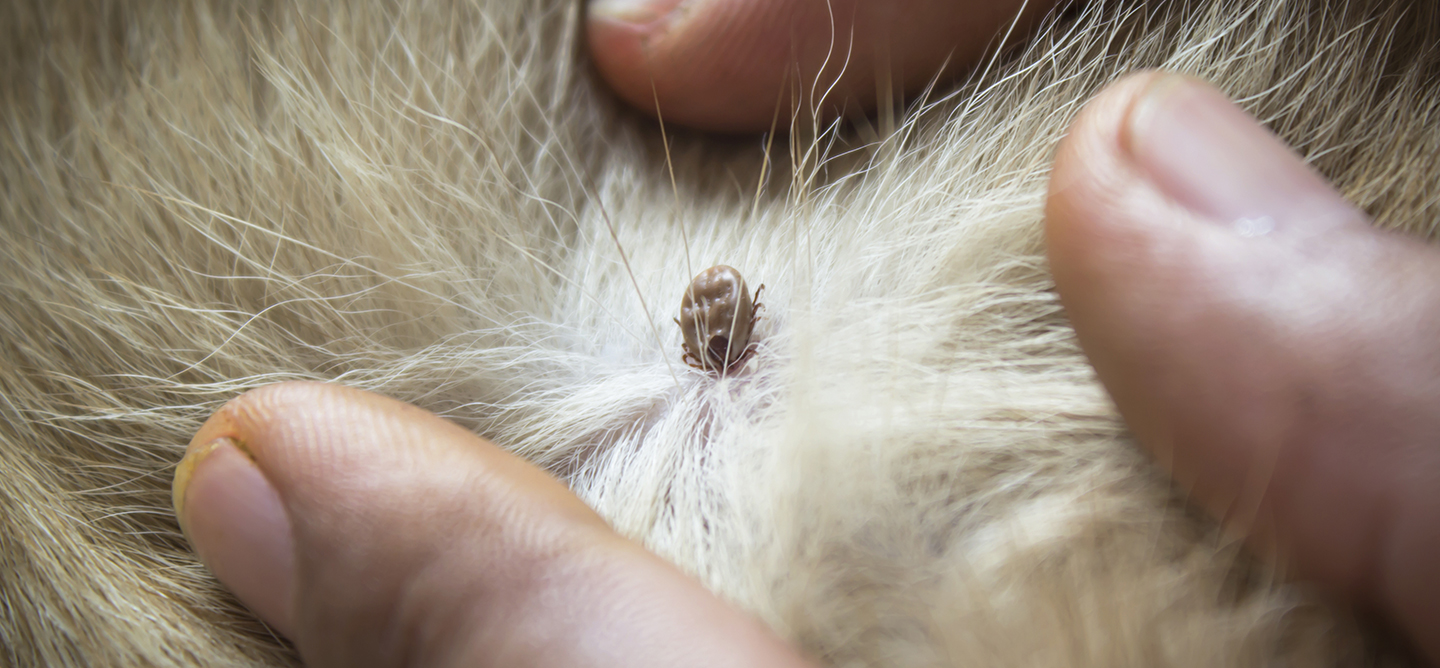
Check your dog’s fur daily for ticks, especially after walks. Focus on areas like the ears, neck, and belly. Early removal stops ticks from attaching and laying eggs. Use your fingers or a fine-toothed comb to find tiny ticks. Always remove ticks carefully to avoid leaving parts behind.
Proper Treatment Schedule
Follow the treatment plan your vet recommends. Many tick preventatives need monthly application. Skipping doses can leave your dog vulnerable. Keep track of dates and reapply treatments on time. Consistency helps kill ticks before they cause harm.
Combining Multiple Prevention Methods
Use more than one prevention method for better protection. Try collars, spot-on treatments, and tick sprays together. Each method works differently against ticks. This layered approach lowers the chance of reinfestation. Clean your dog’s bedding and vacuum your home often too.
Consulting Your Veterinarian
Talk to your vet about your dog’s tick problem. They can suggest the best products and schedules. Some dogs need stronger or different treatments. Your vet can check for tick-borne diseases too. Regular vet visits keep your dog healthy and tick-free.
Health Risks Of Ticks On Dogs
Ticks pose serious health risks to dogs. These tiny pests can cause more than just discomfort. They attach to your dog’s skin and feed on their blood. During this process, they may spread harmful diseases. Protecting your dog means understanding these risks. Early detection and treatment are crucial to keep your pet safe.
Tick-borne Diseases
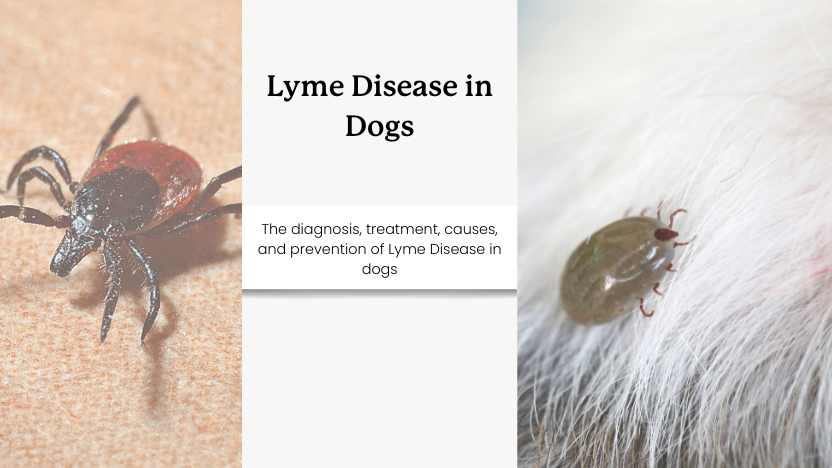
Ticks carry several dangerous diseases. Lyme disease is one common illness. It causes fever, joint pain, and fatigue in dogs. Another threat is ehrlichiosis. This disease affects the dog’s blood cells and immune system. Babesiosis attacks red blood cells and causes anemia. Rocky Mountain spotted fever can lead to serious organ damage. Each disease requires veterinary diagnosis and treatment.
Symptoms To Watch For
Watch your dog closely after tick exposure. Look for fever, weakness, or loss of appetite. Swollen joints or lameness are warning signs. Some dogs show unusual bleeding or bruising. Pale gums might indicate anemia. Changes in behavior or energy levels also matter. Early symptom recognition helps prevent severe illness.
When To Seek Veterinary Care
Visit the vet if your dog shows any symptoms. Ticks attached for more than 24 hours increase risk. Immediate care can stop disease progression. The vet will run tests and provide treatment. Follow their advice to ensure full recovery. Regular check-ups help catch issues early.

Credit: pittwateranimalhospital.com.au
Frequently Asked Questions
Why Is My Dog Still Getting Ticks After Treatment?
Ticks may survive if the treatment is not applied correctly or if it’s ineffective against all tick species. Environmental exposure to tick-infested areas can also cause re-infestation. Consult your vet to ensure proper treatment and prevention methods.
Can Ticks Resist Common Dog Treatments?
Yes, some tick species have developed resistance to certain treatments. This resistance reduces the effectiveness of some medications. Regularly updating your dog’s tick prevention plan is essential to combat resistant ticks and protect your pet.
How Often Should I Treat My Dog For Ticks?
Most tick treatments require monthly application, but some last up to three months. Follow your vet’s recommendations and product instructions carefully. Consistent treatment helps prevent tick infestations and protects your dog’s health.
Are Environmental Factors Causing Tick Re-infestation?
Yes, ticks thrive in tall grass, bushes, and wooded areas. Your dog may pick up ticks during outdoor activities. Regular yard maintenance and avoiding tick-prone areas reduce the risk of re-infestation.
Conclusion
Ticks can be tricky to control completely. Some treatments need time to work fully. Dogs may pick up ticks from the environment too. Regular checks help catch ticks early. Clean your dog’s bedding and yard often. Speak with your vet about the best plan.
Staying consistent with treatment makes a big difference. Protecting your dog is a continuous effort. Keep learning and stay alert to keep ticks away.