Last Updated on June 8, 2026
Ticks and fleas can quickly turn your peaceful home or outdoor fun into a nightmare. If you’ve ever dealt with these tiny pests, you know how stubborn and annoying they can be.
But don’t worry—removing ticks and fleas doesn’t have to be a stressful or complicated task. You’ll learn simple, effective steps to get rid of these pests safely and protect yourself and your loved ones. Keep reading, because the right approach can save you time, discomfort, and even serious health risks.
Credit: www.terro.com
Identifying Ticks And Fleas
Ticks and fleas are common pests that affect pets and people. Knowing how to spot them helps prevent bites and illnesses. Identifying these insects early makes removal easier and safer.
Both ticks and fleas are small, but they look and behave differently. Understanding these differences helps protect your home and family.
Common Signs And Symptoms
Ticks attach firmly to the skin and feed on blood. Look for small, dark bumps on your pet’s skin or your body. They often hide in warm, hairy areas like the neck or behind the ears.
Fleas are tiny and fast. They jump quickly and leave small red bites. Pets may scratch or bite themselves more than usual. You might also see flea dirt, which looks like tiny black specks on fur or bedding.
Differences Between Ticks And Fleas
Ticks are larger and round or oval in shape. They have eight legs and do not jump. Fleas are smaller, with six legs and strong back legs for jumping. They move quickly and rarely stay in one spot.
Ticks can stay attached for days, swelling as they feed. Fleas bite many times but do not stay attached. Ticks carry more serious diseases, so removing them quickly is important.
Credit: headsupfortails.com
Safe Tick Removal Techniques
Ticks can carry diseases, so removing them safely is important. Quick and careful removal lowers health risks. Using the right tools and steps protects your skin and stops infection. Learn how to remove ticks the safe way with easy instructions.
Tools Needed For Tick Removal
Use fine-tipped tweezers for the best grip. Avoid using your fingers to prevent squeezing the tick. Have rubbing alcohol or antiseptic ready to clean the area. Keep a small container or zip-lock bag for the tick. This helps if you need to show it to a doctor.
Step-by-step Removal Process
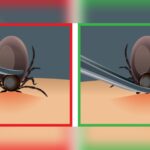
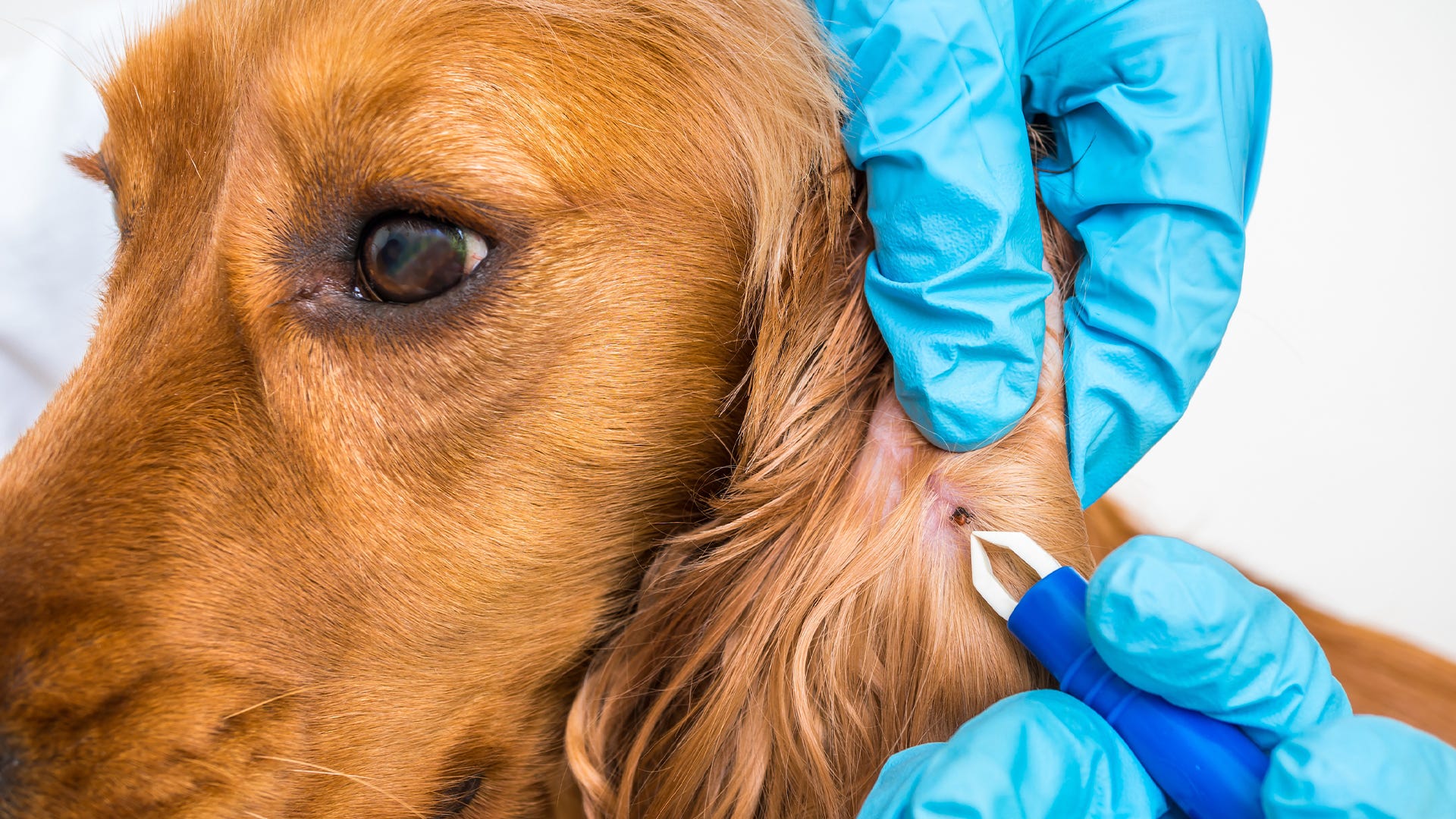
Grab the tick as close to your skin as possible. Pull upward with steady, even pressure. Do not twist or jerk; this can leave mouthparts in the skin. After removing, check to ensure the entire tick is out. Clean the bite area and your hands well.
Aftercare To Prevent Infection
Apply antiseptic to the bite spot to kill germs. Watch the area for redness or swelling over the next days. A small bump is normal but look for spreading or pain. If you feel sick or notice a rash, see a doctor. Keep the tick in a container for identification if needed.
Effective Flea Removal Methods
Fleas cause discomfort and can spread diseases to pets and humans. Removing fleas quickly is important to protect health and well-being. Several effective methods exist to control and remove fleas safely. Each method targets fleas differently, ensuring thorough removal.
Using Flea Combs And Shampoos
Flea combs are a simple tool to remove fleas manually. The fine teeth trap fleas and eggs from your pet’s fur. Comb your pet daily, especially near the neck and tail. Use a bowl of soapy water to dunk fleas after combing.
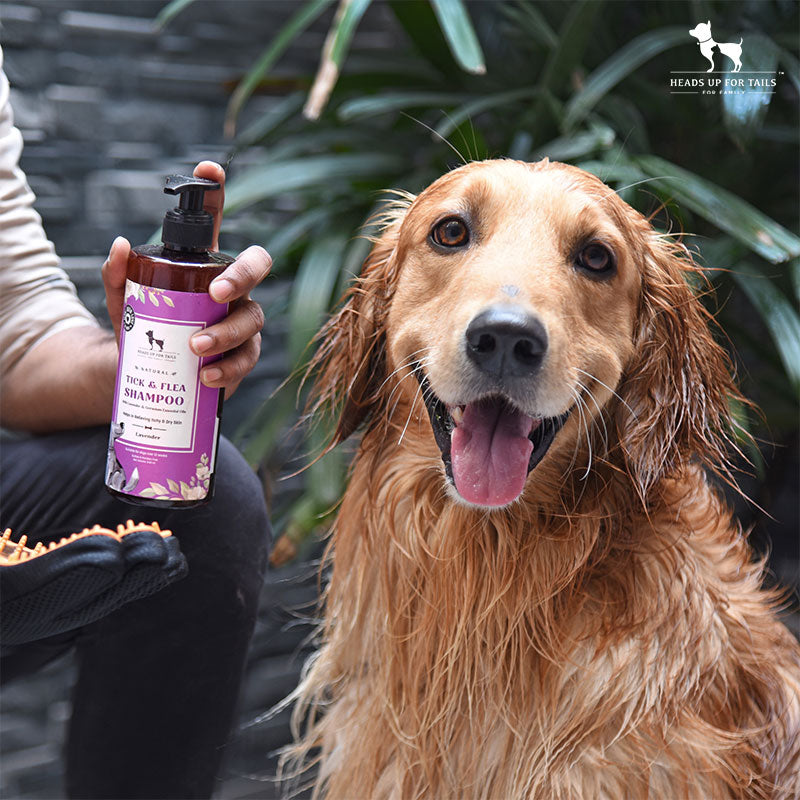
Flea shampoos kill fleas on contact and soothe irritated skin. Choose shampoos made for pets and follow instructions carefully. Bathing your pet with flea shampoo helps reduce flea numbers quickly. Repeat treatments as advised to break the flea life cycle.
Natural Remedies For Flea Control
Some natural options can help reduce flea problems. Apple cider vinegar sprayed on your pet’s coat repels fleas. Diatomaceous earth sprinkled on carpets and pet bedding kills fleas by drying them out. Make sure to use food-grade diatomaceous earth only.
Essential oils like lavender and cedarwood repel fleas but use with caution. Dilute oils and avoid direct contact with your pet’s skin or eyes. Natural remedies are gentle but may need more time to show results.
When To Seek Veterinary Help
Severe flea infestations require professional care. Your vet can prescribe stronger medications and flea treatments. Pets with allergies or skin infections from fleas need medical attention.
Veterinary help ensures safe and effective flea control. Don’t delay if your pet shows signs of discomfort or illness. Early treatment prevents complications and improves your pet’s health.
Preventing Future Infestations
Preventing future infestations of ticks and fleas is key to keeping your home and pets safe. Simple habits and regular care can stop these pests from returning. Consistent efforts reduce risks and protect your loved ones from bites and illnesses.
Maintaining A Clean Environment
Cleanliness helps keep pests away. Vacuum floors and furniture often. Wash pet bedding in hot water weekly. Clear clutter where pests can hide. Keep grass and bushes trimmed outside. These steps remove eggs and larvae before they grow.
Using Preventative Treatments
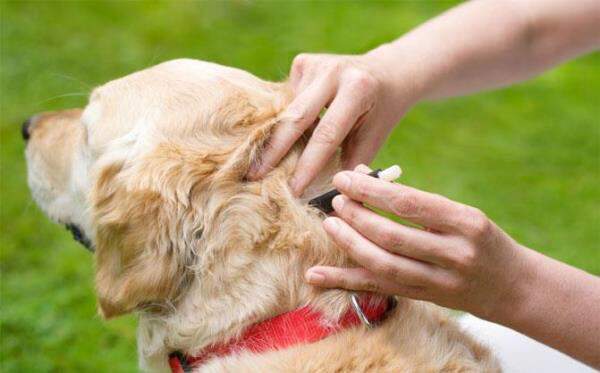
Preventative treatments protect pets from ticks and fleas. Use vet-recommended spot-on treatments or collars. Follow instructions carefully for best results. Oral medications can also be effective. Treat your home and yard if needed. These actions stop infestations before they start.
Regular Pet Grooming Tips
Grooming helps spot pests early. Brush pets daily with a fine-toothed comb. Check ears, neck, and belly for ticks. Bathe pets regularly using flea shampoo. Grooming keeps pets clean and comfortable. Early detection prevents pests from spreading.
Health Risks And When To See A Doctor
Ticks and fleas can cause more than just itching. They carry health risks that need attention. Knowing when to see a doctor is important for safety. This section explains the main health concerns and signs to watch for.
Tick-borne Diseases To Watch For
Ticks can spread serious illnesses. Lyme disease is the most common. It causes fever, headache, and tiredness. Rash may appear near the bite. Other diseases include Rocky Mountain spotted fever and anaplasmosis. Early symptoms are often mild and easy to miss. Seek medical help if symptoms worsen or last more than a few days.
Allergic Reactions To Flea Bites
Flea bites cause itching and redness. Some people have strong allergic reactions. Signs include swelling, hives, and intense itching. Scratching can lead to skin infections. Severe allergies may cause difficulty breathing or swelling of the face. Watch closely for unusual or spreading symptoms after flea bites.
When Medical Attention Is Necessary
See a doctor if a tick is embedded and hard to remove. Seek help if you develop a rash or fever after a tick bite. Visit the doctor for severe allergic reactions to flea bites. If bites become infected, with pus or increasing pain, medical care is needed. Timely treatment prevents serious problems and speeds recovery.
Credit: www.adamspetcare.com
Frequently Asked Questions
How Do I Safely Remove A Tick From My Pet?
Use fine-tipped tweezers to grasp the tick close to the skin. Pull upward steadily without twisting. Clean the bite area with antiseptic. Dispose of the tick in alcohol. Avoid crushing it with your fingers to prevent infection.
What Are The Best Natural Flea Removal Methods?
Natural flea removal includes using diatomaceous earth, lemon spray, and regular vacuuming. Bathing pets with mild soap also helps. These methods reduce fleas without harmful chemicals. Always consult a vet for severe infestations to ensure pet safety.
How Often Should I Check My Pet For Ticks?
Check your pet for ticks daily, especially after outdoor activities. Pay close attention to hidden areas like ears, neck, and between toes. Early detection prevents tick-borne diseases. Regular checks are crucial during tick season or in wooded areas.
Can Flea Collars Effectively Prevent Infestations?
Flea collars can help prevent infestations by repelling fleas. Choose collars with proven active ingredients. They work best combined with regular grooming and cleaning. Collars are a useful part of a comprehensive flea control plan.
Conclusion
Removing ticks and fleas keeps pets healthy and happy. Act quickly to stop bites and infections. Use the right tools and follow safe steps. Check pets often, especially after outdoor play. Clean your home regularly to prevent pests. Stay calm and patient during removal.
Protect your pets with regular treatments. Small efforts make a big difference in pet care. Keep your furry friends safe and itch-free every day.