Last Updated on June 5, 2026
Ticks on your dog are more than just a nuisance—they can cause serious health problems if left unchecked. You want to keep your furry friend safe and comfortable, but getting rid of ticks can feel overwhelming.
Don’t worry, you’re not alone, and there are simple, effective ways to protect your dog from these pesky parasites. You’ll discover easy steps to spot, remove, and prevent ticks, helping your dog stay happy and healthy. Keep reading to learn exactly what you need to do—your dog will thank you!
Credit: in.virbac.com
Tick Risks For Dogs
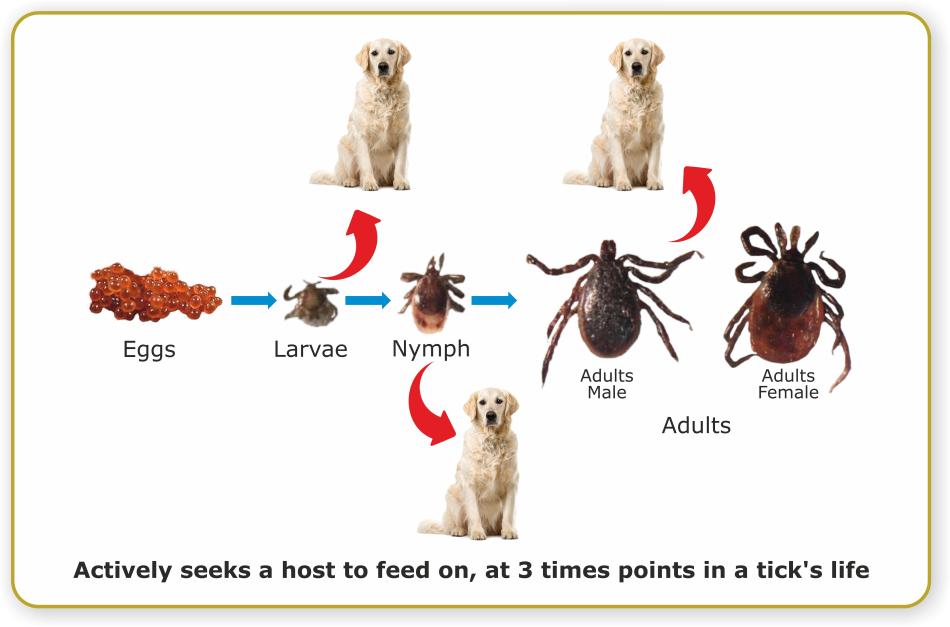
Ticks pose serious risks to dogs. These tiny parasites attach to your pet and feed on their blood. They can cause discomfort and spread diseases. Understanding the risks helps you protect your dog better.
Common Tick Species
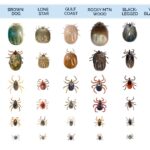
Several tick species target dogs. The black-legged tick, also called deer tick, is common. It spreads Lyme disease. The American dog tick is larger and carries Rocky Mountain spotted fever. Brown dog ticks live indoors and outdoors. Each species carries different health threats.
Health Issues From Ticks
Ticks can cause many health problems. Lyme disease leads to fever and joint pain. Rocky Mountain spotted fever causes rash and fever. Tick paralysis is rare but can stop breathing. Ticks also cause skin infections and irritation. Early removal reduces these risks.
Signs Of Tick Infestation
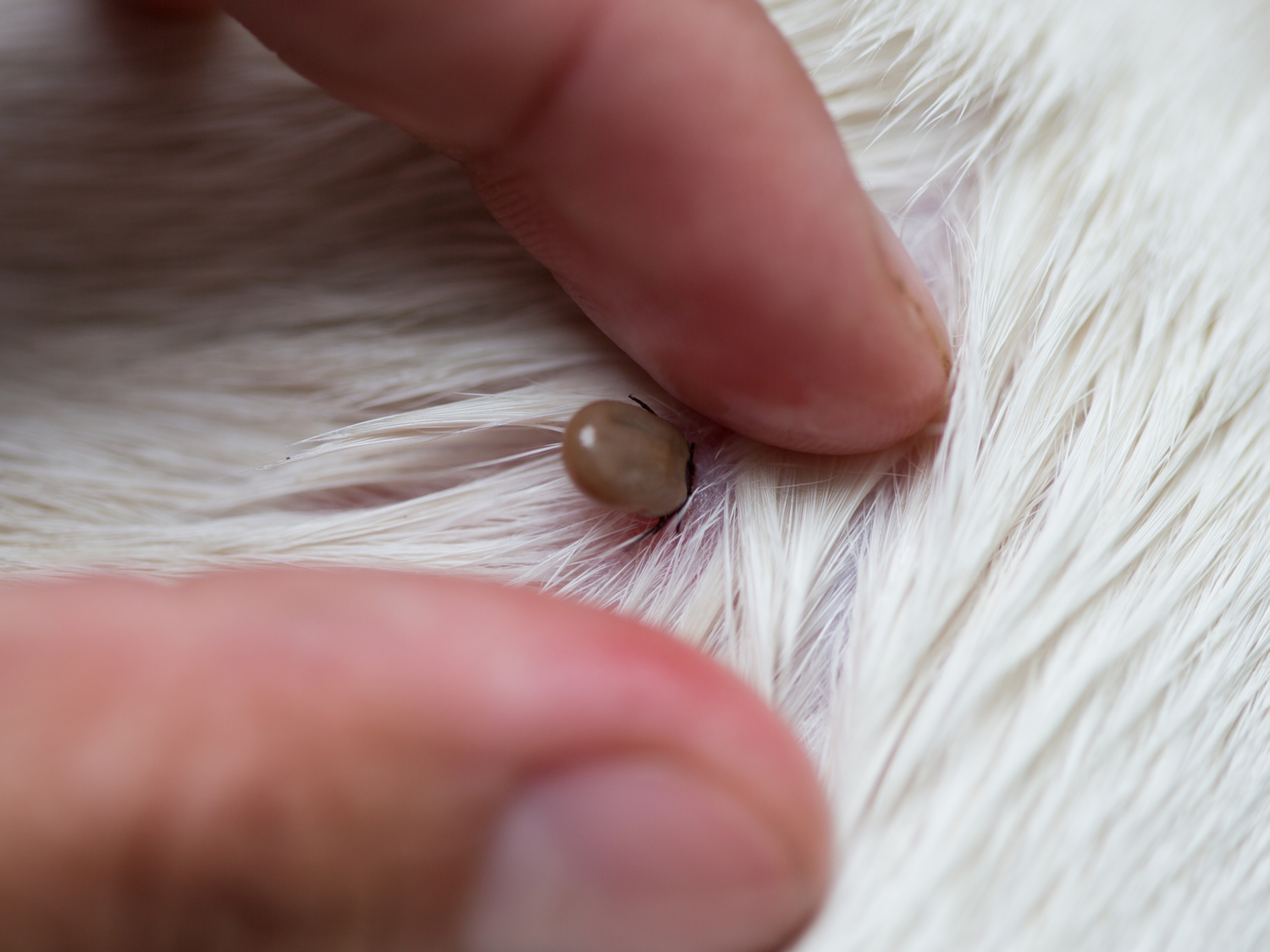
Look for ticks on your dog’s skin. They hide in ears, neck, and between toes. Your dog may scratch or bite often. Red bumps or scabs can appear. Watch for tiredness, fever, or limping. These signs mean a vet visit is needed.
Safe Tick Removal Techniques
Removing ticks from dogs safely is important. Ticks can carry diseases that harm your pet. Using the right method helps prevent infections and keeps your dog comfortable. Follow the steps carefully to remove ticks without causing harm.
Tools You’ll Need
Prepare a pair of fine-tipped tweezers or a tick removal tool. Use gloves to protect your hands. Have some antiseptic or rubbing alcohol ready. A small container with a lid helps keep the tick for identification. Keep some cotton balls or tissue nearby for cleaning.
Step-by-step Removal Process
Part the dog’s fur to find the tick’s head. Grasp the tick close to the skin with tweezers. Pull upward slowly and steadily without twisting. Avoid squeezing the tick’s body. Place the tick in the container for disposal or testing. Clean the bite area with antiseptic. Wash your hands well after removal.
What To Avoid When Removing Ticks
Don’t crush or squeeze the tick’s body. Avoid using matches, nail polish, or heat. These methods may make the tick release harmful fluids. Don’t pull too hard or twist the tick. Leaving mouthparts behind can cause infection. Never ignore the bite area after removal. Watch for signs of redness or swelling.
Home Remedies That Help
Ticks on dogs can cause discomfort and health risks. Home remedies offer gentle ways to keep ticks away. These methods use natural ingredients and are easy to apply at home. They support your dog’s skin and coat while helping to prevent tick bites.
Natural Oils And Sprays
Some natural oils work well to repel ticks. Oils like lavender, eucalyptus, and tea tree are popular choices. Mix a few drops with water in a spray bottle. Spray the mixture lightly on your dog’s fur, avoiding eyes and nose. These oils create a scent that ticks dislike. Repeat the spray every few days to keep ticks away.
Bathing With Tick-repellent Shampoos
Using tick-repellent shampoos during baths helps remove ticks. These shampoos contain ingredients that discourage ticks from staying on your dog. Bathe your dog regularly, especially after outdoor activities. Make sure to follow the shampoo instructions carefully. This method cleans the skin and reduces ticks on your dog’s coat.
Tick-repelling Herbs And Plants
Some herbs and plants naturally repel ticks. Plants like rosemary, mint, and lemon balm are effective. You can grow these plants around your yard or use their extracts. Placing fresh herbs on your dog’s bedding can also help. These plants release scents that ticks avoid. Using herbs is a safe, natural way to protect your dog.

Credit: www.youtube.com
Preventive Measures
Preventing ticks on your dog is easier than removing them later. Taking steps to stop ticks from attaching protects your dog’s health. Simple habits and products work well together. They reduce the chances of ticks making your dog their home.
Tick Control Products
Use tick control products designed for dogs. Spot-on treatments, collars, and oral medicines kill ticks fast. These products create a barrier that keeps ticks away. Choose one that fits your dog’s size and age. Follow the instructions carefully for the best results.
Regular Grooming Tips
Brush your dog’s coat often to spot ticks early. Check behind ears, under legs, and around the neck. Use a tick comb to remove any ticks you find. Bathing your dog regularly helps wash away loose ticks and dirt. Grooming also keeps your dog comfortable and healthy.
Keeping Your Yard Tick-free
Keep your yard clean to reduce ticks outdoors. Mow the grass short and remove leaf piles. Trim bushes and clear tall weeds where ticks hide. Create a barrier of wood chips or gravel between your lawn and wooded areas. This stops ticks from moving closer to your dog.
When To See A Vet
Knowing when to see a vet is very important after finding ticks on your dog. Some ticks carry diseases that can harm your pet. Early help can stop serious health problems. Watch your dog closely for signs that need medical care.
Signs Of Tick-borne Diseases
Ticks can spread illnesses like Lyme disease or Rocky Mountain spotted fever. Your dog may show signs such as fever, loss of appetite, or tiredness. Limping or swollen joints can also appear. Look for redness or swelling at the bite site. If your dog acts sick or weak, see a vet quickly.
Professional Tick Removal
Sometimes ticks are hard to remove safely. A vet can remove ticks without leaving parts behind. This reduces infection risk. They use special tools and know the best techniques. Visit the vet if you see many ticks or if removal is difficult.
Vaccines And Medications
Vets can provide vaccines to protect dogs from some tick diseases. They may also prescribe medicines to kill ticks and prevent infection. Regular checkups help keep your dog safe. Ask the vet about the best prevention methods for your area.
Credit: www.vets-now.com
Frequently Asked Questions
How Can I Safely Remove Ticks From My Dog?
Use fine-tipped tweezers to grasp the tick close to your dog’s skin. Pull upward steadily without twisting. Clean the area with antiseptic after removal to prevent infection.
What Are The Best Tick Prevention Methods For Dogs?
Use veterinarian-recommended tick collars, spot-on treatments, or oral medications. Regularly check your dog after outdoor activities. Keep your yard tidy to reduce tick habitats.
How Do I Know If My Dog Has Ticks?
Look for small, dark spots attached to your dog’s skin, especially around ears and neck. Check for excessive scratching or redness. Use a comb to find hidden ticks.
Can Ticks Cause Diseases In Dogs?
Yes, ticks can transmit Lyme disease, ehrlichiosis, and other infections. Early removal reduces risk. Consult your vet if your dog shows symptoms like fever or lethargy.
Conclusion
Ticks on dogs can cause serious health problems. Regular checks help catch ticks early. Use safe removal tools to avoid harm. Keep your dog’s environment clean and tick-free. Consult your vet for the best treatments. Staying consistent protects your pet’s health.
Small efforts make a big difference. Keep your dog happy and tick-free!