Last Updated on June 4, 2026
If you’ve ever found a tick on your dog, you know how worrying it can be. You want to act fast, but you might wonder: can hand sanitizer kill ticks on dogs?
You’re not alone in asking this question. Many pet owners look for quick and easy solutions to protect their furry friends. But before you reach for that bottle, it’s important to understand what really works and what could harm your dog.
Keep reading to learn the truth about hand sanitizer and ticks—and discover the safest ways to keep your dog tick-free.
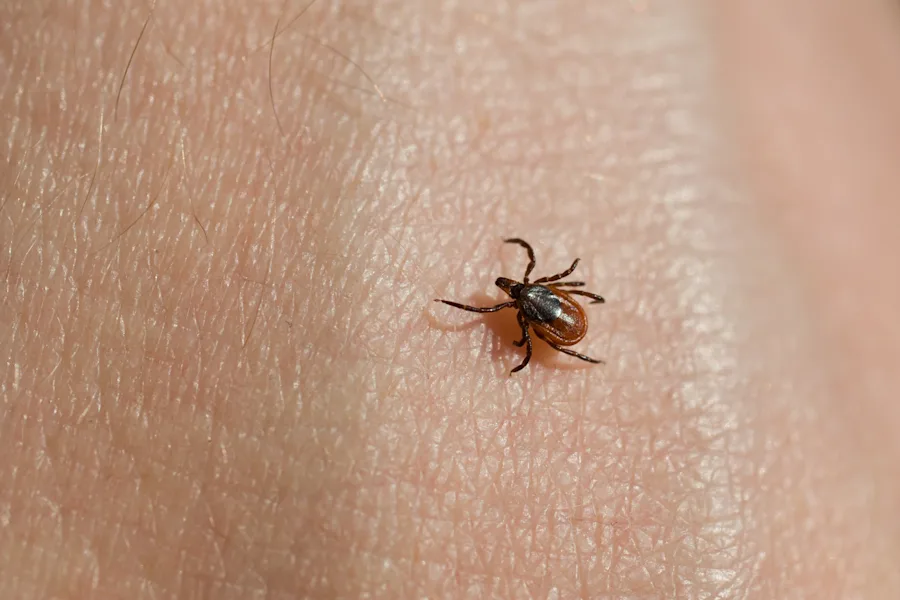
Credit: www.lyme.health.harvard.edu
How Ticks Affect Dogs
Ticks are tiny parasites that attach to dogs. They feed on their blood. This can cause many problems for your pet. Understanding how ticks affect dogs helps you keep them safe.
Ticks can carry harmful germs. These germs can make dogs very sick. Knowing the types of ticks and signs of their presence is important. It helps to spot and treat ticks early.
Common Tick Species On Dogs
Several tick species target dogs. The deer tick is common and carries Lyme disease. The dog tick is larger and spreads Rocky Mountain spotted fever. Brown dog ticks live inside homes and kennels. Each species has different risks and habits.
Health Risks From Tick Bites
Ticks can cause skin irritation and infections. Some ticks spread serious diseases like Lyme disease and ehrlichiosis. These illnesses can cause fever, joint pain, and weakness. In severe cases, they can harm internal organs. Removing ticks quickly lowers health risks for dogs.
Signs Of Tick Infestation
Watch for ticks on your dog’s skin and fur. Your dog may scratch or bite at itchy spots. Red bumps or scabs can appear where ticks attach. Dogs may also show signs of illness like tiredness or loss of appetite. Regular checks help catch ticks early.
Hand Sanitizer Ingredients
Hand sanitizers contain various ingredients that fight germs. Understanding these ingredients helps clarify if they can kill ticks on dogs. The main components include alcohol and other chemicals that work together to sanitize hands. Each ingredient has a specific role and effect.
Alcohol Content And Its Effects
Most hand sanitizers have alcohol, usually ethanol or isopropyl alcohol. The alcohol percentage ranges from 60% to 95%. Alcohol kills many germs by breaking down their outer layers.
Alcohol can dry out ticks and may kill small insects. But ticks have a tough shell that protects them. This shell makes it hard for alcohol to reach their insides quickly. Alcohol might not kill ticks fast enough to be fully effective.
Other Chemicals In Sanitizers
Besides alcohol, sanitizers often contain glycerin and fragrances. Glycerin keeps skin soft and stops drying. Fragrances provide a pleasant smell. Some sanitizers also include hydrogen peroxide, which kills some germs.
These extra chemicals do not harm ticks or kill them. They mainly protect the skin or add scent. None of these ingredients target ticks specifically.
Safety Of Hand Sanitizer On Pets
Hand sanitizer is not made for pets. Dogs can lick sanitizer off their fur or skin. Alcohol and other chemicals can cause irritation or poisoning.
Using sanitizer on dogs risks eye and skin irritation. It can also upset their stomach if licked. Always avoid applying hand sanitizer directly on dogs. Consult a vet for safe tick removal methods.
Effectiveness Against Ticks
Ticks can cause health problems for dogs. Removing them safely is important. Some pet owners wonder if hand sanitizer can kill ticks on dogs. This section looks at how effective hand sanitizer is against ticks.
Can Hand Sanitizer Kill Ticks?
Hand sanitizer contains alcohol. Alcohol can kill many germs and bugs. It might kill a tick on contact. But it does not work every time. The tick’s hard shell can protect it. Hand sanitizer may not fully kill the tick fast enough.
Why It May Not Work As Expected
Ticks attach firmly to the dog’s skin. Hand sanitizer only works on ticks outside the skin. If the tick is already biting, sanitizer may not reach it. Also, sanitizer can irritate your dog’s skin. Using it too much can cause dryness or redness.
Comparing Hand Sanitizer To Tick Treatments
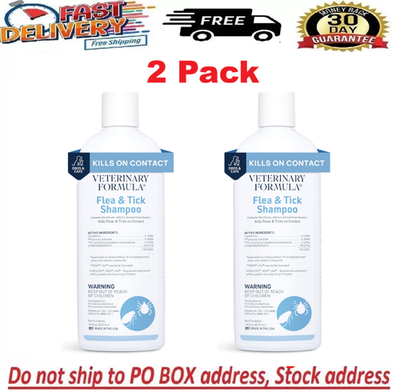
Tick treatments are made for pets. They kill ticks quickly and safely. These products work better than hand sanitizer. Many tick treatments also prevent ticks from coming back. Hand sanitizer does not offer this protection. Choose vet-approved tick control for best results.

Credit: www.amazon.com
Risks Of Using Hand Sanitizer On Dogs
Using hand sanitizer on dogs to kill ticks might seem like a quick fix. The idea of a fast and easy solution can be tempting. Still, it carries several risks that pet owners must understand. Hand sanitizer is made for human skin, not for pets. It can cause harm in several ways.
Potential Skin Irritation
Hand sanitizer contains alcohol and chemicals. These can dry out a dog’s skin quickly. Dry skin leads to itching and redness. Some dogs may develop rashes or sores. Sensitive dogs can react badly to these ingredients. The skin might become inflamed or painful. This irritation makes the dog uncomfortable.
Toxicity Concerns
Dogs often lick their fur and skin. This behavior raises a big risk if hand sanitizer is applied. The dog may swallow harmful chemicals. Alcohol is toxic to dogs. Even small amounts can cause poisoning. Symptoms include vomiting, diarrhea, and weakness. In severe cases, it can harm the dog’s organs. Avoid using products not made for pets.
Impact On Dog’s Overall Health
Repeated use of hand sanitizer affects a dog’s health. It can disrupt the natural oils that protect their skin. This leads to dryness and infection risk. The chemicals may also affect the dog’s immune system. Weak immunity makes the dog more prone to illness. It is better to use vet-approved tick removal methods. Safe and healthy choices protect your dog’s well-being.
Proper Tick Removal Methods
Removing ticks from your dog safely is very important. Ticks can carry diseases that harm your pet. Using the right method helps stop infections and pain. Always remove ticks carefully to avoid leaving parts behind.
Proper tick removal protects your dog’s health. It lowers the risk of tick-borne illnesses. Knowing how to remove ticks correctly keeps your dog safe and comfortable.
Using Tweezers Safely
Use fine-tipped tweezers for the best grip. Hold the tick close to your dog’s skin. Pull straight up with steady, even pressure. Avoid twisting or squeezing the tick’s body. This prevents the tick’s mouth from breaking off.
After removal, clean the bite area with soap and water. Wash your hands well. Dispose of the tick by placing it in alcohol or flushing it down the toilet.
Recommended Tick Removal Tools
Tick removal tools are easy to use and safe. Tick hooks and tick twisters work well for all sizes. These tools help grab the tick’s head firmly. They reduce the chance of leaving tick parts behind.
Many pet stores sell tick removers. Use them instead of home remedies like hand sanitizer or nail polish. These do not kill ticks and can hurt your dog.
When To Seek Veterinary Help
Visit a vet if the tick’s head stays in the skin. Also, seek help if your dog shows signs of illness. Symptoms include fever, swelling, or loss of appetite.
A vet can remove ticks safely and check for infections. Early treatment stops serious health problems from developing. Always ask your vet if you are unsure about tick removal.
Credit: www.ebay.com
Preventing Ticks On Dogs
Ticks can cause serious health problems for dogs. Preventing ticks is the best way to keep your dog safe and healthy. Small steps can make a big difference in avoiding tick bites. Regular care and attention help reduce the risk.
Many tools and habits help protect your dog from ticks. Knowing your options makes prevention easier. This section covers simple ways to keep ticks away from your pet.
Tick Repellent Options
Using tick repellents is a common and effective way to protect dogs. Many products come as sprays, collars, or spot-on treatments. Choose one made for dogs only. Follow the instructions carefully to avoid harm. Some natural oils can repel ticks but may not work as well. Consult your vet before trying new products.
Regular Grooming And Inspection
Grooming your dog regularly helps spot ticks early. Use a fine-tooth comb or brush to check for ticks. Pay special attention to areas like ears, neck, and paws. Remove any ticks you find right away. Early removal lowers the chance of disease. Groom your dog after walks in grassy or wooded areas.
Environmental Control Measures
Controlling ticks in your yard reduces the chance of bites. Keep grass short and remove leaf litter. Ticks hide in tall grass and bushes. Create a tick-free zone by clearing brush around your home. Using safe yard treatments can also help. Preventing ticks outdoors supports your pet’s health.
Frequently Asked Questions
Can Hand Sanitizer Effectively Kill Ticks On Dogs?
No, hand sanitizer is not a reliable method to kill ticks on dogs. It may irritate your dog’s skin but won’t eliminate ticks. Proper tick removal tools and veterinary-approved treatments are safer and more effective for tick control.
Is It Safe To Use Hand Sanitizer On Dogs?
Using hand sanitizer on dogs is not recommended. It contains alcohol and chemicals that can cause skin irritation or toxicity if ingested. Always use pet-safe products and consult your veterinarian for appropriate tick treatments.
What Is The Best Way To Remove Ticks From Dogs?
The safest way to remove ticks is with fine-tipped tweezers or a tick removal tool. Grasp the tick close to the skin and pull steadily without twisting. Clean the bite area afterward and monitor your dog for any signs of infection.
Can Hand Sanitizer Prevent Tick Bites On Dogs?
Hand sanitizer does not prevent tick bites on dogs. Effective prevention includes tick collars, topical treatments, and avoiding tick-infested areas. Consult your vet to choose the best tick prevention method for your dog.
Conclusion
Hand sanitizer might kill some ticks, but it is not reliable. It can irritate your dog’s skin and cause harm. The best way to remove ticks is with tweezers or a tick removal tool. Always check your dog after outdoor activities.
Keeping your pet safe means using proper tick prevention methods. Trust experts and vets for advice on tick care. Protect your dog with safe and proven options. Don’t rely on quick fixes that may not work well. Your dog’s health deserves careful and gentle care.