
Last Updated on July 7, 2026
Is your dog scratching nonstop or showing red, irritated skin? It’s painful to watch your furry friend suffer, and you want to help right away.
You might wonder if you can treat your dog’s skin disease at home without a trip to the vet. The good news is, there are simple steps you can take that could bring your dog relief fast. Keep reading to discover easy, effective ways to soothe your dog’s skin and get them feeling comfortable again.
Your dog’s happiness and health depend on it.
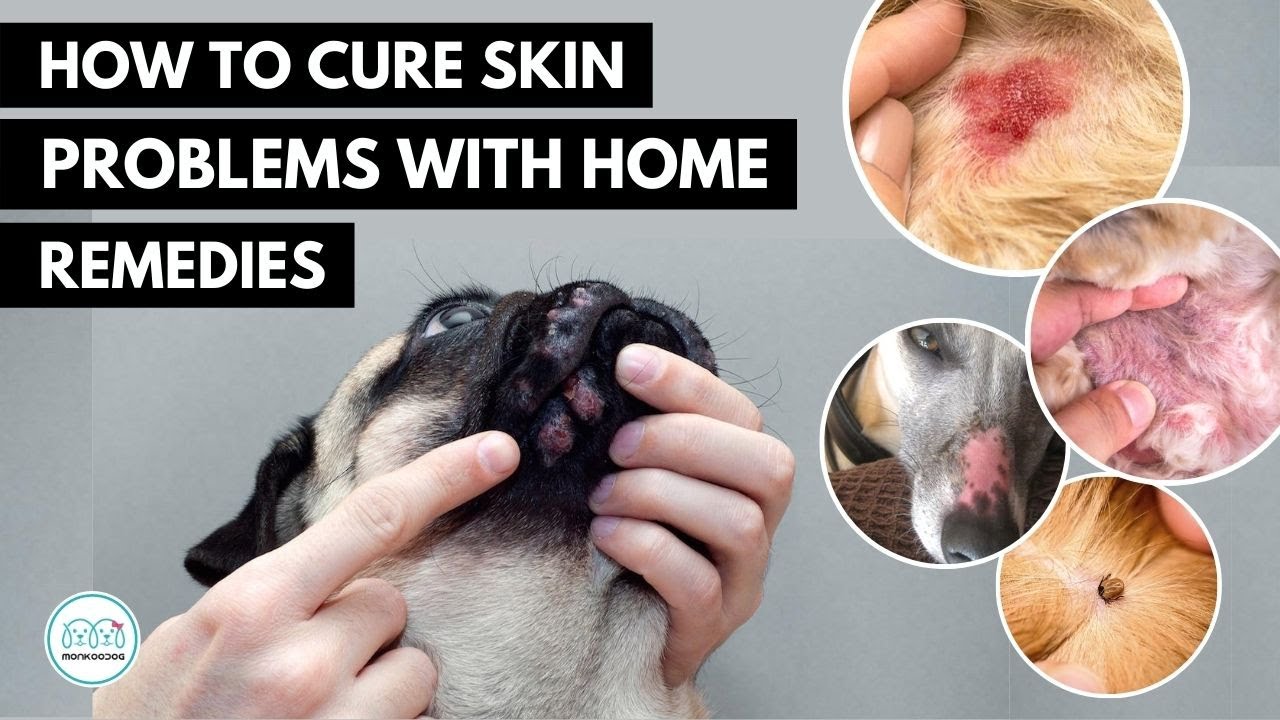
Credit: www.youtube.com
Common Dog Skin Diseases
Dogs can suffer from many skin problems. These issues cause discomfort and can affect their health. Knowing common dog skin diseases helps you spot signs early. Early action can prevent serious issues and ease your dog’s pain.
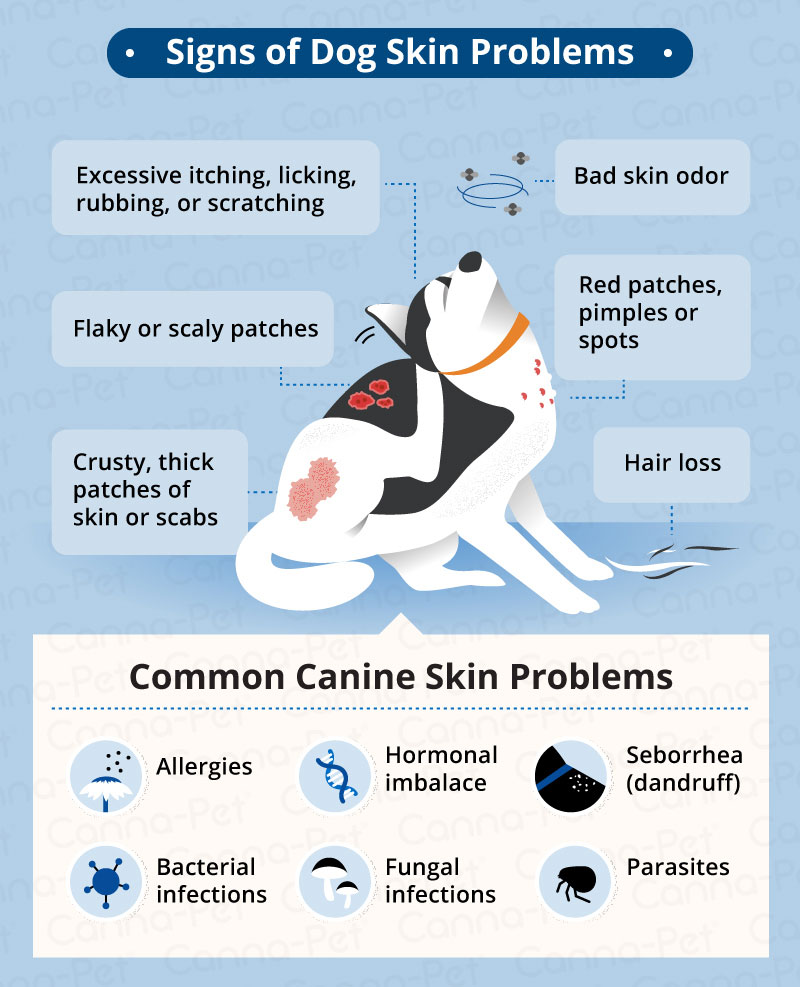
Allergies And Irritations
Allergies are a frequent cause of dog skin problems. Dogs react to food, pollen, or dust mites. Their skin becomes red, itchy, and inflamed. You might see constant scratching or licking. This can lead to sores and hair loss. Identifying the allergen helps manage symptoms at home.
Fungal Infections
Fungal infections like ringworm cause circular patches of hair loss. These spots may look scaly or red. Fungi grow in warm, moist areas on your dog’s skin. These infections spread easily to other pets or humans. Cleaning the affected area and using antifungal treatments can help.
Parasitic Infestations
Parasites such as fleas, ticks, and mites cause skin irritation. Flea bites lead to itching and small red bumps. Ticks attach to the skin and can spread diseases. Mites cause mange, leading to hair loss and sores. Regular checks and treatments keep parasites away.
Bacterial Skin Infections
Bacterial infections often follow injuries or other skin problems. The skin may look swollen, red, and produce pus. Dogs might scratch or bite the infected area. Cleaning wounds and applying antibiotics can stop infections. Keeping the skin clean reduces the risk.
Credit: www.poseidonion.com
Signs Your Dog Has A Skin Problem
Dogs cannot tell us when their skin feels uncomfortable. It is important to watch for signs of skin problems. Early detection can help prevent serious issues. Observing your dog’s behavior and appearance helps catch skin disease early.
Some signs are easy to notice. Others may be subtle. Pay attention to changes in your dog’s skin and coat. These signals show that your dog might need care or treatment.
Itching And Scratching
Itching is a common sign of skin problems. Dogs may scratch themselves often. They might bite or lick certain areas. Excessive scratching can cause wounds. This behavior often shows irritation or allergies.
Redness And Inflammation
Red skin is a clear sign of irritation. Inflamed areas may look swollen or hot. These signs point to infection or allergic reaction. Check your dog’s skin regularly for redness. Early treatment can reduce discomfort and damage.
Hair Loss And Bald Spots
Patches of missing hair can indicate skin issues. Bald spots may appear due to scratching or infection. Hair loss can also result from parasites or fungus. Notice any unusual thinning or bald areas on your dog.
Unusual Odor Or Discharge
A bad smell from your dog’s skin can signal infection. Discharge, like pus or fluid, is a warning sign. These symptoms often come with wounds or sores. Clean and monitor affected areas to prevent worsening.
Home Remedies For Dog Skin Issues
Home remedies offer gentle care for dogs with skin problems. They soothe irritation and help heal wounds. These remedies use natural ingredients found at home. They support your dog’s skin health without harsh chemicals.
Always test a small skin patch first. Stop use if redness or swelling appears. These treatments work best for mild skin issues. Severe problems need a vet’s care.
Oatmeal Baths
Oatmeal soothes itchy and dry skin. It calms inflammation and reduces redness. Use plain, ground oatmeal in warm water. Let your dog soak for 10 to 15 minutes. Gently pat dry after the bath.
Oatmeal helps remove dirt and allergens. It keeps skin soft and moist.
Aloe Vera Applications
Aloe vera gel cools irritated skin and speeds healing. Use pure aloe vera without added chemicals. Apply a thin layer to affected areas. Avoid open wounds or deep cuts. Aloe vera reduces itching and prevents infection.
Coconut Oil Treatment
Coconut oil moisturizes dry, flaky skin. It has natural antibacterial and antifungal properties. Rub a small amount into your dog’s coat daily. Focus on itchy or rough patches. Coconut oil supports skin repair and shine.
Apple Cider Vinegar Rinses
Apple cider vinegar balances skin pH and fights bacteria. Mix equal parts of vinegar and water. Spray or rinse your dog’s coat gently. Avoid broken skin or sores. This rinse reduces odor and soothes itching.
Diet And Supplements For Healthy Skin
Good diet and supplements help keep your dog’s skin healthy. They can reduce itching and improve healing. Feeding the right foods supports the skin’s natural barrier. Supplements add nutrients your dog might miss in regular meals.
Focus on adding healthy fats, balanced meals, and essential vitamins. These choices build stronger skin and reduce inflammation. Let’s explore the best diet tips for your dog’s skin health.
Omega-3 Fatty Acids
Omega-3 fatty acids reduce skin inflammation and dryness. Fish oil is a common source of omega-3 for dogs. Add it to their food in small amounts. Flaxseed oil also provides omega-3 but in a different form. These fats help repair damaged skin and reduce itching. Consult your vet for the right dose.
Balanced Nutrition Tips
Feed your dog a balanced diet with proteins, fats, and carbs. Proteins repair skin and build new cells. Include lean meats or high-quality dog food. Avoid fillers like corn or wheat that may cause allergies. Fresh vegetables offer vitamins and antioxidants. Keep your dog hydrated to support skin health.
Vitamin And Mineral Support
Vitamins A, E, and zinc are vital for healthy skin. Vitamin A helps skin grow and heal. Vitamin E protects skin cells from damage. Zinc supports the immune system and skin repair. Use supplements designed for dogs only. Too much can cause harm, so follow vet advice.
Preventing Future Skin Problems
Preventing future skin problems in dogs is key to keeping them happy and healthy. Skin issues can cause discomfort and pain. Taking simple steps at home helps stop these problems before they start. Consistent care and attention protect your dog’s skin and coat.
Regular Grooming Habits
Brush your dog’s coat often to remove dirt and loose hair. This keeps the skin clean and reduces itching. Bath your dog with mild shampoos made for pets. Avoid harsh chemicals that can dry out the skin. Check the skin during grooming for redness, bumps, or wounds. Early spotting helps treat problems quickly.
Flea And Tick Control
Use flea and tick preventatives regularly. These pests cause severe skin irritation and infections. Talk to your vet about safe and effective treatments. Check your dog’s fur daily, especially after walks. Removing ticks promptly reduces the risk of skin disease and other illnesses.
Maintaining A Clean Environment
Keep your dog’s bedding clean and dry. Wash blankets and toys often to remove allergens and bacteria. Vacuum floors and furniture regularly to reduce dust and pet hair. A clean living space lowers the chance of skin infections. Fresh air and sunlight also help maintain healthy skin.
:strip_icc()/dog-yeast-infection-home-remedy-5089075-c4a877225d354e1d852c881db71a43a2.jpg)
Credit: www.thesprucepets.com
When To See A Veterinarian
Knowing when to see a veterinarian is key to keeping your dog healthy. Some skin issues need professional care. Ignoring serious signs can make the problem worse. Watch your dog closely. Acting fast can save your dog pain and discomfort.
Persistent Symptoms
If your dog’s skin problem lasts more than a week, see a vet. Constant itching, redness, or hair loss needs a check-up. Home treatments might not be enough for long-term issues. A vet can find hidden causes and offer the right medicine.
Severe Infections
Swelling, pus, or bad smell on the skin shows infection. Your dog might have fever or act tired. These signs mean the infection is serious. A vet can give antibiotics or other treatments to stop it fast. Do not wait for it to get worse.
Allergic Reactions
Sudden swelling, hives, or trouble breathing need urgent vet care. Allergies can cause dangerous reactions quickly. Your vet can provide medicine to ease symptoms and prevent harm. Quick action can save your dog’s life in these cases.
Frequently Asked Questions
What Are Common Signs Of Dog Skin Disease?
Common signs include itching, redness, hair loss, and flaky skin. Dogs may also lick or scratch affected areas frequently. Early detection helps in effective treatment and prevents worsening of the condition.
How Can I Treat Mild Dog Skin Disease At Home?
You can use medicated shampoos, keep your dog clean, and apply natural remedies like coconut oil. Ensure a balanced diet and avoid allergens. Always consult a vet if symptoms persist or worsen.
When Should I See A Vet For Dog Skin Issues?
Visit a vet if skin problems last more than a week, worsen, or cause severe discomfort. Signs like swelling, bleeding, or pus require immediate professional care to avoid complications.
Can Diet Affect My Dog’s Skin Health?
Yes, a balanced diet rich in omega-3 fatty acids, vitamins, and minerals improves skin health. Avoid food allergens and provide high-quality dog food to reduce skin disease risks.
Conclusion
Treating your dog’s skin disease at home takes patience and care. Start with gentle cleaning and use natural remedies. Watch your dog closely for any changes or worsening symptoms. Keep your pet’s environment clean and avoid harsh chemicals. Remember, healthy skin means a happier dog.
If problems persist, visit your vet for advice. Small daily steps can make a big difference. Your dog deserves comfort and relief every day. Taking action early helps prevent serious issues later. Stay attentive and give your dog the care they need.