Last Updated on July 7, 2026
If your dog is dealing with an upset stomach, you know how worrying it can be. You want to help your furry friend feel better quickly, but you might be unsure about what foods are safe and soothing.
Giving the wrong food could make things worse, and that’s the last thing you want. This guide will show you the best foods to calm your dog’s tummy and get them back to their happy, playful self. Keep reading—you’ll discover simple, effective ways to ease your dog’s discomfort and support their recovery.
Causes Of Upset Stomach In Dogs
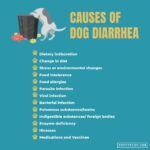
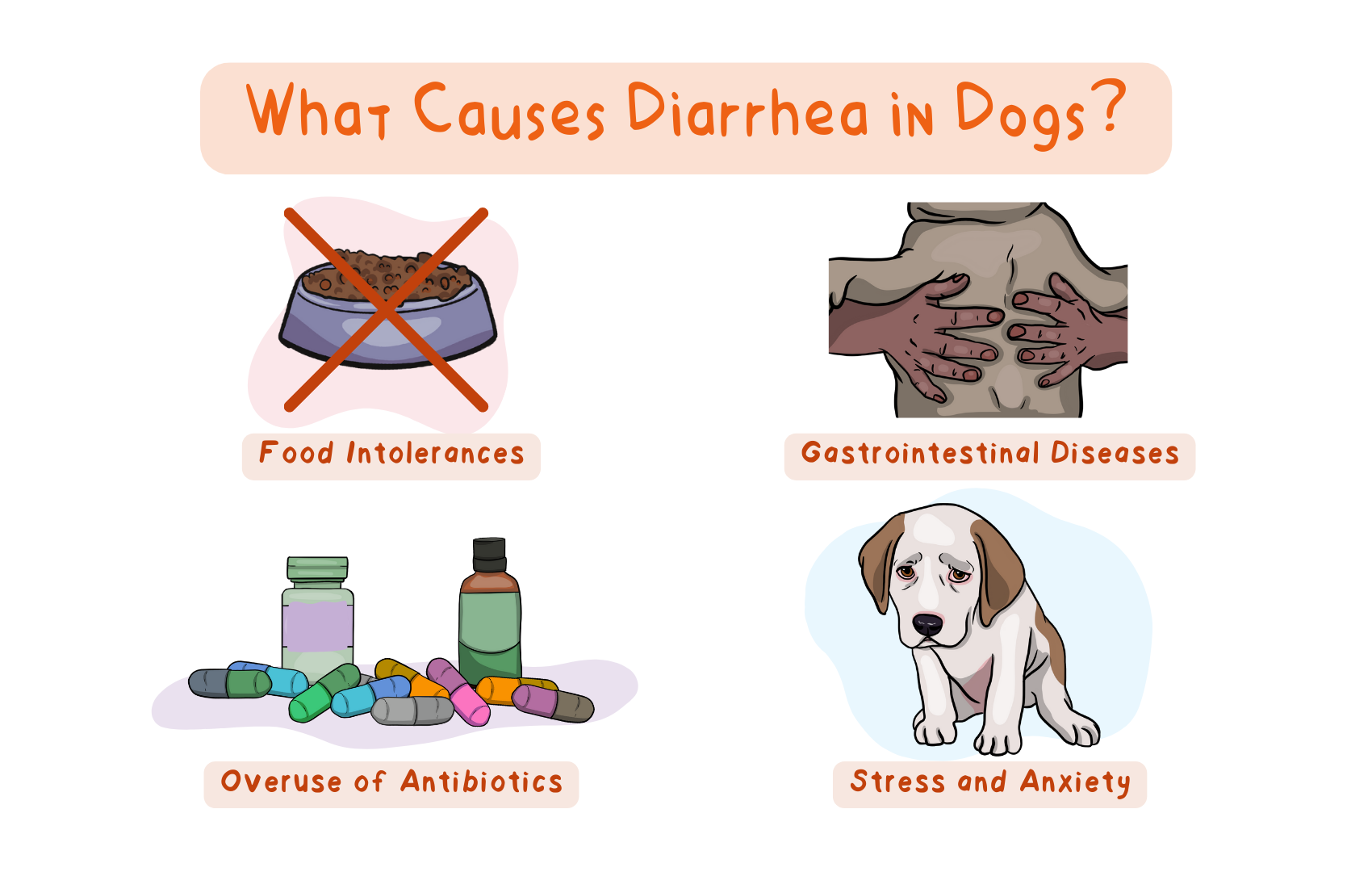
Dogs can get upset stomachs for many reasons. Knowing the causes helps you care for your pet better. Some causes come from what they eat. Others come from germs or stress. Understanding these causes can keep your dog healthy and happy.
Common Dietary Triggers
Dogs often get stomach upset from certain foods. Eating spoiled food can cause vomiting and diarrhea. Sudden changes in diet can also upset their stomach. Some dogs are sensitive to dairy, wheat, or other ingredients. Overeating or eating too fast leads to discomfort too.
Infections And Parasites
Germs like bacteria and viruses can cause stomach problems. Parasites like worms can also upset your dog’s stomach. These infections often cause vomiting, diarrhea, and weakness. Regular vet check-ups and proper hygiene help prevent infections. Treating parasites quickly is important for your dog’s health.
Stress And Anxiety
Stress affects a dog’s stomach just like in humans. New places, loud noises, or changes at home can cause anxiety. This stress can lead to nausea, vomiting, or diarrhea. Calm environments and gentle care help reduce stress. Sometimes, extra help from a vet is needed to soothe anxiety.

Credit: www.dutch.com
Signs Your Dog Has An Upset Stomach
Dogs cannot tell us when their stomach hurts. It is important to watch for signs of an upset stomach. These signs help you know when your dog needs care. Early action can make your dog feel better fast.
Look for changes in behavior and physical symptoms. These often show a dog is not feeling well inside.
Vomiting And Diarrhea
Vomiting is a common sign of stomach upset. Your dog may throw up food or liquid. Diarrhea can also show a problem. Loose, watery stools happen more often than usual. Both signs mean your dog’s tummy is upset.
Loss Of Appetite
A dog with a sore stomach may eat less or refuse food. Your dog might ignore favorite treats. This loss of appetite is a sign of discomfort. Watch if your dog skips meals or eats smaller amounts.
Lethargy And Discomfort
Lethargy means low energy. Your dog may lie down more and move less. Signs of discomfort include whining or restlessness. Your dog might seem sad or tired. These signs show your dog is not feeling well.
Safe Foods To Soothe Dog’s Stomach
Choosing the right food helps calm a dog’s upset stomach. Safe foods are gentle and easy to digest. They supply nutrients without causing more irritation. Some foods can soothe and support digestion. These options help your dog feel better faster. Here are some safe foods to try.
Boiled Chicken And Rice
Boiled chicken and rice is a classic remedy. Chicken provides lean protein without fat. Rice is mild and helps bind loose stools. This combo is easy on the digestive system. Avoid seasoning or oils. Serve in small, frequent meals.
Plain Pumpkin And Sweet Potato
Pumpkin and sweet potato add fiber to the diet. Fiber helps regulate digestion and stool consistency. Both are rich in vitamins and gentle on the stomach. Use plain, cooked versions without spices. They can relieve constipation or diarrhea.
Probiotic-rich Options
Probiotics support healthy gut bacteria. Yogurt or specially formulated dog probiotics work well. They help restore balance in the digestive tract. Use plain, unsweetened yogurt without artificial sweeteners. Probiotics boost your dog’s natural defenses.

Credit: www.youtube.com
Home Remedies For Fast Relief
Dogs with upset stomachs need gentle care at home. Quick relief helps them feel better fast. Simple home remedies can ease discomfort. These tips support healing without harsh treatments.
Focus on hydration, careful feeding, and natural helpers. These methods calm the stomach and restore health. Watch your dog closely and adjust as needed.
Hydration And Electrolyte Balance
Water is the best way to keep dogs hydrated. Offer small amounts often to prevent dehydration. Electrolytes help replace lost salts and minerals. Use pet-safe electrolyte solutions or dilute broth. Avoid sugary or caffeinated drinks. Hydration supports digestion and speeds recovery.
Small, Frequent Meals
Feed dogs small meals throughout the day. Avoid large, heavy portions that stress the stomach. Bland foods like boiled chicken and rice work well. These foods are easy to digest and gentle. Slow feeding helps reduce nausea and vomiting. Watch for signs of hunger or fullness.
Herbal Teas And Supplements
Mild herbal teas can soothe upset stomachs. Chamomile tea is calming and reduces inflammation. Peppermint tea may ease cramps and gas. Give teas cooled and in small amounts. Some supplements like probiotics support gut health. Always check with a vet before giving herbs or supplements.
Foods To Avoid During Stomach Upset
Choosing the right foods for a dog with an upset stomach is important. Some foods can make the problem worse. Avoiding certain foods helps your dog heal faster and feel better.
Dairy And Fatty Foods
Dairy products like milk and cheese often upset dogs’ stomachs. Many dogs cannot digest lactose well. Fatty foods slow digestion and cause diarrhea. Greasy meats or fried treats can lead to vomiting.
Spices And Seasonings
Spices and seasonings irritate a dog’s sensitive stomach. Ingredients like garlic, onion, and chili are harmful. Even small amounts may cause stomach pain or worse. Plain food is safer during upset stomachs.
Human Snacks And Treats
Human snacks often contain salt, sugar, and preservatives. These can upset your dog’s digestion. Chocolate, candy, and chips are toxic or hard to digest. Stick to vet-recommended treats to avoid problems.
Credit: www.icrcevre.com
When To See A Veterinarian
Knowing when to see a veterinarian is important for a dog with an upset stomach. Some symptoms need quick medical attention. Early care can prevent serious problems and help your pet feel better faster.
Persistent Symptoms
Watch for symptoms that do not go away within 24 to 48 hours. Vomiting, diarrhea, or stomach pain lasting more than two days needs a vet visit. If your dog keeps having stomach issues despite home care, seek help.
Signs Of Dehydration
Dehydration is dangerous for dogs with upset stomachs. Look for dry gums, sunken eyes, and lethargy. Also, check if your dog drinks less water or urinates less. These signs mean your pet needs medical care right away.
Underlying Health Concerns
Upset stomach can hide other health problems. Dogs with existing conditions like diabetes or kidney issues need prompt vet checks. Sudden weight loss or blood in vomit or stool also require immediate attention.
Frequently Asked Questions
What Food Is Best For Dogs With Upset Stomachs?
Bland foods like boiled chicken, rice, and pumpkin soothe upset stomachs. These are easy to digest and reduce irritation. Avoid fatty or spicy foods during recovery to prevent worsening symptoms.
Can I Give My Dog Yogurt For Stomach Issues?
Yes, plain yogurt with live cultures can aid digestion. It introduces beneficial probiotics that balance gut bacteria. Use small amounts to avoid lactose intolerance symptoms in sensitive dogs.
How Long Should I Feed Bland Food To My Dog?
Feed bland food for 2 to 3 days until symptoms improve. Gradually reintroduce regular food over several days to avoid relapse. Monitor your dog closely during this transition.
Are Canned Pumpkin And Sweet Potatoes Good For Upset Dogs?
Yes, canned pumpkin and sweet potatoes are high in fiber and gentle on the stomach. They help regulate digestion and ease diarrhea. Always use plain, unsweetened pumpkin or sweet potato products.
Conclusion
Choosing the right food helps your dog heal faster. Plain, gentle meals calm upset stomachs well. Avoid rich or spicy foods that cause discomfort. Always offer small portions and fresh water. Watch your dog’s behavior and appetite closely. If symptoms last, talk to your vet soon.
A happy, healthy dog means careful feeding. Simple care makes a big difference every day.