Last Updated on October 19, 2026
If your dog suddenly starts having diarrhea, you might feel worried and confused. You may wonder if allergies could be the cause.
After all, allergies are common in dogs, but can they really lead to stomach problems like diarrhea? Understanding this connection can help you take better care of your furry friend and avoid unnecessary stress. Keep reading to find out how allergies might affect your dog’s digestive health and what signs you should watch for.
This knowledge could make all the difference in keeping your pet happy and healthy.
Common Allergies In Dogs
Dogs can suffer from different types of allergies. These allergies often cause discomfort and health issues. Knowing the common allergies helps to spot the signs early. It also guides you to seek proper care for your pet.
Food Allergies
Food allergies are common in dogs. Certain ingredients like beef, chicken, or dairy may trigger reactions. Symptoms include itching, vomiting, and diarrhea. These allergies can develop at any age. Testing can help identify problem foods. Changing the diet often improves your dog’s health.
Environmental Allergies
Dogs can react to pollen, dust, mold, and grasses. These allergies tend to worsen in certain seasons. Sneezing, coughing, and skin irritation are common signs. Environmental allergies can also cause digestive upset. Avoiding allergens and using medications can reduce symptoms.
Contact Allergies
Contact allergies occur when skin touches irritants. Common triggers include soaps, shampoos, and chemicals. Dogs may lick or scratch affected areas. Redness and rashes often appear on paws and belly. Identifying and removing irritants helps heal the skin quickly.
Symptoms Linked To Allergies
Allergies in dogs can cause many different symptoms. These signs may affect the skin, breathing, or digestion. Knowing these symptoms helps you spot allergies early. It also helps in managing your dog’s health better.
Symptoms linked to allergies often overlap with other health issues. Watch your dog closely for changes in behavior or appearance. Early detection can prevent serious problems later on.
Digestive Issues
Diarrhea is a common digestive symptom of allergies in dogs. Vomiting and stomach upset may also occur. These signs happen because the dog’s body reacts badly to certain foods or substances. Loss of appetite and weight loss can follow if the problem lasts long.
Skin Reactions
Itchy skin is a classic sign of allergies in dogs. Redness, rashes, and swelling may appear. Dogs might scratch, lick, or bite affected areas often. Hair loss can happen in severe cases. These skin problems cause discomfort and may lead to infections.
Respiratory Signs
Allergies can cause coughing, sneezing, and wheezing in dogs. Nasal discharge and difficulty breathing may be noticed. These symptoms show the dog’s airways are irritated. They might worsen if the dog is exposed to allergens regularly.
How Allergies Trigger Diarrhea
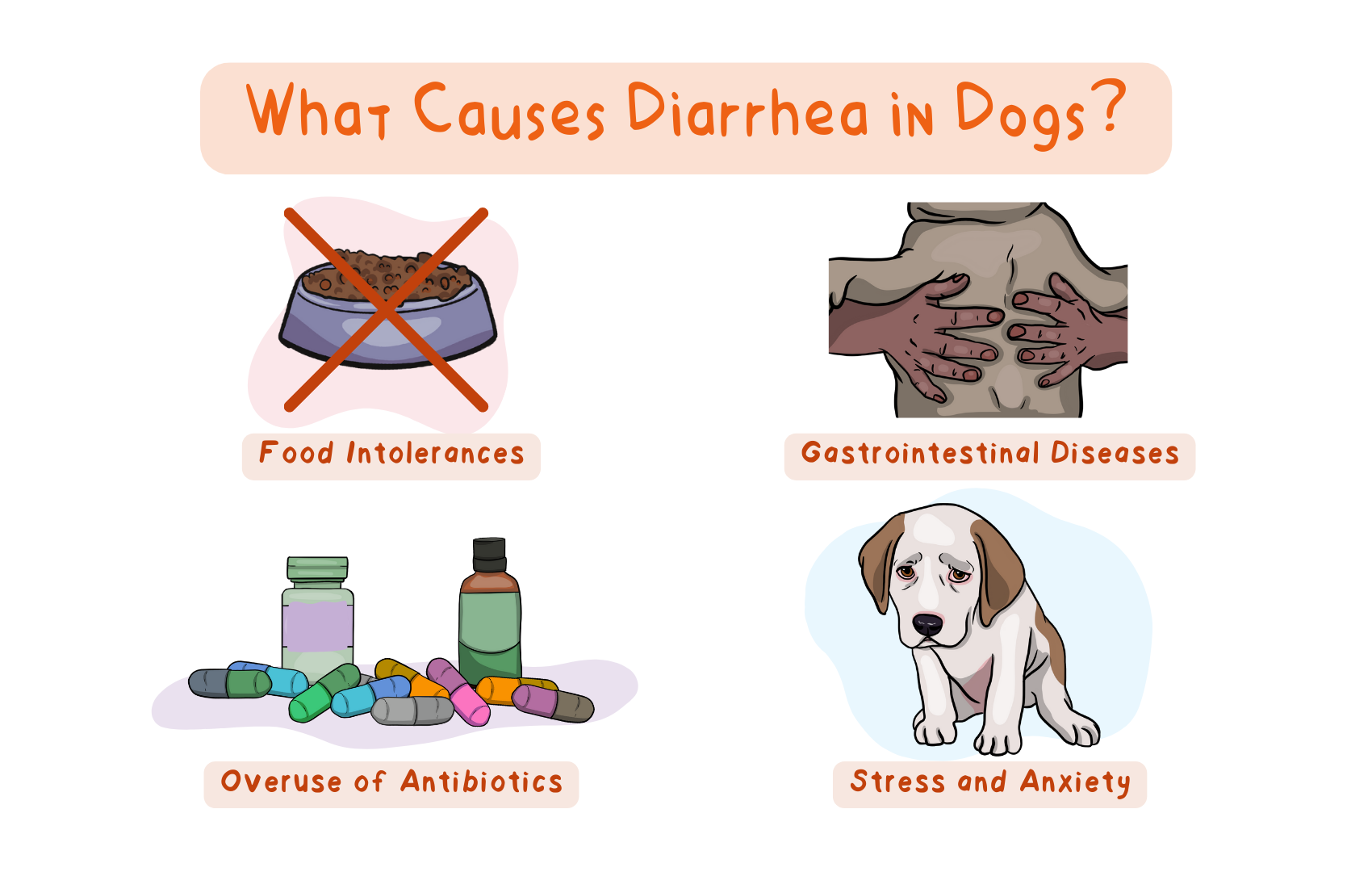
Allergies in dogs can cause many symptoms, including diarrhea. Understanding how allergies trigger diarrhea helps pet owners care better for their dogs. Allergies affect the body’s immune system and the digestive tract. This interaction often leads to loose stools or frequent bowel movements.
Diarrhea happens because the immune system reacts to allergens and causes changes in the gut. The gut is sensitive to inflammation and irritation from allergic reactions. This section explains how allergies cause diarrhea by focusing on the immune response, inflammation, and the digestive tract.
Immune Response And Gut Health
The immune system fights off harmful substances. In allergic dogs, the immune system mistakes harmless proteins as threats. This causes an immune response that affects the gut. Immune cells release chemicals that disrupt the normal balance in the intestines. This imbalance harms good bacteria and weakens gut health. Poor gut health leads to diarrhea as digestion breaks down.
Inflammation Effects
Allergies cause inflammation in different body parts, including the gut. Inflammation makes the intestinal lining swell and become irritated. This swelling reduces the gut’s ability to absorb water and nutrients. More water stays in the intestines, which causes diarrhea. Inflamed intestines also speed up movement, pushing stool out faster than usual.
Allergic Reactions In The Digestive Tract
Allergens enter the digestive tract through food or swallowed substances. The allergic reaction triggers the release of histamine and other chemicals. These chemicals increase gut permeability, allowing more substances to pass through the gut wall. This causes discomfort and disrupts digestion. The result is loose, watery stools or diarrhea as the body tries to expel allergens quickly.

Credit: www.houndsy.com
Diagnosing Allergy-related Diarrhea
Diagnosing allergy-related diarrhea in dogs is key to finding the right treatment. This condition often mimics other health problems. Careful steps help pinpoint allergies as the cause. Early diagnosis improves your dog’s comfort and health.
Vets use a mix of exams and tests to identify allergy-related diarrhea. They look for patterns and rule out other issues. Understanding your dog’s history is important too. The process helps create a clear picture of your dog’s health.
Veterinary Examination
The first step is a full veterinary examination. The vet checks your dog’s body and behavior. They look for signs of allergies like skin rashes or ear infections. Stool samples might be taken to check for infections. This exam helps the vet decide what to test next.
Elimination Diets
An elimination diet is a common tool to find food allergies. Your dog eats a special diet with few ingredients. This diet lasts several weeks to see if symptoms improve. If diarrhea stops, new foods are added slowly. Any return of symptoms signals a food allergy.
Allergy Testing Methods
Allergy tests can find specific triggers causing diarrhea. Blood tests check for immune reactions to allergens. Skin tests involve tiny injections to spot sensitivities. These tests help confirm what the elimination diet suggests. They guide vets on how to manage your dog’s allergies.
Treatment Options For Allergic Diarrhea
Allergic diarrhea in dogs needs careful treatment. The right approach helps ease symptoms and improves your dog’s health. Treatment focuses on reducing allergic reactions and protecting the digestive system. Different methods can work together for better results.
Dietary Management
Diet plays a big role in treating allergic diarrhea. Special diets with limited ingredients help identify food allergies. Hypoallergenic or novel protein diets often reduce allergic reactions. Avoid common allergens like beef, dairy, or wheat. Feeding easily digestible food supports gut healing. Always introduce new diets slowly to prevent upset.
Medications And Supplements
Medications can control allergy symptoms and inflammation. Antihistamines reduce itching and allergic responses. Corticosteroids may be prescribed for severe cases. Probiotics help restore healthy gut bacteria. Digestive enzymes improve nutrient absorption. Follow your vet’s advice on dosage and duration.
Environmental Control
Allergic diarrhea can also stem from environmental triggers. Keep your dog’s living area clean and free of dust. Avoid exposure to pollen, mold, and chemicals. Regular bathing removes allergens from the fur. Washing bedding often reduces irritants. Minimizing contact with triggers lowers allergy risks.

Credit: www.eglintondufferinanimalclinic.com
Preventing Allergy-induced Digestive Issues
Preventing allergy-induced digestive issues is important for a dog’s health. Allergies can cause diarrhea and stomach upset. Taking steps to avoid these problems helps your dog stay comfortable and happy. Small changes can make a big difference in managing symptoms and improving your dog’s digestion.
Choosing The Right Food
Select dog food that fits your dog’s needs. Foods with limited ingredients reduce allergy risks. Novel protein sources like duck or venison can help. Avoid common allergens such as wheat, corn, and soy. Look for formulas made for sensitive stomachs. Always introduce new food slowly to watch for reactions.
Regular Health Monitoring
Check your dog’s health often. Watch for signs like diarrhea, itching, or vomiting. Keep a diary of symptoms and food intake. Regular vet visits catch problems early. Your vet can suggest allergy tests or treatments. Early action can prevent long-term digestive issues.
Minimizing Allergen Exposure
Reduce your dog’s contact with allergens. Clean their bedding and toys regularly. Use hypoallergenic shampoos for baths. Avoid walking in areas with high pollen or dust. Keep your home free of smoke and strong chemicals. These steps lower the chance of allergy flare-ups.
Credit: www.feedreal.com
Frequently Asked Questions
Can Allergies Cause Diarrhea In Dogs?
Yes, allergies can cause diarrhea in dogs. Food allergies or environmental allergens may irritate the gut, leading to loose stools or diarrhea.
What Are Common Allergy Symptoms In Dogs?
Common symptoms include itching, redness, sneezing, coughing, and digestive issues like vomiting or diarrhea.
How Can I Tell If My Dog’s Diarrhea Is Allergy-related?
If diarrhea occurs alongside itching or skin issues and after eating new foods, allergies might be the cause. A vet can confirm.
Should I Change My Dog’s Diet For Allergy-related Diarrhea?
Yes, switching to hypoallergenic or limited-ingredient diets can reduce allergic reactions and improve diarrhea caused by food allergies.
Conclusion
Allergies can cause diarrhea in dogs, but not always. Many factors affect your dog’s digestion. Watch for other signs like itching or vomiting. Proper diagnosis helps find the right treatment. Changing food or medication may ease symptoms. Always talk to your vet if diarrhea lasts long.
Early care keeps your dog healthy and happy. Remember, quick action can prevent bigger problems. Stay observant and care for your furry friend.