Last Updated on September 18, 2026
Fleas can be a big problem in yards. They cause discomfort and can spread diseases.
Tired of commercial flea treatments that don’t work? Many people prefer homemade solutions. They are natural, cost-effective, and often more reliable. Creating your own flea control methods can protect your yard without harmful chemicals. Plus, these solutions are easy to make with items you might already have at home.
In this blog, we will explore various homemade flea control methods. These tips will help keep your yard flea-free and safe for your family and pets. Ready to reclaim your yard? Let’s dive into some effective homemade flea control strategies.
Introduction To Flea Control
Fleas can be a nuisance for pets and humans. These tiny pests can cause itching and discomfort. Controlling fleas in your yard is important for a healthy environment. A homemade flea control plan can be effective and safe.
Why Flea Control Is Important
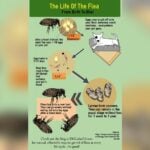
Fleas can spread diseases and cause allergies. They can also multiply quickly. One flea can lay up to 50 eggs a day. Without control, a small problem can become a big one. Protecting your yard helps keep your pets and family safe.
Challenges Of Commercial Solutions
Commercial flea control products often contain chemicals. These chemicals can be harmful to pets and humans. They can also be expensive. Overuse of these products can lead to fleas becoming resistant. This makes it harder to control them in the future.
Homemade solutions can be a safer and more affordable option. They use natural ingredients that are not harmful. Plus, you can make them at home with items you may already have.
| Commercial Solutions | Homemade Solutions |
|---|---|
| Contain chemicals | Use natural ingredients |
| Can be expensive | Affordable |
| May cause resistance | Effective and safe |
Natural Flea Repellents
Keeping your yard free from fleas can be challenging. Natural flea repellents offer a safe, chemical-free alternative. These methods harness the power of nature to protect your yard. Essential oils and herbal plants are great options. They can keep fleas at bay and ensure your yard remains a safe haven.
Essential Oils
Essential oils are a powerful natural flea repellent. They come from plants and have strong scents that fleas dislike. Lavender, eucalyptus, and peppermint are effective choices. Mix a few drops with water in a spray bottle. Spray this mixture around your yard. Focus on shaded areas and damp spots where fleas thrive. Reapply the spray weekly for the best results. Always test a small area first to ensure it does not harm plants.
Herbal Plants
Herbal plants can also deter fleas from your yard. Planting flea-repellent herbs around your yard is simple. Rosemary, mint, and lemongrass are great options. These herbs have strong scents that repel fleas. They also add beauty and fragrance to your garden. You can plant them in pots or directly into the ground. Place them near entry points or problem areas. Regularly trim and maintain the plants to keep them healthy and effective.
Beneficial Nematodes
Beneficial nematodes are a natural way to control fleas in your yard. These tiny worms seek out and kill flea larvae. Safe for pets and humans, they offer an eco-friendly solution.
Beneficial nematodes are tiny, worm-like organisms. They are natural predators of many garden pests. These include fleas, which can infest your yard. Using nematodes is a natural and effective way to control fleas. It’s safe for pets, plants, and people.How Nematodes Work
Nematodes seek out flea larvae in the soil. They enter the larvae and release bacteria. The bacteria kill the flea larvae within 24 to 48 hours. Nematodes then reproduce inside the dead larvae. This creates more nematodes to continue the cycle. They can reduce flea populations quickly and effectively.Application Tips
Apply nematodes in the early morning or late afternoon. This helps them avoid harsh sunlight. Mix nematodes with water according to package instructions. Use a watering can or hose-end sprayer. Water your yard thoroughly before applying nematodes. This helps them penetrate the soil. Repeat the application every two to three weeks for best results. “`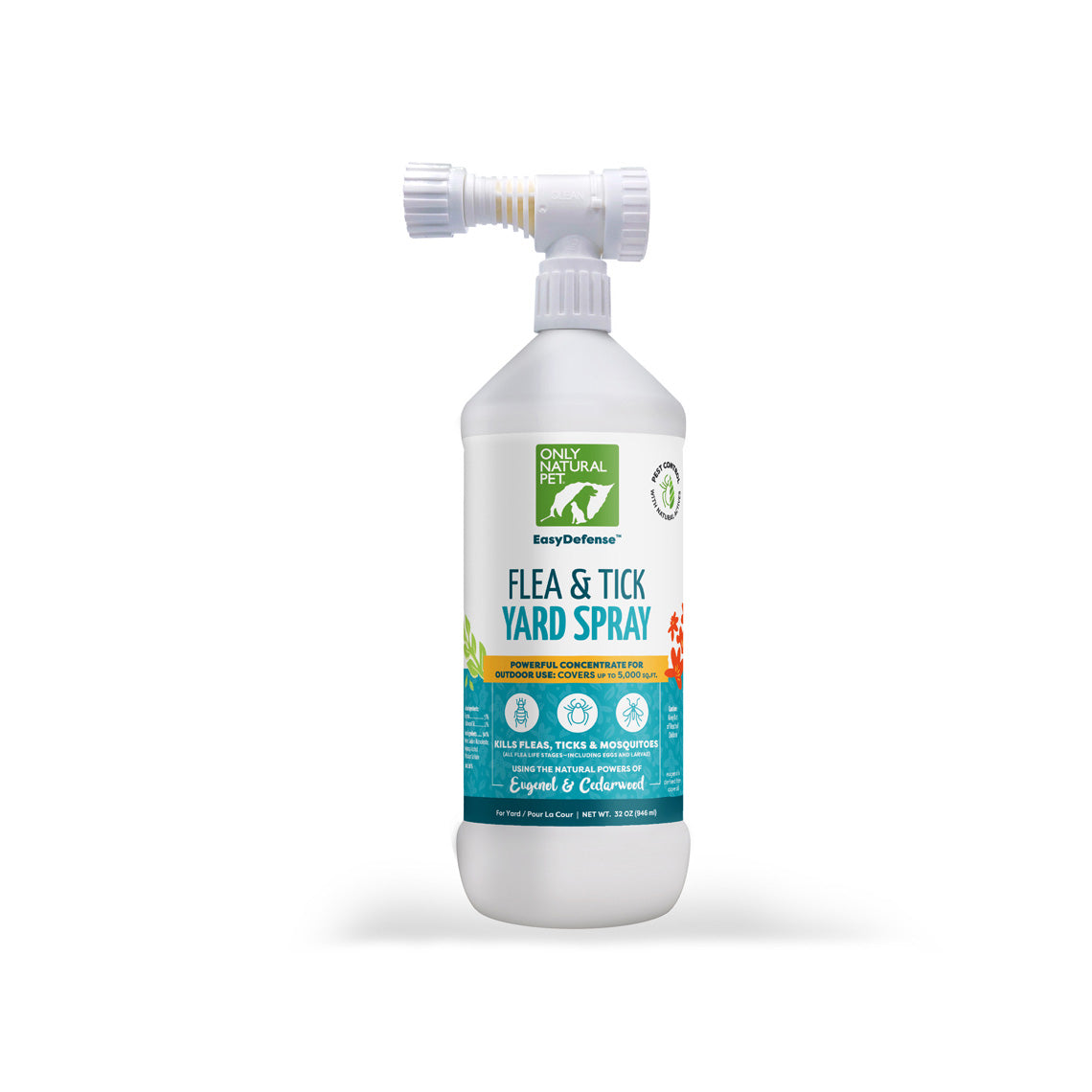
Credit: www.onlynaturalpet.com
Diatomaceous Earth
Are you tired of fleas infesting your yard? Diatomaceous Earth (DE) might be the perfect solution for you. This natural powder is made from the fossilized remains of tiny aquatic organisms called diatoms. It is a non-toxic and eco-friendly option that can help control fleas effectively.
Benefits Of Diatomaceous Earth
Using Diatomaceous Earth in your yard has many advantages:
- Non-toxic: Safe for pets and children.
- Eco-friendly: Does not harm the environment.
- Effective: Kills fleas by dehydrating them.
- Easy to use: Simple application process.
Safe Usage Instructions
To use Diatomaceous Earth safely and effectively in your yard, follow these steps:
- Choose a dry day to apply the powder.
- Wear a mask and gloves for protection.
- Sprinkle the powder evenly over the affected areas.
- Focus on shady spots and areas where pets play.
- Reapply after rain or heavy dew.
Remember to use food-grade Diatomaceous Earth for the best results. Keep pets and children away from treated areas until the powder has settled. DE is a great option for safe and natural flea control.
Homemade Flea Traps
Fleas can quickly infest your yard, causing discomfort for your pets and family. Homemade flea traps are a cost-effective and efficient way to combat these pesky pests.
Simple Trap Designs
Creating homemade flea traps is simple and requires basic materials like dish soap, water, and a light source. One effective design involves placing a bowl of soapy water under a night light to attract and trap fleas.
Best Placement Areas
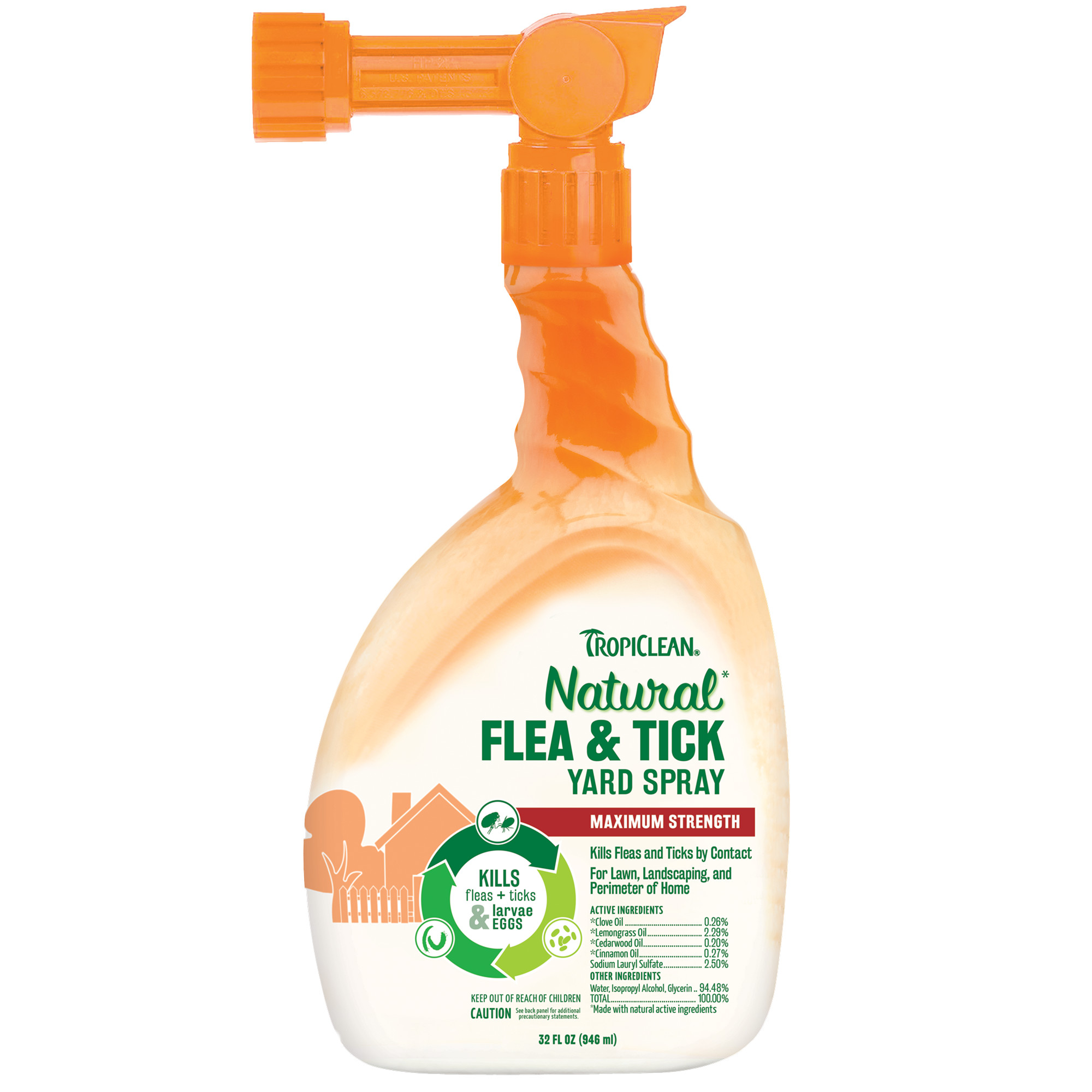
For optimal results, position the flea traps in areas where your pets frequent the most, such as near their bedding or favorite resting spots. Additionally, consider placing traps in shaded areas where fleas are likely to hide.
Credit: www.tropiclean.com
Yard Maintenance Tips
Keeping your yard well-maintained is crucial for controlling fleas. Regular upkeep can reduce flea populations and make your outdoor space more enjoyable. Here are some effective yard maintenance tips to help you manage fleas.
Regular Mowing
Regular mowing is essential. Long grass provides a perfect hiding spot for fleas. Mow your lawn weekly to keep the grass short. This disrupts the flea habitat.
Short grass also allows sunlight to reach the soil. Fleas thrive in dark, moist environments. Sunlight exposure helps to dry out the soil, making it less appealing for fleas.
Consider using a bag attachment on your mower. This collects clippings and reduces the debris that can shelter fleas.
Removing Debris
Debris like leaves, grass clippings, and branches can provide cover for fleas. Regularly clear away any debris from your yard.
Use a rake to gather leaves and twigs. Dispose of them properly. This keeps your yard tidy and less attractive to fleas.
Check for any piles of wood or clutter. Fleas can hide in these areas. Arrange firewood neatly and away from your home.
Maintaining a clean yard is a simple yet effective flea control method. Keep your outdoor space free of clutter and debris.
Follow these yard maintenance tips for a flea-free yard. Consistent effort makes a significant difference.
Creating A Flea-free Zone
Creating a flea-free zone in your yard is essential for a healthy environment. Fleas can be persistent pests, but with the right strategies, you can keep them at bay. Here are some effective methods to help you design a safe space and use natural barriers to create a flea-free zone.
Designing Safe Spaces
Designing safe spaces in your yard helps in reducing flea infestations. Start by keeping your yard clean and well-maintained. Regularly mow the lawn and trim bushes to minimize hiding spots for fleas.
- Remove Debris: Clear out leaves, grass clippings, and other debris.
- Limit Shaded Areas: Fleas thrive in shady, moist environments.
- Install Fencing: Use fences to keep stray animals out.
Consider creating designated play areas for your pets. Use gravel or wood chips in these zones to deter fleas. Regularly clean these areas to maintain a flea-free environment.
Using Natural Barriers
Natural barriers can be effective in keeping fleas away from your yard. Certain plants and substances act as natural repellents. Planting these around your yard can help reduce the flea population.
| Plant | Repellent Properties |
|---|---|
| Lavender | Repels fleas with its scent |
| Mint | Fleas dislike the strong smell |
| Chrysanthemums | Contains pyrethrum, a natural insecticide |
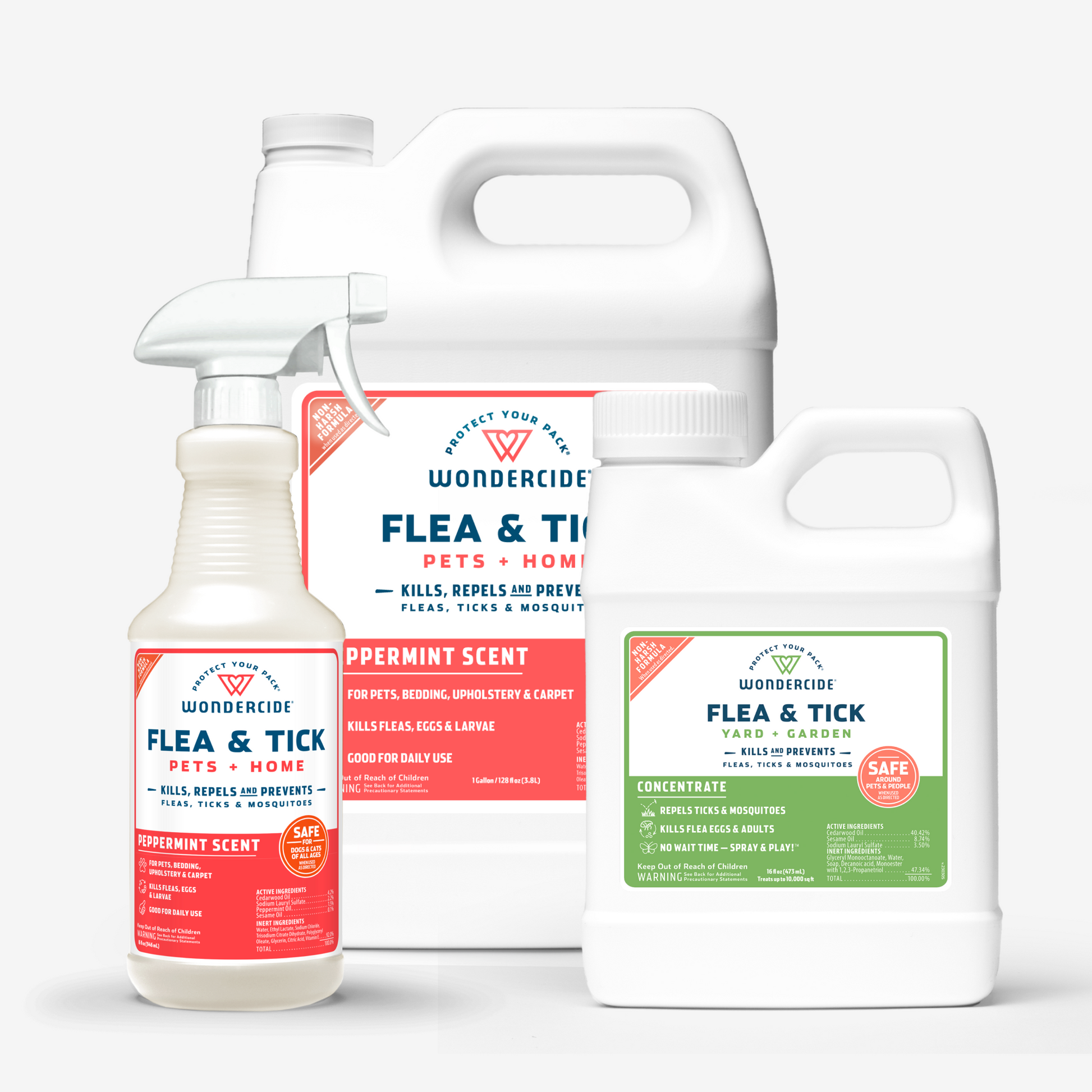
You can also use diatomaceous earth around your yard. It is a natural substance that kills fleas by dehydrating them. Sprinkle it in areas where fleas are likely to hide, such as under shrubs and around the perimeter of your yard.
Create a flea-free zone by integrating these methods into your yard maintenance routine. By designing safe spaces and using natural barriers, you can enjoy a flea-free yard.
Credit: www.wondercide.com
Monitoring And Follow-up
Once you have implemented your homemade flea control methods, it is crucial to monitor and follow up to ensure effectiveness. Regular checks can help you stay on top of flea activity and adjust your approach as needed. This process is essential for maintaining a flea-free yard.
Checking For Flea Activity
Regularly inspect your yard for signs of flea activity. Use a white sock or piece of cloth to walk through grassy areas. Fleas will be visible against the white background. Also, check your pets for scratching or biting, which can indicate fleas.
- Walk through different sections of your yard.
- Pay attention to shaded and damp areas.
- Check your pets’ fur and bedding.
If you notice any fleas, take immediate action. Swift intervention can prevent a full-blown infestation.
Adjusting Your Approach
If you find that fleas persist despite your efforts, you might need to adjust your approach. Consider trying different homemade remedies or increasing the frequency of treatments.
- Use a combination of diatomaceous earth and nematodes.
- Increase the frequency of treatments.
- Introduce more natural predators like nematodes.
Track the effectiveness of each method. Keep records to identify what works best for your yard. Consistency and observation are key to maintaining a flea-free environment.
Remember, the goal is to create a yard that is inhospitable to fleas. Regular monitoring and follow-up ensure that you can enjoy your outdoor space without the nuisance of fleas.
Frequently Asked Questions
What Is Homemade Flea Control?
Homemade flea control involves using natural ingredients to repel or kill fleas in your yard. These methods are environmentally friendly and safe for pets.
How Do You Make Homemade Flea Spray?
Mix water, vinegar, and essential oils like lavender or eucalyptus. Spray this mixture around your yard to repel fleas.
Can Salt Kill Fleas In The Yard?
Yes, sprinkling salt on your yard can dehydrate and kill fleas. It’s an effective and natural flea control method.
How Often Should I Treat My Yard For Fleas?
Treat your yard every two weeks during flea season. Consistent treatment helps to break the flea life cycle.
Conclusion
Protecting your yard from fleas is possible with homemade solutions. These methods are cost-effective and safe for pets and children. Regular maintenance and natural treatments can keep fleas at bay. Your yard can stay flea-free without harsh chemicals. Try these simple tips and enjoy a healthy, pest-free outdoor space.
Consistent effort is key to success. You can make a big difference with small changes. Start today and watch your yard thrive.