
Last Updated on August 5, 2026
Are you looking to give your cat the healthiest, most natural diet possible? A raw cat food recipe might be exactly what your furry friend needs.
Feeding your cat raw food can boost their energy, improve their coat, and support overall health. But where do you start? This guide will show you simple steps to create balanced, nutritious meals that your cat will love. Keep reading to discover how easy it is to prepare raw food at home and why it could make a big difference in your cat’s life.
Credit: www.youtube.com
Benefits Of Raw Cat Food
Raw cat food offers many benefits that support your cat’s health. It is closer to what cats eat in the wild. This diet gives cats more natural nutrients. These nutrients can help improve their overall well-being.
Feeding raw food can help with digestion, skin health, energy, and weight control. Each of these benefits plays a key role in keeping cats happy and healthy.
Improved Digestion
Raw cat food is easy for cats to digest. It contains natural enzymes that help break down food better. This can reduce stomach upset and bloating. Cats often have firmer stools and less gas. A healthy gut means better nutrient absorption for your pet.
Enhanced Coat And Skin Health
Raw food has healthy fats, like omega-3 and omega-6. These fats keep a cat’s skin soft and their coat shiny. Cats fed raw diets often have fewer skin problems. Their fur looks thicker and more vibrant. Healthy skin and fur mean less itching and discomfort.
Increased Energy Levels
Raw food provides natural proteins and fats. These give cats steady energy throughout the day. Many cats on raw diets show more playfulness and activity. Better energy helps cats stay alert and strong. It supports their overall mood and well-being.
Weight Management
Raw cat food helps maintain a healthy weight. It has fewer fillers and carbs than some dry foods. This means fewer empty calories for your cat. Balanced portions of protein and fat support muscle, not fat. Healthy weight lowers risks of many diseases.
Key Ingredients For Raw Cat Food
Raw cat food needs specific ingredients to keep cats healthy. Each ingredient plays a special role in their diet. Cats require a balanced mix of nutrients from various sources. This section explains the key ingredients you should include in raw cat food recipes.
Muscle Meat Selection
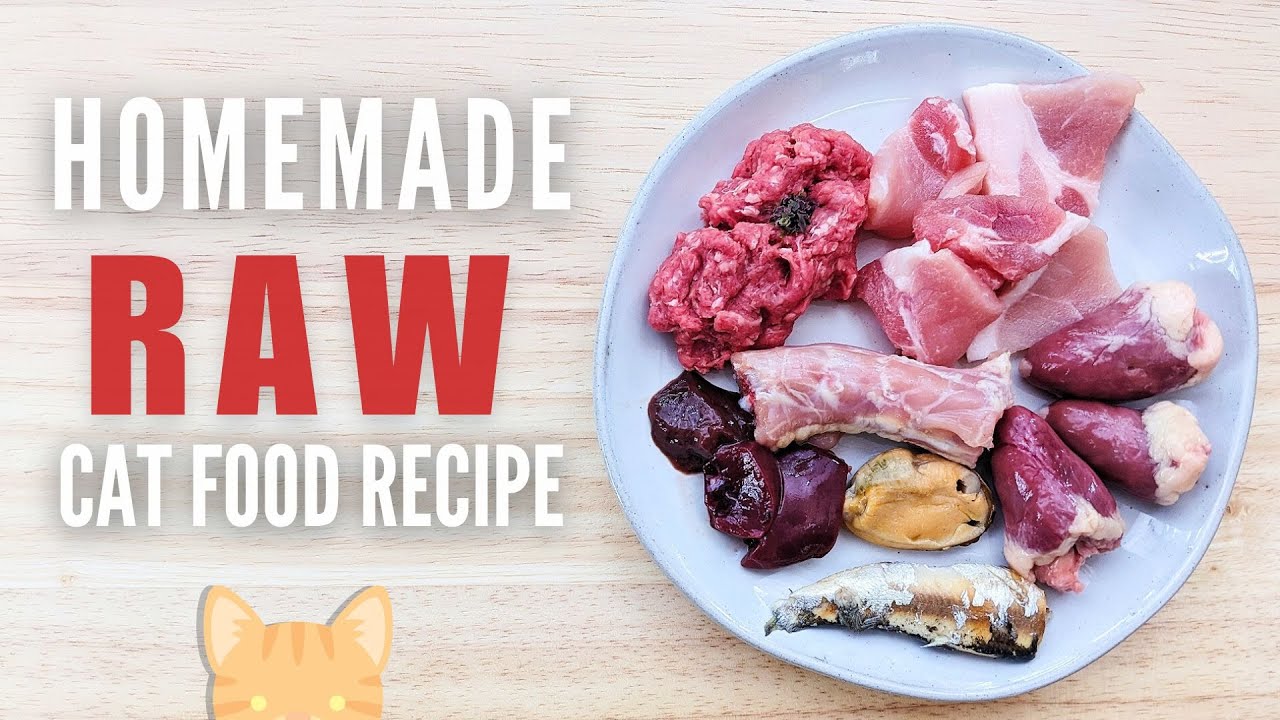
Muscle meat is the main part of a cat’s meal. It provides protein and energy. Choose fresh, high-quality meats like chicken, turkey, or rabbit. Avoid processed or cooked meats. Raw muscle meat supports strong muscles and overall health.
Organs And Their Importance
Organs supply important vitamins and minerals. Liver is rich in vitamin A and iron. Kidneys provide B vitamins and essential nutrients. Include organs in small amounts to keep the diet complete and balanced. They help cats stay energetic and healthy.
Bone Content And Safety
Raw bones are crucial for calcium and phosphorus. These nutrients keep bones and teeth strong. Use ground or finely crushed bones for safety. Avoid cooked bones as they can splinter and cause harm. Proper bone content supports your cat’s skeletal health.
Essential Supplements
Certain supplements fill nutritional gaps in raw diets. Fish oil adds omega-3 fatty acids for skin and coat health. Taurine is vital for heart and eye function. Vitamin E protects cells and boosts immunity. Use supplements carefully to meet your cat’s needs.
Preparing Raw Cat Food Safely
Preparing raw cat food safely is very important to keep your cat healthy. Raw meat can carry bacteria and other germs. Proper handling, storage, and cleanliness reduce risks. Small steps make a big difference in safety.
Hygiene And Handling Tips
Wash your hands before and after handling raw meat. Use clean utensils and cutting boards. Avoid touching other foods during preparation. Clean surfaces with hot, soapy water. Use separate tools for raw cat food and human food. Keep your workspace tidy to prevent cross-contamination.
Storage Guidelines
Store raw cat food in airtight containers. Keep it in the coldest part of the fridge. Use raw food within two days. Freeze extra portions in small packs. Thaw frozen food in the fridge, not on the counter. Discard any food left out for more than two hours.
Avoiding Common Contaminants
Choose fresh, high-quality meat from trusted sources. Avoid meat with strange smells or colors. Keep raw food away from household pets and pests. Clean spills immediately to avoid attracting bacteria. Check expiration dates on all ingredients. Use gloves if you have cuts or sores on your hands.
Credit: www.youtube.com
Sample Raw Cat Food Recipes
Feeding your cat raw food can boost their health and energy. Preparing meals at home ensures fresh ingredients and control over nutrition. Here are some simple raw cat food recipes to try.
Basic Chicken Recipe
Use 1 cup of ground chicken, including some skin. Add 1 teaspoon of chicken liver for vitamins. Mix in 1/4 teaspoon of fish oil for omega-3 fats. Include a pinch of crushed eggshell for calcium. Blend all ingredients well before serving.
Turkey And Liver Mix
Combine 1 cup of ground turkey with 2 tablespoons of turkey liver. Add 1/2 cup of finely chopped heart for extra nutrients. Mix in 1 teaspoon of olive oil for healthy fats. Add a small amount of water to get the right texture. Stir all parts thoroughly.
Fish-based Meal Option
Choose 1 cup of chopped raw salmon or sardines. Add 1 tablespoon of fish liver oil for vitamins. Mix in 1/4 teaspoon of ground flaxseed for fiber. Include a small amount of mashed pumpkin for digestion. Blend well and serve fresh.
Balanced Beef Blend
Use 1 cup of lean ground beef. Add 2 tablespoons of beef liver and 1 tablespoon of heart. Mix in 1 teaspoon of coconut oil to support skin health. Include a pinch of crushed eggshell for calcium. Combine all ingredients evenly before feeding.
Transitioning Cats To Raw Diet
Switching your cat to a raw food diet requires care and patience. Sudden changes can upset their stomach or cause refusal to eat. A smooth transition helps your cat adjust to new tastes and textures. It also supports their overall health during the change.
Signs Your Cat Is Ready
Look for curiosity about new foods. Your cat may sniff or lick raw meat offered. Increased appetite or interest in fresh food suggests readiness. Some cats may show no signs but still accept the change. Watch for energy levels and mood. A healthy, alert cat is usually ready.
Gradual Introduction Steps
Start by mixing a small amount of raw food with their usual meal. Slowly increase the raw portion over days or weeks. Offer different types of raw meat to find preferences. Avoid sudden, large portions of raw food. Keep meals consistent in timing and place. Patience is key to avoid stress or refusal.
Monitoring Health And Behavior
Observe your cat daily for any changes in stool or appetite. Vomiting or diarrhea may mean the transition is too fast. Monitor weight and energy levels closely. A healthy cat will remain active and playful. Regular check-ups with your vet ensure proper nutrition. Adjust the diet if you notice negative signs.
Common Challenges And Solutions
Feeding cats raw food can be very rewarding but also comes with challenges. Many cat owners face issues like picky eating habits, ensuring proper nutrition, and managing costs. Recognizing these challenges helps in finding practical solutions that keep cats healthy and happy.
Picky Eaters
Some cats refuse to eat raw food at first. The smell and texture may seem strange to them. Try mixing raw food with a small amount of their favorite cooked food. Gradually increase the raw portion over several days. Warming the raw food slightly can also attract their interest. Patience is key. Cats can adjust with time.
Nutritional Deficiencies
Raw diets must be balanced to avoid missing nutrients. Cats need protein, fats, vitamins, and minerals. Use a variety of meats, organs, and bones to cover all needs. Supplements can help fill any gaps. Consult a vet or pet nutritionist to create a balanced plan. Regular check-ups ensure your cat stays healthy.
Cost Considerations
Raw cat food often costs more than dry or canned food. Buying in bulk and choosing local sources can reduce expenses. Preparing food at home saves money compared to store-bought raw diets. Planning meals ahead helps avoid waste. Budgeting for raw feeding is important for long-term care.
Veterinary Insights On Raw Feeding
Veterinarians offer important advice on feeding raw diets to cats. Their experience helps pet owners understand the benefits and risks. This section shares expert views on raw cat food recipes.
Safety Concerns
Raw food can carry bacteria like Salmonella and E. coli. These germs can harm cats and humans. Proper handling and storage reduce risks. Avoid cross-contamination by cleaning surfaces and bowls. Not all cats tolerate raw diets well. Immune-compromised or young cats may face higher dangers.
Recommended Testing
Regular health checks keep cats safe on raw diets. Blood tests monitor nutrition levels and organ function. Stool tests detect parasites and infections early. Veterinarians may suggest vitamin and mineral analysis. Testing helps adjust the diet to meet cat needs. Follow vet advice closely to prevent health issues.
Long-term Health Effects
Research on raw feeding’s long-term effects is limited. Some cats show improved coat and energy. Others risk nutrient imbalances if diet is not balanced. Bone fragments in raw food can cause injuries. Dental health may improve with raw food chewing. Vet guidance ensures cats stay healthy over time.

Credit: tcfeline.com
Frequently Asked Questions
What Are The Benefits Of A Raw Cat Food Recipe?
Raw cat food recipes provide natural nutrition, improving coat health and digestion. They support stronger immunity and higher energy levels. Many cats prefer the taste, promoting better appetite and hydration. This diet mimics their natural eating habits for optimal health.
How Do I Safely Prepare Raw Cat Food At Home?
Use fresh, high-quality ingredients and clean utensils. Handle raw meat with care to avoid contamination. Freeze meat beforehand to kill parasites. Consult a vet to balance nutrients properly. Store prepared food in the fridge and serve fresh portions.
Can Raw Cat Food Cause Health Risks For Cats?
Raw food may carry bacteria or parasites if not handled correctly. Proper hygiene and sourcing reduce risks significantly. Consult your vet before switching diets. Monitor your cat’s health regularly to catch any issues early. Safe preparation is key to minimizing risks.
What Ingredients Are Essential In Raw Cat Food Recipes?
Raw cat food needs muscle meat, organs, and bones. Include taurine-rich foods for heart and eye health. Add supplements like fish oil for omega-3 fatty acids. Avoid toxic ingredients like onions, garlic, and excessive dairy. Balanced ingredients ensure complete nutrition.
Conclusion
Feeding your cat raw food can support better health and energy. Fresh ingredients give essential nutrients your cat needs daily. Always prepare meals safely to avoid health risks. Watch how your cat reacts to new food carefully. Adjust the recipe based on your cat’s preferences and needs.
A balanced raw diet helps keep your cat happy and strong. Give it time and patience for best results. Your effort shows in your cat’s bright eyes and lively spirit.