Last Updated on August 5, 2026
Are you wondering if feeding your dog raw steak is a good idea? You want the best for your furry friend, and it’s natural to think about what’s healthiest for them.
But is raw steak safe, nutritious, or even harmful? Before you make any decisions, it’s important to understand the facts. Keep reading to discover the truth about raw steak for dogs and learn how to keep your pet happy and healthy.
Benefits Of Raw Steak For Dogs
Feeding raw steak to dogs has gained popularity among pet owners. This choice offers several benefits that support your dog’s health and happiness. Raw steak provides essential nutrients and promotes natural bodily functions.
Understanding these benefits helps you make better food choices for your dog. Here are some key advantages of including raw steak in your dog’s diet.
Nutritional Value
Raw steak contains high-quality protein, vital for muscle growth and repair. It also provides important vitamins like B12 and minerals such as iron and zinc. These nutrients help boost energy and support the immune system. Unlike cooked meat, raw steak retains more natural enzymes and nutrients.
Improved Digestion
Raw steak is easier for many dogs to digest than processed foods. It contains natural enzymes that aid in breaking down food. Feeding raw steak can reduce digestive problems like gas and constipation. The natural texture also encourages chewing, which helps saliva production and digestion.
Enhanced Coat And Skin Health
The healthy fats found in raw steak improve skin condition and coat shine. Omega-3 and omega-6 fatty acids nourish the skin and reduce dryness. Dogs eating raw steak often have softer fur and fewer skin irritations. This natural diet supports overall skin health and appearance.
Risks Of Feeding Raw Steak
Feeding raw steak to dogs carries some risks. These risks affect your dog’s health. Understanding them helps keep your pet safe.
Raw meat can bring dangers that are not easy to see. These dangers include bacteria, parasites, and physical problems. Each one can cause serious illness or injury.
Bacterial Contamination
Raw steak may contain harmful bacteria like Salmonella or E. coli. These bacteria can make dogs very sick. They cause vomiting, diarrhea, and fever. Dogs with weak immune systems face higher risks. Handling raw meat also risks spreading bacteria to humans.
Parasite Exposure
Raw steak can carry parasites such as worms or protozoa. Parasites can infect a dog’s intestines or organs. This causes health issues like weight loss and stomach pain. Parasites may need special treatment from a vet. Cooking meat kills most parasites, making it safer.
Choking And Digestive Issues
Raw steak can be tough or stringy, causing choking. Large pieces can block a dog’s throat or stomach. Some dogs may have trouble digesting raw meat. This leads to stomach upset, constipation, or diarrhea. Cutting meat into small pieces helps reduce these problems.
Safe Practices For Feeding Raw Steak
Feeding raw steak to dogs can be healthy if done safely. Careful steps reduce health risks for your pet. Focus on quality, storage, and portion size to keep your dog safe.
Choosing Quality Meat
Pick fresh steak from trusted sources only. Look for meat labeled safe for raw feeding. Avoid meat with additives or preservatives. Check expiration dates before buying. Freshness matters to avoid bacteria and parasites.
Proper Storage And Handling
Keep raw steak cold until feeding time. Store in the fridge or freezer immediately. Use clean utensils and surfaces to prevent cross-contamination. Wash hands thoroughly after handling raw meat. Thaw frozen steak in the fridge, not at room temperature.
Portion Control
Feed steak in small, appropriate amounts. Too much raw meat can upset digestion. Adjust portion size based on your dog’s weight and activity level. Consult a vet for personalized advice. Balanced feeding supports overall health.

Credit: www.youtube.com
Alternatives To Raw Steak
Many dog owners wonder about feeding their pets raw steak. Raw meat can be risky due to bacteria and parasites. There are safer and healthy alternatives that provide good nutrition. These options suit different needs and lifestyles. Dogs can enjoy tasty meals without raw steak’s risks.
Cooked Meat Options
Cooked meat is safer for dogs than raw meat. Boiled or baked chicken, beef, or turkey are good choices. Avoid seasoning and spices. Cooked meat keeps protein and nutrients intact. It helps reduce bacteria and parasites. Dogs usually enjoy the taste and texture of cooked meat.
Commercial Raw Diets
Some companies make raw diets for dogs with safety controls. These products are frozen or freeze-dried to kill germs. They include balanced nutrients for dog health. Commercial raw diets offer convenience and quality checks. They reduce risks compared to homemade raw meals. Always pick trusted brands with clear ingredient lists.
Balanced Homemade Meals
Homemade meals can be healthy with the right balance. Use cooked meats, vegetables, and grains in proper amounts. Consult a vet or pet nutritionist for recipes. Balance vitamins, minerals, and protein carefully. Homemade meals give control over ingredients and quality. They require time and effort but can be very nutritious.
Signs Of Adverse Reactions
Feeding raw steak to dogs can cause unwanted reactions. It is important to watch for signs of trouble. These signs help you know if your dog is not reacting well to raw meat. Early detection can prevent serious problems. Observe your dog closely after feeding raw steak.
Look for changes in how your dog feels and acts. These changes can show in digestion, allergies, or behavior. Knowing these signs helps keep your dog safe and healthy.
Digestive Symptoms
Upset stomach is a common sign of trouble. Your dog may vomit or have diarrhea. Look for bloating or gas as well. Constipation can also happen. Digestive issues show the stomach does not handle raw steak well. These symptoms need quick attention to avoid dehydration or worse.
Allergic Responses
Some dogs may be allergic to raw steak. Watch for itching or redness on the skin. Swelling of the face or paws is serious. Sneezing or coughing may also occur. Allergies can cause discomfort and need care. Stop feeding raw steak if you see these signs.
Behavioral Changes
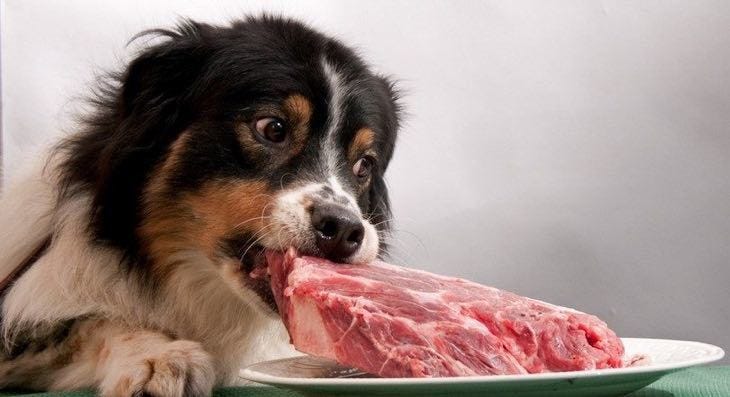
Your dog may act different after eating raw steak. They might seem tired or weak. Loss of appetite is a warning sign. Restlessness or whining shows discomfort. Changes in behavior tell you something is wrong inside. Always note any unusual actions after feeding raw meat.
Credit: medium.com
Consulting Your Veterinarian
Consulting your veterinarian is important before feeding raw steak to your dog. They can provide advice based on your dog’s health and needs. This step helps avoid risks and ensures your dog stays safe and healthy.
Health Assessments
Your veterinarian will check your dog’s overall health. They look for any problems that raw meat might worsen. Some dogs have weak immune systems or allergies. These conditions need special care before changing diets.
Dietary Recommendations
The vet suggests the best diet for your dog. They may approve raw steak or suggest other options. Portion size and frequency also matter. The vet guides you to balance nutrients and keep your dog fit.
Regular Monitoring
After starting raw steak, regular check-ups are needed. The vet watches for any changes or issues. Monitoring helps catch problems early. It keeps your dog’s diet safe and effective over time.

Credit: www.bellaandduke.com
Frequently Asked Questions
Is Raw Steak Safe For Dogs To Eat?
Raw steak can be safe if handled properly. It must be fresh, high-quality, and free from harmful bacteria. Always consult your vet before feeding raw steak to your dog to avoid health risks.
What Are The Benefits Of Feeding Dogs Raw Steak?
Raw steak provides high protein, essential nutrients, and natural enzymes. It supports muscle growth, healthy coat, and overall vitality. However, balance with other foods is key for a complete diet.
Can Raw Steak Cause Health Issues In Dogs?
Yes, raw steak can carry bacteria like Salmonella or E. coli. It may cause digestive upset or infections. Proper hygiene and vet guidance reduce these risks significantly.
How Often Should I Feed My Dog Raw Steak?
Feeding raw steak occasionally is best, about once or twice a week. It should complement a balanced diet, not replace regular dog food.
Conclusion
Raw steak can offer some benefits for dogs but also carries risks. Bacteria in raw meat may cause illness. Always check with a vet before feeding raw steak. Balance and safety matter most for your pet’s health. Clean handling and quality meat reduce dangers.
Treat your dog with care and good choices.