Last Updated on July 26, 2026
When you hear the term “dog meat,” what comes to your mind? Maybe confusion, curiosity, or even shock.
You might wonder why people would eat dogs or if it’s a common practice anywhere. This topic can stir strong feelings and raise important questions about culture, ethics, and food choices. If you want to understand the truth behind dog meat, how it’s viewed around the world, and what it means for you, keep reading.
This article will give you clear, straightforward facts that will open your eyes and challenge your thinking.
Credit: weanimals.org
Global History Of Dog Meat Consumption
Dog meat has been part of human diets for thousands of years. Different cultures have included it in their meals for many reasons. Some saw it as a source of nutrition during hard times. Others believed it had special health benefits. The practice of eating dog meat shows how food habits change across places and times.
Understanding the history of dog meat consumption helps us see the diversity in human culture. It also reveals how traditions shape food choices around the world.
Ancient Traditions And Practices
People ate dog meat in many ancient societies. Archaeological finds show dog bones in old settlements. In some places, dogs were hunted or raised for food. Ancient Chinese texts mention dog meat as a common dish. It was also eaten in parts of Europe, like during harsh winters. Dog meat often appeared in rituals and special ceremonies. These practices linked food with culture and belief.
Regional Variations Worldwide
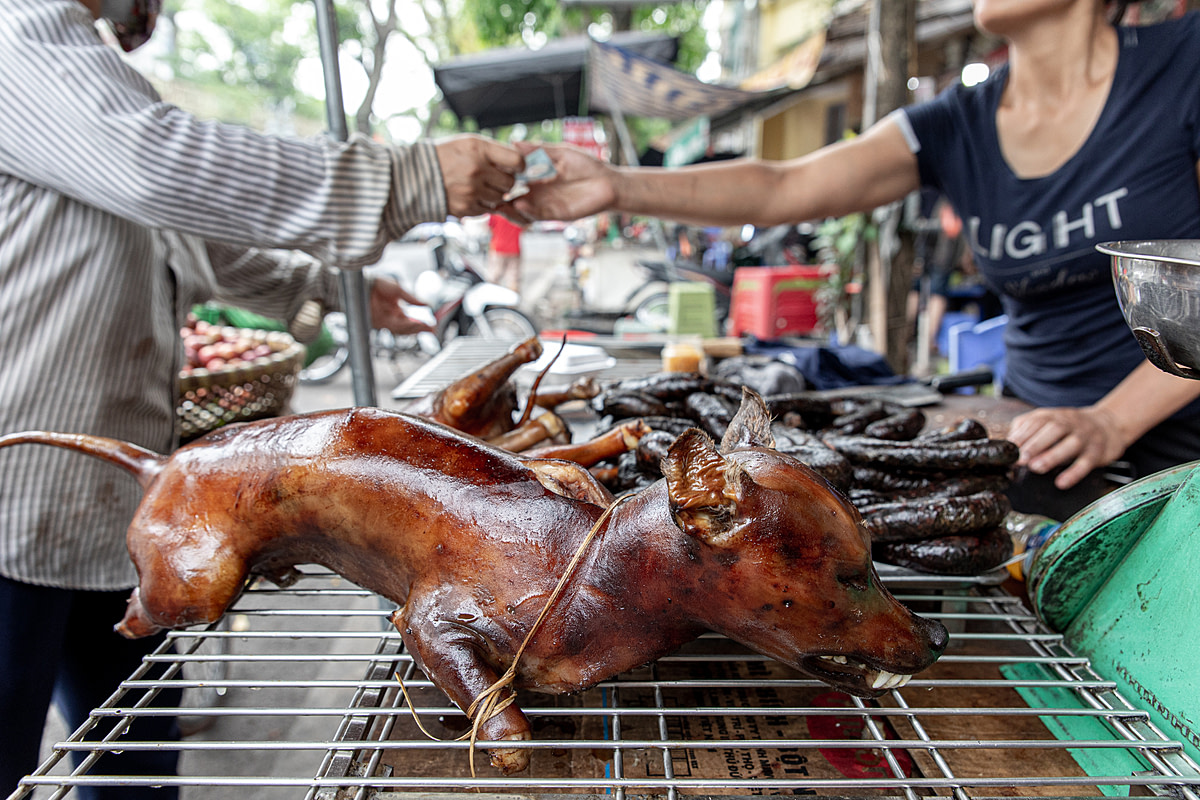
Eating dog meat varies by region. In East Asia, countries like China, Korea, and Vietnam have long traditions of dog meat dishes. Some communities in Africa and the Arctic also consumed it. In parts of Europe and South America, dog meat was less common but still present. The reasons for eating dog meat differ. Sometimes, it was a survival food. Other times, it had cultural or medicinal value. Today, attitudes toward dog meat vary widely across the globe.
Cultural Significance And Beliefs
Dog meat holds a complex place in many cultures worldwide. It carries meanings beyond nutrition. People attach beliefs and traditions to it, shaping its role in society. Understanding these cultural views helps explain why dog meat remains part of certain customs.
Symbolism In Different Societies
In some cultures, dog meat symbolizes strength and courage. It is seen as a source of energy and vitality. Others view it as a way to honor ancestors or spirits. The meat often represents loyalty or protection. These symbolic meanings influence how communities treat and consume dog meat.
Rituals And Festivities
Dog meat plays a role in specific rituals and festivals. It is sometimes eaten during ceremonies to bring good luck or health. Some festivals feature dog meat as a special dish for guests. These events highlight respect for tradition and belief in the meat’s powers. Ritual use keeps the practice alive in certain regions.
Ethical And Animal Welfare Concerns
The ethical and animal welfare concerns around dog meat are deeply important. Many people worry about how dogs are treated in this trade. The issue raises questions about cruelty and respect for animals.
Understanding these concerns helps us see the bigger picture. It also shows why many groups work hard to stop the dog meat trade.
Cruelty And Treatment Of Dogs
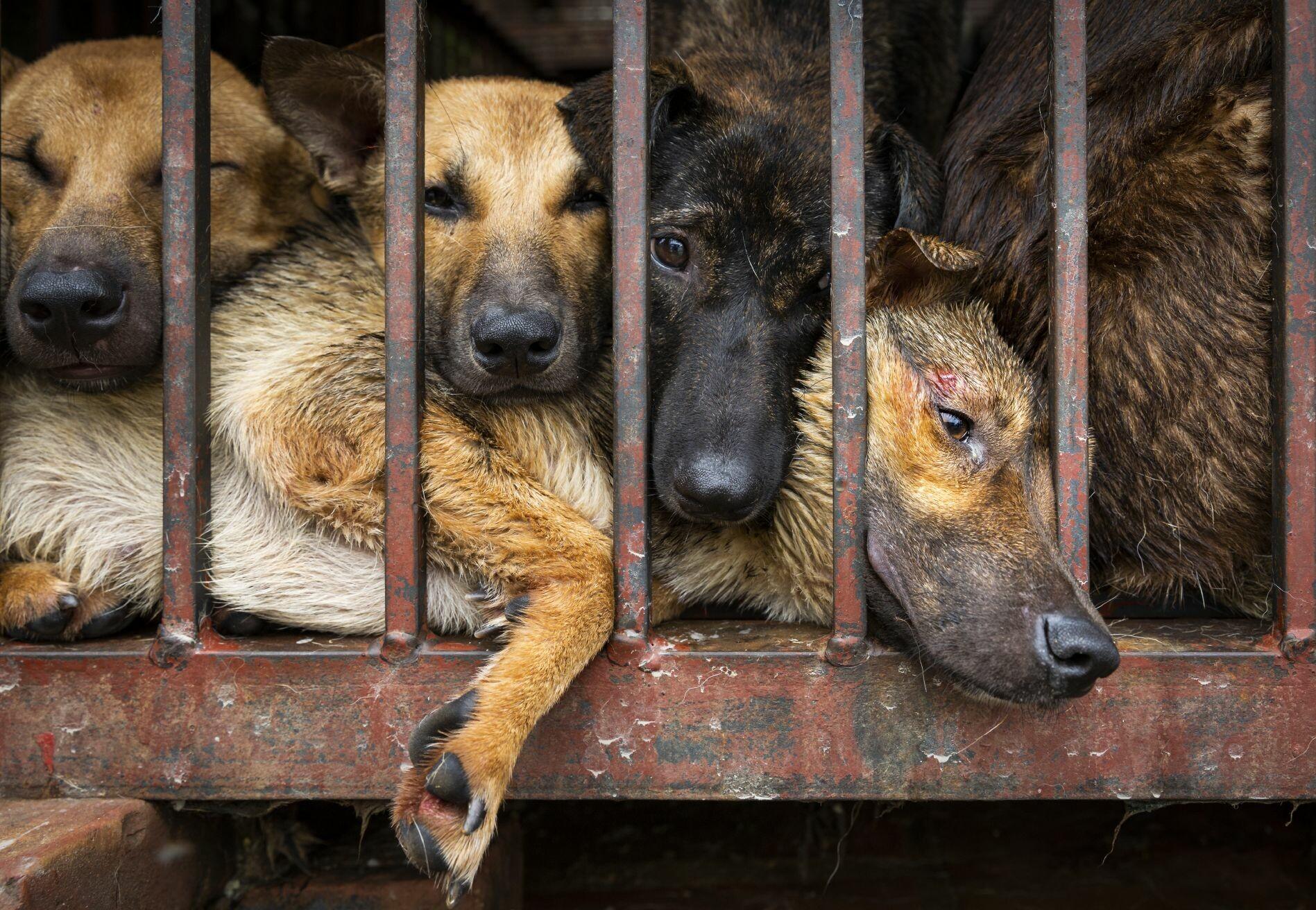
Dogs raised for meat often live in poor conditions. They may suffer from hunger, illness, and fear. Many face painful transport and harsh handling. Some dogs are kept in cramped cages without enough food or water. The methods used to kill them can be cruel and cause suffering. Such treatment raises serious animal welfare concerns worldwide.
Animal Rights Movements
Animal rights groups fight against the dog meat trade. They work to rescue dogs and raise awareness. These groups promote kindness and better laws for animals. They urge governments to ban dog meat markets. Their goal is to protect dogs from abuse and cruelty. Public support for these movements grows every year.
Credit: www.four-paws.org
Legal Status And Regulations
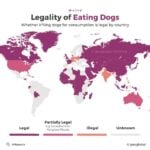
The legal status of dog meat varies widely around the world. Some countries have strict bans on its sale and consumption. Others allow it under specific rules or in certain regions. Understanding these laws helps clarify the current global stance on dog meat.
These regulations often reflect cultural values, animal welfare concerns, and public health issues. Governments weigh these factors when creating or enforcing laws. The result is a complex legal landscape with many differences from place to place.
Countries Banning Dog Meat
Several countries have banned dog meat completely. These laws protect dogs as companion animals. South Korea, Taiwan, and the Philippines have strong regulations against dog meat. In many European countries, selling or eating dog meat is illegal. The United States also has federal and state laws banning dog meat. These bans often come with heavy penalties for violators.
Laws Permitting Its Consumption
Some countries allow dog meat under certain conditions. China permits dog meat in some regions but has no nationwide ban. Vietnam and parts of Indonesia allow dog meat as a traditional food. These countries regulate the trade to control health risks. Rules may include licensing and hygiene standards. The laws aim to balance cultural practices with public safety.
Health And Safety Issues
Eating dog meat raises serious health and safety concerns. The risks come from how the meat is handled and prepared. Poor hygiene and lack of regulation increase dangers. Understanding these risks helps protect public health and safety.
Risks Of Disease Transmission
Dog meat can carry harmful bacteria and viruses. These include rabies, parasites, and other infections. Handling sick or contaminated animals can spread disease to humans. Cooking meat improperly may not kill all pathogens. This leads to foodborne illnesses and outbreaks. Consumers face serious health risks without proper checks.
Food Safety Standards
Many places lack clear rules for dog meat production. This absence means poor hygiene and unsafe slaughtering methods. Meat may come from unknown or unhealthy sources. Without inspections, harmful substances can enter the food supply. Strong food safety standards are essential to protect consumers. Regulations should enforce cleanliness and proper cooking practices.
Shifts In Public Opinion
Public opinion about dog meat has changed a lot in recent years. Many people now see it differently than before. These shifts reflect new values and growing awareness about animal rights and culture.
People are starting to question old traditions. They want to understand the impact on animals and society. This change is slow but visible in many countries.
Influence Of Globalization
Globalization connects people across the world. It spreads ideas and cultures quickly. Because of this, more people learn about animal protection.
Global trade and travel expose people to new beliefs. Some countries stop eating dog meat as they adopt global norms. This creates pressure to change old habits.
Role Of Media And Activism
Media plays a big role in shaping opinions. News stories and videos show the reality of dog meat trade. These images touch emotions and raise concern.
Activists use social media to share their message. They organize campaigns and protests. This helps spread awareness and push for laws against dog meat.
Alternatives And Future Trends
The topic of dog meat has sparked much debate worldwide. People are finding new ways to respect animals and change old habits. Many communities now seek alternatives that honor animal welfare and cultural values. The future points to kinder choices and better awareness.
Changing attitudes about animals lead to fresh ideas. New trends focus on protecting pets and offering healthy food options. These shifts show hope for reducing the demand for dog meat. Let’s explore some key alternatives and future trends shaping this change.
Promoting Pet Adoption
Pet adoption grows as a popular choice globally. More people want to care for dogs as companions. Adoption gives dogs a safe, loving home. It helps reduce the number of stray and unwanted dogs. Communities and shelters work hard to educate about adoption benefits. This trend supports kindness over consumption.
Adoption also builds strong emotional bonds. Dogs become family members, not food sources. This change helps shift public opinion. It encourages respect for all animals. Adoption campaigns use simple messages to reach wide audiences. These efforts slowly reshape cultural views on dogs.
Changing Dietary Preferences
Dietary habits evolve with awareness of animal welfare. Many choose plant-based or alternative protein sources. These options provide nutrition without harming animals. New food products mimic meat taste and texture. This innovation helps people reduce meat consumption easily.
Health concerns also influence food choices. People want safe and clean food options. The demand for ethical eating grows stronger. Educational programs highlight the benefits of plant-based diets. This trend reduces reliance on traditional animal meats, including dog meat.

Credit: www.humaneworld.org
Frequently Asked Questions
What Is Dog Meat And Where Is It Consumed?
Dog meat refers to the flesh of dogs consumed as food. It is eaten in some Asian countries like South Korea, China, and Vietnam. The practice varies culturally and is controversial due to animal welfare concerns.
Why Is Dog Meat Consumption Controversial?
Dog meat consumption is controversial because dogs are common pets and companions. Many people view eating dog meat as unethical and cruel. Animal rights groups oppose the practice, citing animal cruelty and health risks.
Is Eating Dog Meat Legal Worldwide?
No, eating dog meat is illegal in many countries, including the United States and much of Europe. Some countries have specific bans or regulations to control its trade and consumption. Laws vary significantly by region.
Are There Health Risks From Eating Dog Meat?
Yes, eating dog meat can pose health risks. It may carry diseases like rabies or parasites if not properly cooked. Poor hygiene in the dog meat trade increases the risk of foodborne illnesses.
Conclusion
Dog meat raises many questions about culture and ethics. People’s views differ widely around the world. Some see it as tradition, others as cruelty. Laws also vary by country and region. Understanding these differences helps us respect diverse opinions. Talking openly about the topic promotes awareness and kindness.
At the end, respect for animals and people matters most.