Last Updated on July 26, 2026
Have you ever wondered if there are still companies that sell dog meat? It’s a question that sparks strong emotions and curiosity.
You might think this practice is a thing of the past, but the truth could surprise you. You’ll discover where dog meat sales still happen, why they continue, and what it means for animals and people like you. Keep reading to get the full story and understand the reality behind this controversial topic.
Global Dog Meat Trade Today
The trade of dog meat continues in some parts of the world. It remains a sensitive and controversial topic. Many people oppose it due to animal rights concerns. Others see it as part of their culture or tradition. The global market for dog meat has shrunk but still exists.
Understanding where and why this trade happens helps us learn about different cultures. It also shows how laws affect the practice. The trade is often hidden or illegal, making it harder to track.
Countries Where Dog Meat Is Sold
Dog meat is sold in several countries across Asia and Africa. South Korea and China have notable markets for dog meat. Vietnam and Indonesia also have local dog meat sellers. In some African countries, dog meat is part of traditional diets. The trade varies from small local markets to larger commercial operations.
Cultural Practices And Traditions
Eating dog meat is linked to long-standing customs. Some communities believe it brings health benefits or strength. Festivals or special events sometimes include dog meat dishes. The practice is often passed down through generations. It holds cultural meaning beyond just food.
Legal Status Around The World
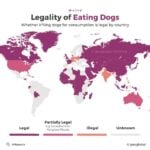
Many countries have banned the sale or consumption of dog meat. Laws are stricter in places with strong animal protection rules. Some nations have partial bans or regulations on dog meat trade. Enforcement varies widely and can be weak. In some areas, the trade remains legal and unregulated.
Credit: www.themeateater.com
Controversies Surrounding Dog Meat
Dog meat remains a controversial topic worldwide. Different cultures view it in various ways. Some see it as a tradition, while others find it unacceptable. The controversies involve many issues. These include animal rights, health dangers, and public protests.
Animal Welfare Concerns
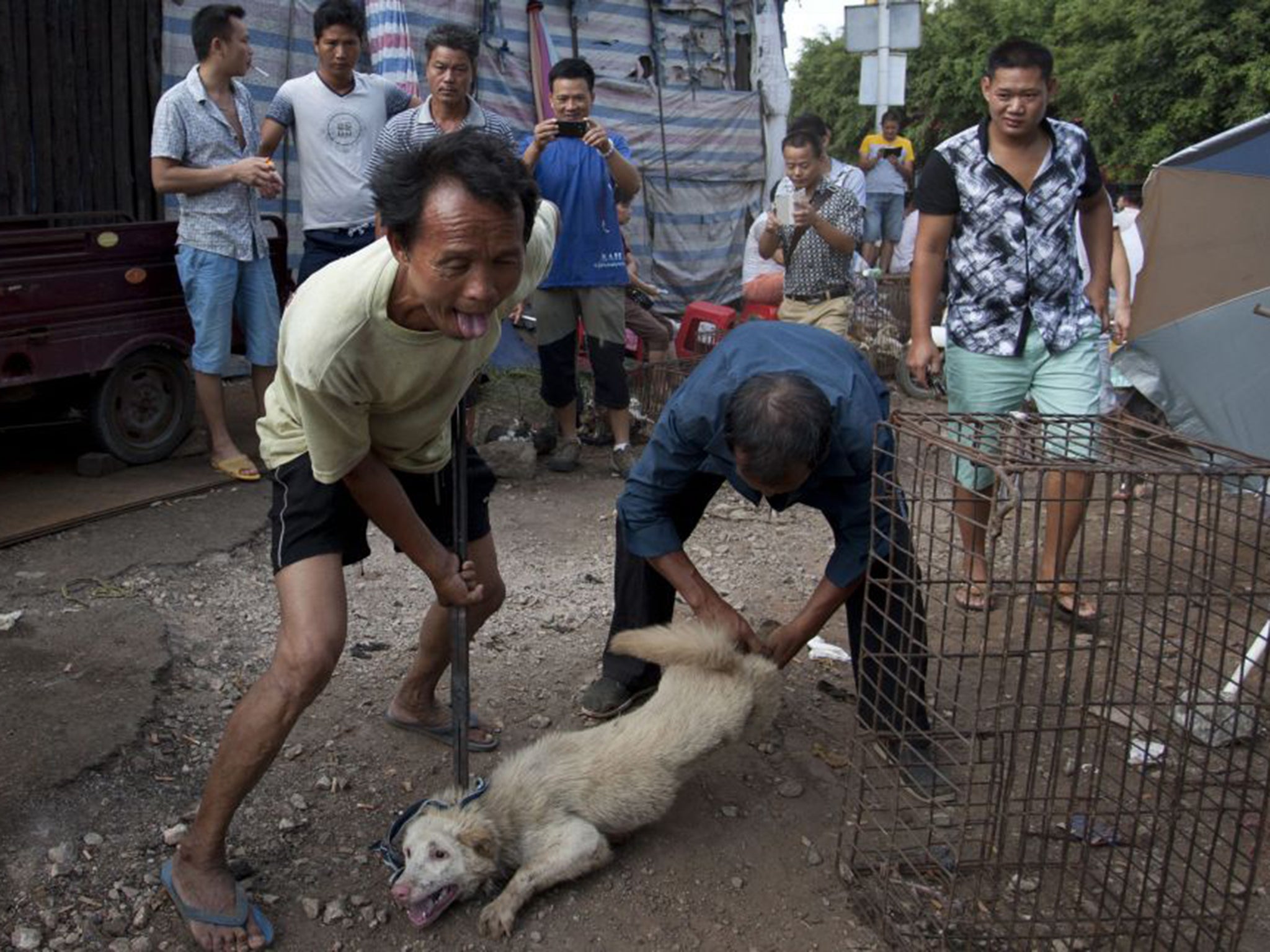
Many people worry about how dogs are treated. Dogs often face cruel conditions before being sold. They may live in small cages or dirty places. The methods used to kill dogs can be painful and inhumane. Animal rights groups speak out against this treatment. They want better laws to protect dogs from harm.
Health Risks To Consumers
Eating dog meat can pose health risks. Dogs may carry diseases that spread to humans. Some sellers do not follow hygiene rules. This increases the chance of food poisoning. Consuming unsafe dog meat can cause serious illness. Experts warn that dog meat is not always safe to eat.
Public Opposition And Activism
Many people protest against the dog meat trade. Activists organize campaigns to stop it. They use social media to raise awareness. Some countries have banned selling dog meat. Public pressure has led to stricter laws. People want to protect dogs and end this practice.
Companies Involved In Dog Meat Sales
Companies involved in dog meat sales still exist in some parts of the world. These businesses operate openly or secretly, depending on local laws. Their presence often sparks heated debates about animal rights and cultural practices. Understanding the types of businesses that sell dog meat helps reveal how widespread this trade remains.
Types Of Businesses Selling Dog Meat
Some restaurants serve dog meat as a traditional dish. These places are often found in rural or less regulated areas. Markets also sell dog meat alongside other meats. Certain farms breed dogs specifically for meat production. Each type plays a role in the supply chain of this controversial product.
Hidden Markets And Illegal Trade
Many dog meat sales happen through hidden markets. These markets avoid government oversight and law enforcement. Illegal traders smuggle dog meat across borders. The trade often involves poor conditions for the animals. Hidden markets make it hard to track or stop dog meat sales.
Impact Of International Pressure On Businesses
Global campaigns have pushed businesses to stop selling dog meat. Some companies have closed due to public backlash. Export restrictions limit where dog meat can be sold. International pressure encourages legal reforms in some countries. Businesses feel the impact as customers and laws change.
Efforts To End Dog Meat Trade
The dog meat trade remains a serious concern in some parts of the world. Many people and groups work hard to stop this cruel practice. Their efforts include laws, activism, and education. These combined actions aim to protect dogs and raise awareness about animal rights.
Legislation And Government Actions
Several countries have passed laws banning the sale and consumption of dog meat. Governments enforce strict penalties on those who break these laws. Some regions require registration of dogs to prevent illegal trade. These legal steps help reduce the dog meat market over time.
Authorities also run campaigns to educate the public. They promote kindness to animals and explain the health risks of eating dog meat. Law enforcement agencies cooperate with animal groups to find and shut down illegal operations.
Role Of Animal Rights Organizations
Animal rights groups play a key role in ending the dog meat trade. They rescue dogs from markets and shelters. These groups provide medical care and find new homes for rescued animals. They also organize protests and petitions to pressure governments.
Many organizations educate communities about animal welfare. They teach people that dogs are companions, not food. Volunteers work on the ground to stop illegal trade and save suffering animals.
Success Stories And Challenges
Some countries have seen big drops in dog meat sales thanks to laws and activism. Public attitudes are changing as more people reject the practice. Awareness campaigns have helped reduce demand for dog meat.
Challenges remain though. Illegal trading still exists in some areas. Cultural traditions and poverty can slow progress. Continued effort and international support are needed to fully end the dog meat trade.
Alternatives And Changing Attitudes
Attitudes toward dog meat consumption have changed significantly in recent years. Many people now seek alternatives that respect animal welfare. These new views reflect a shift in culture and awareness.
People want healthier, kinder food options. This shift affects markets and traditions where dog meat was once common. The change shows growing respect for dogs as companions, not food.
Shift In Consumer Preferences
More consumers reject dog meat due to ethical concerns. They choose plant-based or other meat options instead. Younger generations especially prefer pet-friendly choices. This shift reduces demand for dog meat products.
Restaurants and shops respond by offering new menus. They focus on dishes that attract more customers. The market adapts quickly to changing tastes.
Promoting Dog Protection And Adoption
Animal rights groups promote dog protection laws worldwide. They encourage adoption over consumption. Shelters and rescues gain more support and volunteers. People adopt dogs as pets rather than eat them.
Campaigns raise awareness about cruelty in the dog meat trade. This motivates people to protect dogs and report illegal sales. Governments start enforcing stricter animal welfare rules.
Influence Of Globalization And Social Media
Globalization spreads ideas about animal rights and diets. Social media shares stories of dog rescues and cruelty. Visual content sparks empathy and changes opinions. People connect globally to fight dog meat trade.
Online platforms help activists organize protests and petitions. Public pressure leads to bans and better enforcement. Social media plays a key role in shifting views fast.
Credit: www.independent.co.uk
Credit: verm-x.com
Frequently Asked Questions
Are Companies Still Selling Dog Meat Legally?
Yes, some companies in a few countries still sell dog meat legally. However, many nations have banned this practice due to animal rights concerns and health regulations.
Which Countries Allow Dog Meat Sales?
Dog meat sales are legal in parts of China, South Korea, and Vietnam. Laws vary regionally, and growing opposition is leading to stricter regulations.
Why Is Dog Meat Controversial Worldwide?
Dog meat is controversial due to cultural differences and animal welfare issues. Many people view dogs as pets, making the practice ethically and emotionally sensitive.
How Is The Dog Meat Industry Regulated?
Regulations differ widely, with some countries imposing strict bans and others allowing controlled sales. Enforcement often depends on local laws and cultural acceptance.
Conclusion
Dog meat sales still exist in some places, but they are rare. Many countries have laws to stop this practice. People worldwide speak out against it for animal protection. Awareness grows, and more choose kindness over cruelty. Change takes time, but progress shows hope.
Everyone can help by learning and sharing the truth. Together, a kinder future for dogs is possible.