Last Updated on August 5, 2026
Are you confused about how much raw food your dog really needs? Feeding your furry friend the right amount can feel tricky, but it doesn’t have to be.
With the right raw food calculator for your dog, you can make sure your pet gets just the right balance of nutrients without guessing or stressing. Keep reading, and you’ll discover how simple it is to feed your dog healthy, fresh meals that support their energy, health, and happiness every day.
Your dog deserves the best—let’s make sure you’re giving it to them the right way.

Credit: nakeddog.co.uk
Why Choose Raw Food For Dogs
Choosing the right food for dogs is important for their health and happiness. Raw food diets have gained popularity among pet owners. These diets aim to give dogs food closer to what their ancestors ate in the wild. Many believe raw food can improve a dog’s overall well-being. Understanding why raw food is a good choice helps pet owners make informed decisions.
Benefits Of Raw Diets
Raw diets offer many benefits for dogs. They often contain fresh meat, bones, and vegetables. This diet provides natural nutrients and enzymes. Dogs on raw diets may have shinier coats and healthier skin. Their digestion can improve with less stool volume. Some dogs show more energy and better muscle tone. Raw food can also reduce allergies and dental issues. It supports a stronger immune system. Many owners find their dogs enjoy eating raw food more.
Common Misconceptions
Some people think raw diets are dangerous or incomplete. They worry about bacteria or lack of nutrients. Proper handling and balanced recipes reduce these risks. Not all raw diets are the same; quality matters. Many vets now support raw feeding with proper guidance. Others believe cooked food is always better. Cooking can destroy important nutrients and enzymes. Raw food is natural and suits a dog’s biology. Careful planning ensures dogs get all they need.
Key Components Of A Raw Meal
Feeding your dog a raw meal means balancing different food groups. Each part plays a vital role in keeping your dog healthy and strong. Understanding these key components helps you create the best meal plan. It ensures your dog gets all needed nutrients in every bite.
Proteins
Proteins form the base of a raw diet for dogs. They build muscles and support body repair. Common protein sources include raw meat, organs, and bones. Choose fresh chicken, beef, or turkey for strong nutrition. Organs like liver and kidney add important vitamins and minerals. Bones provide calcium, essential for healthy teeth and bones. Always select safe, edible bones to avoid choking or damage.
Vegetables And Fruits
Vegetables and fruits add fiber, vitamins, and antioxidants. They help digestion and boost the immune system. Dogs can eat carrots, spinach, and broccoli in small amounts. Fruits like apples and blueberries offer natural sweetness and nutrients. Avoid toxic foods such as grapes, onions, and garlic. Grinding vegetables makes them easier for dogs to digest. These plant foods balance the meal and keep your dog vibrant.
Supplements And Additives
Supplements fill nutrition gaps in a raw diet. Fish oil provides omega-3 fatty acids for skin and coat health. Vitamin E and zinc support the immune system. Some dogs need extra calcium or probiotics for digestion. Use supplements carefully and follow dosage guidelines. Natural additives like kelp powder can improve overall health. Supplements ensure your dog’s meal is complete and nutritious every day.
How To Use A Raw Food Calculator
Using a raw food calculator for your dog helps create balanced meals. It ensures your dog gets the right nutrients. The calculator considers your dog’s unique needs. This section explains how to use it properly.
Inputting Your Dog’s Details
Start by entering your dog’s weight and breed. Include your dog’s current health status if possible. This information helps the calculator suggest the correct food amount. Accurate details lead to better meal plans.
Adjusting For Age And Activity Level
Select your dog’s age group from puppy to senior. Choose the activity level, like low, moderate, or high. Active dogs need more calories than less active ones. These choices adjust the daily food intake.
Customizing Nutrient Ratios
Set protein, fat, and carbohydrate ratios based on your dog’s needs. Some dogs need more protein, others less fat. Adjusting these ratios helps meet specific health goals. The calculator updates meal suggestions instantly.
Calculating Portion Sizes
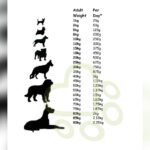
Calculating portion sizes is key to feeding your dog a healthy raw diet. The right amount of food keeps your dog energetic and prevents health problems. Too little food can cause weakness. Too much can lead to obesity.
A raw food calculator helps find the correct portion. It considers your dog’s weight, age, activity level, and health. Proper portions make sure your dog gets all needed nutrients every day.
Daily Calorie Needs
Start by knowing your dog’s daily calorie needs. Active dogs need more calories than calm ones. Puppies and pregnant dogs also need extra energy. Use a calculator to find the exact calorie amount.
Calories come from proteins, fats, and carbs in the raw food. Feeding the right calories keeps your dog fit and happy. Adjust the portions as your dog grows or changes activity.
Balancing Macronutrients
Your dog’s diet needs the right balance of proteins, fats, and carbohydrates. Proteins build muscles and support body functions. Fats give energy and help absorb vitamins. Carbs provide fiber for digestion.
The raw food calculator helps balance these nutrients in each meal. This balance keeps your dog’s body strong and healthy. Watch your dog’s reaction and adjust macronutrients if needed.
Avoiding Overfeeding
Overfeeding can cause weight gain and health issues. Excess food puts stress on your dog’s organs. It also leads to joint problems and low energy.
Use the calculator to avoid giving too much food. Measure portions carefully and feed at regular times. Keep an eye on your dog’s weight and adjust portions as needed.
Common Challenges And Solutions
Feeding your dog a raw diet can bring many benefits. Yet, it also comes with challenges. Many pet owners face issues that can be solved with the right approach. Understanding these common problems helps keep your dog healthy and happy.
Dealing With Picky Eaters
Some dogs refuse to eat raw food at first. They may miss the smell or taste of cooked meals. Try mixing raw food with a small amount of their favorite cooked food. Gradually reduce the cooked portion over time. Also, vary the types of meat and organs to find what they prefer. Patience and persistence often win with picky eaters.
Ensuring Nutrient Completeness
A raw diet must be balanced to provide all nutrients. Missing vitamins or minerals can harm your dog’s health. Use a raw food calculator to plan meals carefully. Include muscle meat, bones, organs, and supplements as needed. Regular vet check-ups can catch any nutritional gaps early. Balance is key to a strong, healthy dog.
Managing Costs
Raw feeding can seem expensive. High-quality meat and supplements add up. Buying in bulk or from local farms can lower costs. Freeze portions to keep food fresh longer. Plan meals ahead to avoid waste. A smart approach helps keep raw feeding affordable and sustainable.

Credit: www.rawpetsupplies.co.uk
Tips For Safe Raw Feeding
Feeding your dog raw food requires care and attention. Following safety tips helps protect your pet’s health. These tips cover handling, storage, and consulting a vet.
Handling And Storage
Always wash your hands before and after handling raw food. Use separate cutting boards and utensils for raw meat. Store raw food in sealed containers. Keep it in the coldest part of the fridge or freezer. Thaw frozen food in the fridge, never at room temperature. Clean all surfaces and tools after use.
Preventing Bacterial Contamination
Keep raw food away from other foods to avoid cross-contamination. Use fresh ingredients and check expiration dates. Do not leave raw food out for more than two hours. Serve food immediately after preparation. Dispose of leftover food that has been sitting out. Regularly clean your dog’s feeding area and bowls.
Consulting Your Veterinarian
Talk to your vet before starting raw feeding. Discuss your dog’s health and dietary needs. Ask about supplements to balance the diet. Monitor your dog’s health and report any issues. Regular vet visits ensure your dog stays healthy on a raw diet.
Popular Raw Food Calculator Tools
Raw food calculators help pet owners feed their dogs the right amount of raw food. These tools make it simple to balance nutrients and control portions. Several types of calculators exist, each with unique features. They help avoid guesswork and keep dogs healthy.
Online Calculators
Online calculators are easy to use on any device with internet access. Users enter their dog’s weight, age, and activity level. The tool then suggests daily raw food amounts. Some sites also offer tips on ingredient ratios. These calculators require no installation and are free to use.
Mobile Apps
Mobile apps provide raw food calculation on the go. They often include extra features like meal tracking and reminders. Apps allow quick updates to your dog’s profile. Many apps work offline once downloaded. They offer convenience and flexibility for busy pet owners.
Diy Spreadsheet Options
DIY spreadsheets give full control over raw food calculations. Owners can customize formulas to fit their dog’s needs. These spreadsheets track ingredients, costs, and nutrient balance. They require basic knowledge of spreadsheet software. This option suits people who want detailed control.

Credit: houndandbone.ca
Adjusting Meals Over Time
Adjusting your dog’s raw food meals over time is key to keeping them healthy. Dogs’ needs change as they grow and face different life conditions. Using a raw food calculator helps you tailor meals correctly. This keeps your dog active and fit.
Monitoring Weight And Health
Check your dog’s weight regularly. A steady weight shows the meal plan works. Weight loss or gain means changes are needed. Watch for signs like dull fur or low energy. These could mean the diet lacks nutrients. Adjust portions or ingredients based on these signs. Keep a journal to track weight and health. Share this information with your vet during visits.
Adapting To Life Stages
Puppies need more calories and protein than adults. Senior dogs may require fewer calories but more fiber. Pregnant or nursing dogs need extra nutrients. Adjust the raw food calculator settings for these stages. This ensures your dog gets the right fuel. Life stage changes can happen quickly. Frequent adjustments help your dog stay healthy and strong.
Seasonal Changes
Dogs may need more calories in winter. Cold weather burns more energy. In summer, dogs may eat less and need lighter meals. Adjust raw food portions to match activity levels. Include seasonal fresh vegetables and fruits. These add vitamins and hydration. Seasonal adjustments keep your dog comfortable year-round.
Frequently Asked Questions
What Is A Raw Food Calculator For Dogs?
A raw food calculator helps determine the right portions of raw ingredients for your dog. It ensures balanced nutrition based on your dog’s weight, age, and activity level. Using this tool prevents overfeeding or underfeeding, promoting your dog’s health and well-being.
How Do I Use A Raw Food Calculator For Dogs?
Input your dog’s weight, age, and activity level into the calculator. Then select the type of raw diet you prefer. The calculator provides daily portion sizes for meat, bones, organs, and supplements. Follow these guidelines to maintain a balanced raw diet.
Why Is A Raw Food Calculator Important For Dogs?
A raw food calculator ensures your dog receives the correct nutrient balance. It prevents nutrient deficiencies and obesity caused by improper feeding. This tool simplifies portion control, making raw feeding safer and more effective for your pet’s health.
Can A Raw Food Calculator Accommodate All Dog Breeds?
Yes, most raw food calculators are customizable for different breeds and sizes. They adjust portions based on breed-specific nutritional needs and activity levels. This flexibility helps meet the unique dietary requirements of your dog accurately.
Conclusion
Using a raw food calculator helps feed your dog the right amount. It keeps their diet balanced and healthy. You avoid overfeeding or underfeeding by measuring portions well. This tool saves time and reduces guesswork. Your dog feels better with proper nutrition.
Try the calculator to support your pet’s wellness. Small steps lead to big health benefits. Raw feeding becomes easier and more enjoyable this way. Keep your dog happy, active, and strong every day.