Last Updated on August 21, 2026
Choosing the right food for your dog can feel overwhelming. With so many options on the shelves, how do you know what’s best for your furry friend?
What ingredients should you look for, and which ones should you avoid? Your dog’s health, energy, and happiness depend on what you feed them every day. Keep reading to discover simple, practical tips that will help you pick the perfect dog food—so you can give your pet the nutrition they truly deserve.

Credit: greencovepet.com
Factors To Consider When Choosing Dog Food
Choosing the right dog food is important for your pet’s health. Many factors affect what type of food suits your dog best. This section covers key points to consider before buying dog food.
Understanding these factors helps you pick food that supports your dog’s well-being. Each dog has unique needs that influence their diet.
Dog’s Age And Life Stage
Puppies need food rich in nutrients for growth. Adult dogs require balanced meals to maintain health. Senior dogs benefit from diets that support joint and organ health. Feeding age-appropriate food helps meet your dog’s changing needs.
Breed And Size Impact
Small breeds have faster metabolisms and need more calories per pound. Large breeds require food that supports joint health and slower growth. Different breeds may need special nutrients to stay healthy. Choose food designed for your dog’s size and breed.
Health Conditions And Allergies
Dogs with allergies need hypoallergenic or limited ingredient diets. Health issues like kidney disease require special food to ease symptoms. Always check with a vet if your dog has health problems. Proper food can improve your dog’s quality of life.
Activity Level And Lifestyle
Active dogs burn more calories and need higher energy food. Less active dogs need fewer calories to avoid weight gain. Working dogs may need extra protein for muscle repair. Match food to your dog’s daily activity for best results.
Types Of Dog Food Available
Choosing the right dog food starts with knowing the types available. Dogs have different needs, so food options vary. Each type has benefits and drawbacks. Understanding these helps pick the best for your dog’s health and happiness.
Dry Kibble Benefits And Drawbacks
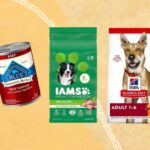
Dry kibble is the most common dog food type. It is easy to store and lasts long without spoiling. Kibble helps keep your dog’s teeth clean by reducing plaque. It usually costs less than wet food.
Some dogs find kibble less tasty. It contains less moisture, so dogs may need extra water. Poor-quality kibble may have fillers and artificial ingredients. Always read the label to find healthy options.
Wet Food Pros And Cons
Wet food has a high moisture content, which helps hydration. It often smells and tastes better, encouraging picky eaters to eat. Wet food is easy to chew for older dogs or those with dental issues.
Wet food is more expensive and spoils faster after opening. It can stick to teeth and cause dental problems if not cleaned. Storage requires refrigeration, which is less convenient than dry kibble.
Raw And Homemade Diets
Raw and homemade diets give control over ingredients. Fresh meats, vegetables, and grains can be tailored to your dog’s needs. Some owners report better coat, energy, and digestion with these diets.
Preparing homemade meals takes time and effort. Raw diets carry risks of bacteria if not handled properly. Balancing nutrients is tricky and may need guidance from a vet or nutritionist.
Specialty And Prescription Foods
Specialty foods target specific health issues like allergies or kidney problems. Prescription diets require a vet’s approval and supervision. These foods help manage conditions and improve quality of life.
They can be costly and less tasty for some dogs. Always follow vet advice when using specialty or prescription diets. Avoid switching without professional guidance.
Reading Dog Food Labels
Reading dog food labels is important to choose the right food for your pet. Labels show what ingredients are in the food. They also provide details about nutrition and safety. Understanding these labels helps you pick healthy options. It protects your dog from harmful substances. Here’s how to read labels carefully.
Ingredients To Look For
Check the first few ingredients listed on the package. The main ingredient should be a named meat like chicken or beef. Whole grains like brown rice or oats are good sources of energy. Vegetables such as carrots or peas add fiber and vitamins. Avoid foods with vague terms like “meat meal” or “animal by-products.” Clear ingredients show better quality.
Understanding Nutritional Information
Nutrition facts tell you what your dog will get in each serving. Look for protein, fat, fiber, and moisture percentages. Protein helps build muscles. Fat provides energy and supports skin health. Fiber aids digestion. Moisture affects the food’s texture. Make sure the nutrition matches your dog’s age and activity level. Balanced nutrition keeps dogs healthy and active.
Avoiding Harmful Additives
Steer clear of artificial colors, flavors, and preservatives. These can cause allergies or health issues. Common harmful additives include BHA, BHT, and ethoxyquin. Some foods also contain too much salt or sugar. Natural preservatives like vitamin E or C are safer choices. Always pick foods without unknown chemical names.
Recognizing Quality Certifications
Look for seals from trusted organizations on the label. The Association of American Feed Control Officials (AAFCO) sets nutrition standards. A label stating “AAFCO approved” means the food meets these standards. Other certifications may include USDA Organic or Non-GMO Project. These marks show the food is tested and trustworthy. They help you avoid low-quality products.

Credit: platopettreats.com
Balancing Nutrition For Optimal Health
Balancing nutrition is key to your dog’s health. Dogs need many nutrients to stay strong and active. The right mix of proteins, fats, carbs, vitamins, and minerals helps support their growth and energy. Good nutrition also boosts their immune system and keeps their coat shiny.
Choosing the right dog food means understanding these nutrients. Each plays a special role in your dog’s body. Let’s break down the main parts of a balanced diet for dogs.
Essential Proteins And Fats
Proteins build muscles and repair tissues. Dogs need high-quality protein from meat, fish, or eggs. Fats provide energy and help absorb vitamins. Healthy fats like omega-3 and omega-6 keep skin healthy and coat shiny. A good dog food has the right balance of proteins and fats for daily energy.
Carbohydrates And Fiber
Carbohydrates give dogs quick energy. Sources include rice, oats, and potatoes. Fiber helps with digestion and keeps the stomach healthy. It also prevents constipation. Look for dog foods with natural fiber from vegetables or grains. This supports regular bowel movements and gut health.
Vitamins And Minerals
Vitamins and minerals keep your dog’s body working well. They support bones, teeth, and the immune system. Important vitamins include A, D, E, and B-complex. Minerals like calcium and phosphorus help build strong bones. A balanced dog food includes these nutrients in the right amounts.
Hydration And Supplement Needs
Water is vital for dogs. It helps regulate body temperature and flush out toxins. Wet dog food can add extra hydration. Some dogs may need supplements like glucosamine for joints or fish oil for coat health. Always check with your vet before adding supplements to your dog’s diet.
Transitioning To New Dog Food
Switching your dog’s food needs care and patience. A sudden change can upset their stomach. The right transition helps your dog accept new food easily. It also keeps them healthy and happy during the switch.
Gradual Switching Process
Start by mixing 25% of the new food with 75% of the old food. Feed this mix for three days. Then, increase the new food to 50%. After another three days, move to 75% new food. Finally, switch completely to the new food. This slow change helps your dog’s digestion adjust.
Monitoring For Reactions
Watch your dog closely during the change. Look for signs like vomiting, diarrhea, or lack of appetite. Also notice any itching or skin issues. These may mean your dog does not like the new food. Contact your vet if problems last more than two days.
Adjusting Portions And Feeding Schedule
New food may have different calories. Adjust portions to keep your dog’s weight steady. Keep the feeding times the same for routine. Avoid free-feeding to control intake. Measure food to avoid overfeeding or underfeeding.
Common Mistakes In Choosing Dog Food
Choosing the right dog food can be tricky. Many pet owners make common mistakes that affect their dog’s health and happiness. Understanding these errors can help you pick better food for your dog.
Following Trends Over Needs
Trendy diets catch many eyes. Grain-free, raw, or exotic ingredients sound exciting. Dogs have unique needs based on age, size, and health. Choosing food only because it’s popular may not suit your dog. Focus on what your dog truly requires.
Ignoring Ingredient Quality
Not all ingredients are equal. Cheap fillers like corn or wheat add little nutrition. High-quality proteins and fats support energy and growth. Always read labels carefully. Choose food with named meat sources and minimal fillers.
Overfeeding And Portion Control
More food is not always better. Overfeeding causes obesity and health problems. Follow portion guidelines on the package. Adjust amounts based on activity and weight. Smaller, frequent meals often work best for dogs.
Neglecting Regular Vet Advice
Your vet knows your dog’s health best. Skipping regular checkups means missing important advice. Vets can recommend food changes for allergies or illnesses. Regular vet visits help keep your dog healthy and happy.
Tips From Veterinarians And Pet Nutritionists
Choosing the right food for your dog can feel confusing. Veterinarians and pet nutritionists offer clear advice. Their tips help you pick food that supports your dog’s health and happiness. Understanding their guidance makes feeding easier and safer.
Personalized Diet Recommendations
Each dog has unique needs. Age, size, breed, and health affect what food suits best. Experts suggest tailored diets based on these factors. They also consider allergies or sensitivities. Personalized diets improve digestion and energy levels. A vet can help create the perfect plan.
Signs Of Nutritional Deficiencies
Watch for dull coat, weight loss, or low energy. These signs may show poor nutrition. Pets might also have skin issues or weak muscles. Nutritionists recommend regular checks for these problems. Early detection prevents serious health issues. Feeding balanced food avoids most deficiencies.
When To Consider Supplements
Supplements are not always needed. Some dogs benefit from extra vitamins or minerals. Experts advise supplements for joint health, skin, or digestion. Always ask a vet before adding supplements. Overuse can harm your dog. Proper guidance ensures safety and effectiveness.
Regular Health Checkups
Routine vet visits keep your dog healthy. Vets assess diet effects during checkups. They adjust food plans as your dog ages or changes. Regular exams catch problems early. Staying proactive helps maintain your dog’s well-being long term.

Credit: dogsbestlife.com
Frequently Asked Questions
What Factors Matter Most When Choosing Dog Food?
Consider your dog’s age, size, breed, and activity level. Check ingredient quality and nutritional balance. Also, consider any allergies or health issues your dog may have.
How Do I Read Dog Food Labels Correctly?
Look for named protein sources like chicken or beef first. Avoid fillers like corn or soy. Check for AAFCO certification to ensure nutritional standards.
Is Grain-free Dog Food Better For Dogs?
Not necessarily. Grain-free is useful for dogs with allergies to grains. Otherwise, grains provide valuable nutrients and fiber. Consult your vet before switching.
How Often Should I Change My Dog’s Food Brand?
Change gradually over 7-10 days to avoid stomach upset. Frequent changes aren’t recommended unless for health reasons. Consistency helps maintain digestive health.
Conclusion
Choosing the right dog food helps keep your pet healthy and happy. Focus on ingredients that match your dog’s age, size, and health needs. Always read labels carefully and avoid foods with too many fillers. Consult your vet for advice on special diets or allergies.
Feeding your dog well supports a long, energetic life. Small changes in food can make a big difference. Remember, good nutrition is key to your dog’s overall well-being. Take time to choose wisely and watch your furry friend thrive.